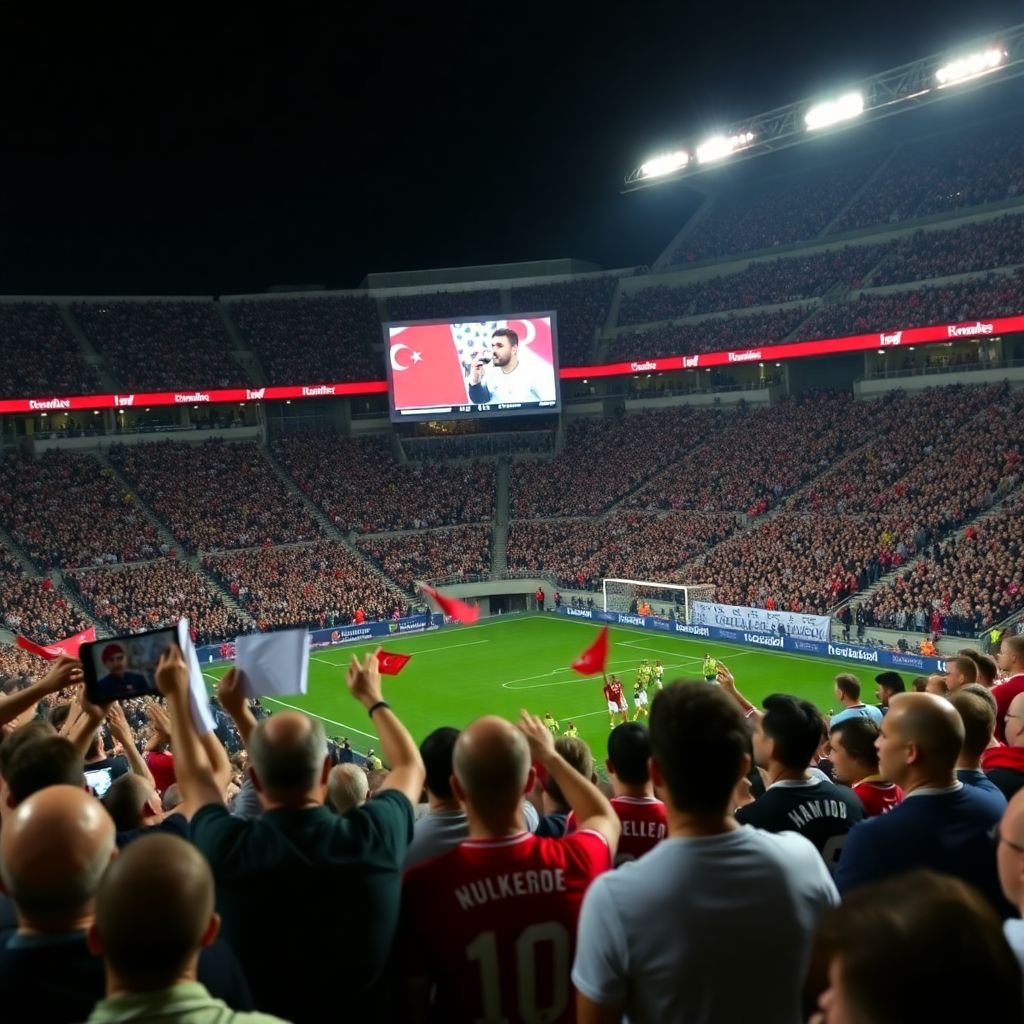
VAR in Turkish football is meant to correct clear and obvious referee errors, especially on goals, penalties, red cards and mistaken identity. In practice, the system reduced some injustices but created new frustrations around delays, communication and consistency, feeding a constant VAR Turkish Super Lig controversy rather than ending all debates.
Essential Findings on VAR’s Effect in Türkiye
- The impact of VAR on Turkish football is double-edged: fewer clear errors in key moments, but more public anger around borderline calls.
- Most Turkish Super Lig VAR mistakes come from protocol misuse or poor communication, not from camera or line technology itself.
- Referees in the Süper Lig now manage risk differently, sometimes over‑relying on VAR instead of strong on‑field decisions.
- High‑pressure games and big clubs intensify scrutiny; VAR decisions Galatasaray Fenerbahce Besiktas are discussed more and judged more harshly.
- Better explanation, faster checks and stricter adherence to the “clear and obvious error” standard would prevent many repeated controversies.
Common Myths About VAR in Turkish Football
VAR is the video assistant referee system used in Türkiye to help the on‑field referee correct serious mistakes. It covers four main areas: goals, penalties, direct red cards and mistaken identity. It does not re‑referee the match; it only intervenes when there is a potential clear and obvious error.
One persistent myth is that VAR can see everything and should fix every foul, offside or handball. In reality, protocol is narrow. If fans expect VAR to judge all contact or every marginal push, disappointment is guaranteed. Many arguments in the video assistant referee Turkey debate come from this unrealistic expectation.
Another myth is that VAR is “against our club”. Technology is neutral; the human part is not. Camera choice, angles shown, and how strongly the VAR recommends an on‑field review all depend on people. Bias can exist in individuals or in how pressure from media and clubs influences them, but not in the equipment itself.
A third myth is that more VAR equals more fairness. Endless checks kill flow and increase frustration, especially when the final decision stays subjective. The practical goal is targeted intervention: only the biggest, most match‑deciding mistakes should be changed. When every minor touch is inspected, trust in both VAR and referees falls.
How VAR Has Altered Referee Behavior in the Süper Lig
- Delaying the whistle on close offsides: Assistant referees are encouraged to keep the flag down in tight situations and let the attack finish so VAR can check later. This avoids wrongly stopping a clear chance but sometimes frustrates defenders and goalkeepers.
- More conservative penalty decisions: Knowing that VAR can intervene, some referees hesitate to give a penalty immediately. They wait seconds longer, position themselves better, and in very unclear situations trust that a replay can support or correct them.
- Psychological “safety net” effect: Referees feel there is backup. This reduces fear of a single catastrophic mistake, but can also make them slightly passive, expecting VAR to repair borderline decisions instead of taking full responsibility on the pitch.
- Changed game management after reviews: After an on‑field review, referees must calm players and benches who may feel injustice. Extra time is added, cards may be shown for protests and the emotional temperature of the match changes sharply after each big VAR moment.
- Increased focus on body language and explanations: The way a referee signals a VAR check, communicates the decision and restarts play became part of performance. Clear, confident gestures and short explanations to captains are now essential to reduce protests.
- More detailed pre‑match preparation: Refereeing teams study patterns: which players tend to exaggerate contact, which zones often create Turkish Super Lig VAR mistakes, and how benches react. This preparation helps anticipate where VAR will probably be needed.
Empirical Trends: Goals, Penalties and Offsides After VAR
Even without exact numbers, some broad patterns are visible since VAR’s introduction. Disallowed goals for tight offsides are more often corrected, and defenders know that the line is checked frame by frame. Attackers take more risk, trusting that if they time the run well, technology will protect them.
Penalty decisions are now more frequently re‑checked, especially for handball, holding at set pieces and late tackles inside the box. Many Turkish Super Lig VAR mistakes are linked to unclear handball criteria: small touches, natural vs. unnatural arm positions, or deflections. When the law is complex, even slow‑motion replays do not guarantee agreement.
Typical scenarios where VAR impacts match outcomes include:
- Late winning goals: Every last‑minute goal is automatically checked for offside, foul in the build‑up or handball. Celebrations are often delayed, which changes the emotional rhythm of the game.
- Corner‑kick and free‑kick chaos: Shirt‑pulling and blocks are easier to see on replay. Defenders must be more careful, but attackers also know how to exaggerate small contact to draw VAR attention.
- Counter‑attacks after missed fouls: If a team concedes a goal after an apparent foul in midfield, VAR can look back in the attacking phase. Confusion comes when fans do not know how far back the check is allowed to go.
- Mistaken identity in card incidents: In crowded penalty‑area clashes, VAR helps ensure the correct player is cautioned or sent off. This quietly removes many injustices that used to go unnoticed.
- Simulation and exaggeration: With multiple angles, obvious dives are easier to punish, but skilled players still draw contact in a way that looks convincing in slow motion. This creates new arguments about what is “enough” for a foul.
Technical and Operational Hurdles: From Equipment to Communication
Technical and operational weaknesses are at the core of much VAR Turkish Super Lig controversy. To prevent repeated issues, it helps to separate strengths from vulnerabilities and address each with specific habits and procedures.
Strengths and Practical Advantages
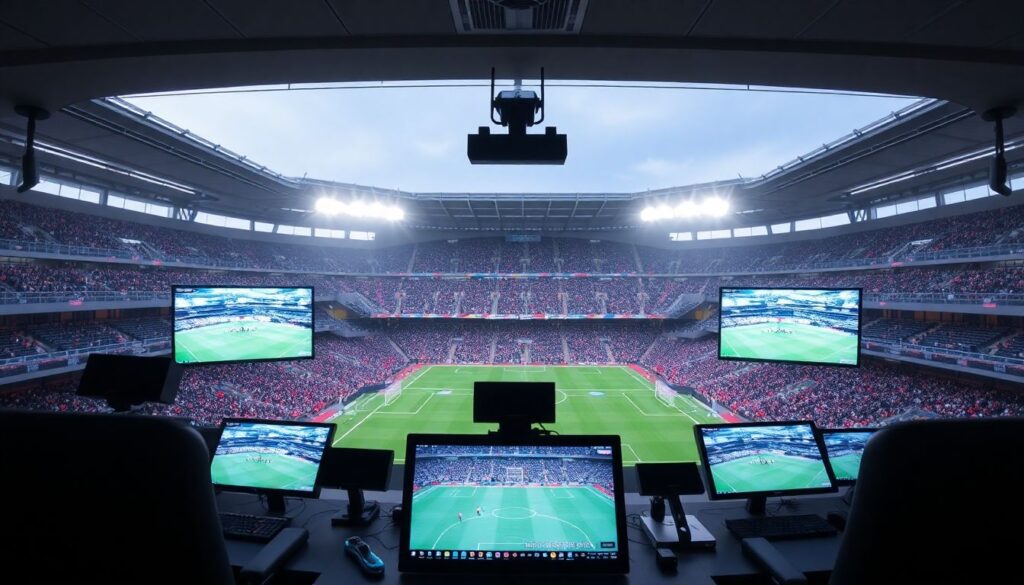
- Multiple camera angles: Incidents hidden from the main camera can be seen from alternative views, reducing blind spots in the penalty area.
- Objective offside lines: Calibrated lines make tight offside decisions more consistent than the human eye, especially at high speed.
- Permanent video record: Post‑match analysis by the TFF and referee committees is more detailed, which helps training and future appointments.
- Support for new and younger referees: Less experienced officials benefit from having an experienced VAR colleague watching, lowering the cost of a single big mistake.
- Transparency for disciplinary bodies: Independent panels can review clear images when deciding on bans for violent conduct or serious fouls missed in real time.
Limitations and Frequent Operational Errors
- Incomplete camera coverage in some stadiums: Not every Süper Lig ground offers ideal angles or sufficient cameras, making certain incidents hard to judge clearly.
- Slow decision‑making: Long checks without visible progress create anger in the stands and on TV. A simple internal time‑limit for routine situations would avoid many of these frustrations.
- Poor audio communication: Misunderstandings between VAR and the referee can lead to wrong restarts or missed checks. Regular audio‑only training sessions would strengthen clarity and speed.
- Overuse of replays: Watching the same clip too many times at very slow speed makes contact look harsher than it is. A best practice is: first watch at normal speed, then confirm with one or two slow‑motion views.
- Lack of public explanation: When fans and media do not hear why a decision was made, they assume bias. Short, standardised post‑match explanations could reduce speculation.
- Inconsistent application of “clear and obvious”: Some VAR teams intervene on soft contact, others stay silent. Clear internal benchmarks and shared video libraries of good vs. bad interventions help align practice.
Reactions from Clubs, Players and Supporters: Case Studies
Reactions across Türkiye create constant pressure around VAR. Club statements, player interviews and fan groups often focus on the most emotional examples, while quiet, correct interventions receive little attention. This imbalance shapes the overall narrative about fairness and competence.
- Big‑club focus on flagship incidents: VAR decisions Galatasaray Fenerbahce Besiktas dominate headlines. A single controversial penalty or offside in these matches can set the tone for weeks, overshadowing many correctly judged situations in other games.
- Selective memory of mistakes: Supporters remember every negative VAR call against their team but quickly forget those that helped them. This cognitive bias fuels claims that the system is “always against us”.
- Public blaming instead of internal review: Some clubs immediately issue strong media statements after a defeat instead of calmly reviewing why the decision happened and how to adapt. This creates heat rather than solutions.
- Players adjusting behavior: Knowing that contact can be seen from many angles, defenders sometimes pull out of risky tackles, while attackers look for contact and then appeal strongly, trusting that replays will support them.
- Media amplification of marginal calls: Sports shows replay the same incident for hours, using different angles and opinions. This makes a single borderline decision feel like a systemic crisis in the league.
- Constructive club‑referee dialogue as a counter‑example: When clubs choose to engage privately with the TFF and referee bodies, provide clips, and ask for clarification instead of public attacks, understanding improves and similar errors are less likely to repeat.
Regulatory and Disciplinary Adjustments by the TFF
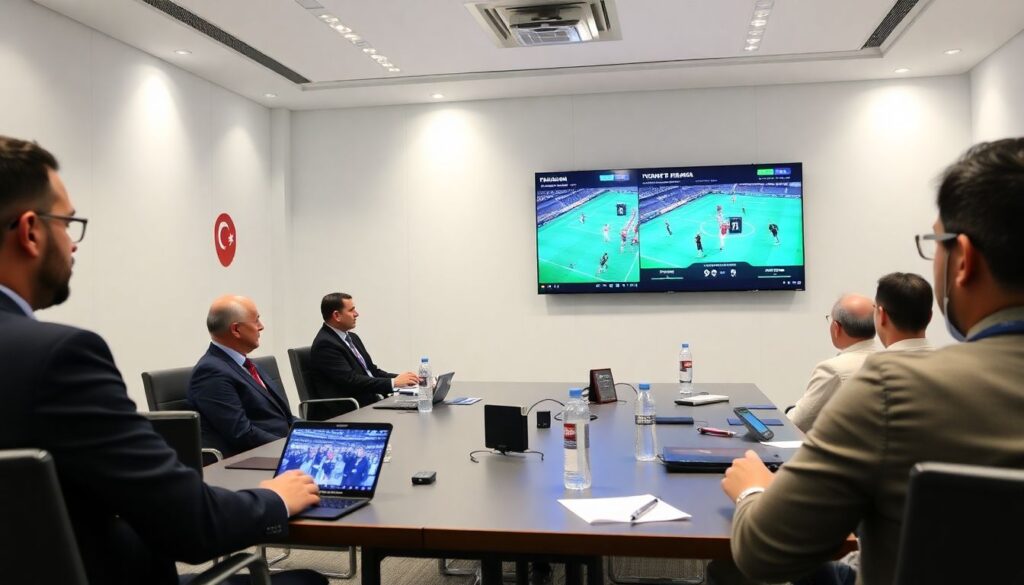
The Turkish Football Federation (TFF) had to adapt regulations, referee guidelines and disciplinary codes to integrate VAR. These changes aim to reduce Turkish Super Lig VAR mistakes by defining clear procedures for checks, reviews, communication and post‑match evaluation.
A simple pseudo‑sequence that reflects how TFF‑style protocol should work in a typical VAR situation is:
1. On‑field incident happens (goal, penalty area foul, red card, identity issue).
2. VAR silently checks all available angles while play is stopped or continues.
3. If VAR sees no clear error, play continues with minimal delay.
4. If VAR suspects a clear and obvious error:
   - VAR tells referee: "Recommend review - possible clear error, penalty/no penalty" (for example).
5. Referee chooses:
   - "On‑field review" at the pitch‑side monitor, or
   - "Change decision based on VAR info only" when factual (e.g., offside).
6. Referee announces final decision with clear signal and restarts play.
7. After the match, TFF review panel:
   - Logs incident,
   - Evaluates correctness,
   - Uses clip in future training if needed.
Each step offers a chance to avoid error: accurate initial decision, disciplined VAR check, concise communication and transparent post‑match review. When one step fails, controversy grows; when all seven are done well, VAR becomes a quiet tool rather than the centre of attention.
Quick Clarifications on Typical VAR Confusions
Does VAR review every foul and contact in a match?
No. VAR only intervenes in four areas: goals, penalties, direct red cards and mistaken identity. Most fouls in midfield or small contacts in the box stay with the on‑field referee’s judgment.
Why do some VAR checks in Türkiye take so long?
Checks become slow when angles are unclear, communication is messy or officials rewatch the incident too many times. A disciplined process with normal‑speed viewing first and limited slow‑motion replays keeps decisions faster and more consistent.
Is VAR biased against specific clubs in the Süper Lig?
Technology is neutral, but humans are not perfect. Perceived bias usually comes from high‑pressure matches, subjective laws and selective memory among fans rather than an intentional system against a club.
Can VAR fix a wrong yellow card decision?
Generally no. VAR can help with direct red cards and mistaken identity but does not review ordinary yellow cards. Only when a yellow should clearly be a red might VAR recommend a review.
Why are offside decisions with VAR still controversial?
Offside law is clear, but camera angles, frame selection and line drawing are complex. When margins are extremely small, any technical uncertainty makes fans feel that decisions are arbitrary even if the same method is applied every time.
What is the quickest way to reduce VAR controversy in Turkey?
Three steps help most: strict use of the “clear and obvious error” standard, faster and better‑structured checks, and short public explanations from officials or the TFF after critical decisions.
Will VAR ever remove all arguments from football?
No. Many laws remain subjective, especially handball and contact for penalties. VAR can correct clear errors but cannot make every fan or pundit agree with each decision.