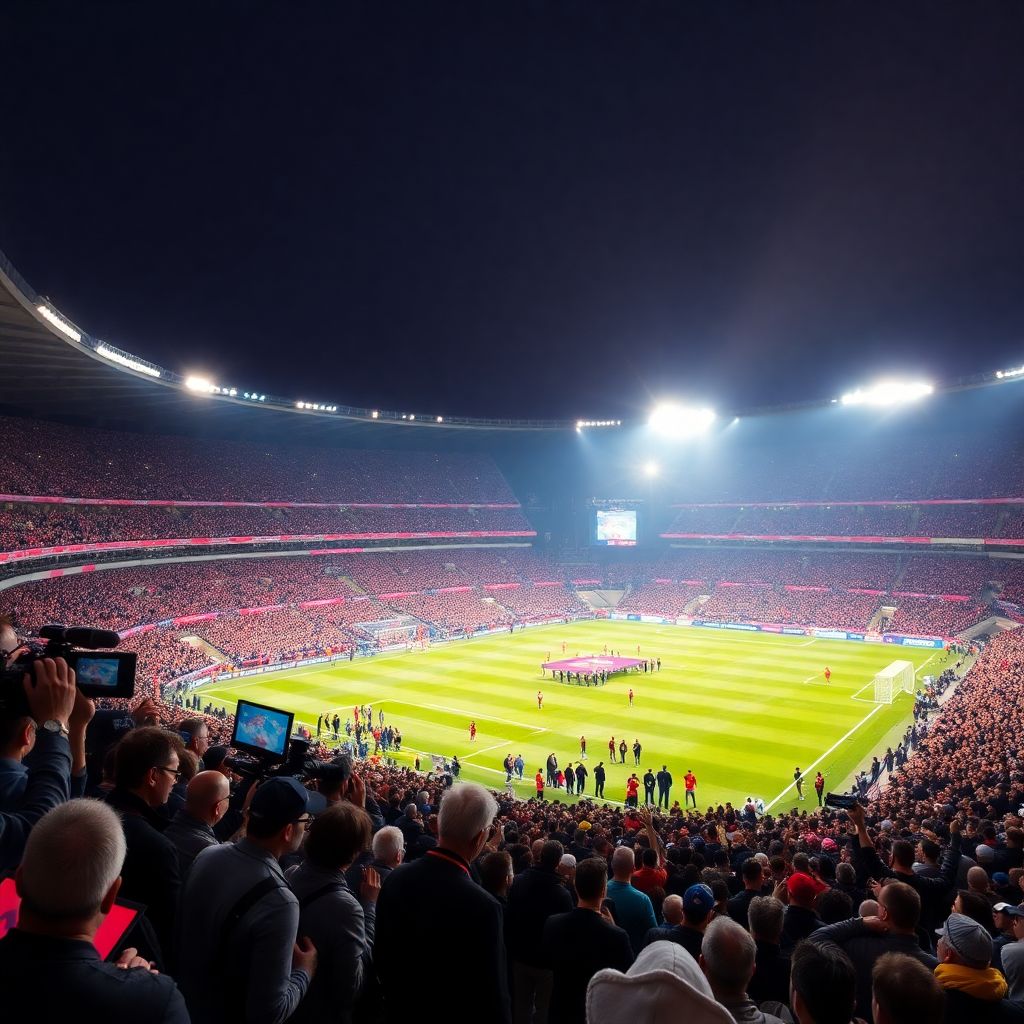
Turkey’s defining derbies are high‑intensity football rivalries, mainly between Istanbul’s “Big Three” (Galatasaray, Fenerbahçe, Beşiktaş) and challengers like Trabzonspor. They shape club identities, city politics and national culture, influence broadcasting and sponsorship, and attract international visitors whose matchday choices, media habits and spending now form a visible part of Turkey’s football economy.
Core insights on Turkey’s defining derbies
- Istanbul’s Big Three derbies are not just matches but recurring rituals that encode class, geography and political memory.
- Trabzonspor’s rivalries express regional resistance to Istanbul’s sporting and economic dominance.
- Chants, banners and stadium choreography turn terraces into arenas of identity negotiation.
- Derbies generate outsized media, ticketing and sponsorship value compared with regular league fixtures.
- Policing, regulation and fan‑led initiatives continually adapt to manage risk and reduce violence.
- For visitors, careful planning around tickets, transport and local customs is essential to experience derbies safely.
Istanbul’s Big Three: anatomy of an enduring rivalry
In Turkey, “derby” usually evokes Istanbul’s Big Three: Galatasaray, Fenerbahçe and Beşiktaş. Their rivalries predate the Republic and track the city’s expansion from imperial capital to megacity. Matches between these clubs are loaded with symbolism about neighborhood loyalties, class position, secular-religious tensions and attitudes to state power.
Galatasaray-Fenerbahçe is the flagship contest, splitting the city’s European and Asian sides and drawing global attention that makes Galatasaray Fenerbahce derby tickets a recurring obsession for locals and visitors. Beşiktaş’s derbies, anchored in working‑class roots around the Bosphorus, add a different tone, historically linked to street‑level political activism and fan solidarity across movements.
Sporting narratives overlay these social layers. Title races often hinge on derby results, and tactical choices in these games-risk‑taking attacks, high defensive lines, or conservative caution-are remembered for years. Individual players who perform decisively in derbies can redefine their club status, while coaches are frequently judged as much by derby records as by trophies.
For international fans on an Istanbul football derby tour Turkey, the Big Three derbies serve as a compressed introduction to Turkey’s modern history: imperial nostalgia, secular republicanism, religious resurgence and consumer culture all appear in songs, banners and pre‑match rituals around the stadiums.
Trabzonspor and Anatolian pride: regional rivalry beyond Istanbul
Outside Istanbul, Trabzonspor’s rivalries, especially with the Big Three, articulate Anatolian pride and a sense of marginalisation from Istanbul‑centric power. The club’s success has repeatedly challenged assumptions that top‑level Turkish football must be dominated from the Bosphorus.
- Geographic identity: Trabzon, on the Black Sea, is distant from Istanbul in both kilometres and mentality. Matches versus Galatasaray, Fenerbahçe and Beşiktaş are framed as centre vs periphery rather than just club vs club.
- Economic imbalance: Rivalries are animated by perceptions that Istanbul clubs benefit from bigger sponsorships, TV exposure and political networks. Victories over them are experienced locally as wins for fairer competition.
- Fan culture and masculinity: Black Sea toughness is central to Trabzon’s self‑image. Songs and banners emphasise courage and stubbornness in the face of perceived bias from referees, federation and media.
- Title races and disputed moments: Controversial decisions in league run‑ins-real or perceived-have cemented resentment and deepened the meaning of later encounters, turning league fixtures into emotionally charged “revenge” games.
- Political readings: For many supporters, beating Istanbul sides symbolises resisting a concentration of political and economic power, even when players and coaches avoid explicit political statements.
- National representation: When Trabzonspor succeed in Europe, local pride merges with a claim to represent an alternative Turkey-pious, provincial yet modern and competitive on a continental stage.
Derbies as social mirrors: politics, class and identity on the terraces
Derbies in Turkey function as social mirrors, where fans rehearse and contest wider cultural narratives. They provide a relatively protected space to express belonging, frustration and aspiration that might be constrained in everyday life.
- Class and neighbourhood belonging: Club identities still carry echoes of founding milieus-elite schools for Galatasaray, commercial middle classes for Fenerbahçe, port and service workers for Beşiktaş. Fans project or reject these identities in chants that mock perceived snobbery, nouveau riche attitudes or pretensions to authenticity.
- Secular-religious undercurrents: While official club lines avoid overt religious divisions, slogans and banners sometimes allude to secular pride, conservative values or national‑Islamic themes. Derbies become occasions where these orientations rub up against each other under the cover of football rivalry.
- Ethnic and regional tensions: References to Black Sea, Aegean, Anatolian or Kurdish backgrounds surface in fan songs and online banter. Derbies can both harden stereotypes and offer rare spaces of cross‑regional solidarity when fans unite against perceived external threats.
- Gender dynamics: Though male‑dominated, Turkish derby crowds increasingly include women and families. Responses to sexist chants, plus women’s own organised supporter groups, reveal how gender roles are being renegotiated on the terraces.
- Political protest and co‑optation: Major political events often echo in derby atmospheres-through silence, coordinated gestures, or subversive rewording of chants. At the same time, political actors sometimes try to harness club symbols, blurring lines between fandom and partisanship.
- Digital extensions: Social media continues the derby long after the final whistle. Memes, fan videos and live debates reproduce terrace hierarchies while also giving voice to alternative fan communities who may feel marginal in the physical stadium.
Stadiums and rituals: how matchday practices create collective memory
Derbies in Turkey are remembered not just for scorelines but for what happens before, during and after the match. Stadiums act as memory machines: every entrance gate, away end, and corner flag becomes associated with iconic moments, songs or confrontations passed down between generations of fans.
Rituals-marches to the ground, coordinated colour displays, shared songs in the metro, post‑match meetings at particular cafés-transform ordinary urban spaces into temporary territories. These repeated patterns allow fans to feel part of a longer story even when squads, coaches and stadiums change.
Benefits of derby rituals and stadium traditions
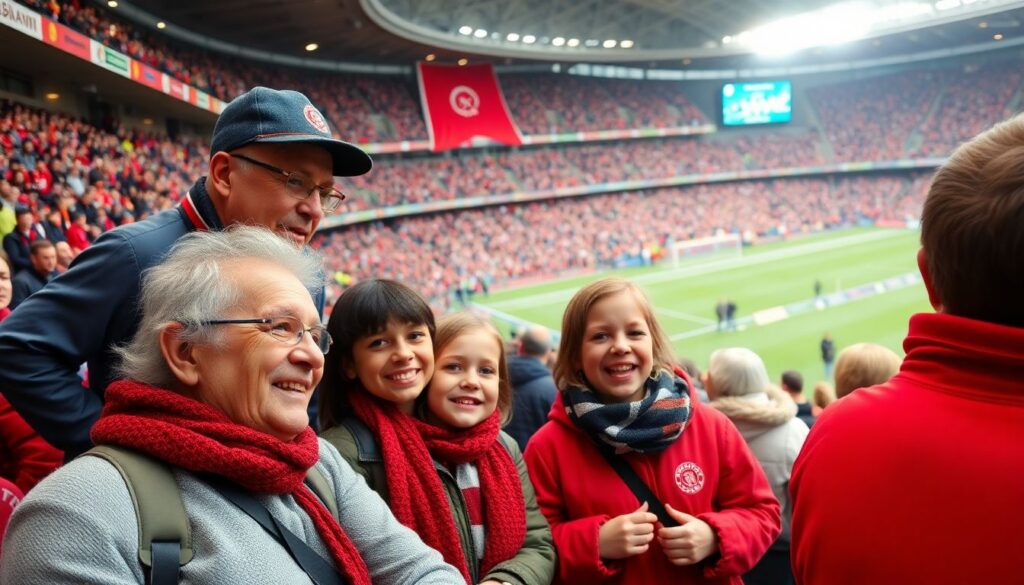
- Strengthen a sense of continuity for fans across generations, linking grandparents’ stories to grandchildren’s experiences.
- Help newcomers, including tourists using Turkey football travel packages Istanbul derbies, integrate quickly by giving them scripts for “how to behave” on matchday.
- Offer emotional release and community during economic hardship or political tension, reinforcing feelings of solidarity.
- Increase perceived home advantage, as choreographies and noise make stadiums intimidating for opponents.
- Create powerful visuals that attract TV cameras, sponsors and social media attention, amplifying club brands.
Limits and risks associated with derby rituals
- Some rituals can slip into exclusion, making stadiums feel unsafe or unwelcoming for women, children or visiting supporters.
- Boundary‑marking practices-hostile marches, pyrotechnics, aggressive chanting-may escalate into violence or heavy‑handed policing.
- Commercialisation of rituals (sponsored choreographies, pre‑packaged chants) can dilute authenticity and alienate core ultras.
- Strict regulations on banners or noise, often justified by safety, may flatten creative fan expression and memory‑making.
Economics of rivalry: broadcasting, sponsorship and the derby premium
Derbies carry a clear economic “premium” in Turkish football. They pull in bigger domestic and international audiences, drive merchandise sales and shape club‑sponsor negotiations. Yet several misunderstandings cloud how this value is created and who benefits from it.
- Myth: derbies are always profitable for clubs
Reality: Extra security, policing requirements and potential fines can erode matchday income. Shifts in kick‑off times for TV may also reduce ancillary revenue in local businesses around stadiums. - Myth: international fans only watch Big Three derbies
Reality: Growing interest in title‑deciding clashes involving Trabzonspor and other Anatolian clubs means broadcasters promoting where to watch Turkish Super Lig live streaming must highlight a broader set of high‑stakes fixtures. - Myth: merchandise demand peaks only on matchday
Reality: Online sales of Galatasaray Fenerbahce shirts buy online spike around transfer news, European campaigns and viral social media moments, not just before derbies. - Myth: sponsors pay for 90 minutes
Reality: Brands seek year‑round storytelling. Derbies are anchor events, but the emotional narratives-historic comebacks, rival fan friendships, community projects-are what sponsors leverage in advertising and activations. - Myth: higher broadcasting fees automatically strengthen competition
Reality: If derby‑driven income is concentrated in a few clubs, gaps may widen. Competitive balance depends on how league revenues are distributed and regulated, not solely on how much derbies attract.
Managing risk: violence, policing and regulatory responses to derbies
Risk management around Turkish derbies involves a moving balance between safety and atmosphere. Authorities, clubs and fan groups test different combinations of regulations, surveillance and self‑policing to contain violence without turning stadiums into sterile spaces.
Consider a high‑risk Galatasaray-Fenerbahçe match at a new stadium. Local authorities may adjust kick‑off time to daylight hours, restrict away allocations, and coordinate transport routes that separate fan flows. Clubs might negotiate with ultras to limit pyrotechnics in exchange for banner freedoms, while fan groups run campaigns promoting responsible behaviour under shared slogans.
Post‑match, data from CCTV, social media and police reports feed into league‑wide regulatory adjustments. These may include partial stand closures, targeted bans, or new rules on ticket sales. Over time, such iterative responses reshape how derbies look and sound, influencing who feels able to attend and how freely they can express passion.
Quick practical tips for engaging with Turkish derbies
- Plan tickets early: For major fixtures, especially when searching for Galatasaray Fenerbahce derby tickets, rely on official club channels or authorised partners; avoid last‑minute resellers in the street.
- Use structured travel offers: Reputable Turkey football travel packages Istanbul derbies can simplify stadium access, local transport and language barriers, particularly for first‑time visitors.
- Match your colours carefully: In Istanbul, neutral clothing or discreet club colours are safer when moving between rival neighbourhoods on derby day.
- Learn basic fan etiquette: Avoid filming ultras too closely, do not copy offensive chants you do not understand, and follow stewards’ instructions inside the ground.
- Prepare a viewing backup: If stadium access fails, identify in advance where to watch Turkish Super Lig live streaming legally in Turkey, or reliable sports bars aligned with your chosen club.
Self‑check: understanding Turkey’s derby impact
- Can you explain how Istanbul’s Big Three derbies reflect class, geography and political history?
- Do you understand why Trabzonspor’s rivalries symbolise Anatolian resistance to Istanbul’s dominance?
- Can you identify at least two ways stadium rituals build and limit collective memory?
- Are you clear on how derby economics extend beyond ticket sales to media and sponsorship narratives?
- Do you see how policing, regulation and fan self‑governance interact to manage derby‑day risk?
Practical queries about derby dynamics and impacts
Why are Istanbul’s Big Three derbies considered nationally defining?
They bring together Turkey’s largest fan bases, media audiences and political symbols in a single event. Results influence title races, shape public debate and often become reference points for how people remember specific years or political periods.
How do Turkish derbies differ from other European rivalries?
They combine European‑style club histories with strong regional, religious and political undercurrents specific to Turkey’s modernisation path. The split between Istanbul and Anatolia, and between different visions of national identity, is more central than in many Western European contexts.
Is it safe for foreign visitors to attend a major Turkish derby?
With basic precautions, most visitors experience derbies safely. Buying tickets through official channels, choosing seating away from ultras and following local advice on transport routes greatly reduces risk. Tension is intense, but most aggression is symbolic rather than physical.
How do derbies affect club finances in the long run?
They enhance media visibility, sponsorship leverage and merchandising potential, especially for globally recognised clubs. However, overdependence on derby income can be risky if sporting results dip or regulatory changes restrict high‑risk fixtures or crowd sizes.
What role do ultras play in shaping derby culture?
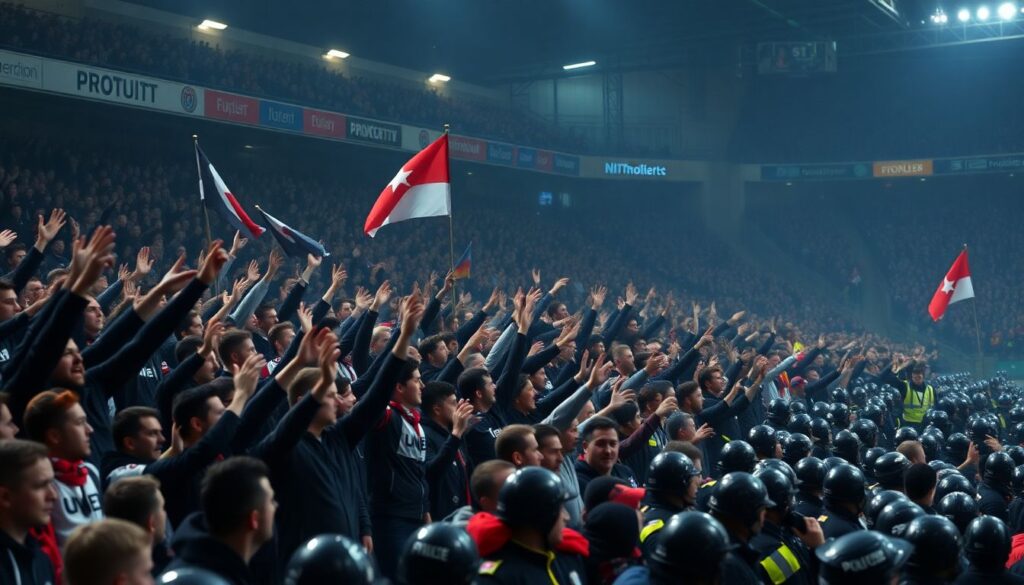
Ultras design choreographies, create chants, police fan norms and negotiate informally with clubs and authorities. They preserve tradition and atmosphere, but internal rivalries and occasional confrontations with police can also intensify risk around key matches.
Can derbies contribute positively to social cohesion?
Despite rivalry, derbies can foster cross‑class and cross‑regional bonds within each fan base and sometimes between them, especially after national tragedies. Joint tifos, charity initiatives and moments of shared silence show derbies can host solidarity as well as division.
How is digital media changing the experience of Turkish derbies?
Streaming, fan YouTube channels and social platforms extend derbies beyond the stadium. They amplify narratives, enable global participation and create new influencers, but also accelerate the spread of provocative content that can inflame tensions quickly.
Комментарии