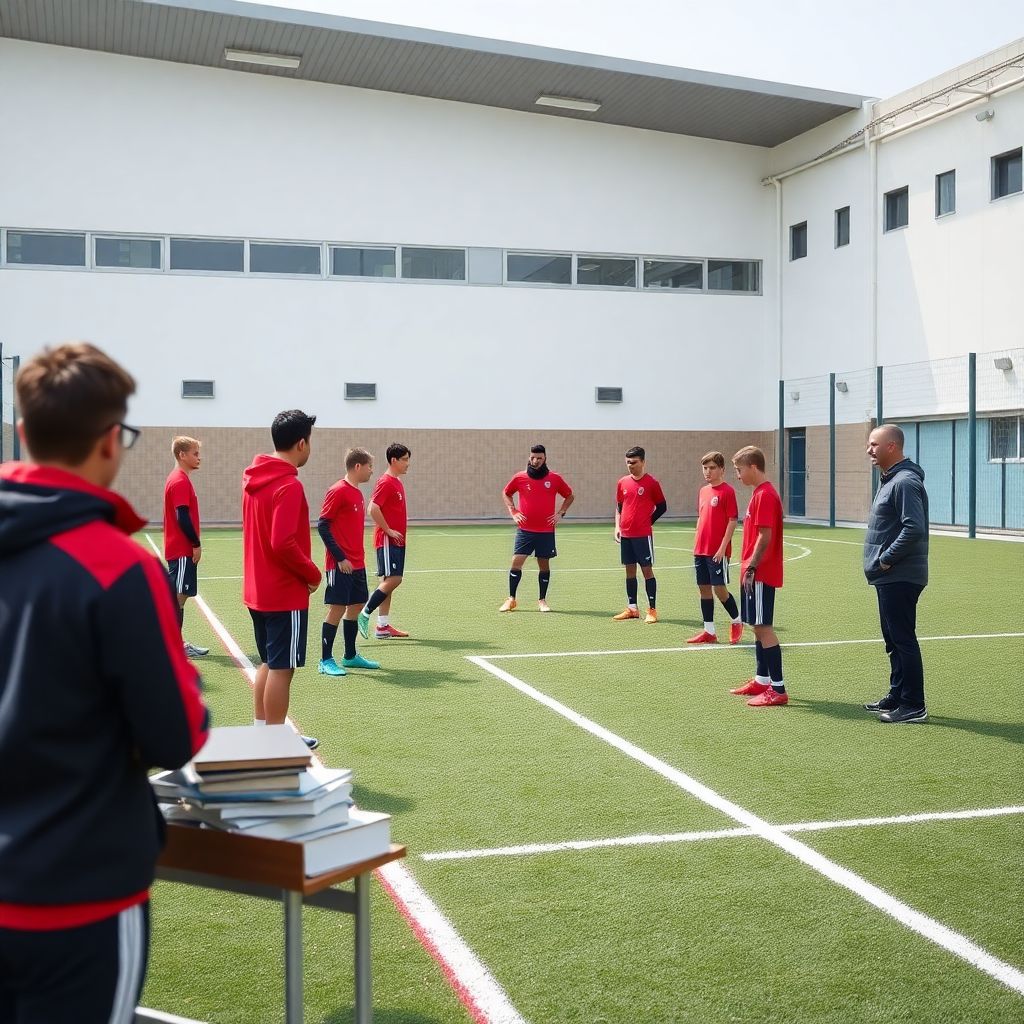
Turkey’s youth academies shape future football stars by combining early scouting, structured technical training, education support and gradual integration into professional squads. To use this model safely, focus on licensed coaches, age-appropriate workloads, clear contracts, and strong school partnerships. Parents, coaches and directors should insist on written policies for welfare, data protection and playing-time management.
Core lessons from Turkey’s youth development model
- Start organized training early, but limit weekly load and prioritize fun and coordination until puberty.
- Build regional scouting networks and open trials so smaller cities are not ignored.
- Use a written technical curriculum that aligns with long-term player development stages.
- Integrate medical, strength and sports science support, even at grassroots, at an age-appropriate level.
- Create clear pathways from academy to pro squads through B-teams, loans and transparent selection criteria.
- Protect education, mental health and child safety with strict safeguarding, not only performance targets.
Evolution of youth academies in Turkish football
Turkey football academies for youth moved from informal club schools to structured pathways controlled by federations and Süper Lig clubs. Today, professional clubs run U9-U19 squads, and many community academies act as feeders. This model suits players who want systematic development, not only weekend games.
You should not push a child into a fully professionalized environment if:
- The child is under 8 and still exploring different sports and interests.
- Travel time to training would damage school performance or sleep.
- The academy cannot show written child-protection and medical policies.
- Communication from staff is disrespectful or focuses only on transfer fees and contracts.
For clubs, building a formal academy makes sense when they can sustain qualified coaches, safe facilities and an educational partnership. If these basics are missing, cooperate with local schools and grassroots clubs instead of launching a badge-only “academy”.
Scouting and talent identification across regions
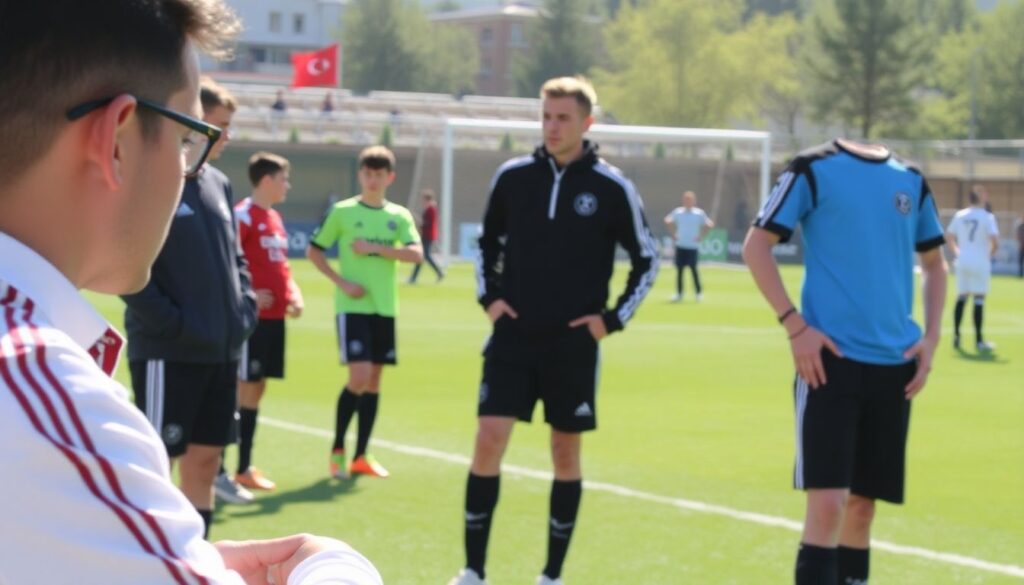
To run effective football scouting programs in turkey for young players, plan what you need before sending scouts to every regional tournament.
Core requirements and tools
- Clear age profiles and positional needs
- Define age bands (e.g. U10-U12 discovery, U13-U15 consolidation, U16-U19 professional preparation).
- Write simple profiles for each position: key physical, technical and psychological markers.
- Structured scouting coverage
- Assign regional scouts to specific provinces and amateur leagues so small clubs are not ignored.
- Use annual calendars for school tournaments, regional championships and turkey professional soccer training camps.
- Observation and data tools
- Standardized scouting forms (paper or digital) to rate technique, game intelligence, attitude and physical potential.
- Simple video capture (phone or tablet) with consent from parents and event organizers.
- Transparent trial process
- Written invitations that explain trial dates, insurance cover, no-fee policy and travel expectations.
- Minimum two-stage trials: open regional days, then closed selection at the academy.
- Safeguarding and compliance
- All scouts registered with the club and, where applicable, federation-approved.
- Codes of conduct banning direct gifts, promises of contracts, or private compensation to families.
- Community and school links
- Formal relationships with school sports teachers and amateur clubs who can recommend players.
- Information sessions that explain how to join football academy in turkey legitimately and safely.
Coaching philosophy and technical curriculum
An academy needs a consistent coaching model that any new coach can follow. Below is a safe, step-by-step way to build and run your curriculum in line with best football youth academies in turkey, adapted to your resources.
Risks and limits you must manage before implementing the steps
- Overtraining young players with too many weekly sessions or tournaments.
- Neglecting school and recovery because of late training hours or long trips.
- Copying adult tactical systems without adjusting to youth physical and cognitive levels.
- Using unlicensed or inexperienced coaches for critical age groups (10-14).
- Ignoring emotional and mental health, focusing only on selection and results.
- Define your playing identity and age-phase goals
Decide how your club wants to play and how that translates into measurable learning targets for each age. Keep it simple and realistic.
- U8-U11: ball mastery, 1v1, enjoyment; no complex tactics.
- U12-U15: positional basics, pressing triggers, combination play.
- U16-U19: game plans, opponent analysis, role-specific tasks.
- Map a season plan and weekly microcycles
Write a season-long plan with technical-tactical topics by week, then design microcycles that balance intensity, school load and match demands.
- Limit high-intensity days before exams or long travel.
- Rotate harder and lighter sessions to reduce injury risk.
- Standardize core technical drills
Create a library of age-appropriate exercises every coach must know. Use simple progressions and clear coaching points.
- Ball control and passing circuits with both feet.
- Opposed small-sided games (3v3, 4v4, 5v5) to train decision-making.
- Finishing from different angles and situations.
- Integrate safe physical development
Cooperate with strength coaches so physical work supports, not replaces, football training. Use bodyweight and coordination work at younger ages.
- Warm-ups with mobility, activation and movement skills.
- Gradual introduction of resistance training during and after growth spurts.
- Embed match analysis and feedback
Use simple video clips and statistics to teach, not to blame. Focus feedback on controllable behaviors and learning, not only on results.
- Limit analysis meetings to short, focused sessions.
- Use positive clips to build confidence alongside corrections.
- Ensure education and welfare support
Include school coordination, psychological support and nutrition guidance in the curriculum. This keeps youth safer and more balanced.
- Track school attendance and performance with parents’ consent.
- Offer periodic talks on social media use, gaming and sleep.
- Evaluate coaches and update the curriculum
Review training quality every term. Use internal workshops and mentoring to lift coaching standards instead of changing philosophy every season.
- Observe sessions and give structured feedback.
- Update the curriculum based on player progress and injury trends.
Strength, conditioning and sports science integration
Use this checklist to confirm that your physical and sports science program supports, rather than harms, young players.
- Every age group has a warm-up model that includes mobility, activation and football-specific movement.
- Workloads (training plus school PE plus matches) are monitored, at least with simple weekly logs.
- Growth and maturation are tracked, and loads are adjusted during growth spurts.
- Strength training for pre-teen players is bodyweight and technique-focused, supervised by qualified staff.
- Return-to-play decisions after injury involve both medical staff and coaches, and are documented.
- Hydration, nutrition and sleep basics are taught to players and reinforced with parents.
- Testing (speed, endurance, strength) happens a few times per year, not every week, and results guide, not punish.
- Medical records and performance data are stored securely, with clear consent from parents or guardians.
- Communication channels exist so players can report pain, fatigue or mental stress without fear of losing their place.
- External turkey professional soccer training camps are checked for insurance, qualified staff and realistic schedules before players attend.
Bridging academies to pro squads: loans, contracts and transitions

Even strong academies lose talent at the final step. Avoid these common mistakes when moving players from youth to professional squads.
- Offering long contracts to unproven players without education or exit planning if they do not reach first team level.
- Sending young players on loans without clear playing-time guarantees or development objectives.
- Neglecting psychological support during transition, when players face selection pressure and new dressing-room dynamics.
- Blocking academy graduates with too many short-term foreign signings in the same positions.
- Failing to communicate honest pathways, causing families to chase unrealistic promises from other clubs or agents.
- Ignoring second-career planning (coaching, university, other roles) for those who leave without pro contracts.
- Using public criticism in media or social networks instead of private feedback when young players struggle.
- Rushing players back from injury for important matches, risking long-term damage.
Systemic risks: financing, education and player retention
Not every club can copy the financial model of the best football youth academies in turkey. When budgets or structures are limited, consider these safer alternatives.
- School-based football excellence programs
Partner with local schools to run daily training around class schedules. Clubs provide coaching support, schools provide facilities and educational stability.
- Regional development hubs shared by several clubs
Create one high-quality regional center instead of many weak academies. Share coaches, sports science staff and transport to keep standards high.
- Community club networks and satellite centers
Use smaller community teams as satellites that feed into a central academy. Offer coach education, a shared curriculum and regular talent ID festivals.
- Short-term development and assessment camps
For families exploring how to join football academy in turkey, host regulated holiday camps with clear pathways into teams, avoiding pressure or long contracts.
Practical questions from coaches, directors and parents
How should parents evaluate turkey football academies for youth before enrolling a child?
Check coaching licenses, training schedule, travel demands and written child-protection policies. Visit a session, talk to current parents and confirm there are no hidden “registration” or trial fees. Ensure the academy respects school commitments and provides realistic expectations.
What makes an academy one of the best football youth academies in turkey?
Top academies consistently graduate players to professional squads while protecting education and health. They have licensed coaches in every age group, a clear philosophy, strong scouting, medical support and transparent communication with families, not just impressive facilities or social media.
How do football scouting programs in turkey for young players avoid exploitation?
Serious programs register scouts, ban cash promises, and never ask families for money to guarantee contracts. They communicate through clubs and schools, offer written trial information, and keep selection decisions within a committee, not one person.
Are turkey professional soccer training camps useful or mostly marketing?
Camps can be useful if they are age-appropriate, not overloaded with daily sessions, and staffed by qualified coaches. They should explain objectives clearly: development, not instant contracts. Avoid camps that promise guaranteed transfers or trials for a fee.
What is a safe weekly training load for academy players who also attend school?

There is no single number, but you should balance football with school and rest. Limit late-evening sessions, monitor fatigue, and coordinate with school PE. If grades, mood or sleep decline, reduce training intensity and volume, even if the player resists.
How can smaller clubs in Turkey keep talented players instead of losing them for free?
Invest in good coaching and transparent pathways so families see value in staying. Use clear local agreements with bigger clubs about training compensation and shared development centers. Build trust by communicating honestly about opportunities and limits.
What is the safest way for a family to explore how to join football academy in turkey?
Start with local club academies and school teams, then attend official trials advertised by recognized clubs or federations. Avoid intermediaries who ask for money to “arrange” contracts, and always keep written records of any agreement or scholarship.