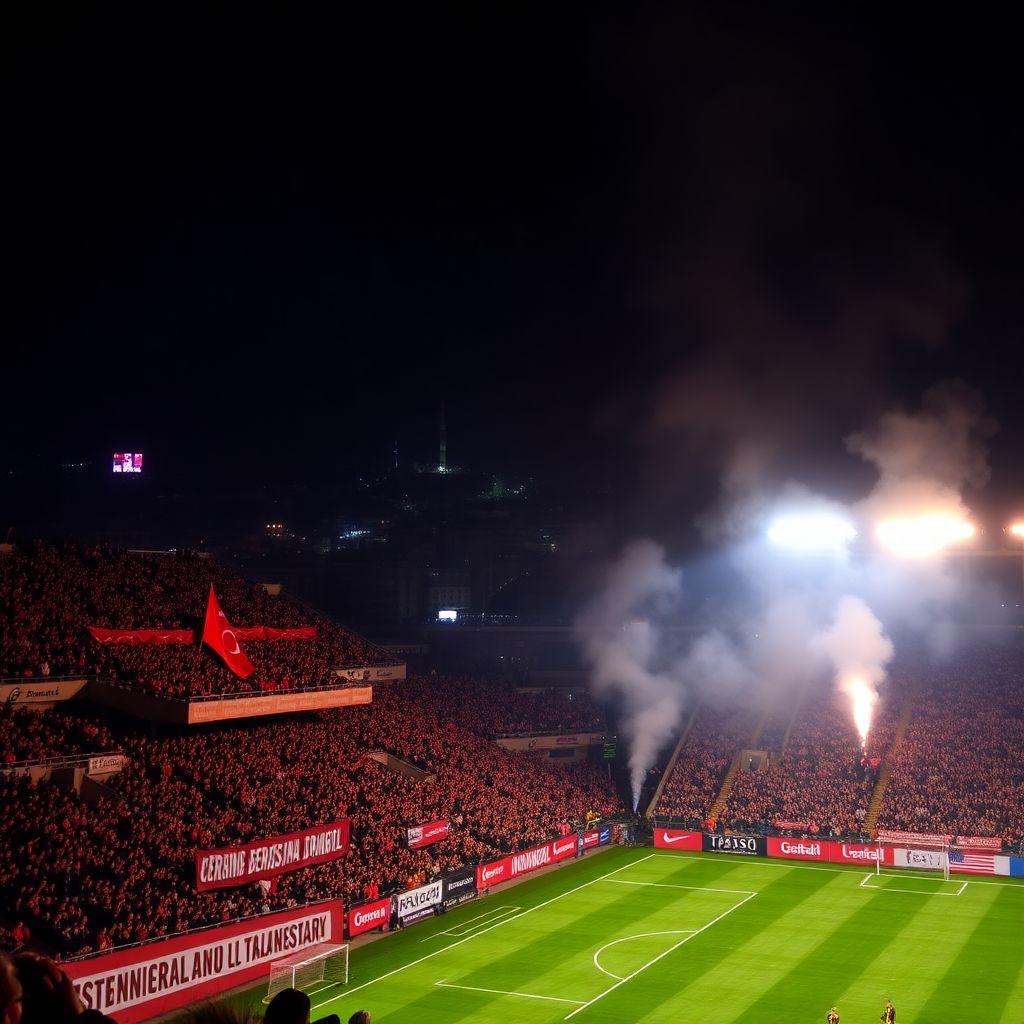
Turkish fan culture stands out for its ultra-intense atmosphere, political echoes, and everyday integration into city life, especially in Istanbul. Compared with Western Europe, South America, and East Asia, Turkey offers louder choreography, more collective identity, and relatively affordable access, but also higher emotional volatility and more complex club-state-ultra relationships to understand and navigate.
Core Distinctions in Turkish Fan Culture
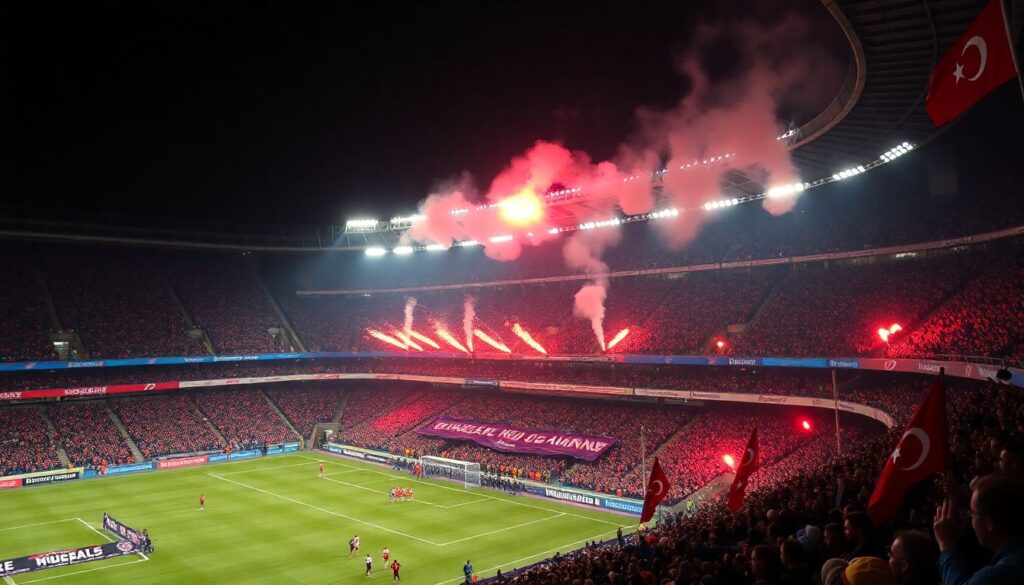
- Stadium atmosphere in Turkey is unusually loud, continuous, and coordinated, especially in big-city derbies.
- Club identity is tightly woven with urban neighbourhoods, education, and class history.
- Ultras hold significant informal power in matchday choreography and sometimes in club politics.
- Rivalries such as Galatasaray-Fenerbahce and Besiktas-Fenerbahce structure the entire season.
- Commercialization coexists with strong informal economies around tickets, travel, and merchandise.
- Digital platforms amplify fan voices and connect Turkish diasporas to home-club culture.
- For budget-conscious visitors, Turkey offers intense top-level football at comparatively accessible costs.
Historical Roots and Political Echoes Shaping Fan Identity
Comparing Turkish fan culture with other regions works best if you examine a consistent set of criteria. The following angles help you decide whether to prioritize Turkey or another region for research, travel, or strategic planning.
- Urban and neighbourhood identity: How closely are clubs tied to specific districts, social classes, or professional groups?
- State-club relations: To what extent have governments and municipalities used clubs as soft-power tools?
- Student and youth movements: How much did universities and youth groups contribute to early fan organization and protest styles?
- Military and national history: Are chants, banners, or colours linked to wars, national struggles, or founding myths?
- Party politics and ideological labels: Do fan groups carry clear left/right, secular/religious, or nationalist identities, as some Turkish ultras have at different times?
- Economic transformation: How did privatization, media rights, and sponsor money reshape fan-club relationships across decades?
- Migration and diaspora flows: How have large expatriate communities influenced match attendance and fan narratives, particularly for Turkish clubs in Europe?
- Legal framework and policing traditions: Are crowd-control laws and policing styles historically confrontational or cooperative?
- Role of historic derbies: How much does one central rivalry, such as the Istanbul derbies, define national fan culture versus a broader set of local rivalries?
Turkey vs Western Europe: Historical Snapshot
- Clubs like Galatasaray and Fenerbahce grew out of distinct educational and social milieus in Istanbul.
- State influence has fluctuated, with phases of tighter oversight and more autonomy.
- Derbies doubled as stages for wider political and cultural tensions.
- Compared with Western Europe, fan groups in Turkey historically retained more direct influence over club atmospheres.
Turkey vs South America: Historical Snapshot
- Both regions share strong city- and neighbourhood-based club identities.
- Militarized political histories have shaped stadium security and fan-police relations.
- Ultras/torsidas developed as enduring youth subcultures.
- Turkey’s European and Asian positioning adds additional identity layers to fan narratives.
Matchday Rituals, Chants, and the Anatomy of Stadium Atmosphere
On matchday, Turkish stadiums are among the loudest and most coordinated globally. To compare fan cultures, consider what kind of live experience and budget you have, especially if you are looking at Istanbul football match tour packages versus trips to other regions.
| Variant | For whom | Pros | Cons | When to choose |
|---|---|---|---|---|
| Turkey (Süper Lig, Istanbul derbies) | Fans wanting ultra-intense noise, choreography, and strong local flavour on a mid-range budget | Continuous chanting, elaborate tifos, accessible football tickets Turkey, strong community feeling, easy integration with city tourism | Emotionally volatile, higher tension around high-risk derbies, language barrier for nuanced chants | Choose when you want a high-impact experience and can plan dates flexibly around derby schedules. |
| Western Europe (England, Germany, Spain) | Spectators valuing tradition, infrastructure, and comfort over constant ultra-style noise | Well-organized logistics, family-friendly options, clear transport, varied ticket categories | High prices in top leagues, quieter crowds in some corporate sections, more regulated tifo culture | Choose when comfort, safety perception, and broader tourist appeal outrank ultra-intensity. |
| South America (Argentina, Brazil) | Experienced fans seeking raw passion comparable to, or exceeding, Turkish derbies | Iconic songs, carnival-style stands, deep local traditions, very distinctive visual culture | Complex security environment, less predictable logistics, language challenges for many visitors | Choose when you want maximal emotional intensity and are comfortable managing higher uncertainty. |
| East Asia (Japan, South Korea) | Fans preferring choreographed support with strong orderliness and family suitability | Polite but lively chanting, excellent public transport, high safety perception, organized supporter groups | Lower average noise levels than Turkey or South America, less visible political content | Choose when you prioritise safety, predictability, and combining football with tech or pop-culture tourism. |
Turkey vs Western Europe: Matchday Micro-Comparison
- In Turkey, capo-led chants often run for long stretches without pause.
- Pyrotechnics and giant flags remain more visible, though regulated.
- In Western Europe, singing intensity varies strongly between league and club.
- Corporate seating dampens the atmosphere in some high-profile European stadiums.
Turkey vs South America: Matchday Micro-Comparison
- Both cultures favour drums, continuous singing, and banners that cover entire stands.
- Turkey’s mix of European and Middle Eastern musical elements makes chants distinctive.
- South American torsidas often control large sections with their own instrumentation.
- Security protocols differ but tension around historic derbies is similarly intense.
Organizational Forms: Ultras, Supporters’ Associations, and Informal Networks
Ultras and other organized groups shape whether Turkey or another region is the better choice for your project or visit. Use the following scenario-based guidance, with both budget and premium perspectives in mind.
- If you research grassroots political expression, then Turkish ultras and supporters’ associations offer rich material through banners, chants, and reactions to national events, often more explicit than in highly commercialized Western European leagues.
- If you plan a low-budget observation trip, then Turkey typically allows closer physical proximity to core groups at more accessible ticket prices than many top Western European clubs; build relationships in advance via social media rather than via official hospitality packages.
- If you aim for premium, low-risk hospitality, then Western Europe generally offers more standardized VIP products, while in Turkey you may need bespoke arrangements through clubs or trusted intermediaries to get both access and comfort.
- If your focus is digital fan communities, then Turkish groups on platforms like X, Instagram, and YouTube provide dense, highly active ecosystems, making Turkey a cost-effective “single-country laboratory” for transnational fan interactions.
- If you study informal economies, then Turkey’s street-level ecosystems around food, unofficial merchandising, and resale of Galatasaray Fenerbahce derby tickets give vivid examples, whereas some Western European contexts are more tightly regulated.
- If you design security or policing policies, then compare Turkish practice with South American crowd management, where organized groups frequently negotiate with authorities, to see contrasting approaches to managing influential ultras.
- If you design high-end tour products, then positioning Turkey as a “premium-intensity, mid-budget” option lets you stand out against both top-priced Western European clubs and more logistically challenging South American destinations.
Commercialization, Merchandising Practices, and Local Informal Economies
To choose where to focus your study or fan trip, use this quick selection checklist on merchandising and commercial structures.
- Clarify your spending level for gear: decide how much you want to allocate to official items versus local streetwear before you even look at Turkish football fan merchandise online or at physical stalls.
- Evaluate club-store ecosystems: in Turkey and Western Europe, visit official shops and stadium stores; in South America and East Asia, map how much sales shift to street vendors on matchdays.
- Compare online availability: test how easy it is to buy Turkish Süper Lig jerseys online from your location versus buying shirts from European, South American, or East Asian clubs.
- Observe informal economies: in Istanbul, walk the routes between metro stops and stadiums to understand how vendors, food stalls, and ticket resellers shape the fan experience and price perceptions.
- Rate sponsorship visibility: record how heavily kits, stands, and concourses are branded; Turkey often shows dense sponsor presence that still coexists with strong fan-generated visual culture.
- Check resale and package markets: compare how much value-added content tour agencies provide in different regions, especially when bundling Istanbul football match tour packages with city trips, versus similar packages around European or South American clubs.
- Assess ethical comfort: in every region, consider counterfeits, labour conditions, and the impact of high-priced official products on local fan access when choosing which market to prioritize.
Media, Social Platforms, Transnational Links and Diaspora Influence
Misjudging media and diaspora dynamics can easily distort comparisons between Turkey and the rest of the world. Avoid these common pitfalls when choosing your focal region or designing a project.
- Confusing loud social media debates with total fan opinion; Turkish online spaces can be particularly intense and do not always mirror stadium sentiment.
- Ignoring the Turkish diaspora’s role in sustaining club narratives abroad, especially in Europe, which can make Turkish fan content seem more globally dominant than purely domestic figures would suggest.
- Underestimating language barriers and relying solely on English-language coverage, which often simplifies local political nuances embedded in chants and banners.
- Assuming that high social-media follower counts equal high stadium attendance; some clubs punch above their offline weight online.
- Overlooking local media ecosystems, including fan-run YouTube channels and podcasts, which are particularly vibrant around Turkish big clubs.
- Projecting Western European norms of journalism and regulation onto Turkish sports media, where relationships between clubs, broadcasters, and pundits may work differently.
- Neglecting time zones and broadcast windows, which affect how global audiences experience live games from Turkey versus South America or East Asia.
- Failing to distinguish between authentic fan media and influencer or betting-driven content, which can be especially confusing for outsiders.
- Assuming that digital-native younger fans are less attached to local clubs; in Turkey, online culture often reinforces, rather than dilutes, local loyalties.
Comparative Metrics: Attendance, Security Incidents, and Fan Spending
Without relying on specific figures, you can still compare broad patterns and low-cost intervention options across regions.
| Region | Attendance pattern | Security climate | Typical fan spending level | Budget-first improvement idea |
|---|---|---|---|---|
| Turkey | Strong for big-city derbies and major clubs, more variable elsewhere | High emotional energy, with carefully managed high-risk fixtures | Mid-range overall, often good value relative to atmosphere intensity | Invest in fan-led visual culture and communication with ultras, which costs less than large infrastructure projects. |
| Western Europe | Consistently solid in top leagues, more mixed in lower tiers | Generally stable, with strict regulatory frameworks | Often high in elite leagues, with premium hospitality segments | Target youth and local-community sections to keep access open despite rising prices. |
| South America | Highly passionate local bases, sensitive to economic conditions | Intense around big matches, with diverse local practices | Varied, often constrained by local economic realities | Strengthen low-cost community events on non-matchdays to deepen loyalty. |
| East Asia | Growing interest, with strengths in certain urban centres | Perception of high order and safety | Moderate, with growing merchandising segments | Use family-focused promotions and school partnerships rather than expensive stadium overhauls. |
Overall, Turkey is often the best choice if you want maximal atmosphere per unit of cost and travel time, especially in Istanbul. Western Europe suits premium comfort and predictable logistics, South America suits ultra-high passion for experienced travellers, and East Asia suits safety-focused, family-friendly exploration.
Practical Questions Researchers and Planners Ask
Is Turkey the best first destination for experiencing intense fan culture on a budget?
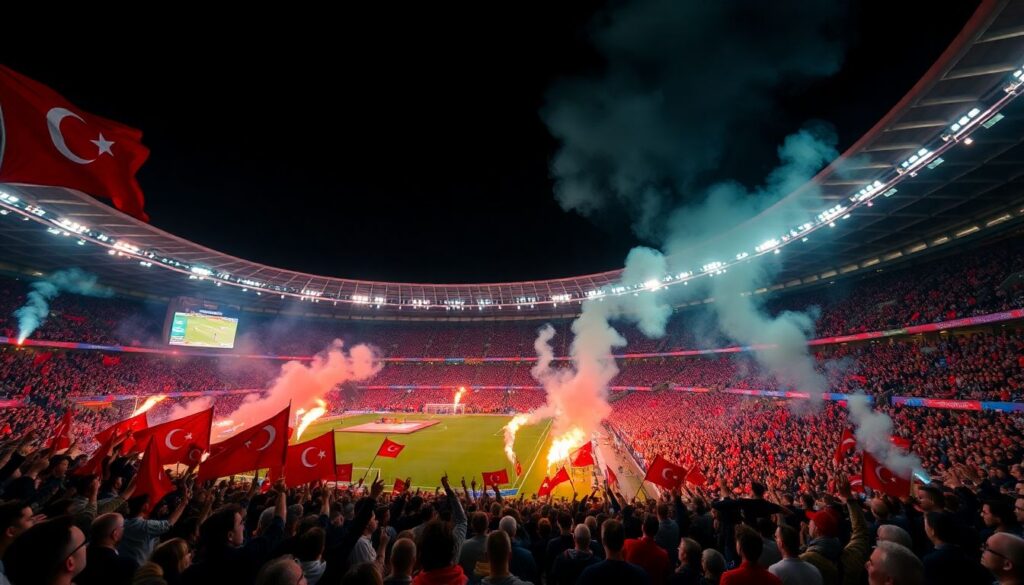
For many visitors, yes. Turkey combines elite-level football, strong ultras culture, and relatively accessible prices, especially outside the most hyped derbies. You still need to plan around fixture lists and choose matches that balance intensity and logistical comfort.
How hard is it to get Galatasaray Fenerbahce derby tickets safely?
High-profile derby tickets are in very high demand and often subject to local registration requirements. For safety and reliability, work through official club channels, verified partners, or established Istanbul football match tour packages rather than last-minute street offers.
Can I rely mostly on buying Turkish football fan merchandise online?
You can source a wide range of official and unofficial items online, including club shirts and scarves. However, in-stadium and street vendors in Istanbul add unique designs and local context, so combining online and on-the-ground purchases gives a fuller picture.
How does the Turkish matchday experience compare with English Premier League games?
Turkish big-club games usually feel louder and more collectively choreographed, particularly in singing sections. Premier League matches may offer smoother logistics, English-language signage, and polished hospitality, but sometimes with a more tourist-heavy crowd and quieter atmosphere.
Is Turkey suitable for family-oriented football trips?
Yes, if you choose fixtures carefully. Regular league games against mid-table opponents often provide a lively but manageable atmosphere. For families, avoid the most heated derbies and opt for clubs with modern stadiums and clear public transport links.
Where should researchers start if they want to compare Turkish and South American fan cultures?
Begin with desk research on club histories, ultras, and policing frameworks, then design field visits around two or three comparable rivalries. Focus on matchday routines, informal economies, and fan media channels rather than trying to cover too many clubs at once.
Are organized fan groups open to foreign researchers and visitors?
Experiences vary by club and group, but many Turkish fans are proud to showcase their culture. Approach respectfully, use social media to introduce yourself beforehand, and be transparent about your goals to build trust.
Комментарии