Sean Dyche has brushed off growing speculation linking him with the Tottenham job, responding to the rumours with a joke and a clear denial. While pressure continues to mount on current Spurs boss Igor Tudor after a poor run of results, Dyche insists there has been no contact with the London club – and he chose a humorous way to make that point.
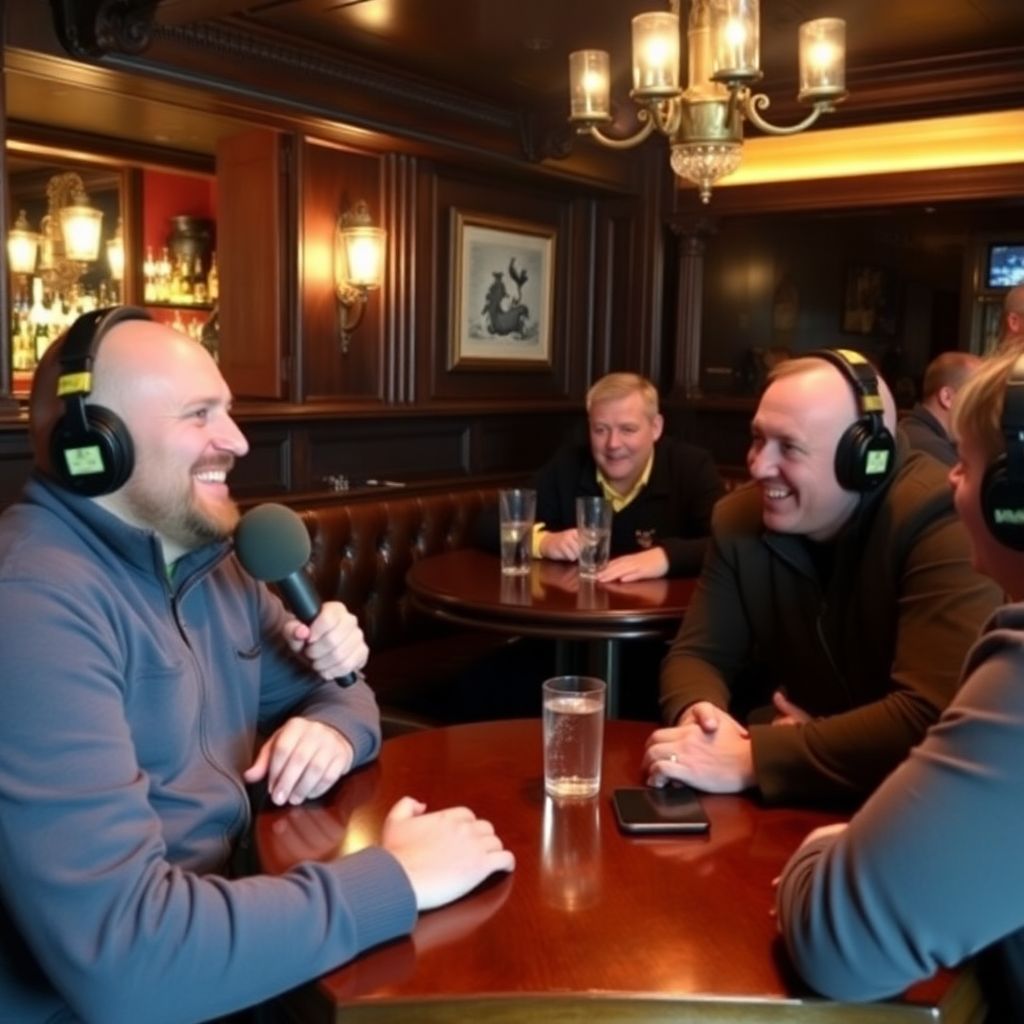
The experienced English coach explained that the story about him negotiating with Tottenham simply does not match reality. According to Dyche, when the rumours began to circulate, he was nowhere near a boardroom or training ground. Instead, he was sitting in a London bar with friends, enjoying a quiet evening.
Speaking to British radio, Dyche recounted the moment he first heard the claim that he was in talks with Spurs. As he tells it, someone next to him turned and said he had seen reports Dyche was speaking with Tottenham about taking over. The coach replied with a laugh, pointing out that he was clearly in the bar at that moment, having a drink, which hardly fit the image of secret negotiations with a Premier League club.
With that anecdote, Dyche used humour to underline his main message: the reports are not true. He stressed that the stories did not reflect what was actually happening and that there were no advanced talks or hidden meetings behind the scenes. For now, the supposed discussions exist only in the imagination of those following the rumour mill.
The timing of the speculation is no coincidence. Tottenham’s form has dipped sharply in recent weeks, and that slump has left Tudor under intense scrutiny. The London side has suffered five defeats in its last seven matches, a sequence that has not only frustrated supporters but also put the team’s position in the league table in serious danger. Each setback has fuelled further debate over whether a change in the dugout is inevitable.
Against that backdrop, any out-of-work, high-profile manager is naturally going to be mentioned as a possible successor, and Dyche fits that description. The 54‑year‑old coach was dismissed by Nottingham Forest last month, bringing an end to his most recent spell in Premier League management. With his future now open, many observers quickly slid his name into the list of potential replacements should Tottenham decide to act.
Dyche himself is fully aware of how the industry works. He admitted that questions about his next job, and rumours connecting him with various clubs, are simply part of life for a manager between roles. Whenever a big club struggles, the same names tend to reappear, and he understands why his has been thrown into the conversation.
At the same time, Dyche was careful to show respect for Tottenham as an institution. He described Spurs as a “big and fantastic club,” and acknowledged that it is flattering for any coach to be mentioned alongside such an organisation. Being associated with a side of that stature, he noted, is in itself a kind of recognition of his work over the years in English football.
However, Dyche also underlined the difficulty managers face in these situations. Whatever they say about rumours can easily be twisted or overinterpreted. If they dismiss the links too strongly, some will suggest they are hiding something. If they leave the door slightly open, others will claim a deal is all but done. Dyche hinted that this is why he tries to keep his answers light and measured, using humour to cut through the noise.
Despite his clear denial, the uncertainty at Tottenham remains. Tudor’s future is still up in the air, and every poor result intensifies talk around the manager’s chair. For now, the Croatian coach continues to lead the team, but questions about whether he will finish the season – or even the month – in charge persist.
From the club’s perspective, such speculation can be both a problem and a tool. On one hand, constant rumours about potential successors can undermine the authority of the current coach and unsettle the dressing room. On the other, floating names like Dyche’s in the media creates a sense that the board has options and is prepared to act if results do not improve.
For Dyche, being in this conversation reflects his established reputation in the Premier League. Over the years he has carved out an image as a pragmatic, resilient manager who can organise a team, maximise limited resources and bring stability in difficult environments. Those qualities naturally appeal to clubs that feel they are drifting or lack a clear identity on the pitch.
His departure from Nottingham Forest, therefore, is not seen as a stain on his résumé so much as the latest twist in a volatile profession. Coaching at the top level is notoriously unforgiving: a short sequence of bad results or disagreements over long-term strategy can be enough to end even a seemingly solid project. Dyche appears ready to turn that page and consider his next opportunity, but insists Tottenham is not currently one of them.
The dynamic between Tudor and the Tottenham hierarchy will be crucial in the coming weeks. If the team manages to reverse its form, climb the table and show a clearer playing style, the urgency around a managerial change may fade. Should the slump continue, however, the board will come under growing pressure to intervene, and the list of possible replacements – whether realistic or not – will lengthen.
It is also worth noting how quickly modern football transforms speculation into apparent certainty. A single report suggesting talks “could” take place can swiftly become “talks are ongoing” in the public imagination. Dyche’s bar anecdote is a reminder of how far removed such stories can be from reality, and how easily everyday moments are ignored when people would rather picture dramatic negotiations behind closed doors.
For Tottenham supporters, the immediate concern is not who might be next in the technical area, but how the current situation can be stabilised. A run of five defeats in seven games not only dents confidence but also raises questions about tactics, squad harmony and recruitment. Any decision about the manager, whether to stay the course with Tudor or to turn to someone like Dyche in the future, will ultimately be judged by how well it addresses those fundamental issues.
In the meantime, Dyche remains on the sidelines of the Premier League, watching events unfold while keeping himself open to future challenges. He clearly respects Tottenham, he clearly understands why his name is in the mix, and he just as clearly insists that, for now, the supposed talks are nothing more than talk. His playful response from a London bar may not stop the rumours entirely, but it leaves little doubt about the current state of affairs.
As long as results at Spurs continue to disappoint, the club will find itself at the centre of managerial debates, with figures like Dyche regularly drawn into the discussion. For the English coach, the key is to balance professional interest in top jobs with honesty and a touch of humour – and, above all, to let actual opportunities, not headlines, define the next step in his career.