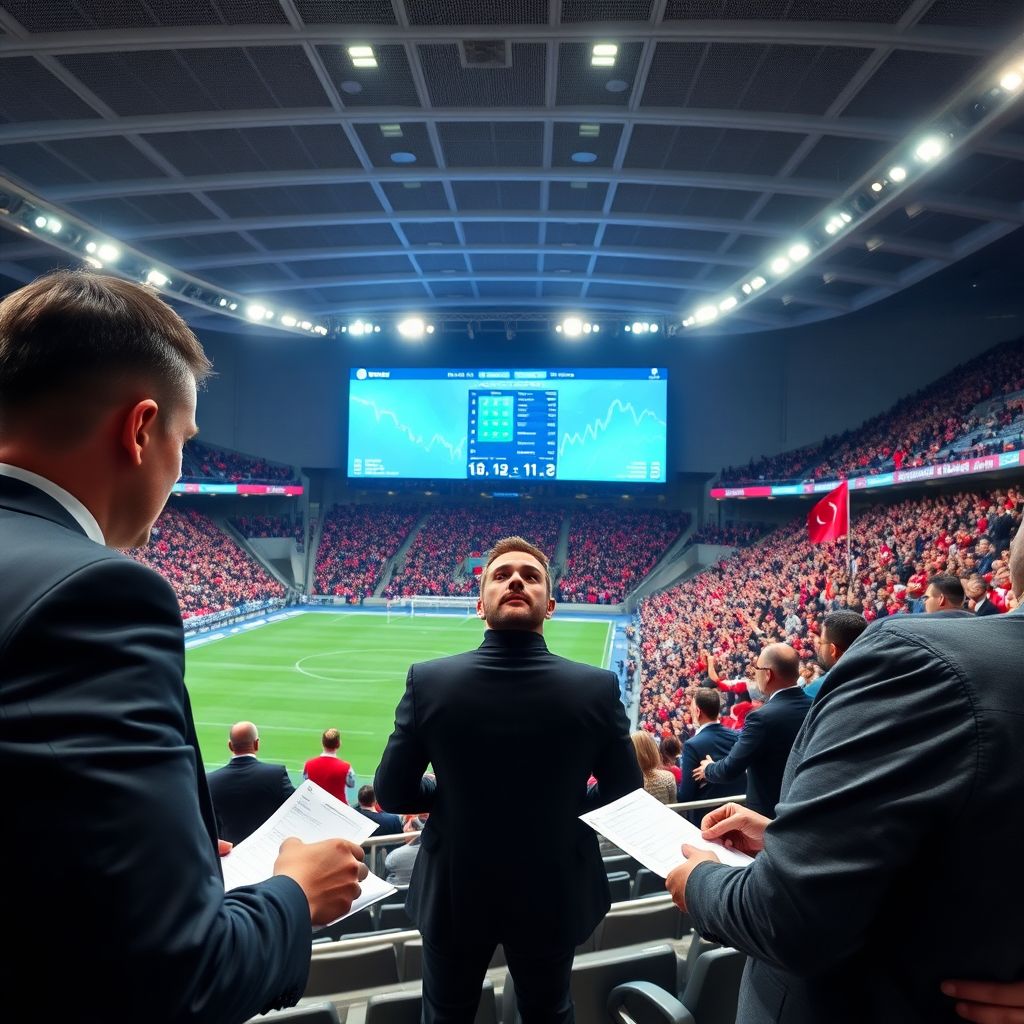
Turkish clubs can absolutely reclaim a strong place in European competitions, but only with a coordinated reset in finance, coaching, recruitment, and tactics aligned to UEFA realities. The priority is shifting from short‑term heroics to stable, data‑driven planning, while using fan passion, matchday revenues, and broadcasting demand as levers rather than distractions.
Strategic Summary for Turkish Clubs’ European Revival
- Stabilise club finances and governance first; sporting success cannot out-run structural chaos for long.
- Rebuild academies and coaching education so local players can execute modern European game models.
- Modernise tactics for high-intensity pressing, compact defending, and structured build-up against varied UEFA opponents.
- Create a data-driven transfer and wage model that prioritises resale value and contract control.
- Use European matchdays, from Turkish football tickets for European competitions to digital content, as engines for sustainable revenue.
- Define clear short‑term (2-3 year) and long‑term (5+ year) KPIs linked to UEFA rankings and club profitability.
Historical Performance: Assessing Turkish Clubs’ Trajectory in UEFA Competitions
Historically, Turkish clubs have oscillated between memorable European runs and long periods of underperformance. Understanding that trajectory is essential: it shows what is possible when structures work, and how quickly competitive position is lost when domestic priorities replace long-term planning.
Peaks often came when a club combined an experienced foreign core with a strong Turkish spine and a clear tactical identity. Declines usually followed overspending on aging stars, frequent coaching changes, and ignoring squad renewal. The question is no longer whether a one-off run is possible, but whether consistent quarter-final level competitiveness can be rebuilt.
Today, even when demand for Galatasaray Champions League tickets or Fenerbahce Europa League tickets remains high, the sporting product has to justify that interest. Fans are ready; the structures behind the teams must catch up to modern European benchmarks in fitness, data use, and squad planning.
Actionable steps based on historic lessons
- Study internal history: identify seasons where the club reached European spring rounds, and document what was structurally different (age profile, wage bill balance, continuity of coach).
- Benchmark against similar-sized European clubs that have maintained consistent UEFA group-stage participation.
- Separate luck from repeatable processes: one-off comebacks are inspiring but not a model; sustainable patterns are.
- Turn standout campaigns into templates: codify what worked in preparation, travel, rotation, and recruitment.
Key KPIs: minimum target of consistent group-stage qualification, average points per European match over rolling three seasons, and proportion of minutes played by club-developed players in UEFA fixtures.
Structural Constraints: Finance, Governance and Domestic League Calibration
Structural constraints are the off-pitch mechanisms that either enable or suffocate European ambitions. For Turkish clubs, these are typically unstable finances, politicised governance, and a domestic league schedule and refereeing culture that is misaligned with UEFA demands.
- Financial discipline and transparency
- Implement multi-year budgets tied to realistic European participation assumptions, not best-case scenarios.
- Use independent audits and publish summarised financial reports to members and fans.
- Cap the wage bill as a percentage of recurring revenues (league, UEFA, commercial), excluding transfers.
- Professional club governance
- Separate political or short-term election interests from football operations via strong sporting directors.
- Establish clear decision-making processes for hiring/firing coaches and approving transfers.
- Build continuity: define a club game model that survives presidential and board changes.
- Domestic league and calendar alignment
- Advocate for fixture planning that supports European weeks: travel distances, pitch quality, rest days.
- Invest collectively in refereeing, VAR, and disciplinary standards closer to UEFA expectations.
- Coordinate winter break and mid-season training to prepare for European knockout stages.
- Commercial structure tied to performance
- Link bonuses of executives and coaches to European outcomes and financial health, not just domestic titles.
- Use the appetite for Besiktas European away travel packages to create predictable, contract-based revenue.
- Monetise broadcasting and digital rights, including options to watch Turkish clubs in European competitions live stream on official channels.
Mini-scenarios of structural change in practice
- A club elects a new board but keeps the sporting director and head coach, following a pre-agreed three-year European plan instead of tearing everything down.
- League and clubs jointly agree on pitch standards for all stadia hosting UEFA-bound teams and co-finance improvements.
- UEFA revenues from one successful season are ring-fenced for infrastructure (training ground, analytics staff) instead of short-term transfers.
Key KPIs: net debt trajectory, wage-to-revenue ratio, coaching and sporting director tenure length, and share of UEFA income invested in long-term assets.
Sporting Foundations: Youth Academies, Coaching Standards and Player Pathways
Sporting foundations are the human and technical base that underpins any European campaign. For Turkish clubs, the central challenge is transforming raw local talent and passionate coaching into European-level intensity, decision-making, and tactical flexibility.
- Modernising youth academies
- Standardise playing philosophy from U13 to first team, with clear principles in and out of possession.
- Integrate physical conditioning and nutrition programs that match European age-group benchmarks.
- Use mixed squads and loan strategies to expose top talents to competitive minutes by age 18-20.
- Elevating coaching education
- Encourage and fund UEFA coaching licences for academy and B-team staff.
- Run regular internal workshops reviewing recent European matches of Turkish clubs and elite teams.
- Pair local coaches with experienced foreign assistants who bring different tactical perspectives.
- Building clear player pathways
- Define position-specific pathways: what a right-back or holding midfielder must master at each age group.
- Use the second team or strategic partner clubs domestically and abroad for transitional phases.
- Set appearance milestones: by 21, top prospects should have a minimum target of professional minutes.
- Aligning foundations with fan and market demand
- Market homegrown stars alongside foreign signings on European matchdays and ticket campaigns.
- Offer packages where buying Galatasaray Champions League tickets also promotes academy projects.
Key KPIs: number of academy graduates in European matchday squads, minutes played by local players in UEFA games, and coaching staff licence levels across the club.
Tactical Modernization: Adapting Styles to European Opponents
Tactical modernization means shifting from a league-dominant style to a flexible, opponent-aware approach. Turkish clubs must operate comfortably both as favourites at home and underdogs away against higher-budget European teams.
Competitive advantages of modernizing tactics
- Ability to press high against weaker opponents and drop into a compact block against elite sides in the same competition.
- Improved defensive distances and rest-defence, reducing exposure to counterattacks after losing the ball.
- More effective use of technical attacking players through structured build-up and positional play.
- Better in-game management: planned changes of intensity, pressing triggers, and formation switches.
- Greater predictability for recruitment, as roles on the pitch align with specific profiles in the transfer market.
Limitations and risks to manage
- Transition period: players may initially struggle with more complex tactical instructions and higher physical demands.
- Coaches require time and board protection to implement new models; impatience resets the process.
- Mismatch between domestic refereeing tolerance and UEFA standards can lead to unexpected cards and suspensions.
- Over-copying foreign models without adapting to local player characteristics can harm performance.
Key KPIs: expected goals for and against in European matches, number of high-intensity runs per player, and goals conceded from transition situations.
Transfer and Recruitment Blueprint: Data-Driven Signings and Contract Management
A data-driven recruitment blueprint is the filter that ensures each signing increases European competitiveness instead of just generating excitement. Misjudged transfers and weak contract management are major reasons Turkish clubs lose ground after promising European seasons.
- Myth: big-name stars always raise European level
- Reality: older stars without current physical level or tactical discipline can harm European performance.
- Action: prioritise players proven in conferences like Europa League and Conference League over past-the-peak superstars.
- Myth: short contracts reduce risk
- Reality: one-year deals give almost no resale value and are hard to integrate into medium-term planning.
- Action: sign core players on contracts long enough to cover at least one full UEFA cycle.
- Myth: domestic league form is the best predictor of European output
- Reality: some players dominate slow, physical leagues but struggle in high-tempo, pressing-oriented European games.
- Action: emphasise athleticism, decision speed, and pressing data when scouting for European roles.
- Error: undervaluing squad role players
- Reality: rotations and specialists for specific opponents are vital in group stages.
- Action: build a depth chart by position and role, identifying at least two reliable options for each key function.
- Error: reactive, deadline-day decision-making
- Reality: last-minute signings often ignore tactical fit and wage structure.
- Action: lock target lists by early summer, using clear selection criteria tied to the club game model.
Key KPIs: percentage of minutes played by players signed in last three windows, net transfer balance, average contract length for core players, and share of squad with European competition experience.
Implementation Roadmap: Short-Term Interventions and Long-Term Success Metrics
Turning these ideas into reality requires a staged roadmap. Clubs need quick wins to stabilise performance and build belief, while committing to structural changes that may take several seasons to deliver consistent European results.
Phase 1: First 12-18 months (stabilise and prepare)
- Appoint or confirm a sporting director with a clear mandate for European-focused planning.
- Audit squad, contracts, and finances; define a three-year wage and transfer budget corridor.
- Agree on a club game model, then hire or back a head coach whose methods align with it.
- Introduce basic data and video analysis into weekly preparation for European-style opponents.
- Upgrade minimum infrastructure: training pitches, GPS tracking, nutrition, and recovery facilities.
Phase 2: Years 2-3 (compete consistently)
- Target stable participation in European group stages, even if initially via qualifiers.
- Shift minutes towards players who can maintain European tempo and intensity.
- Integrate at least two academy graduates into the European matchday squad each season.
- Develop commercial products around European nights, including Turkish football tickets for European competitions and premium hospitality.
Phase 3: Years 4-5 and beyond (consolidate and grow)
- Aim for regular progression beyond group stages and occasional deep runs as proof of concept.
- Turn European exposure into global brand building, including controlled rights for fans who want to watch Turkish clubs in European competitions live stream.
- Use proven success to negotiate better sponsorships and invest further in academies and analytics.
Mini-case: building around a European identity
Consider a club that commits to a high-pressing, transition-based identity suitable for Europa League and Conference League opponents. It recruits younger, mobile midfielders, extends contracts of tactically intelligent defenders, and sells one star to finance infrastructure. Within a few seasons, it becomes a regular in European group stages and occasionally reaches knockout rounds.
Key KPIs across phases: UEFA coefficient trend, annual net profit or controlled loss, share of revenue from European sources, and average European attendance and engagement (including travel and digital audiences).
Practical Questions and Clear Solutions for Clubs and Stakeholders
How quickly can a Turkish club realistically improve its European performance?
With discipline, clubs can stabilise results within one to two seasons through better fitness, tactics, and recruitment. Deep, consistent European runs usually require at least three to five seasons of aligned governance, coaching continuity, and smart squad building.
Do Turkish clubs need to sacrifice domestic titles to focus on Europe?
No. The key is squad depth and rotation, not abandoning the league. Planning training loads, using data to manage minutes, and building two players per position allow clubs to fight for domestic trophies while increasing European competitiveness.
How important are fans and ticketing in a European revival strategy?
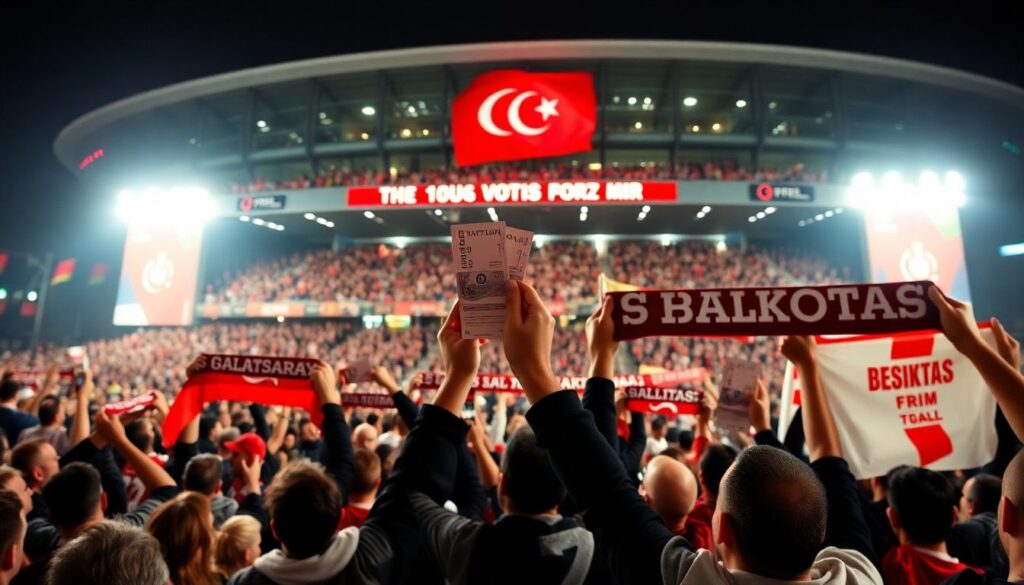
Very important, but as part of a wider plan. Demand for assets like Galatasaray Champions League tickets or Besiktas European away travel packages must be channelled into predictable revenue and atmosphere advantages, not into pressure for unsustainable transfer spending.
What should be the first step for a financially stressed club?
Freeze further damage: stop high-wage, low-resale signings and perform a full audit of contracts and debts. Then create a three-year financial plan that prioritises wage control, youth integration, and at least one strategic sale to ease pressure.
Is copying a successful European club model a good idea?
Copying directly is risky. The better approach is to study two or three suitable benchmarks, extract principles that fit Turkish realities, and adapt them to local player types, fan culture, and financial constraints.
How should clubs evaluate coaches for European suitability?
Look beyond domestic results. Assess how their teams perform in big matches, their pressing and defensive structure, willingness to use analysis, and track record with young players. Interviews should focus on specific game plans against typical European opponents.
What role can broadcasters and digital platforms play in this revival?
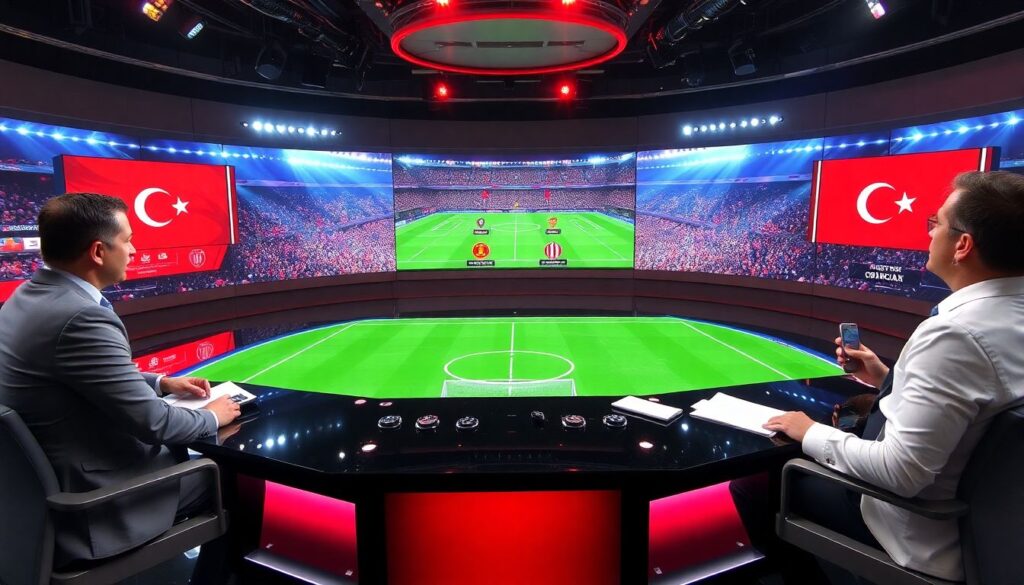
Broadcasters can provide stable income and global exposure by packaging European matches attractively. Digital platforms, especially for those who want to watch Turkish clubs in European competitions live stream, expand the audience and improve commercial leverage when negotiating sponsorships.
Комментарии