
Why Turkish coaching is changing right now
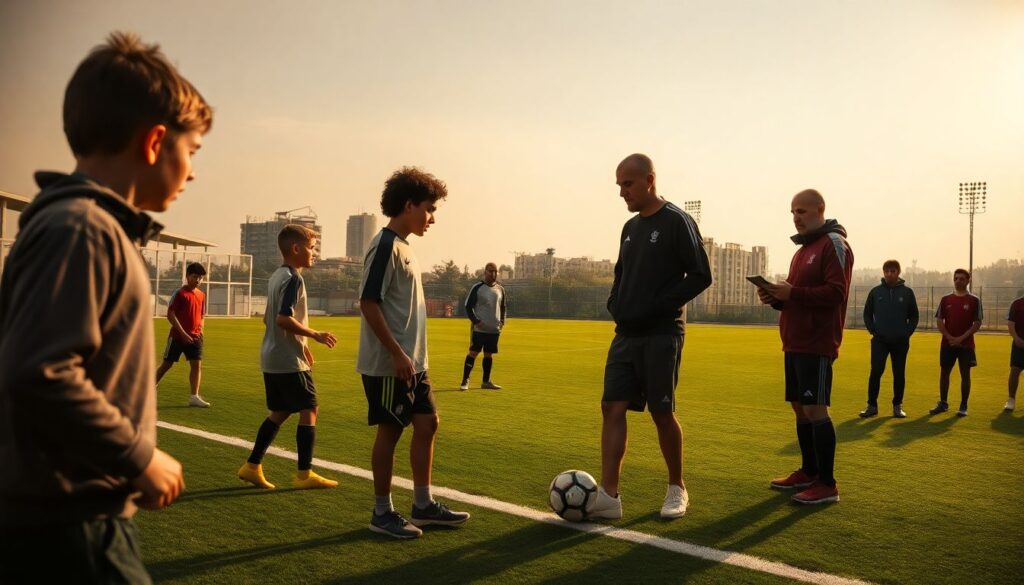
If you talk to coaches across Turkey today, from dusty school pitches in Diyarbakır to the training fields of Istanbul giants, they’ll tell you the same thing: the old “run more, shout louder” model is cracking. Results still matter, but clubs are realising that yelling from the touchline doesn’t build modern players. The new wave of coaching philosophies in Turkish football appeared when young coaches started coming back from football coaching courses in Turkey and abroad, asking uncomfortable questions: Why do we lose technically to smaller nations? Why do our wonderkids peak at 21 and stall? That friction between habit and innovation is exactly where the new ideas are being born, and it’s reshaping everyday training, not just PowerPoint presentations at seminars.
Grassroots: from lines and laps to problem-solving sessions
At grassroots level, the clash is especially visible. Traditional coaches still love long queues, static drills and laps around the pitch “for discipline.” A new group prefers short, intense games where kids constantly make decisions: 3v2s, positional rondos, small-sided tournaments where the score matters, but learning matters more. One academy coach in Izmir split his U12 group: half trained with classic patterns, half with game-based sessions for a full season. The second group didn’t just score more; parents reported kids rewatching games, talking tactics, even drawing their own drills. His hidden trick was simple: every exercise ended with a question, not a speech – “What could you try differently?” That tiny coaching choice pushes responsibility onto the player and quietly rewires the whole environment.
Academies: data vs “feel” and the new hybrid model
Inside Turkish football academy programs, the big debate is between data-driven structures and the coach’s “eye test.” Some clubs adopted foreign periodisation models wholesale: GPS vests, rigid workload charts, imported terminology. Others stick to the “ben böyle gördüm” philosophy, relying almost entirely on intuition. The most effective academies are now running a hybrid: they use data to set a safe physical framework, then give coaches freedom inside it to be creative. A real case from a Süper Lig club: the U17 staff noticed GPS showing chronic fatigue in their winger, while the head coach insisted “he looks fine.” Instead of choosing sides, they redesigned his week – one full rest day, one “invisible load” day with only decision-making games at low intensity. Result: his sprint numbers improved, but more importantly, his dribbling success jumped because he was fresher mentally. The lesson for coaches: use data as guardrails, not as a script.
Licenses, courses and what they don’t tell you
Many young coaches see the UEFA coaching license Turkey pathway as a magic door to big clubs. It does open doors, but the emerging philosophy is that the license is only step one, not the product. Instructors increasingly emphasise reflective practice: post-session diaries, video self-analysis, peer feedback. What the official curriculum rarely says out loud is that your competitive advantage isn’t just knowledge; it’s your ability to translate that knowledge into local reality. A clever workaround some coaches use: after every module of a course, they immediately “stress-test” it in a low-stakes environment – a school team, a futsal group, even mixed-age street sessions. They quickly see which concepts survive outside the classroom. If you’re aiming for professional football coach jobs in Turkey, this “test and adapt” habit quietly separates the ones who can handle a real dressing room from the ones who only know the book answers.
Elite level: command-and-control vs co-created leadership
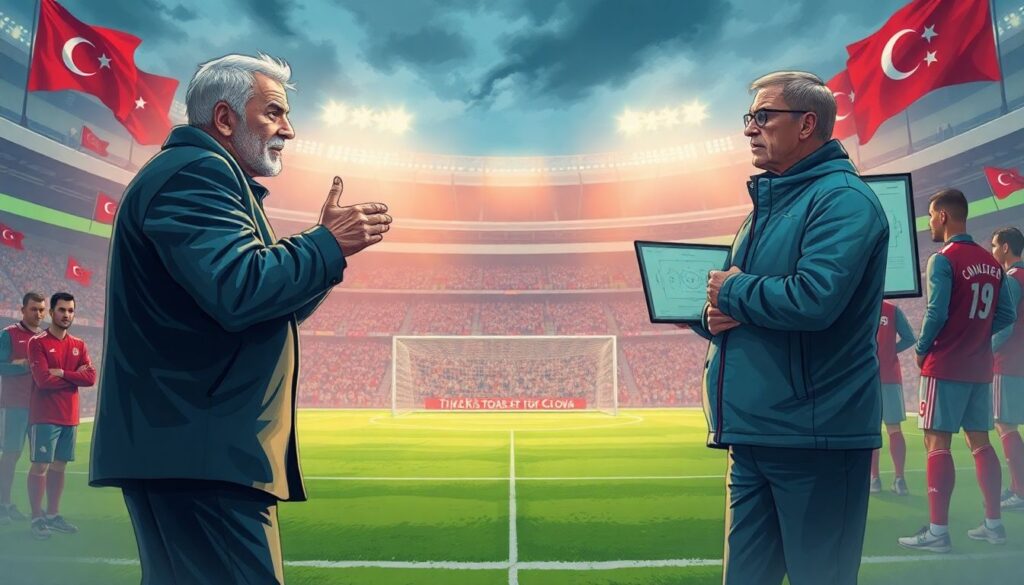
At the top level, Turkish football still loves the strong, charismatic manager who controls everything. That old-school approach brings short-term energy but often burns out squads by March. The emerging philosophy suggests a shift from commander to architect. Instead of micro-managing, the coach designs clear frameworks, then lets senior players run many details inside them. One Süper Lig side experimented by creating a “player tactics group” of four leaders. They met weekly with staff, co-designed pressing triggers and even set some training themes. The coach still had veto power, but players owned the plan. When results dipped, instead of blaming the coach, the group adjusted the strategy themselves. Non-obvious benefit: the head coach reduced emotional firefighting and focused on scenario-planning for big games. For professionals, the lifehack is to treat tactical meetings as workshops, not lectures – ask players to propose specific adjustments, then refine, not replace, their ideas.
Youth camps: short-term showcase vs long-term learning

Youth football coaching camps Turkey used to be glorified talent shows: a lot of matches, little teaching, and scouts circling like sharks. Newer camps are experimenting with a learning-first model. One Antalya camp ran a radical experiment: every afternoon was “player lab time.” Kids watched their morning clips on tablets, then had a 10‑minute 1:1 with a coach to design one micro-goal for the next game – “break the line with your first touch twice,” for example. Scouts still watched, but with context. Interestingly, some less flashy players stood out because their improvements were obvious day by day. This approach also solves a classic Turkish problem: players who are afraid to make mistakes when spotted by big clubs. When error is framed as data for the next micro-goal, risk-taking returns naturally. For coaches, the key takeaway is to build visible learning cycles even in short camps, not just accumulate matches.
Alternative training methods that actually work locally
Imported trends like positional play and periodisation often fail because they’re copied, not translated. A few innovative Turkish coaches are building culturally tuned alternatives. One Anatolian club uses futsal and street-soccer style games twice a week, not as “fun extras,” but as structured chaos to sharpen first touch and press-resistance. They film 4v4 games in tight spaces and tag situations where players escape pressure. Those clips then feed into 11v11 tactical sessions: “Remember this 4v4 pattern? Here’s the same solution against a mid-block.” Rather than fighting local habits, they weaponise them. Another underused tool is multi-sport work: a coach in Bursa teamed with a basketball club for shared agility sessions. His defenders improved timing in aerial duels because they borrowed rebounding techniques. The message: think partnership, not isolation – collaborate with other sports and neighbourhood groups instead of trying to be a one-man ecosystem.
Practical lifehacks for ambitious Turkish coaches
If you’re trying to stand out in a crowded market, here are some less obvious moves. First, treat informal learning as seriously as formal football coaching courses in Turkey: watch youth games from other countries and pause not just on goals, but on build-up patterns; take notes like you would in a seminar. Second, create your own “micro-database” of training responses: document which exercises wake up your players and which ones kill energy, then adjust your weekly rhythm around that, not around a generic template. Third, build horizontal networks. Many coaches chase big-name mentors; few invest in sincere peer groups that meet monthly online to swap session videos and failures. Finally, when aiming for professional football coach jobs in Turkey, bring a portfolio, not just a CV: session plans, match reports, development charts of two or three players you’ve improved. Club directors increasingly look for evidence of process, not only reputation.