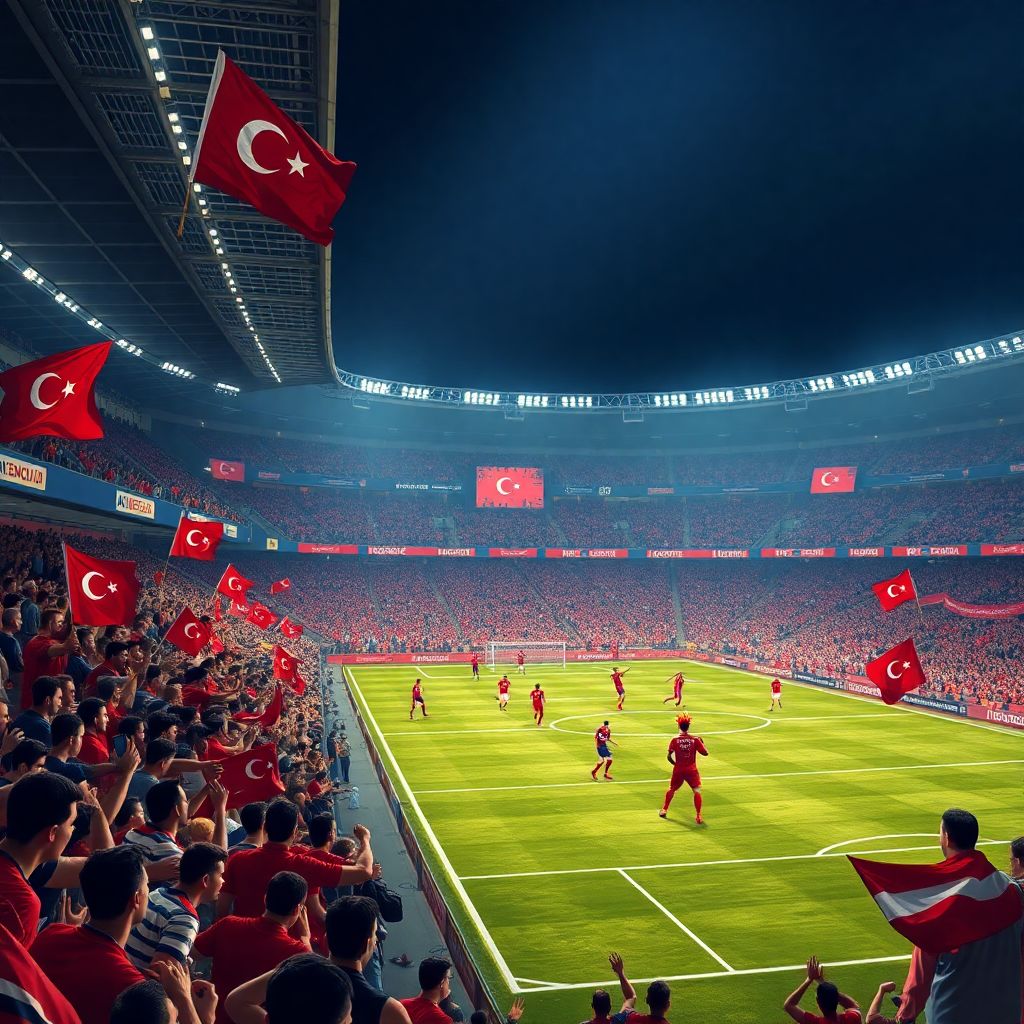
Why foreign player limits became such a big deal in Turkey
For more than two decades, debates about foreign player limits have acted like a mirror for Turkish football’s identity crisis. Every tweak to the rule – whether allowing eleven foreigners in the matchday squad or cutting it back down – has raised the same questions: are we a league that wants quick success with imported talent, or a system that patiently builds its own stars? By 2026, the issue is less about numbers on a team sheet and more about what kind of football culture the country wants to project to its own fans and to the world.
“Necessary tools”: what you need to really understand the debate
To unpack the role of foreign player limits, you need a few analytic “tools”, not a coaching board. First is historical context: knowing how Turkish clubs moved from conservative caps in the 1990s to far looser rules in the mid‑2010s, then back toward moderation. Second is data on minutes played by locals versus foreigners, youth academy output and European performances. Third is an eye on fan culture, from turkish super lig tickets demand to social media sentiment, because identity is written not just in regulations but in stadium chants and online arguments.
Step‑by‑step: how limits shaped Turkish football’s identity

The early 2000s were defined by caution. Limits were strict, and the narrative was simple: protect the local player. This fostered a sense that the league was a “national project”, but it also hid structural flaws. Clubs relied on experienced Turkish veterans, often ignoring tactical innovation. When the rules loosened around 2015, a flood of foreign players arrived, especially in attacking roles. Quality improved quickly, turkish super lig live streaming numbers climbed, and the league felt more cosmopolitan, yet fans began asking whether their own youngsters would ever get a real chance.
Golden imports, forgotten locals
The mid‑2010s produced some of the most watchable football Turkey had seen in years. Technical foreign playmakers and well‑traveled defenders raised standards, pushed training intensity and brought new tactical schemes. For the neutral fan, it was fun, and turkey super lig betting odds markets reflected the unpredictability created by constant squad turnover. But this imported sparkle carried a cost. Many homegrown players were stuck on the bench or loaned to lower divisions, and the national team pipeline weakened. The league’s identity tilted toward being a showcase for short‑term foreigners rather than a nursery for Turkish talent.
Clubs as identity factories, not just employers
By the early 2020s, the idea of the best turkish football clubs to support began to shift. Fans no longer chose purely based on trophies; they looked for a club whose foreign player strategy aligned with their values. Some big Istanbul sides leaned into being global brands, signing recognizable names and selling turkish football jerseys online shop merchandise abroad, accepting the criticism that local players might suffer. Others, especially in Anatolia, used tighter foreign quotas as a branding tool: “we develop our own”. The limit thus became a marketing and identity device, as much as a sporting rule.
How foreign limits actually work on the pitch
In practice, caps on foreign players influence three layers of identity. On the tactical level, coaches might prioritize foreigners in specialist positions – playmaker, goal‑scorer, ball‑playing centre‑back – and use locals in more functional roles. On the developmental level, academies adjust: if clubs know they cannot fill every position with imports, they target specific roles for local development. Finally, on the symbolic level, line‑ups loaded with domestic players create a feeling of “our boys” representing city and country, while foreign‑heavy squads lean into an entertainment, almost franchise‑style identity that some supporters embrace and others reject.
“Troubleshooting” the system: recurring problems and hidden risks
Every time Turkey changes the quota, the same problems pop up. First, clubs try to game the rule, signing foreigners with Turkish passports or pushing dual‑nationals through naturalisation, blurring the very boundary the limit was meant to protect. Second, rapid swings in policy create financial chaos: squads are built for one rule set, then suddenly become unbalanced when the federation shifts direction. Third, fan expectations clash with reality; supporters want both a strong national team and glamorous signings, and when results dip, foreign players become easy scapegoats, deepening polarization around the rule.
Fixing development without hiding behind numbers
A common mistake is treating the foreign player cap as a magic shortcut to better local talent. If coaching education, scouting networks and academy infrastructure remain weak, merely reducing the number of foreigners just lowers the league’s overall level. The “troubleshooting” mindset in 2026 has therefore become more nuanced. Some clubs pair moderate limits with strict internal policies: minimum minutes for under‑23 locals, bonuses for academy graduates, or clear succession plans. In that model, the rule acts as a safety rail rather than a crutch, nudging investment into development instead of replacing real reform.
Where we stand in 2026
By 2026, the Turkish Super Lig has settled into a compromise: foreign player limits are neither ultra‑restrictive nor wide‑open. Identity‑wise, the league presents itself as a hybrid: proud of its local flair, but comfortable borrowing ideas and players from abroad. You can see this balance in everything from advertising campaigns to how clubs talk about new signings. International fans who first encounter the league through turkish super lig tickets packages or digital passes notice both – the intense local atmosphere and a diverse cast on the pitch – and that mix is increasingly sold as Turkey’s competitive advantage.
Forecast: how foreign player limits will shape Turkish football next
Looking ahead to the late 2020s, the most likely scenario is not a dramatic ban on foreigners, but a smarter, layered system. Expect flexible quotas tied to youth development metrics: clubs that consistently promote homegrown players might be allowed one extra foreigner, turning the rule into an incentive rather than a blunt restriction. With streaming platforms expanding turkish super lig live streaming worldwide, commercial pressure will keep demand high for recognizable foreign names, yet political and cultural pressure will insist on a strong Turkish core. Balancing those forces will define the league’s next identity shift.
Global eyes, local roots

As international audiences grow, identity will be partly shaped by people who have never been to Istanbul or Trabzon, but follow the league every weekend. For them, the limits will matter only insofar as they influence style, drama and star power. That outside gaze will push clubs to remain competitive and entertaining, sustaining interest in turkey super lig betting odds markets and merchandise sales. At the same time, domestic fans will still judge clubs by how “Turkish” they feel. The role of foreign player limits, then, will be to keep the door open to the world without letting the local game lose its accent.