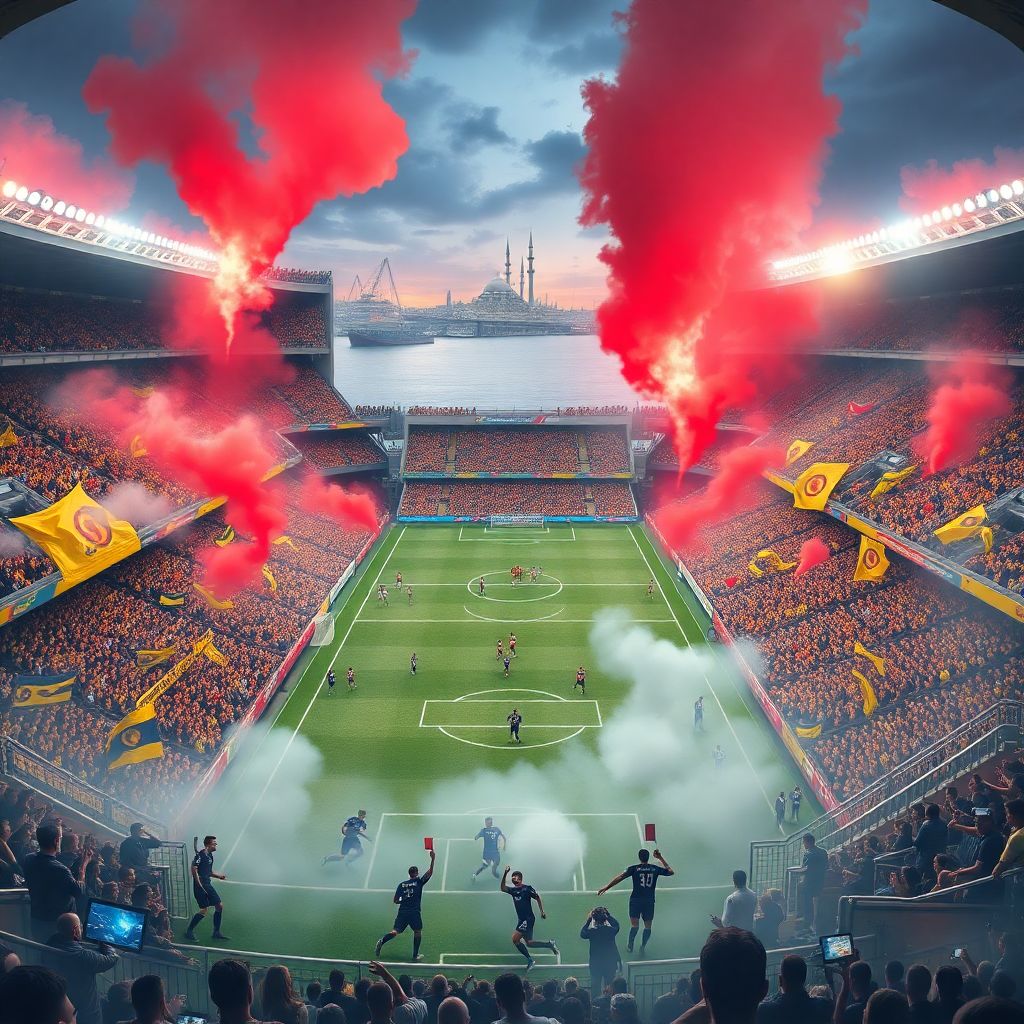
What we actually mean when we say “Turkish derby”
When fans talk about “derbies in Turkey”, they usually mean more than just two clubs from the same city playing football. In the Turkish context, a derby is a compressed history lesson: politics, class, geography, religion, and family traditions all squeezed into 90 hectic minutes. It’s why a regular league fixture can feel like a final, why people plan their week—and sometimes their year—around a single match. These games define identity: Galatasaray people often grow up in households that see themselves as urban, educated, a bit “European”; Fenerbahçe fans love the Kadıköy, Asian-side, independent streak; Beşiktaş supporters cultivate a rebellious, anti‑establishment persona. A derby in Turkey is where all of that becomes visible, sung, and sometimes shouted right in front of you, and that’s exactly what makes it so fascinating for outsiders who are used to calmer matchdays in other leagues.
From the late Ottoman Empire to global TV product
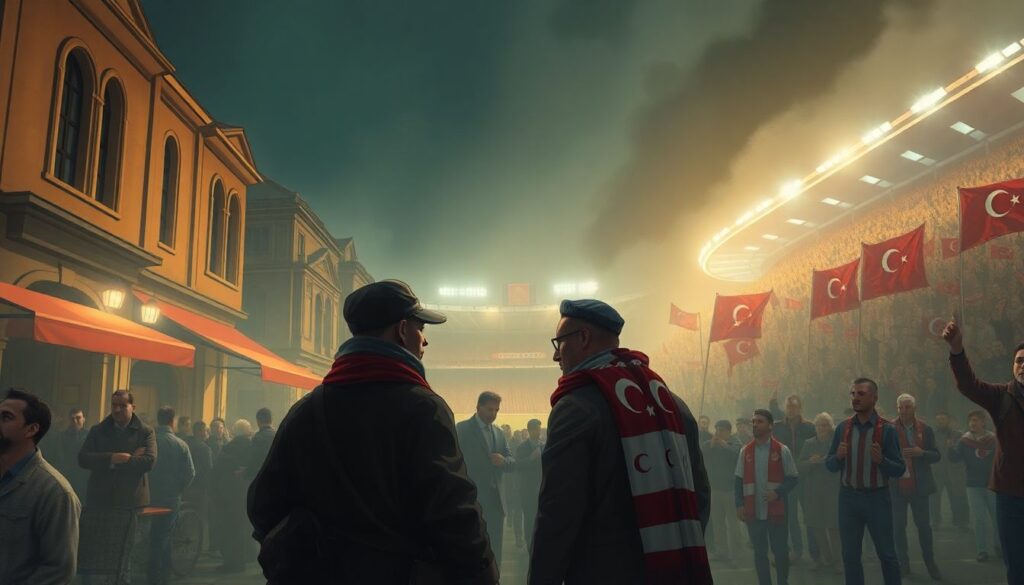
The roots go back to the late Ottoman era, when clubs around Istanbul formed partly as social and political circles, not just sports teams, and early clashes already had a “them vs us” vibe. Over time, that tension survived monarchy, republic, coups, and economic booms; by the 1990s and 2000s, Turkish derbies had turned into global TV events without losing their very local emotional charge.
The big three rivalries, and why they’re not all the same
People outside Turkey often reduce everything to “Galatasaray vs Fenerbahçe”, but the landscape is more layered. The main Istanbul triangle—Fenerbahçe, Galatasaray, Beşiktaş—contains three different emotional temperatures. Galatasaray–Fenerbahçe is the classic “Istanbul derby” for international audiences: huge stadiums, trophies, European nights, and that knife‑edge feeling that one red card or one flare might flip everything. Beşiktaş–Fenerbahçe is more volatile on the stands, with both fan groups proud of their acoustic power and street presence. Beşiktaş–Galatasaray carries more sarcasm, more chants aimed at each other’s self‑image than at titles. Outside Istanbul, new axes have appeared: Trabzonspor vs the Istanbul giants has a regional, almost “center vs periphery” flavor; Başakşehir’s rise brought a modern, corporate rival into a traditionally emotional scene. If you compare these approaches to rivalry, some are built on class and status stories (Gala–Fener), some on neighborhood and daily life (Beşiktaş clashes), and others on geography and resentment toward central power (Trabzon vs Istanbul). Same country, same sport, very different psychological scripts.
So what makes Turkish derbies feel different to a neutral?
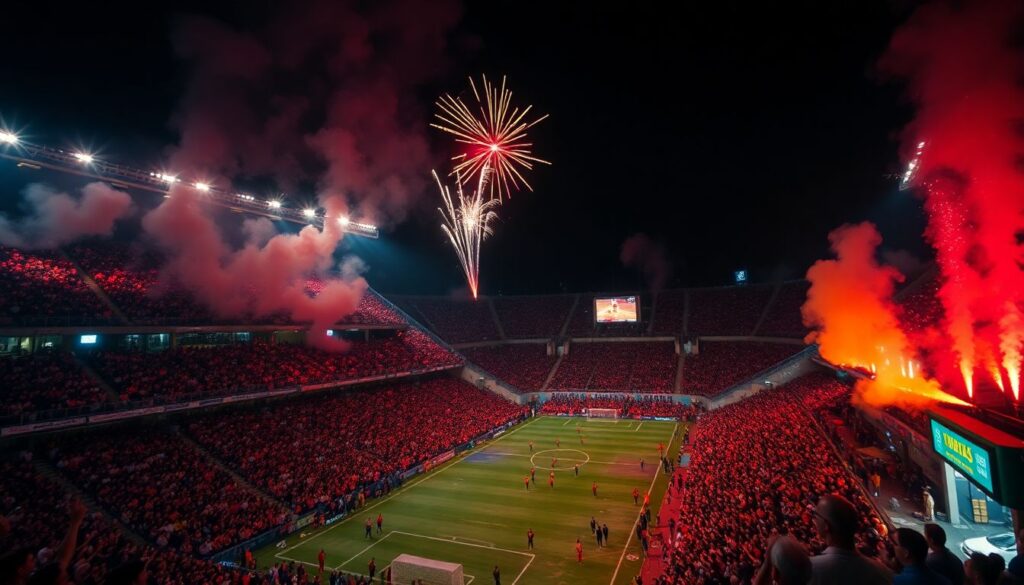
Part of it is the density of emotion—songs rehearsed for weeks, choreographies timed with pyro, and the sense that the city itself is participating, from taxi drivers to bakers. Even a neutral visitor quickly feels that the match is not entertainment added to daily life; for a few hours, it *is* daily life.
Stadium, sports bar or tour? Comparing ways to experience a derby
If you’re planning to see a game, there are three main “approaches”, each with its own pros and cons. Going to the stadium is the purist’s choice: you queue, you scan IDs, your ears ring for a day, and you leave with a story that only makes sense to people who’ve stood in a bouncing stand. The downside is practical: turkish football derbies tickets are tightly controlled, digital, and often restricted to local ID or club membership, which means foreign visitors rely on agencies or friends and often pay a markup. That’s even more true for istanbul derby galatasaray vs fenerbahce tickets, which can sell out from official channels in minutes. A second route is the curated option: derby match tours istanbul football agencies bundle seats (or at least pre‑game stadium visits) with guides who explain songs, gestures, do’s and don’ts. You lose some spontaneity but gain safety, context, and usually a smoother ticket process—useful if you’re new to the city or the language. Finally, some fans choose the city itself instead of the arena: the best place to watch turkish derbies in istanbul might be a neighborhood meyhane or a smoky café where everyone knows every verse of every chant. You don’t get the on‑site roar, but you do get a candid look at how locals live football, plus fewer security checks and lower cost. A thoughtful traveler often mixes approaches: one stadium derby, one bar‑viewing, and maybe a stadium tour on a calm day to absorb the history without the noise.
Common rookie mistakes (and how to dodge them)
First‑timers in Turkey’s derby world tend to repeat a small set of avoidable errors.
1. Treating it like a normal tourist attraction.
Showing up late, wearing random colors, or assuming you can just buy a ticket at the gate is a fast path to disappointment. Derbies require planning: understanding Passolig (or whatever digital system is used), entry rules, and transport.
2. Ignoring fan culture codes.
Sitting in the ultras section but filming the crowd with your back to the pitch will mark you as clueless; so will cheering politely when everyone else is screaming a specific chant. You don’t have to perform, but you do need to be aware of which blocks are “singing only” and which are family‑friendly.
3. Wearing the wrong colors in the wrong place.
Newcomers sometimes show up in a neutral club’s jersey “just to support football”. In derby logic, there’s rarely such a thing as neutral. A Beşiktaş shirt in the home Fenerbahçe end can be read as provocation, even if you meant nothing by it.
4. Underestimating logistics.
Istanbul traffic plus matchday road closures are brutal. Tourists often plan tight dinner reservations or flights on derby night and then stress out in a taxi jam. Local fans know to clear the schedule before and after.
5. Gambling without understanding context.
With easy apps and constant advertising, people see turkish super lig derby betting odds and start placing emotional bets on games they barely understand. Derbies are notoriously unpredictable; betting on them as if form tables apply can be expensive.
6. Filming everything, sensing nothing.
Many visitors spend the entire 90 minutes staring at their phone, trying to capture “content”. They leave with ten shaky videos and almost no memory of the actual game, the tactical battle, or the collective rhythm. Look around. Listen. Let your body feel the chants; your phone can rest.
Technology, tactics, and the modern Turkish derby
In the 1990s a derby was mostly about raw emotion and a few stars; today it’s a layered system of technologies and tactical ideologies. On the pitch, you can roughly compare two strategic approaches that Turkish clubs alternate between: high‑press, tempo‑heavy football borrowed from Central Europe, and more patient, technically expressive buildup inherited from older Balkan and Anatolian traditions. Coaches cycle between these models depending on the squad, which is why one season you’ll see a Gala–Fener game that looks like a Premier League pressing clinic, and the next season you’ll watch a slower, chess‑like battle. Off the pitch, VAR, semi‑automated offside tools, tracking data, and performance analytics have changed how derbies are played and argued about. The upside of this technology is fairness: fewer ghost goals, more objective offside calls, deeper analysis of whether a press is working. The downside is a new layer of controversy; in a culture where refereeing decisions have always been political talking points, VAR replays sometimes feed conspiracy theories rather than calming them. TV broadcasts, streaming platforms, and smart cameras also transform the experience: a fan in Berlin or Jakarta can switch between angles, slow‑mos, and live xG graphs, while someone in the stadium only sees a fragment of that. There’s no single “right” way to consume the match; some people value the perfect angle and data overlay, others the imperfect human noise of the terrace. The healthiest stance is to treat technology as a tool—use its advantages (replays, stats, safety systems) without letting it replace the very human core of rivalry.
Choosing your own derby path
If you’re wondering “which derby, which stand, which format?”, start from your own tolerance for chaos and your goals. If you love anthropology as much as football, a mid‑table Istanbul derby in a passionate but not ultra‑intense stand might be ideal: plenty of culture, lower risk. If you’re a tactics nerd, you may enjoy sitting slightly higher up, where you see pressing traps and build‑up patterns rather than only the flare in front of your nose. Families or noise‑sensitive visitors might prefer a reputable bar in Kadıköy or Beşiktaş rather than a hardcore ultras block. In other words, *don’t* just chase the most famous fixture by default; match your choice to your personality. That mindset also avoids one more beginner mistake: assuming you “must” tick off a single iconic game or your trip is wasted. Turkey’s football map is broad—Ankara, Izmir, Adana, Trabzon—and a so‑called “smaller” derby there can be more revealing and easier to access than the blockbuster one everyone posts on social media.
Where this is all headed by 2026
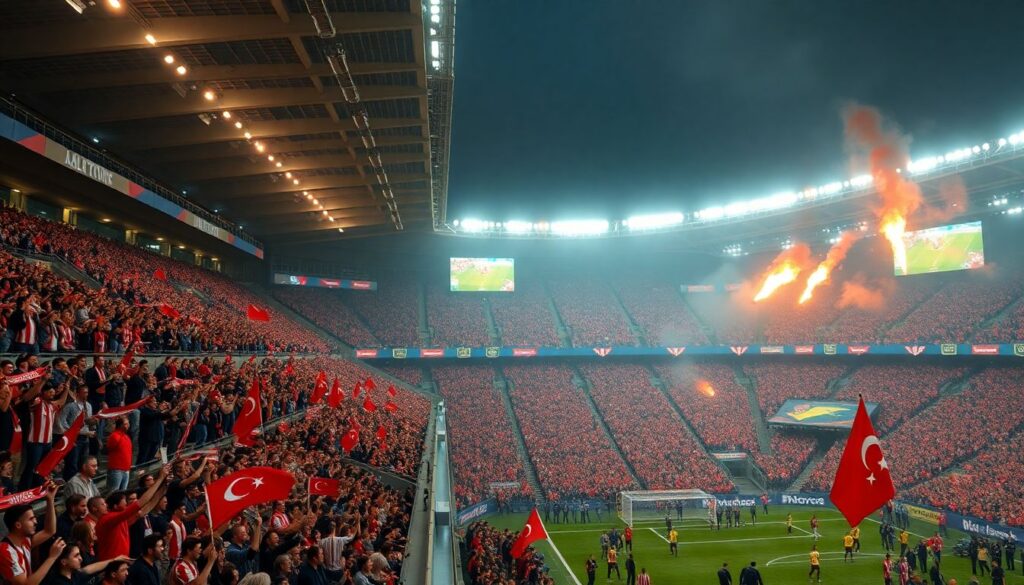
Looking ahead, several trends are likely to shape Turkish derbies as we reach and move through 2026. Stadiums are gradually improving comfort and safety tech—better crowd‑flow modeling, more cameras, smarter ticketing—while still trying to keep the raw atmosphere that draws people in the first place. Clubs are sharpening data departments, so derby preparation now routinely includes detailed opposition pattern analysis, set‑piece labs, and psychological profiling of key players; the emotional chaos on the terraces increasingly contrasts with very controlled processes in the dressing room. International interest continues to grow, especially among younger fans who discover Turkey via clips on social media rather than traditional TV; that, in turn, fuels more English‑language content, more structured experiences for visitors, and a slow professionalization of fan‑oriented services around big games. At the same time, there’s a visible counter‑movement inside fan groups: a desire to protect local songs, humor, and spontaneity from turning into a sanitized “product”. The tension between authenticity and commercialization—between living the derby and packaging it—is likely to be the central storyline of Turkish football rivalries over the next few years, and it’s precisely that tension that keeps them so compelling to watch, study, and, if you’re lucky, experience in person.