Context: why VAR in Turkey became such a hot topic
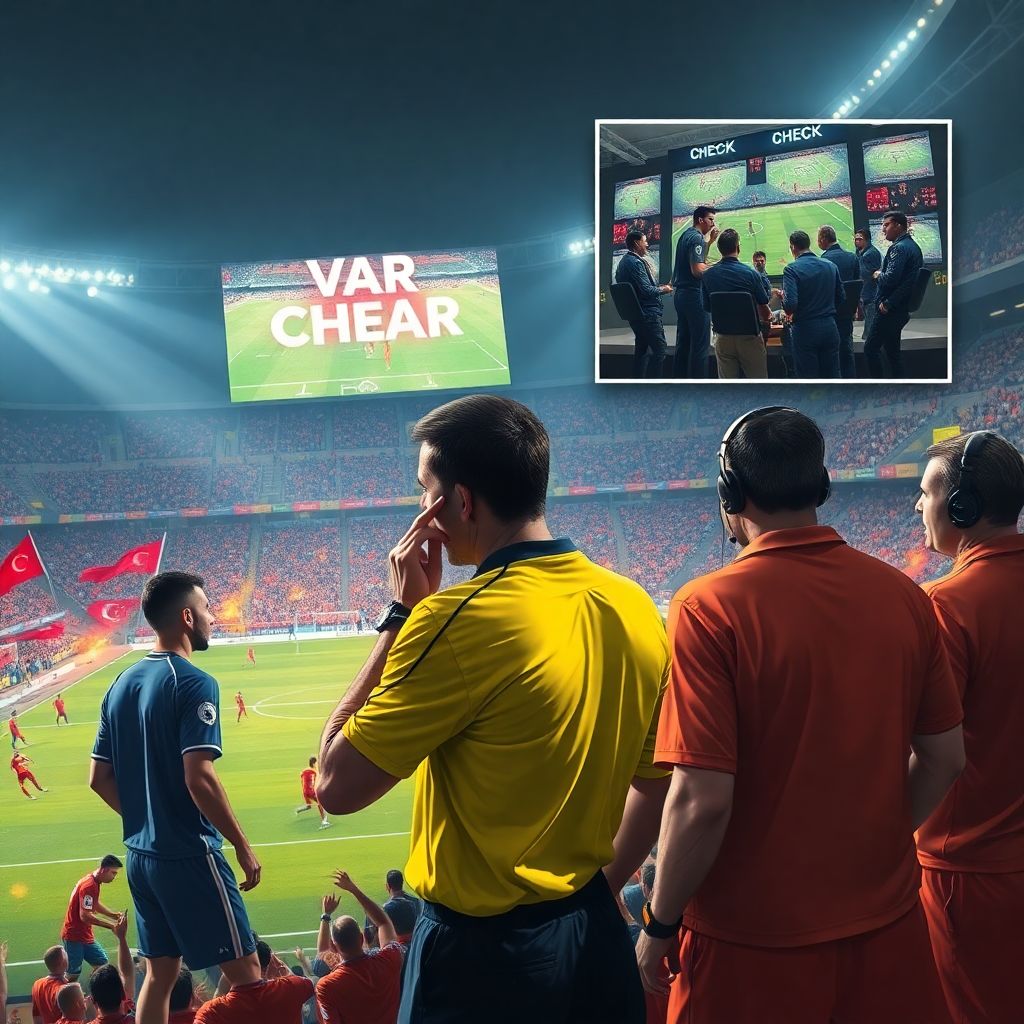
When VAR finally arrived in the Süper Lig, many fans expected a magic button that would erase all bad calls overnight. Instead, we got the now-classic turkey super lig var controversy: long checks, reversed goals, and presidents giving explosive TV interviews after every big game. Add the already heated football culture in Turkey and you get an environment where every replay is treated like a political event. Still, beneath all the noise, the system quietly started changing habits: defenders think twice before grabbing shirts, strikers pay more attention to offside lines, and referees know every whistle might be re‑watched from five angles in ultra slow motion.
How VAR changed refereeing in Turkey on a daily basis
If you strip away the drama and look at how var changed refereeing in turkey on the pitch, the effects are pretty concrete. Referees became less inclined to “manage” matches with soft penalties or makeup calls, because VAR can expose inconsistencies within minutes. Offside traps are now much tighter; assistant refs keep the flag down more often, letting attacks finish so the replay room can double‑check. Coaches adjusted too: instead of surrounding the referee, they turn to the fourth official and scream, “Check VAR!” This doesn’t remove pressure, but it redistributes it — part on the main ref, part on the video team, and part on the protocol that tells them what they can and can’t review.
Different approaches to VAR: Turkey vs other leagues
Comparing var decisions in turkish super lig to what we see in the Premier League or Serie A shows a few clear stylistic differences. In Turkey, refs tend to be called to the monitor more often on subjective incidents like handballs and borderline penalties, which keeps them as the final decision‑makers but also drags out the process. England tried the opposite for a while: fewer monitor visits, more trust in the VAR referee, which led to accusations of a “secret referee” in a dark room. The Bundesliga leans heavily on speed and minimal interference. Turkey sits in between: more intervention than Germany, less consistency than Italy, and a communication style that still feels opaque to viewers at home.
Pros and cons of VAR technology in the Süper Lig
If you make a simple pros and cons list, VAR clearly fixed some long‑standing issues. The best var moments in turkish super league history usually involve huge derbies where an obviously offside last‑minute goal gets cancelled and both sets of fans, grudgingly, admit the line is correct. Clear red‑card incidents missed in real time are now much rarer. On the other hand, the system introduced new frustrations: endless geometric lines on the screen, offside by a shoulder, and celebrations killed by a two‑minute wait. Emotionally, goals feel “unconfirmed” until the kick‑off. Instead of pure relief, you get that awkward pause where everyone stares at the referee, wondering if the earpiece will buzz.
Typical rookie mistakes when talking about VAR in Turkey
New fans and even beginner analysts often fall into the same traps when judging VAR. A few classics:
1. Treating every slow‑motion replay as if the ref saw it that way live. Real‑time perception is different.
2. Ignoring the protocol: not every foul can be checked, only “clear and obvious” or specific incidents.
3. Assuming conspiracy when it’s often just bad communication or poor camera angles.
4. Mixing up who decided what — the field ref vs the VAR room.
5. Forgetting context: physical Süper Lig games look harsh in freeze‑frame.
These rookie mistakes feed the analysis of var errors in super lig discussions online, where anger travels faster than nuance.
Comparing approaches: human factor vs “robotic” accuracy
One big philosophical split in debates about turkey super lig var controversy is what people want football to be. Some argue for almost robotic precision: every millimetre of offside must count, no matter how small. Others want a “human game,” where the referee’s feel for tempo and intention matters more than a frozen frame of a heel being ahead. Turkey’s culture leans emotional, so harsh technical calls — like a toe offside that wipes out a beautiful counterattack — feel unfair even when correct. The smartest approach is finding balance: using technology for big, game‑changing mistakes, while accepting that 100% perfection will kill the spontaneity that makes the Süper Lig so addictive.
How to “use” VAR wisely: tips for fans, clubs, and referees
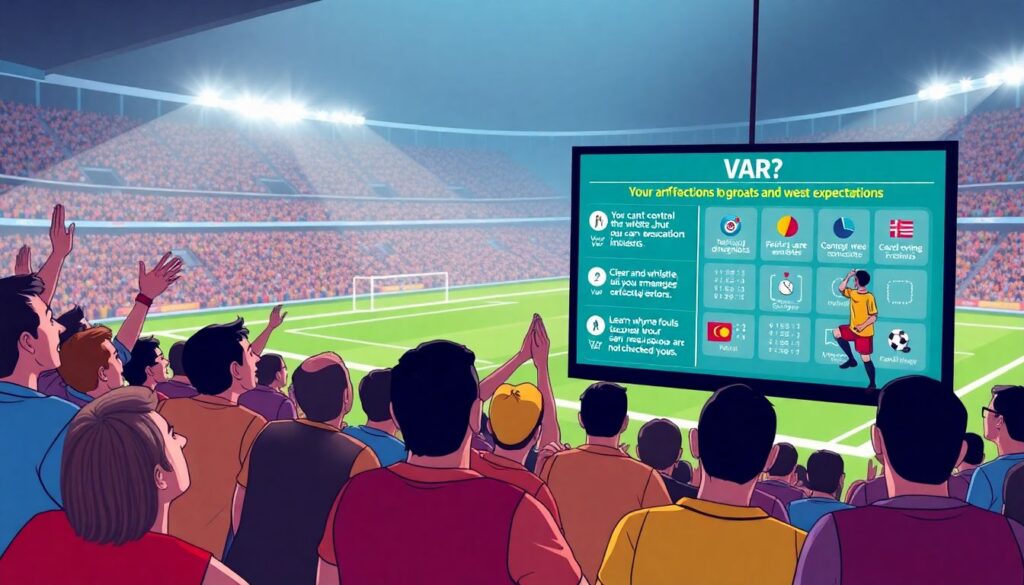
You can’t control the whistle, but you can manage your expectations. For fans, the trick is learning the basics of the protocol so you know *why* something wasn’t checked. Instead of shouting “Where is VAR?” at every foul, ask: was it in the penalty area, was there a clear error, does it fit the list of reviewable incidents? Clubs can help by educating players, because constant surrounding of the referee usually backfires and may even delay a check. Referees, especially younger ones, must resist the rookie urge to “delegate” everything to the booth; VAR is a safety net, not a replacement. Used like that, the system becomes a tool rather than a crutch.
Trends and recommendations for 2026 and beyond
Looking ahead to 2026, a few trends are already visible in the Süper Lig. Expect faster semi‑automated offside, more open communication (maybe even releasing audio between ref and VAR in big games), and clearer post‑match reports on controversial incidents. For fans and pundits trying to judge how var changed refereeing in turkey over the long term, the key is shifting from pure outrage to pattern‑spotting: are similar incidents treated consistently from August to May? My recommendation: demand transparency rather than perfection, push for regular public briefings from the refereeing committee, and keep emotional reactions for the stands. That way, technology can keep cleaning up big mistakes without draining the chaos that makes Turkish football special.