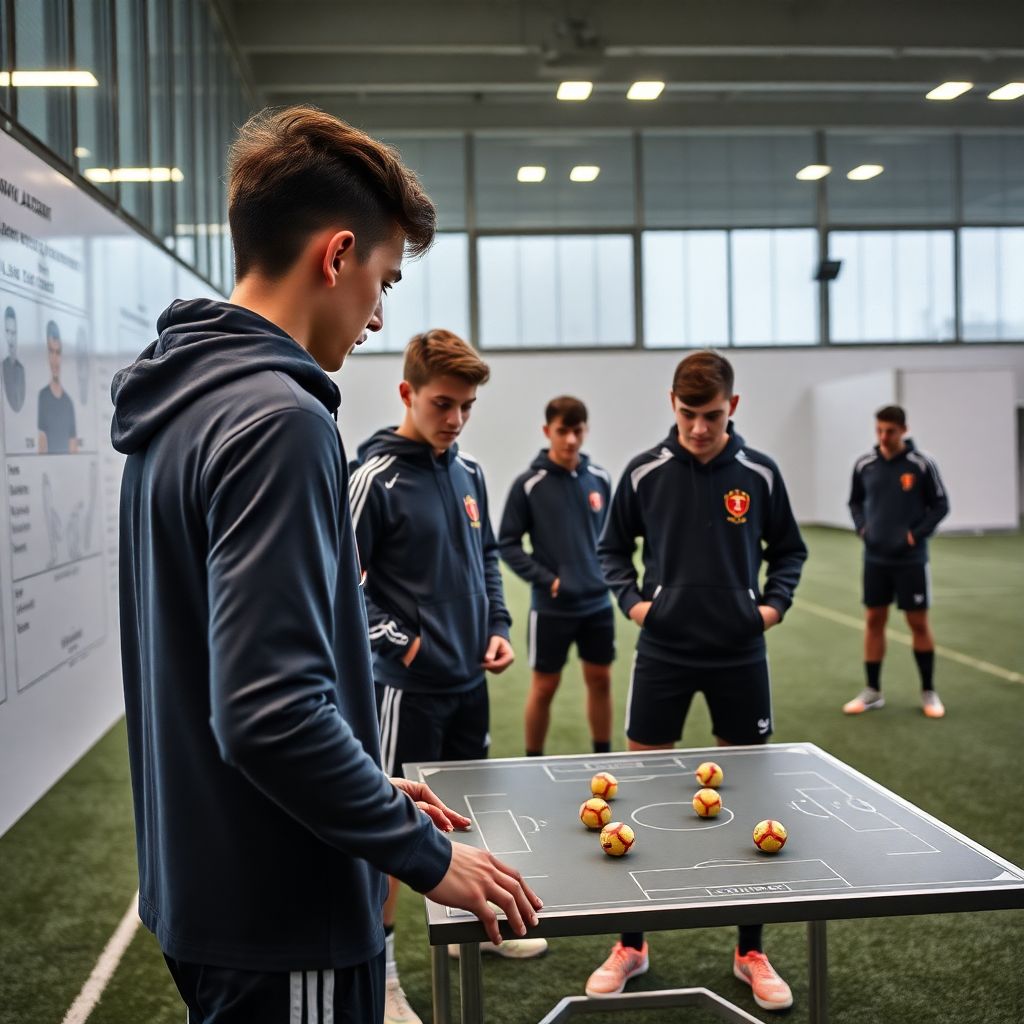
Turkish Altyapı systems can realistically produce players for the top five European leagues when they combine individual development plans, targeted visibility, and risk-managed transfers. This guide turns turkey football academy altyapi success stories into a repeatable pathway, focusing on safe, practical steps that parents, coaches, and young players can follow from grassroots to elite European environments.
Core lessons from Altyapı pathways
- Start early with position-specific technical habits and clear game models that mirror elite European demands.
- Track development with simple performance logs: minutes, positions, match clips, and training attendance.
- Prioritise credible tournaments and data-sharing to appear on radars for turkish football talents in top 5 european leagues.
- Prepare physically and mentally for higher match tempo well before trials or transfers are discussed.
- Use written agreements, trusted agents, and legal advice before signing anything related to transfers.
- Plan transitions in stages: domestic first-team minutes, then step to rising turkish football stars to watch in europe level.
Foundations at Altyapı: structuring technical and tactical growth
This pathway suits motivated players aged roughly 10-19 who train consistently in club or school setups, have supportive families, and are ready to accept long-term commitment and uncertainty. It is not ideal for families chasing quick fame, ignoring education, or unwilling to relocate if a serious opportunity arises.
At grassroots and early Altyapı levels, the objective is to build a toolbox that can later succeed among the best young turkish players in europe 2024, not only dominate local youth leagues.
- Technical base per position: First touch, passing, and decision-making under light pressure. Each position should have weekly non-contact drills that are repeatable and measurable (e.g. passes completed in a set pattern).
- Tactical understanding: From U12 upwards, introduce one clear game model (e.g. how your team presses, builds up, and defends deep) and use simple language and consistent video examples.
- Role clarity: Players should know their two main positions and one emergency position by U15. Constant role changes slow development and confuse scouting reports.
- Learning culture: Encourage self-review: after games, players write three strengths and one development point. Coaches can briefly comment to align expectations.
- Education balance: School performance matters for future adaptation abroad. Clubs and families should coordinate schedules early to avoid burnout and academic collapse.
Visibility and scouting: strategies to attract top-five league attention
To be compared with top rated turkish wonderkids transfer market profiles, visibility must be intentional, ethical, and data-backed. The aim is to make a player easy to assess from afar while protecting them from overexposure and unrealistic hype.
Essential tools and structures:
- Consistent match footage: Full-match videos from a stable camera angle, at least from U15 upward. Prioritise league games over highlights-only reels.
- Structured player profile: A simple document with basic data (height, footedness, positions), match minutes, injury history, and coach contact details. Keep it honest; scouts value reliability.
- Video platform or shared folder: Secure, organised storage where recruiters can easily watch 3-5 recent games and a short highlights clip.
- Trusted intermediaries: Club academy director, federation contacts, or licensed agents with a proven record of placing turkish football talents in top 5 european leagues, not just promising trials.
- Targeted tournaments and showcases: Choose events where scouts from relevant leagues attend regularly. One well-chosen event can be more effective than many low-level tournaments.
- Communication discipline: One main contact (usually academy coordinator) should respond to inquiries. Avoid parents and multiple agents all messaging the same clubs.
Bridging the gap: tailoring training to elite competition demands
Before detailing steps, consider key risks and limitations:
- Overloading training can cause overuse injuries and long-term setbacks.
- Copying adult professional routines without adjustment for age is unsafe.
- Ignoring rest, nutrition, and school stress reduces the benefits of extra work.
- Unverified private trainers may push unsafe exercises or unrealistic timelines.
Use the following progression to move from strong Altyapı level toward the demands faced by rising turkish football stars to watch in europe.
-
Define the target role and league demands
Choose one primary role (e.g. attacking full-back, holding midfielder) and study how that role functions in the top five leagues. This anchors all future work.
- Watch 10-15 full matches focusing only on that role.
- Note typical movements, first-touch directions, and pressing triggers.
-
Benchmark current performance safely
With a coach or physical trainer, record baseline data without maximal stress tests that exceed medical guidance. Focus on trends, not perfection.
- Match minutes, sprints attempted, duels contested, and pass locations.
- Basic physical indicators approved by a doctor (e.g. speed over short distances).
-
Design position-specific micro-cycles
Plan 1-2 extra sessions per week that complement, not duplicate, club work. These should be short, focused, and supervised.
- Technical: first touch under pressure, weak-foot actions, crossing or finishing from match-like situations.
- Tactical: small-sided games with constraints that mirror target league situations.
-
Simulate elite tempo and decision pressure
Gradually shorten time and space in drills instead of increasing contact intensity recklessly. The goal is fast decisions, not reckless tackling.
- 3v2, 4v3 games with strict touch limits.
- Transition drills where players must react within a set number of seconds.
-
Integrate feedback loops and video review
Every 4-6 weeks, review match clips and training notes. Identify one technical and one tactical focus for the next cycle to avoid overwhelming the player.
- Use simple tags like "pressing reactions" or "receiving on the back foot".
- Compare new clips with earlier ones to see concrete progress.
-
Stage controlled exposure to higher levels
Before any international move, seek minutes with older age groups or domestic professional squads where possible. Monitor physical and emotional responses closely.
- Limit back-to-back games at new intensity.
- Discuss stress, sleep, and enjoyment levels with the player weekly.
Physical, mental and medical protocols to reduce transition risk
Use this checklist to judge readiness and safety before serious moves or intensive training changes.
- Recent medical check completed, with written clearance for higher training loads.
- No ongoing pain masked by painkillers; minor discomforts have been reported and assessed.
- Weekly schedule includes at least one full rest day with no structured sport.
- Sleep duration is consistent; player can wake up without extreme fatigue most days.
- Nutrition basics covered: regular meals, hydration, and no extreme dieting for body image or speed gains.
- Player can express worries about performance, playing time, or moving abroad without fear of being ignored.
- Family and club have a clear plan for schooling and language learning if a move happens.
- Support network identified abroad (club liaison, trusted teammate, maybe local community) before travel.
- Clear understanding of who pays for medical treatment and insurance in case of injury.
- Player still finds enjoyment in football most weeks, not only pressure or fear of failure.
Transfer mechanics: agents, contracts and timing for optimal moves
Many promising paths that could become turkey football academy altyapi success stories break down due to avoidable off-pitch mistakes. Watch out for these common errors.
- Signing long agent contracts at a very young age without independent legal advice.
- Accepting trials abroad that are not clearly financed, insured, or linked to a real squad need.
- Leaving a club that offers clear development minutes for a famous name where playing time is unlikely.
- Focusing on social media announcements and "best young turkish players in europe 2024" style rankings instead of real match opportunities.
- Allowing multiple agents or intermediaries to claim representation, which scares off serious clubs.
- Ignoring education planning; moving mid-school year without a learning pathway in the new country.
- Agreeing to salary-focused deals that include weak clauses about playing time, release options, or injury support.
- Rushing to the first foreign offer instead of comparing pathways, coaching styles, and historical use of young players.
- Parents managing everything alone in complex cross-border negotiations without specialist legal or tax input.
Comparative case studies: five Turkish talents and their progression maps
Specific names and clubs change every season, but certain patterns recur across turkish football talents in top 5 european leagues. Below are alternative routes that can still lead to top stages, depending on context and risk tolerance.
- Gradual domestic ladder, then targeted move: Grassroots to a strong Altyapı, then domestic first-team minutes, followed by a move to a mid-table club in a top league. Suitable for players needing time to mature physically and mentally.
- Early move to European academy: Transition from Turkish youth setups to well-structured academies abroad around age 15-17, with strong schooling and language programs. Works when family support and adaptation capacity are high.
- Regional stepping stone league: After Altyapı and domestic youth success, move first to a league known for developing exports, then to a top-five league. This may suit players who are not immediately visible on top rated turkish wonderkids transfer market discussions.
- Late bloom via lower divisions: Players who grow later physically or tactically can use lower professional divisions to accumulate minutes and leadership roles before being recruited upwards into the pool of rising turkish football stars to watch in europe.
Addressing transition risks and common concerns
At what age should a Turkish player start thinking about moving abroad?
Discussion can start around 15-17, but decisions should depend on emotional maturity, academic situation, and playing level, not only age. Many players benefit from securing domestic professional minutes before leaving.
Is a private trainer necessary to reach top-five European leagues?
Not always. A good club environment with thoughtful coaches can be enough. Private work helps when it is coordinated with the club, age-appropriate, and medically approved, rather than random high-intensity sessions.
How can parents check if an agent is trustworthy?
Verify licensing status with relevant football authorities, ask for concrete examples of past placements, and insist on written agreements that can be reviewed by an independent lawyer. Avoid agents who pressure for quick signatures or promise guaranteed transfers.
What is more important: being a star at youth level or getting early senior minutes?

Consistent senior minutes at a good level usually matter more than youth trophies. Scouts often prioritise how a player handles adult physicality, tempo, and tactical discipline.
How should a player prepare for language and cultural changes?
Start basic language learning as soon as a destination country becomes realistic, and seek information about daily life there. Clubs with structured integration programs and education support are generally safer environments.
What if a move abroad does not work out?
Plan a return option in advance: maintain good relationships with domestic clubs, keep education on track, and avoid burning bridges. A temporary setback does not end a career if health and motivation are protected.
Can social media exposure harm a young player’s chances?
Yes, if it creates unrealistic expectations, shows poor behaviour, or reveals contract information. Use social media carefully and let performance and professional conduct speak louder than online hype.