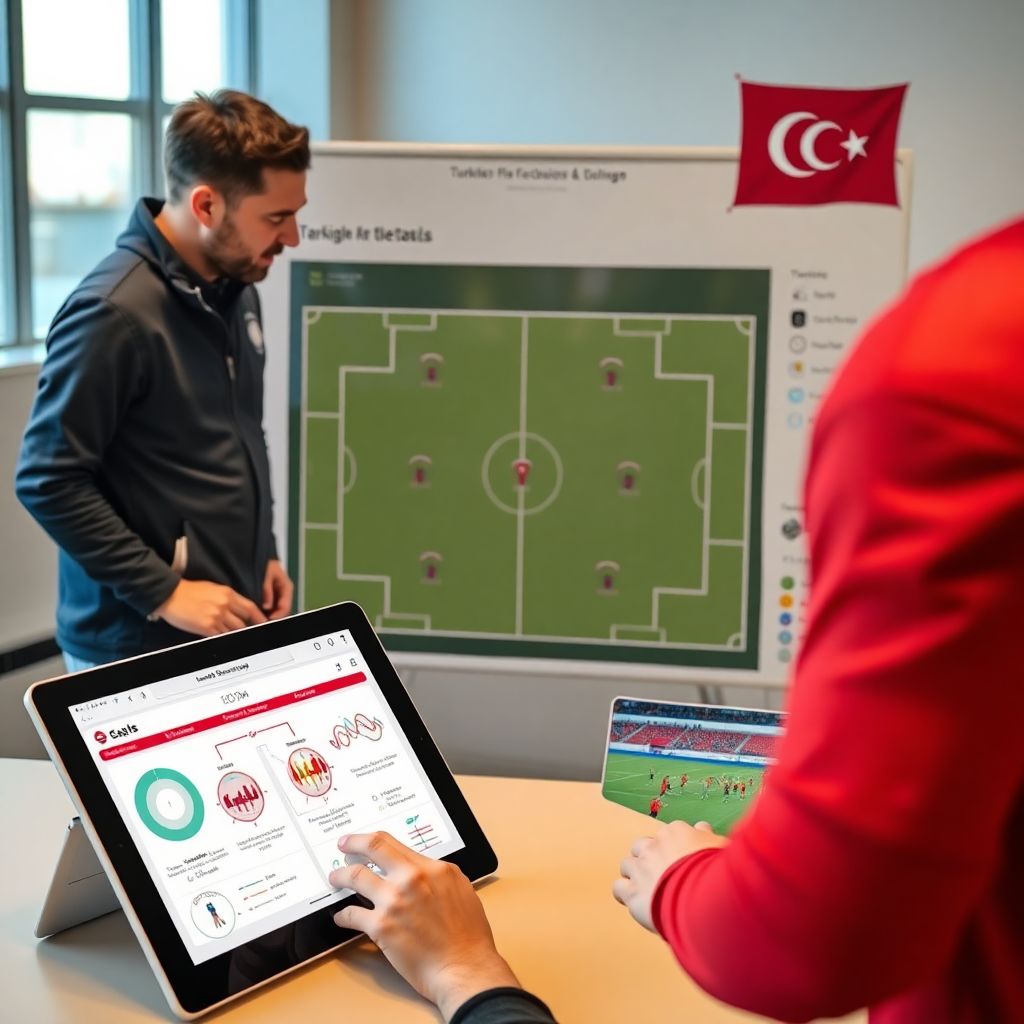
Global tactical trends influence Turkish clubs by shaping pressing intensity, positional structures, and data-led decision making. To adapt safely, Turkish coaches should translate concepts like gegenpressing and positional play into realistic workloads, use affordable analytics, and align youth development with senior-game demands, instead of copying elite European clubs without considering squad profile, budget, and domestic scheduling.
Executive Brief: How Global Trends Reshape Tactics and Training in Turkey
- Anchor a clear game model – Define pressing height, build-up style, and rest-defence; measure with simple KPIs such as PPDA, field tilt, and final-third entries.
- Adapt intensity to Süper Lig realities – Use GPS or simple time-motion tracking to ensure sprint volumes and high-intensity runs grow gradually across a microcycle.
- Connect data with exercises – Choose 3-5 key metrics, then design drills that directly train those behaviours; review every week with staff and captains.
- Rewire youth development – Align turkish football academies for youth with the first-team tactical principles, using the same positional profiles and basic terminology.
- Use low-cost analytics solutions – Combine free video, affordable football data analytics software for clubs, and simple spreadsheets before investing in advanced tools.
- Scale with realistic staffing – When lacking specialist analysts, outsource specific tasks to tactical analysis services for football clubs or collaborate with local universities.
From Gegenpress to Positional Play: Adoption Patterns in the Süper Lig
This section helps Turkish staff decide when to adopt global trends like gegenpressing or positional play, and when not to. It is suitable for clubs with at least semi-professional structures and basic tracking of training loads. It is not recommended to fully implement high-intensity models in amateur or youth contexts without medical oversight and progressive loading.
- Clarify your primary identity – Objective: Decide if you are primarily a pressing, positional, or mixed team. Metric: Staff agreement score in a simple 1-5 internal survey. Routine: One 60-minute staff workshop mapping strengths, weaknesses, and squad age/fitness.
- Set pressing constraints – Objective: Define where and when you counter-press. Metric: Number of counter-pressing actions within 5 seconds after loss per match. Drill: 7v7+3 transition games where goals count double if scored within 10 seconds of regain.
- Install basic positional structures – Objective: Create stable zones and roles in possession. Metric: Successful progression from build-up to middle third per match. Drill: 11v0 pattern play with strict zones, then 8v8 with locked channels to reinforce spacing.
- Match style to player profiles – Objective: Align tactical demands with physical and technical capacity. Metric: Percentage of players in their optimal role according to staff assessment. Routine: Position-by-position audit of running capacity, 1v1 ability, and decision-making.
- Avoid over-copying big clubs – Objective: Filter ideas from global trends through your context. Metric: Number of new principles introduced per month (keep it low and controlled). Routine: After watching elite teams, write 3 ideas to try and 3 to explicitly reject.
Analytics into Practice: Designing Data-Driven Training Sessions
Analytics should translate directly into safe, understandable training. You do not need full-time analysts to start; a basic workflow can be built with local staff, free tools, and entry-level football data analytics software for clubs.
- Choose three core metrics – Objective: Focus on what matters most for your game model. Metric: For example, shots from central box, high regains, progressive passes. Routine: Agree these in staff meeting and print them inside the weekly training plan.
- Map metrics to drill types – Objective: Ensure every KPI has at least one regular exercise. Metric: Number of weekly drills directly linked to chosen KPIs. Drill: For high regains, play 6v6+2 neutrals in a 30x40m zone with bonus points for regains in the attacking half.
- Use accessible video tools – Objective: Replace complex platforms with simple, repeatable workflows. Metric: Number of clips created per game (aim for 8-15 focused clips). Routine: Tag events manually on free software, then review with players in 15-20 minute meetings.
- Start with low-cost data options – Objective: Get reliable basic data before going advanced. Metric: Consistency of collected stats across 5+ games. Routine: Use staff or interns to track shots, passes into final third, and recoveries with spreadsheets if software is unavailable.
- Integrate analysts and coaches daily – Objective: Avoid separation between analysis and training design. Metric: Number of sessions per week designed together by coach and analyst. Routine: Morning 20-minute huddle: analyst presents 2-3 insights; staff picks one to train that day.
Youth Pathways: Rewiring Academies for Modern Tactical Profiles
Before changing academy structures, ensure that global trends are translated into age-appropriate, safe learning goals across turkish football academies for youth.
- Define a simple club game model poster for all age groups (no more than 6 core principles).
- Align position names and basic roles between U13-U19 and the first team.
- Agree on safe training load progressions, especially for pressing and repeated sprints.
- Set a schedule for quarterly reviews between academy director and first-team staff.
- Clarify future first-team profiles – Describe what a right-back, pivot, or number 10 must do in your senior style. Document behaviours in possession, out of possession, and transition. Share with all youth coaches so every age works toward the same end picture.
- Standardise a core principles curriculum – Create a simple list of club principles (e.g., press immediately after loss, use the free man, protect central spaces). Assign which principle is introduced at which age. Review sessions to ensure at least one principle is reinforced each day.
- Design age-appropriate tactical games – For each age group, adapt complex trends into small-sided games. For gegenpressing, U13-U15 can play 4v4+3 possession with 5-second counter-press rules; older groups can use 8v8 transition games with clear triggers. Keep pitches and durations adjusted to safe volumes.
- Synchronise academy and first-team calendars – Plan shared tactical themes across the season. For example, both U19 and first team can focus on high pressing in the same month. Organise joint video meetings where academy players watch 3-5 clips of the first team executing similar ideas.
- Monitor workload and maturation – Implement basic tracking of minutes, intensity, and growth stages. Avoid imposing adult pressing loads on maturing players. Hold monthly reviews where medical and coaching staff flag players who require reduced volume or modified tasks in transition drills.
Conditioning for Intensity: Physical Preparation for Pressing and Transition
Use this checklist to verify that your conditioning safely supports modern pressing and transition demands inspired by global trends.
- Link running to the ball – Objective: Maximise football-specific conditioning. Metric: Percentage of conditioning work done with the ball (aim for the majority). Drill: Intervals of 4v4+4 possession in narrow zones, alternating 2 minutes work / 2 minutes rest.
- Progress high-intensity loads gradually – Objective: Reduce risk of soft-tissue injuries. Metric: Weekly change in high-speed running distance. Routine: Increase total high-speed volume in small steps, never making sudden large jumps after breaks.
- Train repeat sprint ability with direction changes – Objective: Support quick reactions in pressing and counter-attacks. Metric: Number of quality repeat sprints maintained across a set. Drill: 5-8 second sprints to changing cones after coach call, with full walking recovery early in the season.
- Integrate neuromuscular strength safely – Objective: Improve resilience for accelerations, decelerations, and duels. Metric: Weekly completion of 2-3 full-body strength sessions. Routine: Use bodyweight and basic gym exercises, focusing on technique before load; coordinate with medical staff.
- Align conditioning with tactical focus – Objective: Avoid overloading players with unrelated work. Metric: Number of drills per week that train both physical and tactical goals. Drill: 10v10 pressing games in 60x50m, with clear triggers and time-limited bouts.
- Monitor wellness and recovery – Objective: Catch fatigue before it becomes injury. Metric: Daily self-reported wellness scores and missed sessions. Routine: Simple 2-minute verbal check-in at breakfast plus periodic medical screenings, adjusting loads when red flags appear.
Matchweek Implementation: Scouting, Planning and Opponent-Specific Workflows
Many Turkish clubs try to apply global trends during the week but fall into predictable errors. Use this list to avoid the most common matchweek mistakes.
- Overloading players with information – Issue: Too many tactical details reduce clarity. Symptom metric: Players unable to recall 2-3 key points during pre-match check. Fix routine: Limit each match plan to three main ideas and repeat them daily in short meetings.
- Copy-paste plans from big clubs – Issue: Imitating elite sides without context. Symptom metric: Frequent in-game role confusion or obvious fatigue. Fix routine: After watching top teams, adapt only what matches your squad’s strengths and your league’s rhythm.
- Ignoring opposition weaknesses – Issue: Focusing only on your style. Symptom metric: Few targeted strategies against rival build-up or transitions. Fix routine: Use simple video plus, if possible, tactical analysis services for football clubs to create 5-7 clips highlighting specific opponent patterns.
- Poor link between scouting and training – Issue: What you see in analysis never appears in practice. Symptom metric: Zero drills explicitly addressing scouted threats. Fix routine: For each opponent tendency, run at least one 10-15 minute exercise replicating that situation.
- Unbalanced microcycle loading – Issue: Peak intensity on the wrong day relative to match. Symptom metric: Players report heavy legs or low sharpness on game day. Fix routine: Keep the most intense session 72-48 hours pre-match, with tapering volume afterward.
- No link to longer-term game model – Issue: Each week looks different, confusing players. Symptom metric: Inconsistent behaviours in similar match situations. Fix routine: Maintain 60-70% of training content as recurring game-model work, with only the remainder opponent-specific.
Scaling with Limits: Low-Cost Methods to Apply Global Innovations
Even without big budgets, Turkish clubs can safely integrate global tactical and training trends using creative, affordable options.
- Partner with educational institutions – Alternative: Collaborate with universities running sports science or coaching degrees. When suitable: Limited staff but access to motivated interns. Routine: Students assist with coding games, basic data collection, and research on suitable football data analytics software for clubs.
- Leverage short-term training events – Alternative: Send selected coaches or players to professional football training camps turkey offers, particularly during off-season. When suitable: When full staff changes are impossible, but you need new ideas. Routine: Attendees present a short report and 2-3 practical drills learned.
- Use targeted coach education – Alternative: Enroll staff in specific football coaching courses in turkey focused on tactics, conditioning, and analysis. When suitable: To upskill current employees instead of hiring new specialists. Routine: After each course, integrate one concept per month into team training.
- Share resources across local clubs – Alternative: Pool video, GPS, or analysis staff with neighbouring teams. When suitable: For lower-division clubs without full-time departments. Routine: Schedule shared match filming, exchange tagged clips, and coordinate a joint in-season workshop.
Practical Implementation Questions Coaches Face
How can a small Turkish club start with analytics without an analyst?
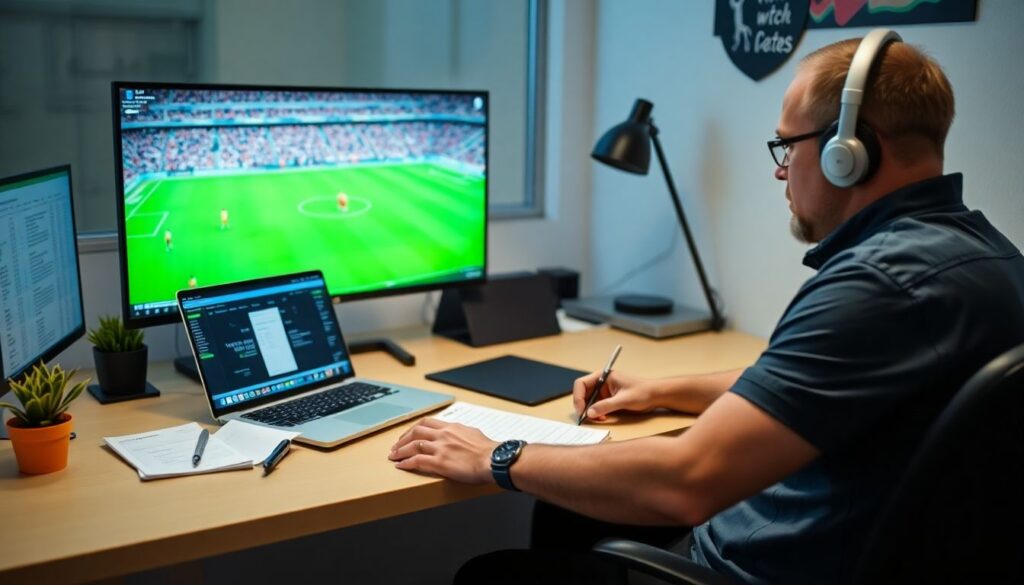
Begin by tracking 3-4 simple stats using video and spreadsheets: chances created, final-third entries, high regains, and major chances conceded. Assign one coach or intern to collect this after each match and use the numbers to design one focused drill for the next training.
What is a safe way to introduce higher pressing intensity?
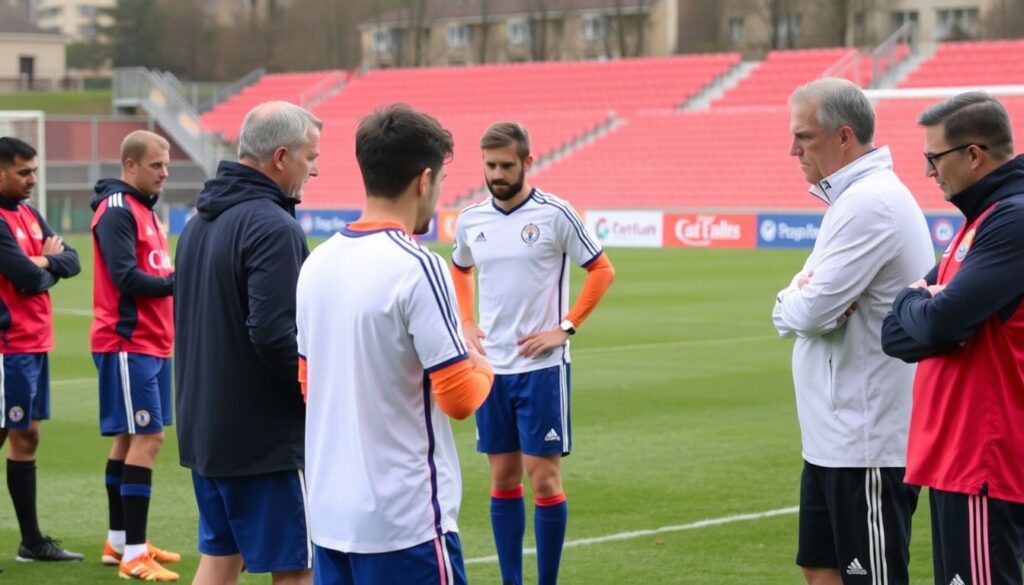
Increase pressing demands in small-sided games first, with short work periods and full recoveries. Monitor players’ subjective fatigue and adjust loads weekly, ensuring medical staff are consulted before major jumps in running volume or match tempo.
How should youth coaches adapt global trends for younger age groups?
Translate complex ideas into simple rules and small-sided games instead of rigid structures. Emphasise decision-making, scanning, and basic pressing habits, while keeping pitches, durations, and repetitions age-appropriate to avoid overload.
How often should we change our tactical approach based on global trends?
Review your game model each off-season and mid-season, but only integrate one or two new ideas at a time. Maintain consistent core principles so players are not constantly adjusting to new systems or roles.
Do we need GPS and advanced technology to play a modern style?
No. GPS and advanced tools help but are not mandatory. You can track basic running and intensity by timing work and rest periods in drills, observing reactions, and using simple wellness checks to keep players safe.
How can we connect first-team tactics with academy development?
Agree on a shared game model and positional profiles, then meet quarterly with academy staff. Use common language, show academy players first-team video clips, and run at least one weekly session in each age group that directly mirrors senior-team behaviours.