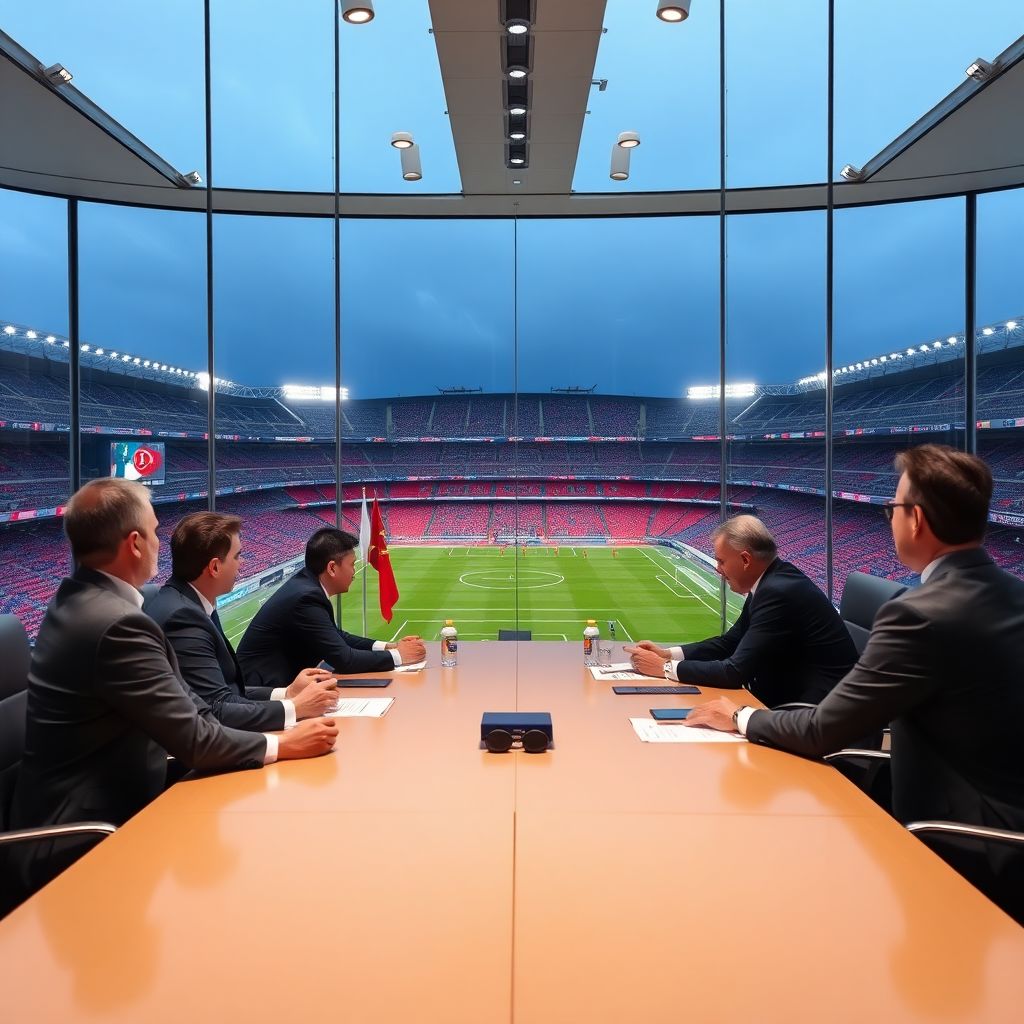
The business of football in Turkey rests on three pillars: the turkish football broadcasting rights market, domestic and international sponsorships, and diversified matchday and commercial income. Understanding how contracts are structured, who really controls negotiations, and how clubs can grow predictable cashflow is essential for sustainable strategy, not quick speculative wins.
Executive summary for industry readers
- Media income still anchors turkey football commercial rights and revenue streams, but contract volatility makes over-reliance dangerous for clubs and investors.
- Sponsorship is shifting from logo visibility to data-driven activation; brands demand measurable business outcomes, not only fan sentiment.
- Matchday and merchandising remain under-monetised compared with leading European markets, mainly due to stadium utilisation and weak retail execution.
- Regulation by TFF and league bodies strongly shapes revenue distribution; misunderstanding those rules leads to unrealistic financial planning.
- Digital rights, fan data and international audiences are where upside lies, yet governance, currency risk and political factors limit valuations.
- For any investing in turkish football media rights, contract structure, currency clauses and compliance protections matter more than headline deal size.
Common misconceptions about football business in Turkey
The first misconception is that Turkey mirrors the “big five” European leagues with a simple, media-driven model. In reality, the balance between broadcasting, sponsorship, and matchday revenue is less stable, and foreign exchange movements and regulation play an outsized role in outcomes.
Another myth is that large fan bases automatically translate into strong cashflow. A realistic football club revenues in turkey analysis shows gaps between potential and realised income: stadium occupancy, ticket pricing power, e-commerce capability and payment behaviour of fans all influence how much of that passion becomes actual revenue.
A third misconception is that all clubs capture value equally from the turkey football commercial rights and revenue streams. Distribution formulas, historic performance, and brand strength create large differences between the top clubs and the rest, which affects transfer policy, academy investment and even stadium maintenance decisions.
Finally, many executives assume that the market is too idiosyncratic to learn from Europe. While local specifics matter, comparison with peer leagues helps identify missed opportunities in premium hospitality, dynamic pricing, and structured B2B sponsorship packages tailored to Turkish sectors such as banking, telco and fast-moving consumer goods.
Broadcasting rights: market structure, negotiation dynamics, and recent deals
The turkish football broadcasting rights market is organised around centralised selling for the top division, complemented by separate arrangements for lower tiers, cups and some international rights. This structure concentrates negotiation power but also concentrates risk when a single contract is delayed or renegotiated.
-
Central rights packaging
Rights are typically bundled into live domestic matches, highlights, radio, and digital clips. Packages are designed to attract both major broadcasters and, increasingly, streaming platforms, but packaging decisions directly influence competition levels and final contract terms. -
Bidding and tender processes
Formal tenders invite bids on different packages. Beyond the headline number, key issues include currency of payment, indexation mechanisms, bank guarantees, and content production responsibilities. Clubs must model different scenarios because delays or legal challenges can disrupt cashflow timing. -
Domestic vs international monetisation
Domestic media value remains larger, yet international rights hold strategic importance for brand building. Bundling or unbundling international rights can affect both revenue and exposure. Under-utilised diaspora audiences represent a medium-term opportunity if distribution and pricing adapt to their needs. -
Payment schedules and compliance
The practical health of a deal depends on how strictly payment milestones are enforced and what remedies exist for late payment. Clubs and league bodies need contingency plans, such as credit facilities or reserve funds, when broadcaster liquidity becomes an issue. -
Investor perspective on media rights
For those investing in turkish football media rights, key diligence points include contract tenor, regulatory approval processes, potential political interference, and technology obligations (e.g., OTT platforms, production standards, anti-piracy measures) that may add substantial capex or opex to the deal.
Sponsorship ecosystem: brand partnerships, activation models, and valuation methods
Turkey super lig sponsorship deals span league-level partners, club main shirts, sleeve sponsors, training kit, stadium naming rights and category exclusivities. While the top clubs attract global brands, many mid-table and smaller clubs rely on domestic companies seeking regional reach or B2B relationships.
-
Traditional visibility-based sponsorships
These deals centre on exposure: shirt logos, LED boards, backdrops and media days. Valuation is often benchmarked against comparable clubs and TV exposure, but sustainability depends on clear deliverables and basic reporting on impressions and audience profiles. -
Digital and social media activation
Clubs increasingly sell integrated packages including social media content, co-branded campaigns, and influencer-style access to players. The brands expect engagement metrics, lead generation and sometimes direct sales attribution, pushing clubs to upgrade analytics and content production skills. -
Hospitality and B2B networking
Executive boxes, lounges and corporate events allow sponsors to host clients and decision-makers. In a Turkish context, relationship-building is critical, so well-run matchday hospitality can significantly enhance renewal rates and upsell opportunities for sponsorship tiers. -
Performance- and bonus-linked contracts
Some turkey super lig sponsorship deals include bonuses tied to league positions, European qualification, or social media milestones. While attractive for both sides, poor forecasting or overly optimistic targets can leave clubs with budget gaps if performance drops. -
Valuation and negotiation practice
Effective valuation blends benchmark data, audience demographics, brand fit and activation potential. Clubs benefit from building standardised tiered packages yet staying flexible with emerging sectors such as fintech, esports and online education, which have different expectations from classic FMCG brands.
Matchday, merchandise and commercial revenue: how Turkish clubs monetize fans
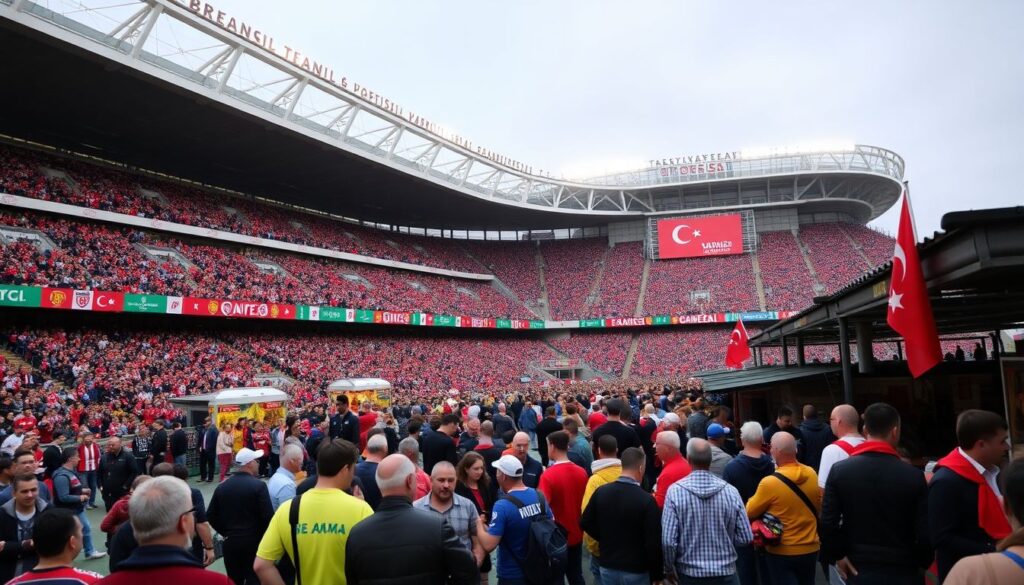
Beyond media and sponsorship, matchday and merchandise income are crucial components of turkey football commercial rights and revenue streams. Compared with some European leagues, Turkish clubs often under-monetise these areas due to infrastructure, pricing and retail execution challenges, but targeted improvements can deliver relatively quick wins.
Upsides of matchday and fan monetisation
- Matchday income in local currency can offset some currency mismatch from foreign-denominated costs.
- Premium seating, VIP lounges and corporate hospitality provide higher-yield revenue per seat than regular tickets.
- Well-designed club stores and online shops help capture fan passion through replica kits, lifestyle apparel and collectibles.
- Community events, stadium tours and non-football events (concerts, conferences) extend stadium utilisation beyond matchdays.
- Direct fan contact allows clubs to collect data, segment audiences and cross-sell memberships, digital content or branded financial products.
Constraints and execution challenges
- Stadium location, accessibility and safety perceptions influence attendance more than raw fan numbers suggest.
- Over-aggressive ticket pricing or poor category segmentation can reduce occupancy and long-term loyalty.
- Inconsistent product quality and limited size ranges in merchandise reduce conversion, especially for international fans.
- Weak e-commerce logistics, payment options and customer service limit online sales, particularly to the diaspora.
- Dependence on third-party retailers or licensors can shrink margins unless contracts are carefully structured.
Regulatory framework and revenue distribution: the roles of TFF, leagues and broadcasters
Understanding the regulatory environment is critical for reliable football club revenues in turkey analysis. Misreading the roles of the Turkish Football Federation (TFF), league bodies and broadcasters can lead to strategic errors, especially in budgeting and long-term investment planning.
-
Mistake: assuming pure market allocation of media income
Reality: Distribution formulas, often mixing fixed shares with performance-related components, play a major role. Clubs that plan budgets based only on last season’s receipts ignore potential rule changes and competitive performance swings. -
Mistake: underestimating licensing and financial fair play rules
Reality: TFF licensing criteria and financial controls affect squad registration, European participation and long-term debt capacity. Overlooking these constraints when signing players or borrowing against future income can trigger sanctions or forced asset sales. -
Mistake: believing broadcasters are passive payers
Reality: Broadcasters influence kick-off times, marketing campaigns and sometimes even sponsorship structures. Clubs need professional coordination with broadcasters to maximise exposure and avoid conflicts between club sponsors and league or media partners. -
Mistake: ignoring tax and labour regulations
Reality: Tax treatment of player salaries, image rights and transfer fees affects net cost structures. Small contract wording differences can generate large liabilities if not aligned with current interpretations from tax authorities and labour regulators. -
Mistake: assuming regulation is static
Reality: Rules on foreign players, youth quotas, betting sponsors and digital content evolve. Clubs must monitor regulatory discussions and participate in consultations rather than react after new rules are already in force.
Outlook and risks: digital rights, data monetization, geopolitical factors and financial sustainability
The next growth phase for the turkish football broadcasting rights market lies in digital distribution, personalised content and better use of fan data. However, political risk, currency volatility and regulatory shifts mean that rights holders and investors must prioritise resilience over maximal short-term valuations.
Clubs exploring new turkey football commercial rights and revenue streams increasingly test subscription-based digital products, data partnerships with betting and analytics companies, and collaborations with global platforms. Effective governance, transparent reporting and clear data ownership are prerequisites for these products to attract serious sponsors and investors.
From a risk-management perspective, diversification across media, sponsorship, matchday and international business lines is essential. Over-reliance on a single broadcaster, a single main sponsor or a single revenue currency exposes clubs to shocks that can quickly become solvency threats.
Mini-case: structuring a balanced five-year plan
A mid-table club aiming to stabilise finances could follow a simple sequence: (1) lock medium-term league and media projections using conservative scenarios; (2) repackage sponsorship inventory into clear tiers with digital deliverables; (3) invest modestly in stadium hospitality upgrades; (4) launch an improved online store targeting diaspora fans; (5) use any incremental cashflow to reduce short-term debt before committing to higher player wages. This practical framework applies lessons from more mature European leagues while respecting Turkish-specific regulatory and currency risks.
Practical operational questions for club executives
How should a club prioritise between media, sponsorship and matchday investments?
Stabilise media income assumptions first, then build predictable sponsorship packages, and finally allocate remaining capex to matchday and retail upgrades. Each investment should be tested against how fast it can generate cash and how exposed it is to external shocks.
What data does a club need before renegotiating its main sponsorship?

Collect audience profiles, digital engagement metrics, hospitality utilisation, and case studies of past activations. Sponsors expect concrete evidence of business impact, so prepare sector-specific proposals rather than generic packages.
How can smaller clubs attract meaningful sponsors in a crowded market?
Focus on regional strength, niche audiences or strong B2B communities rather than competing head-on with top clubs. Offer flexibility, access to players and tailored activation instead of simply discounting logo prices.
What is a realistic approach to international fan monetisation?
Start with a robust, bilingual online store, reliable shipping and local payment options for key diaspora markets. Only then consider international membership schemes or targeted content subscriptions.
How often should revenue-sharing and regulatory changes be reviewed internally?
At minimum, review them before each season’s budget and again at mid-season. Any public consultation or rumour of significant rule changes should trigger a rapid impact assessment.
What governance practices help when negotiating media and sponsorship contracts?
Use standardised contract templates, independent legal review and board-level approval for major deals. Keep a clear record of obligations, deliverables and performance metrics to avoid disputes and protect long-term relationships.
How can clubs prepare for potential broadcaster payment delays?
Build a conservative cash buffer, diversify short-term revenue sources, and maintain open communication with lenders. Budget critical expenses based on downside scenarios rather than optimistic media payment schedules.