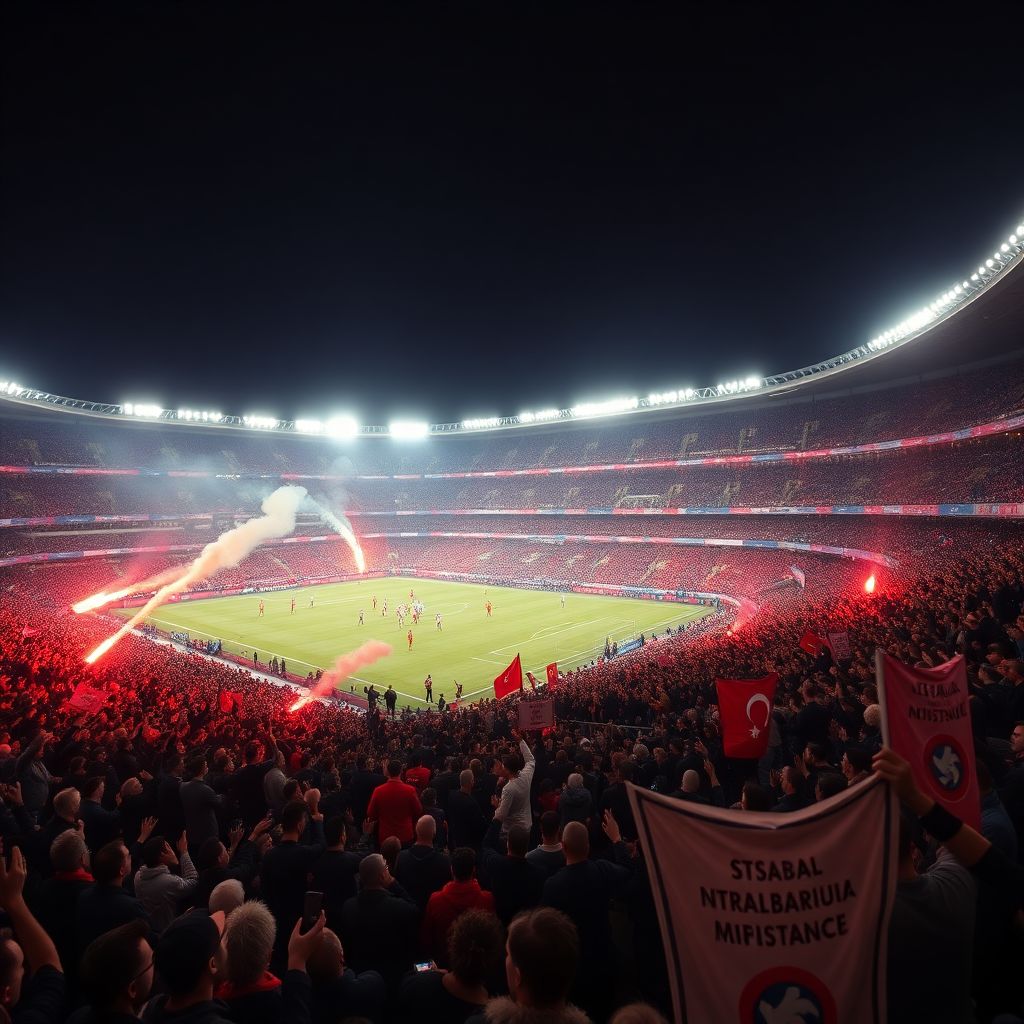
Legendary Turkish derbies are high‑intensity football clashes between Galatasaray, Fenerbahçe and Beşiktaş that mix history, politics and neighbourhood identity into one spectacle. Understanding their origins, atmosphere, myths and iconic moments helps you follow matches safely, avoid common fan and travel mistakes, and plan smarter tickets, hospitality and viewing options.
Core insights on legendary Turkish derbies
- Derbies are not just football matches; they are century‑old neighbourhood and class rivalries condensed into 90 minutes.
- Most safety issues and travel headaches come from poor planning around kick‑off times, stadium locations and fan routes.
- Media exaggeration fuels myths; actual matchday risk is usually manageable with basic precautions.
- Icons and key matches often get simplified into slogans, hiding the tactical and social context behind them.
- Commercial offers like Turkish football derby tickets Galatasaray Fenerbahce or hospitality packages can enhance the experience but must be checked for official accreditation.
- Respecting local fan customs and avoiding provocative behaviour is the fastest way to stay safe and enjoy the atmosphere.
Origins and early rivalries: how Galatasaray, Fenerbahçe and Beşiktaş diverged
The common myth says the three big Istanbul clubs were enemies from day one. In reality, early football in Istanbul was a small world: players and students often knew each other personally, and rivalries hardened gradually as each club came to represent a different social base and district.
Galatasaray SK grew from an elite school in Beyoğlu and symbolised educated, urban modernity. Fenerbahçe, born in Kadıköy on the Asian side, represented a more local, community‑rooted spirit. Beşiktaş, tied to a historic district close to the Bosphorus, carried a reputation of toughness and modest, working‑class identity.
As national politics and social change hit the Ottoman Empire and later the Turkish Republic, the derbies became a stage where identity debates played out safely. Over time, “Istanbul derby” started meaning not just Galatasaray vs Fenerbahçe, but also each club’s story against the others, with long memories of perceived injustices and turning points.
To follow the history without getting lost, anchor each rivalry in one simple line: Galatasaray versus Fenerbahçe as the cross‑Bosphorus clash, Fenerbahçe versus Beşiktaş as the battle of gritty neighbourhoods, and Galatasaray versus Beşiktaş as old‑city pride colliding with school‑born prestige.
Istanbul derby atmosphere: fan choreography, stadium soundscape and matchday logistics
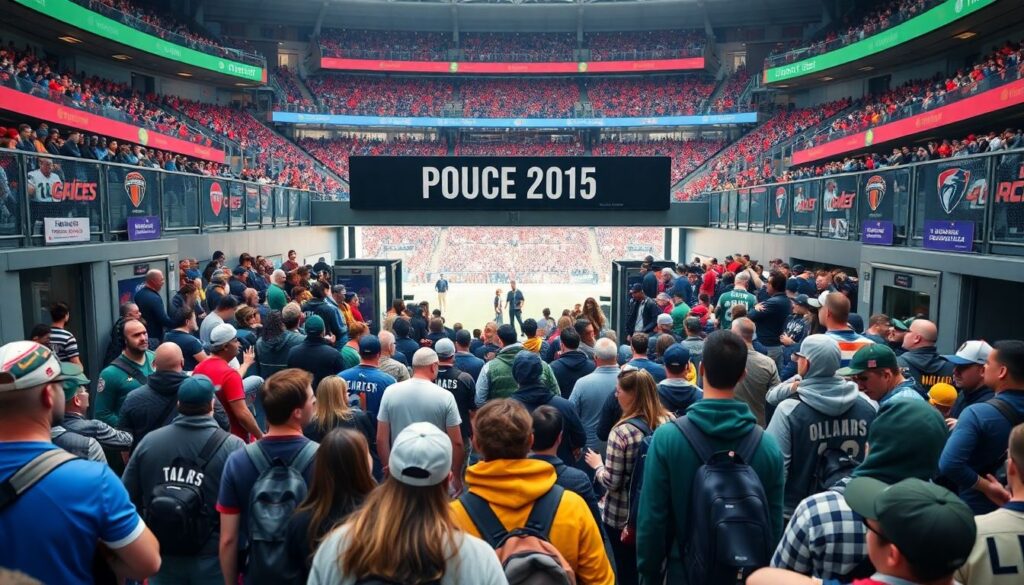
A frequent misconception is that the atmosphere is “chaos you cannot manage”. In practice, the choreography and logistics follow recognisable patterns; understanding them helps you enjoy the match and avoid common mistakes like entering the wrong gate, wearing rival colours in sensitive zones, or mis‑timing your travel.
- Pre‑match build‑up and arrivals
Home fans usually arrive very early to prepare banners, flags and large tifos. Police and stewards guide away fans along fixed routes, often with separate transport. To avoid stress, arrive earlier than you would for a normal Süper Lig game and follow local crowd flows instead of trying shortcuts. - Fan choreography and noise layers
The most intense songs are not random shouting: they are coordinated by capo leaders with megaphones or drums. Chants shift based on the score and referee decisions. Sit slightly away from the most hardcore ultras if you want atmosphere without constant standing or smoke. - Security lines and ticket control
Expect multiple police checkpoints before the stadium itself. Keep your ID ready, and never buy paper tickets from scalpers, even if Turkish football derby tickets Galatasaray Fenerbahce look genuine. Many last‑minute problems arise from invalid QR codes or mismatched IDs. - Inside the stadium: sectors and blind spots
Each stadium divides away fans, ultras and family blocks. Avoid walking through ultra sections with rival shirts or scarves. If you are neutral or a tourist, choose central, side‑stand seats where stewards are more present and crowd behaviour is calmer. - Exits, transport and post‑match emotions
The biggest mistake visitors make is leaving immediately at full‑time and ending up in compressed crowds. In hot derbies, away fans may be held back as home fans leave. Plan your route: know your bus, metro or taxi options and have a meeting point away from the stadium. - Remote viewing and hospitality
If you prefer distance from the most intense crowds, Istanbul derby match hospitality packages in official suites or lounges provide controlled access, food and separated seating. For viewers at home, prioritise legal Galatasaray vs Fenerbahce live stream HD options to avoid scams and malware‑infected “free stream” sites.
Myths first: common legends, misconceptions and their factual corrections
Many mistakes fans and visitors make come from memorable but misleading myths. Tackling them directly helps you decide how close to the action you want to be and what to avoid.
- “Every derby is dangerously violent by default”
The reality: security planning is intense, and most games pass without serious incidents inside the stadium. Problems usually occur when people ignore police directions, drink excessively before entering, or provoke rival fans with songs and gestures. Prevention: stay sober enough to react, follow steward instructions, and avoid taunting celebrations near opposing fans. - “Locals hate tourists at derbies”
In practice, many fans enjoy explaining songs and club stories to respectful visitors. Hostility usually targets perceived glory‑hunters mocking local suffering after a loss. Prevention: dress neutrally unless you support the home team, avoid filming people up close without consent, and do not joke about club tragedies or controversial refereeing decisions. - “You can always buy a ticket outside the stadium”
Scalpers selling fake or cancelled tickets are a recurring issue. Electronic ticketing and ID checks make unofficial resales risky. Prevention: use official club websites, trusted partners, or best tour packages for Turkish football derbies that clearly list match tickets as “officially issued” and name the provider. - “Merchandise is the same whether you buy it on the street or in a store”
Street scarves and shirts can be fun souvenirs but are often low quality or infringe club rights. Some designs may also offend opposing fans. Prevention: if you want durable kit or a gift, buy Super Lig derby merchandise Galatasaray Fenerbahce Besiktas from official club stores or licensed retailers, and use street gear mainly as a cheap, disposable extra. - “Derbies are only about passion, tactics don’t matter”
This myth leads people to overlook how managers control tempo, pressing and emotional swings. Some classic wins came from calm tactical tweaks, not just “more desire”. Prevention: when you watch, track how line‑ups change after red cards or goals; you will see patterns that explain narratives better than slogans. - “All three rivalries feel identical”
Each matchup has its own tone: Galatasaray-Fenerbahçe is defined by cross‑Bosphorus pride, Beşiktaş-Fenerbahçe often feels raw and streetwise, Galatasaray-Beşiktaş mixes old‑city tension with title‑race stakes. Prevention: read a short background on the specific derby you attend instead of assuming “one Istanbul derby fits all”.
Turning points on the pitch: decisive matches that rewrote derby narratives
Iconic scores are often quoted without context, which leads to simplistic myths like “this club always collapses in big games” or “that side has unbeatable mentality”. Looking at a short, clear match chronology per rivalry helps you avoid such over‑generalisation.
- Galatasaray-Fenerbahçe timeline snapshot
Think of three phases: early prestige duels in old grounds; title‑defining clashes in modern stadiums; and recent VAR‑influenced matches where technology shaped emotions. A red card, an away win after long drought or a stoppage‑time goal can reset how each fanbase sees itself for years. - Fenerbahçe-Beşiktaş turning‑point moments
Late comebacks and dramatic long‑range goals built the “never safe with a lead” myth in this rivalry. At the same time, solid defensive wins in difficult away atmospheres showed that discipline can silence intimidating crowds, challenging the narrative that heart always beats structure. - Galatasaray-Beşiktaş shifts
Several seasons saw one club dominate home fixtures while struggling away, feeding stories about “curses” in certain stadiums. Coaching changes, tactical switches between three‑man and four‑man defences, and brave substitutions with young players have repeatedly broken those imagined curses.
Benefits of knowing these turning points:
- You recognise when commentators recycle old clichés instead of analysing the current tactical reality.
- You can place new dramatic results in a longer narrative instead of seeing each match as a total reset.
- You better understand why older fans react so strongly to particular referees, stadiums or scorelines.
Limitations and common interpretive traps:
- Highlight reels ignore quiet but decisive moments such as midfield control, injury substitutions or weather conditions.
- Fans remember iconic wins more than grinding draws, which skews perceived dominance.
- Political and economic changes (stadium ownership, broadcasting deals) may influence squads more than any single “historic win”.
Derby icons: players, coaches and moments that became cultural shorthand
Names of legendary players and coaches often turn into single‑word arguments in fan debates: “He understood the derby, the others did not.” This hides real performance details and leads to unfair expectations for current squads.
- Oversimplifying leadership
Myth: one captain’s speech in the dressing room explains a famous comeback. Reality: weeks of preparation, tactical drills and opponent analysis matter at least as much. Quick fix: when you hear an iconic name, ask what specific on‑pitch action (pressing, positioning, decision‑making) made them special. - Ignoring tactical innovators
Some coaches are remembered only for emotional quotes, not for structural ideas like pressing height or full‑back roles. This leads fans to underrate quieter, methodical managers. Quick fix: pair every emotional memory with one tactical detail you can spot in highlights. - Confusing loyalty with effectiveness
A local player who “bleeds for the shirt” may still be tactically limited. Myth‑driven pressure can push clubs to select icons over fitter or more suitable teammates. Quick fix: separate symbolic value (club identity) from match suitability (form, opponent style). - Turning one goal into permanent status
Scoring in a decisive derby can define a career, but it does not automatically make a player a consistent big‑game performer. Quick fix: look at their total derby minutes, contribution in defence and build‑up, not just one finish. - Media‑created “derby specialists”
Commentary sometimes brands players as “always scoring in big games” based on a few matches. Quick fix: when hearing that label, notice whether the player is also trusted in tough away fixtures, not only in one famous win.
Derbies beyond sport: politics, security, media and societal impact
The phrase “it is just a game” does not fully apply to legendary Turkish derbies. Matches often mirror wider discussions about urban development, policing, national politics and media influence, but these links are frequently overstated or simplified into conspiracy talk.
Consider a condensed, realistic mini‑scenario that illustrates how broader forces and everyday decisions intersect around a single derby weekend:
- Day −7: scheduling and policing
League organisers, broadcasters and local authorities agree on kick‑off time by balancing TV ratings, religious calendars, and transport capacity. A later kick‑off raises concerns about increased alcohol consumption and night‑time crowd control. - Day −2: media and narratives
Sports channels fill hours with heated talk shows. Each club’s former players highlight old injustices, creating the feeling that “everyone is against us”. Social media clips are cut without context, amplifying anger and suspicion. - Matchday morning: city rhythm
Cafés decorate in club colours, families plan viewing at home, and some fans join best tour packages for Turkish football derbies that bundle stadium tours, museum visits and guided access to fan zones. Miscommunication about meeting points remains a common source of missed entries and stress. - Two hours before kick‑off: security funnel
Police, stewards and club volunteers manage separate flows for home and away supporters. Local residents adapt their routines: some rent parking spaces, others leave the area early to avoid congestion. Small frictions (queue‑jumping, aggressive chanting) are diffused or escalated depending on how quickly staff intervene. - Post‑match: stories that stay
Within minutes of the final whistle, a controversial foul or chant becomes a symbol of “respect” or “disrespect” for an entire group. Talk shows, fan podcasts and online spaces frame the match as proof of deeper societal truths, even when the original incident was a split‑second decision.
This simple chain shows how legendary Turkish derbies connect individual choices (how you travel, what you wear, how you react to provocation) with wider structures (media framing, policing strategy, transport planning). Understanding this link helps you avoid practical mistakes and resist being pulled into unnecessary escalation.
Common questions about legendary Turkish derbies
Which Turkish derbies are considered the most legendary?
The core legendary derbies involve Galatasaray, Fenerbahçe and Beşiktaş facing each other in Istanbul. The Galatasaray-Fenerbahçe clash is often highlighted globally, but local fans also rate Fenerbahçe-Beşiktaş and Galatasaray-Beşiktaş matches as equally intense and historically rich.
How can I safely buy tickets for a big Istanbul derby?
Use official club websites, federation platforms or well‑known authorised partners; avoid street scalpers and social‑media resellers. If a package includes “guaranteed” Turkish football derby tickets Galatasaray Fenerbahce, check that the seller clearly names the issuing club or official agency.
Is it safe for tourists to attend a Galatasaray-Fenerbahçe match?
Yes, if you follow basic precautions: buy legitimate tickets, arrive early, avoid provocative clothing or chants in mixed areas, and follow steward or police guidance. Many tourists attend these matches every season without issues, especially when seated in central or family sections.
What is the best way to watch if I cannot go to the stadium?
Choose an official broadcaster or licensed Galatasaray vs Fenerbahce live stream HD from your region to avoid scams and poor quality. In Istanbul, watching in neutral sports bars or hotel lounges is a good compromise between atmosphere and safety from ultra‑intense crowds.
Are hospitality and tour packages worth the price for derbies?
Istanbul derby match hospitality packages can be worth it if you value comfort, catering and controlled access more than raw ultra atmosphere. For visitors, curated city itineraries that include stadium tours and museum visits are often the best tour packages for Turkish football derbies.
Where should I buy official merchandise related to Turkish derbies?
Use club megastores, official online shops or licensed retailers inside shopping malls. Street stalls are fine for cheap souvenirs, but for quality and authenticity it is safer to buy Super Lig derby merchandise Galatasaray Fenerbahce Besiktas from recognised outlets.
How early should I arrive at the stadium for a legendary derby?
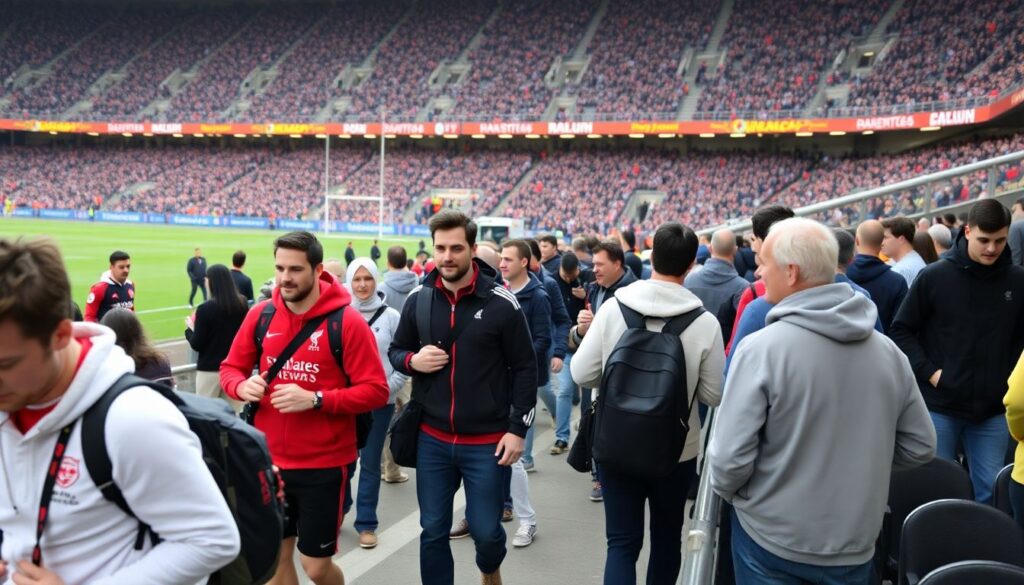
Arrive significantly earlier than for a normal league match to clear multiple security checks and find your seat calmly. For first‑time visitors, being inside at least an hour before kick‑off allows you to enjoy pre‑match choreography while avoiding last‑minute crowd pressure.