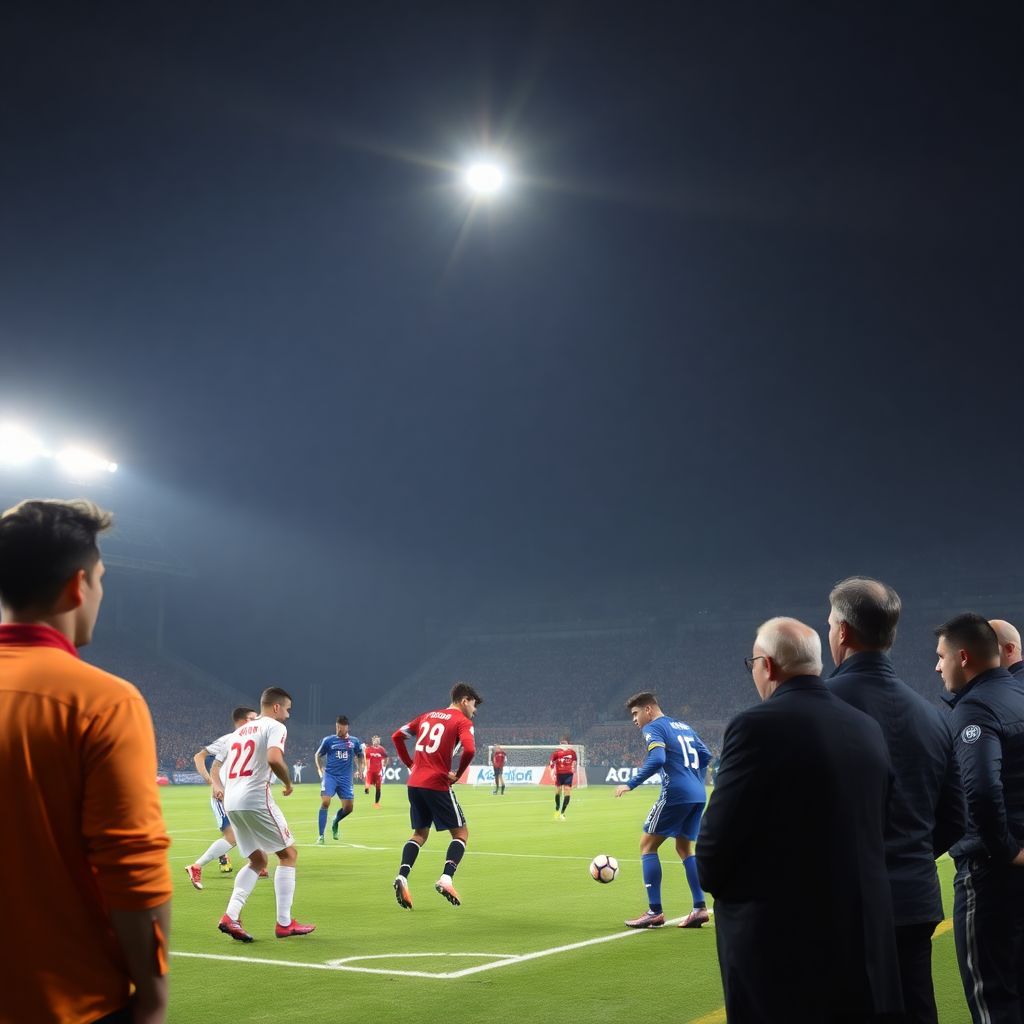
Foreign players in the Turkish Super Lig raise on-field quality, tactical diversity and international visibility, but can squeeze minutes for young locals if not balanced by strong development rules. The most effective approach is usually a moderate, clearly enforced quota combined with incentives and playing-time guarantees for Turkish youth, rather than extreme openness or rigid restrictions.
Policy brief: core conclusions
- Unrestricted foreign players in Turkish Super Lig squads improve short-term performance but risk shallow domestic talent pipelines.
- Moderate, predictable limits combined with homegrown minutes targets best balance league quality and national-team interests.
- Club licensing should link foreign recruitment to investment in academies and local coaching education.
- Broadcast and sponsorship value grows with international stars, yet long-term wage inflation can destabilise club finances without caps and planning.
- The impact of foreign players on Turkish football depends more on development structures than on the exact numerical quota.
- Any change to the Super Lig foreign player rule 2024 and beyond should be phased in with clear transition rules for clubs and players.
Süper Lig today: composition and foreign-player trends
When assessing Turkish Super Lig talent development vs foreign players, stakeholders should weigh several criteria before deciding how strict foreign limits should be.
- On-field quality and competitiveness – How much do current foreign signings raise tempo, technical level, and European competitiveness of Süper Lig clubs?
- Playing-time distribution – What share of key minutes in crucial positions (goalkeeper, central defence, central midfield, striker) goes to local versus foreign players?
- Youth integration pathway – How easily can an academy graduate win squad roles and progress from bench to starter when senior spots are filled by imports?
- Financial sustainability – Are foreign signings generating resale value, prize money, and commercial growth, or just adding wage pressure and short-term costs?
- Tactical and coaching influence – Do imported players and coaches transfer knowledge, modern pressing schemes, and positional play ideas to local teammates and staff?
- Regulatory clarity and stability – Are foreign-player rules clear, stable, and aligned with long-term strategy, or frequently changed, creating chaos in squad planning?
- National-team pipeline – Does the current balance help produce prepared Turkish players for senior and youth national teams, especially in scarce positions?
- League identity and fan perception – Do supporters view foreigners as adding prestige or as blocking locals, and how does that affect attendances and patience with projects?
- Comparative benchmarking – How does the Süper Lig’s openness compare to other mid-ranking European leagues with different foreign-player models and outcomes?
On-field quality: measurable gains and performance indicators
Policy debates around the impact of foreign players effect on Super Lig quality usually crystallise into four practical regulatory models. Each serves different stakeholders and risk profiles.
| Variant | Best for whom | Advantages | Drawbacks | When to choose this model |
|---|---|---|---|---|
| Liberal foreign-player policy (high or no strict quota) | Top clubs chasing European results and global visibility |
|
|
When the league’s priority is rapid uplift in international performance and brand, and academies are already strong enough to compete. |
| Moderate fixed quota with homegrown incentives | Federation balancing league quality with domestic development |
|
|
When aiming for balanced growth: steady improvement in league quality plus a clear pathway for Turkish youngsters into starting roles. |
| Strict low quota and mandatory local-starter rules | Associations prioritising national-team pipeline over club results |
|
|
When evidence shows severe underutilisation of local talent and when political pressure strongly favours domestic-player protection. |
| Hybrid dynamic quota linked to club development metrics | Leagues wanting flexibility and performance-based regulation |
|
|
When seeking to modernise regulation, reward best practices, and smoothly adjust the balance between foreigners and locals over time. |
Decision-tree table: align goals with a foreign-player policy
This table offers a quick route from strategic goal to an appropriate foreign-player model in the Süper Lig context.
| Primary strategic goal | Context in Turkish Super Lig | Recommended policy variant |
|---|---|---|
| Boost immediate league quality and European competitiveness | Clubs chasing UEFA money and prestige; foreign players in Turkish Super Lig already common | Liberal foreign-player policy, with monitoring of wage levels and squad balance |
| Balance club success with a strong national team pipeline | Debates on impact of foreign players on Turkish football and local minutes in key roles | Moderate fixed quota with explicit homegrown minutes incentives |
| Rescue domestic talent pathways after years of neglect | Evidence that young locals rarely reach senior squads despite academy investments | Strict low quota plus mandatory local-starter slots for a transitional period |
| Encourage sustainable club management and academies | Need to align Super Lig foreign player rule 2024 reforms with financial and development objectives | Hybrid dynamic quota tied to academy output, financial health, and youth playing time |
Tactical and developmental contributions from abroad
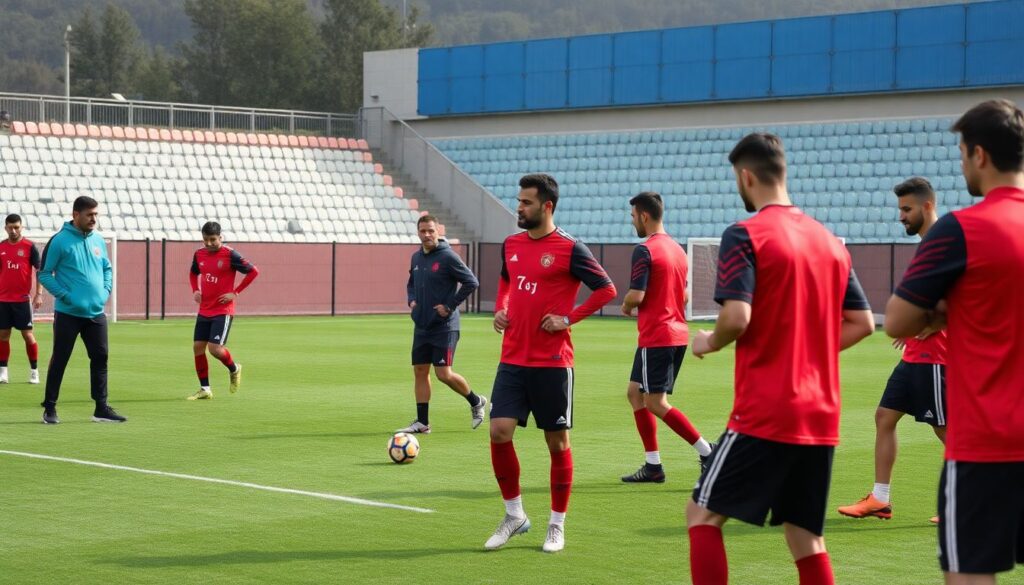
Foreign players and coaches shape how Turkish teams train, press, and manage games. Used wisely, they become accelerators rather than blockers for local players.
- If a club lacks leaders who understand modern pressing and build-up, then recruiting experienced foreigners in spine positions should be paired with clear mentoring roles for Turkish teammates.
- If an academy regularly produces technically gifted attackers but struggles defensively, then foreign defenders and holding midfielders can raise training standards and teach positioning details.
- If local coaches are tactically conservative, then hiring foreign assistants or head coaches with clear development plans can spread new ideas down to youth teams.
- If young Turkish players cannot break into the starting XI because of imported veterans, then performance-based rotation rules and cup-game guarantees can turn competition into learning, not pure blockage.
- If analysis of foreign players effect on Super Lig quality shows improvement but stagnation in local roles, then setting positional caps (for example, at goalkeeper or centre-back) may protect key development areas.
- If a club focuses on player trading, then combining smart foreign recruitment with pathways for local prospects creates mixed squads that are both competitive and profitable.
Economic drivers: transfer markets, broadcasting and club balance sheets
Deciding how open the league should be to foreigners also demands a clear financial decision process for each club and for the federation.
- Define your revenue vision: clarify whether the main growth engine is European competition, local broadcasting, international rights, or player trading.
- Map current wage structure: identify how much of the wage bill goes to foreign players and whether their output justifies that share in results and commercial value.
- Assess resale and loan markets: examine whether foreign arrivals in recent years were mainly short-term free transfers or assets that generated transfer profit.
- Stress-test for shocks: simulate what happens to your budget if broadcasting revenue drops or you miss Europe; check whether expensive foreign contracts remain sustainable.
- Link policy to licensing: as a federation, decide which foreign-player configurations (for example, high numbers of older imports) require extra proof of financial sustainability.
- Prioritise academy ROI: compare the cost of one established foreign squad player with the cost of upgrading scouting, coaching, and infrastructure that could develop several locals.
- Phase in changes: if rules shift toward more or fewer foreigners, give clubs a transition period to unwind contracts sensibly without fire sales or legal disputes.
Impact on domestic youth pathways and squad opportunities
The main risk of heavy reliance on imports is structural: good Turkish prospects may never accumulate the minutes needed to reach elite level. Policy and club practice should avoid these recurring mistakes.
- Confusing squad registration with development: counting academy graduates on the team sheet while giving them almost no actual league minutes.
- Overloading attacking roles with foreigners while expecting locals to cover less glamorous positions without proper coaching and patience.
- Short-term panic signings in winter windows that immediately push young players back to the stands instead of trusting them through form dips.
- Ignoring second teams and loans: failing to create structured pathways via 1. Lig or 2. Lig where Turkish prospects can play full seasons as starters.
- Measuring success only by league table and not by the number of developed players who become reliable Süper Lig or national-team contributors.
- Lack of coordination between academy philosophy and first-team transfer strategy, leading to duplicated profiles of foreign players in positions where locals already excel.
- Allowing tactical conservatism to hide behind foreigners: assuming imports are automatically more ready instead of building game plans around local strengths.
- Under-investing in individual development staff (analysts, fitness coaches, mentors) who can help young Turks close the gap to seasoned imports.
- Frequent changes to rules about foreigners, creating unstable expectations for youth players and their families.
- Overreacting politically to a single tournament result by sharply tightening or loosening foreign limits instead of evaluating long-term trends.
Regulatory scenarios: quota models, incentives and case studies
Mini decision tree for policymakers and clubs
- If your main priority is quick improvement in European results and TV value, choose a liberal foreign-player model but pair it with strong academy licensing and financial controls.
- If your main priority is producing a deeper national-team pool without crashing club competitiveness, choose a moderate fixed quota plus homegrown minutes targets.
- If your main priority is repairing a broken development system after years of neglect, choose a stricter quota and local-starter rules for a limited, clearly defined cycle.
- If your main priority is rewarding good governance and long-term planning, choose a dynamic quota where clubs earn more foreign slots through academy output and sustainable finances.
The best approach for the Süper Lig’s short-term quality and international credibility is usually a liberal or moderately open foreign-player framework. The best approach for long-term domestic talent depth is a moderate or dynamic quota with strong incentives for academies. The best approach for political visibility is a clear, stable rule set that fans understand and see applied consistently.
Practical stakeholder dilemmas and short answers
Are foreign players mainly blocking or boosting Turkish youth?
They boost overall quality and learning opportunities but can block minutes if numbers are high and clubs lack integration plans. The effect depends less on the raw quota and more on whether teams set clear pathways and rotation policies for local prospects.
What foreign-player model should mid-table Süper Lig clubs follow?
Most mid-table teams benefit from a moderate quota: a core of experienced foreigners in key positions, surrounded by locally developed players. This balances survival, potential European qualification, and space for academy graduates.
Does tightening foreign limits automatically improve the national team?
No. Stricter limits create opportunities but do not guarantee quality. Without strong academies, coaching education, and competitive environments, extra minutes for locals may not translate into better international performances.
How can a club justify keeping many foreigners and still support Turkish talent?
By documenting individual development plans, ensuring meaningful minutes for a set number of locals, and investing a fixed share of revenue into youth structures. Transparent communication with supporters and federation also matters.
Should positional quotas be used in the Süper Lig?
Positional quotas can protect specific areas, such as goalkeepers or central defenders, but risk distorting the market. They are best used temporarily, with clear review dates and alongside strong position-specific coaching programmes.
How fast should the league change its foreign-player rules?
Changes should be phased, with at least one full season of advance notice where possible. Sudden shifts damage planning, create legal risks, and can undermine both financial stability and youth development projects.
Can financial fair play and foreign-player rules work together?
Yes. Linking higher foreign limits to proof of sustainable finances and academy investment aligns incentives: only well-managed clubs can maintain large foreign contingents, while others must rely more on local development.
Комментарии