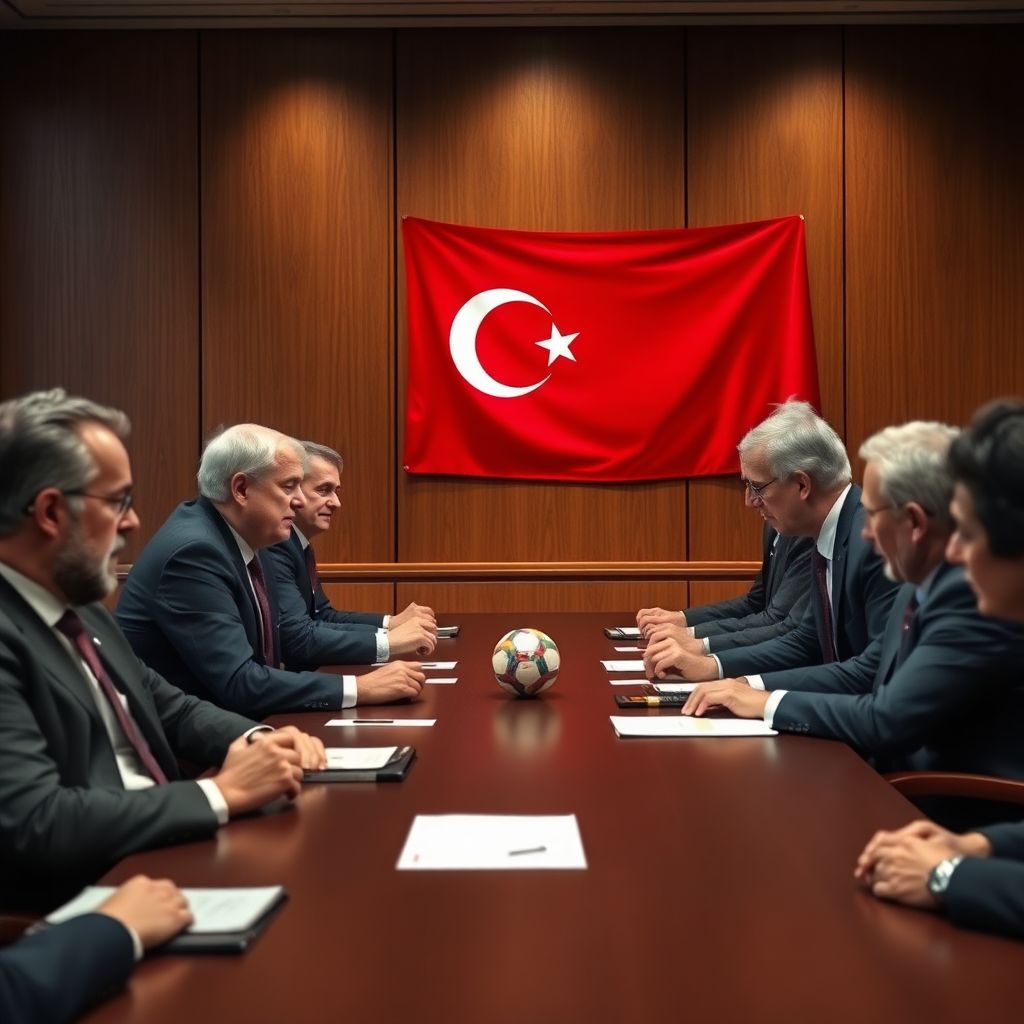
Political and economic changes in Turkey affect football clubs mainly through three channels: state-related decisions, overall economic conditions and currency movements. These shape club budgets, debts, sponsorships and transfer strategies. To read turkish football transfers 2024 correctly, you must separate real financial constraints from political narratives and understand how rules and macro trends limit or expand each deal.
Myths About Political and Economic Influence on Turkish Football
- Myth: The state directly controls every big transfer; reality: clubs still operate under licensing, budget and debt rules that limit what politics alone can do.
- Myth: A strong economy always means stronger clubs; reality: distribution of income and debt management matter more than headline growth.
- Myth: Currency depreciation only harms clubs; reality: it hurts imports but can increase export value of players sold abroad.
- Myth: New foreign player rules Turkey Super Lig are purely political; reality: they mix technical, financial and development goals.
- Myth: All turkey football clubs investment opportunities are politically driven; reality: investors usually care first about revenue potential and risk.
- Myth: Super lig transfer news and rumors reflect secret political deals; reality: most moves are simple responses to wage budgets and squad needs.
Debunking Common Beliefs on State Intervention and Club Autonomy

Myth-first statement: Political power decides everything in Turkish football, and clubs are just executors. This sounds attractive but hides a more mixed and legalistic reality.
In practice, Turkish clubs sit between political influence and formal autonomy. Governments and local authorities can shape stadium projects, tax rules, public guarantees and indirect support. However, clubs are still separate legal entities that must follow federation regulations, licensing criteria and general company law.
Political actors may signal preferences for stability, success or prestige, especially around big city clubs. Yet they cannot ignore rules on contracts, financial reporting and international transfer regulations. Even when a political figure supports a deal, the club must fit total wages, squad size and compliance checks.
This balance explains why, despite intense debate, many highly publicised transfer ideas never materialise. Constraints from budgets, fair competition rules and international governing bodies are structural, while political support is temporary and often limited to specific projects or short windows.
How Macroeconomic Trends Reshape Club Financing and Debt Structures
Myth-first statement: If the national economy grows, clubs will automatically be rich and safe. Reality is more about how macro trends pass through to each club’s income and debt profile.
- Inflation and wage dynamics
Higher inflation can push player salaries and operating costs upward. If broadcasting and sponsorship income does not rise at the same pace, real purchasing power of clubs falls, and they respond by shortening contracts, delaying payments or shifting to more loan deals. - Interest rates and refinancing costs
When borrowing costs increase, rolling over existing club debt becomes harder. Banks tighten conditions, ask for better collateral or faster repayment. Clubs with structured repayment plans gain relative safety, while others must cut transfer spending to service old obligations. - Growth and fan spending power
General economic growth affects ticket sales, merchandising and hospitality. In weaker periods, average spending per fan often drops, forcing clubs to rely more on central broadcasting money and less on matchday revenues. - Public finances and indirect support
Changes in public budgets influence stadium subsidies, infrastructure around stadiums and sometimes payment terms on taxes or social security contributions. Signals of stricter enforcement can quickly change club priorities from ambitious recruitment to basic survival. - Banking sector health
A cautious banking system can limit easy overdrafts and unsecured loans that once covered shortfalls. This pushes clubs towards selling players earlier, co-ownership structures or heavier use of performance-based contracts instead of large guaranteed salaries.
Policy Shifts, Legal Reforms and Their Direct Effects on Transfers
Myth-first statement: Transfer markets only react to coaches and agents; legal reforms are background noise. In reality, policy shifts often set the boundaries of the entire window.
- Changes in squad registration and foreign player rules
Adjustments to foreign player rules Turkey Super Lig directly affect how many domestic players a club must keep, how it values local talent and which positions are reserved for foreign signings. This reshapes price levels and opens or closes doors for specific profiles. - Taxation of salaries and bonuses
Alterations in tax treatment of football income can change net wages for both domestic and foreign players. When take-home pay falls under the same gross salary, some players request higher offers or look to other leagues, reducing the attraction of Turkish clubs. - Financial fair play and licensing standards
Tighter domestic licensing and financial fair play style rules translate into caps on wage bills, obligations to reduce overdue payables and requirements for realistic budgets. Clubs under monitoring often prefer low-risk loans, free agents and performance-linked contracts instead of high up-front fees. - Transfer window timing and registration rules
Adjustments to opening and closing dates of windows can compress or extend negotiation periods. Shorter windows increase pressure and often raise costs, while synchronisation with other leagues can help clubs plan outgoing and incoming moves more rationally. - Regulation of intermediaries and transparency
New rules on agents, disclosure of commissions and contract registration can reduce some informal practices. While this may slow certain deals, it also pushes clubs to standardise processes and rely more on internal scouting than on opportunistic proposals.
Currency Fluctuations, Foreign Investment and Player Valuation Dynamics
Myth-first statement: When the local currency weakens, everything becomes disastrous and nothing positive follows. The real picture is asymmetric: imports suffer, exports sometimes benefit.
Advantages and Opportunities
- Competitive sales to stronger currencies
Clubs earning transfer fees in stronger foreign currencies may cover a large portion of domestic costs. For selling clubs, international buyers can find Turkish players relatively affordable, supporting outbound moves even during local downturns. - Lower entry cost for foreign investors
Currency weakness can make equity stakes in clubs, real estate around stadiums or commercial rights cheaper in foreign currency terms. This shapes turkey football clubs investment opportunities, especially for long-term investors willing to tolerate volatility. - Negotiation leverage on outgoing stars
When international demand is high, Turkish clubs can sometimes hold out for slightly better terms because the relative difference in foreign currency is modest for the buying club but large at home.
Limitations and Risks
- Higher cost of foreign-denominated contracts
Players and coaches often prefer foreign currency wages. When the local currency drops, clubs face rapidly rising wage burdens in local terms, forcing cuts, restructurings or late payments that damage reputation. - Reduced ability to buy from abroad
Importing players from leagues paid in stronger currencies becomes difficult. Clubs then pivot to loans with buy options, free agents or domestic markets, which also changes the shape of super lig transfer news and rumors. - Unstable club valuations
Frequent currency swings make it hard to agree fair valuations for club shares or long-term sponsorships. Potential investors may delay decisions, or require additional protections, diluting the financial benefits for clubs. - Perceived risk premium
In a volatile environment, both players and sponsors often demand higher compensation to accept uncertainty, further straining budgets and increasing the gap between headline income and effective spending power.
Commercial Revenues: Sponsorship, TV Rights and Their Political Drivers
Myth-first statement: Sponsorship and broadcasting deals are just gifts from politically connected companies. Reality involves a mix of market logic and political context.
- Overestimating endless TV growth
Many assume broadcasting income will always climb. When it stagnates or falls, clubs that built wage bills on optimistic projections struggle, and must adjust transfer activity abruptly, often selling key players earlier than planned. - Ignoring sponsor risk concentration
Depending heavily on one or two politically exposed sponsors is risky. Policy changes, regulatory investigations or shifts in public contracts can quickly hit that sponsor and, by extension, the club’s main income stream. - Confusing visibility with profitability
Chasing politically prestigious sponsors or events can boost visibility but not necessarily net income. High activation costs, free tickets and bundled obligations may reduce the true benefit for the club. - Assuming political alignment guarantees money
Clubs sometimes expect that a favourable political relationship will automatically secure more sponsors or better TV terms. Without realistic audience numbers and professional sales work, these expectations often remain unmet. - Neglecting long-term contract flexibility
In a volatile environment, signing inflexible long deals can trap a club at below-market income if the league’s appeal rises, or above-market obligations if it falls. Clauses linking payments to performance and audience indicators help manage this risk.
Comparative Case Studies: Big-Issue Consequences for Major and Mid‑Tier Clubs
Myth-first statement: Political and economic shocks hit all clubs the same way. In reality, size, fan base and balance sheets create very different outcomes.
Large clubs with strong brands may secure better rescue packages, refinancing options or sponsor interest when conditions worsen. However, they often start from higher wage bills and deeper debt, so small percentage shocks can translate into heavy absolute pressures on finances and transfers.
Mid-tier and smaller clubs may feel less political pressure but have thinner safety nets. A single lost sponsor or a poor season can force them to switch from long-term squad building to urgent sales of their best players, even after successful campaigns.
A simple way to see how Turkey economy affects football transfers is to compare a big and a mid-tier club in the same window: the big one typically adjusts by restructuring existing contracts and renegotiating with sponsors, while the smaller one is more likely to change recruitment towards loans, domestic bargains and academy promotions.
Short Algorithm to Check the Real Impact on a Club
- List the major recent political or economic events you think might matter.
- Check the club’s latest public information on debt, wage bill share of revenue and main sponsors.
- Look at transfer activity: more sales, more loans, shorter contracts or focus on free agents usually signal financial pressure.
- Compare this window to the previous one; if the pattern changed sharply after key events, an impact is likely.
- Cross-check with independent reporting rather than relying only on headlines or rumours.
Practical Clarifications and Short Answers
How do political decisions most visibly affect Turkish transfer windows?
They mainly affect club finances through stadium policies, tax enforcement, sponsorship climate and regulation of borrowing. These channels then shape whether a club can pay transfer fees, match salaries or must shift towards loans and cheaper domestic options.
Why does currency volatility matter so much for transfers in Turkey?
Many contracts, especially for foreign players, are linked to stronger currencies. When the local currency weakens, the real cost of those contracts rises quickly, forcing clubs to renegotiate terms, release players or avoid new foreign signings altogether.
Are rumours about politically ordered signings usually accurate?
Occasionally a transfer aligns with political narratives, but most super lig transfer news and rumors exaggerate this. Budget limits, coach preferences, squad needs and licensing rules typically explain more than alleged political orders.
What should an investor look at before backing a Turkish club?
Key checks include revenue diversity, debt structure, exposure to foreign currency, stability of sponsors and clarity of local governance. Evaluating turkey football clubs investment opportunities without this context risks underestimating political and economic volatility.
How can fans evaluate whether a club is handling crises well?

Fans can watch for proactive wage restructuring, realistic transfer strategies, investment in youth and transparent communication. Clubs that adjust early and explain the link between economics and squad planning tend to weather shocks better.
Do rule changes about foreign players always weaken local talent?
Not necessarily. Depending on the details, they can either protect opportunities for locals or reduce their artificial price inflation. The actual effect depends on how clubs balance youth development with the desire for short-term results.
Why do some clubs still make big signings during difficult times?

They may secure exceptional sponsor deals, sell key assets to fund arrivals or simply take more financial risk. A headline signing during a tough period does not always mean the underlying finances are healthy.