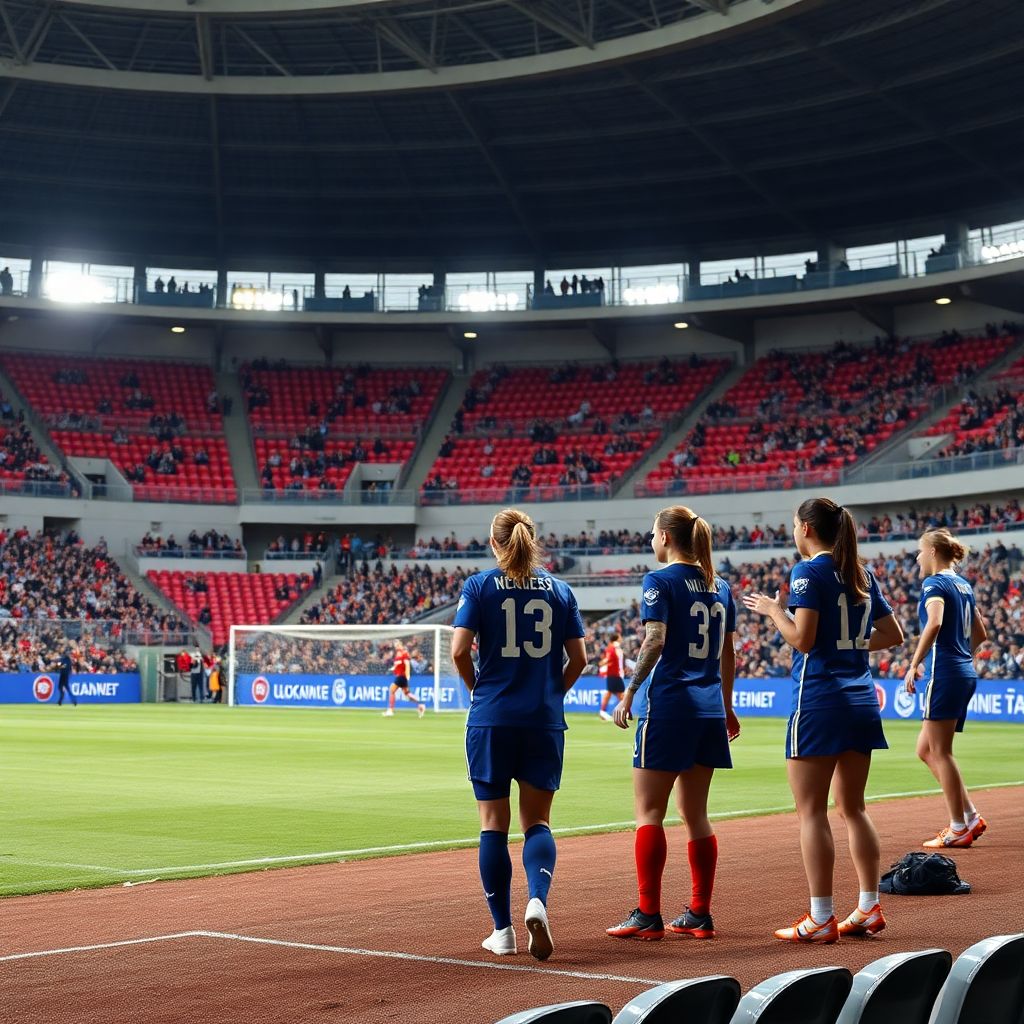
Women’s football in Turkey is growing but still constrained by weak funding, patchy development pathways and limited media coverage. The turkish women’s football league has a formal structure and some big-club backing, yet many teams remain semi-professional. Safe progress depends on realistic budgets, long-term youth investment and stronger institutional protection for players.
Snapshot of women’s football in Turkey
- women’s football turkey has a formal league pyramid but large gaps between elite and grassroots levels.
- Most women’s soccer teams in Turkey operate with semi-professional conditions and limited medical and training resources.
- professional women’s football clubs turkey increasingly link to major men’s clubs, improving visibility but not yet sustainability.
- Development relies on scattered schools and women’s football academy turkey projects, without a fully integrated national pathway.
- Media coverage is improving but still inconsistent, limiting sponsorship and fan growth.
- Regulation exists, yet enforcement around contracts, safety and equality is uneven.
Historical foundations and recent milestones
women’s football turkey has roots going back several decades, but the development has been irregular, with periods of activity followed by stagnation. For years, local initiatives and enthusiasts carried the game forward without consistent institutional backing, so structures were fragile and easily disrupted by economic or political shifts.
The modern era began when national federation recognition became more formal and a regular national competition framework emerged. The establishment of an official turkish women’s football league gave clubs and players a clearer target: a stable calendar, defined age categories and a path to national-team selection. This created basic predictability for training and investment.
Recent milestones include more women’s soccer teams in Turkey affiliating with established men’s clubs, the appearance of Turkish players abroad, and national-team participation in higher-profile European competitions. These steps matter symbolically and practically: they normalise the women’s game in mainstream football culture and encourage families to support girls who want to play.
The safe path forward is evolutionary rather than explosive growth. Instead of chasing quick “big league” dreams, the priority is strengthening club infrastructure, medical standards and coaching education to make sure every incremental expansion is sustainable.
- Map your club or project against the main historical shifts: recognition, league formation, club affiliations.
- Identify one concrete milestone (licensing, youth section, or facility upgrade) you can realistically reach in the next two seasons.
Recommendation: treat historical milestones as a ladder and focus on the next safe step, not on skipping straight to full professionalism.
Current league structure and club ecosystem
The turkish women’s football league system is organised in multiple tiers, with a top division, lower national levels and youth categories. Promotion and relegation connect these levels, but the quality gap between divisions is often wider than the formal structure suggests.
- Top division: Hosts the strongest professional women’s football clubs turkey, many of them attached to famous men’s teams. These clubs usually have better pitches, medical support and media attention, though squad depth can still be limited.
- Lower national tiers: Contain a mix of independent community clubs and smaller affiliates of men’s clubs. Travel costs and facility access here can be major obstacles, leading to irregular training and match preparation.
- Youth and academy leagues: Various age categories exist, but coverage is uneven by region. Some areas offer a clear ladder from U13 to senior level; others lack even basic organised competition for girls.
- University and school competitions: Important “parallel” ecosystem that feeds players into club football. Coordination between schools, universities and club coaches is still underdeveloped.
- Regional disparities: Larger cities host most competitive women’s soccer teams in Turkey, while smaller towns may have only one or no active side, limiting local options for talented girls.
The structural risk is over-expanding divisions without ensuring minimum standards for facilities, medical coverage and coaching, which can expose players to avoidable injuries and burnout.
- Assess which tier best matches your club’s financial and organisational capacity before pushing for promotion.
- Prioritise meeting minimum safety standards (pitches, medical presence, insurance) over adding more teams or competitions.
Recommendation: grow inside the league structure only when you can guarantee basic welfare and competitive standards at your current level.
Player development pathways and grassroots programs
A complete pathway for players should connect first contact with the ball to elite performance. In practice, the route in women’s football turkey is often fragmented, especially outside major cities, so safe and realistic planning is crucial.
Typical development scenarios include:
- School-based entry: Many girls first play in physical education classes or school teams. Without local women’s clubs, their progress can stall after a few years, even if they have talent.
- Early club training: Some regions offer mixed-gender grassroots teams or dedicated girls’ squads from a young age. This gives better technical foundations but may lack specialised female-focused coaching or safeguarding policies.
- women’s football academy turkey projects: Academies run by clubs, municipalities or private operators provide more intensive training. Quality varies: some have licensed coaches and clear curricula; others overpromise “professional contracts” without realistic pathways.
- University and scholarship routes: Older players might access better training and competition at university level, sometimes combining studies with club football. Coordination with elite clubs is improving but still inconsistent.
- Moves abroad: A small number of players step to foreign academies or clubs. These moves can accelerate growth but bring legal, educational and adaptation risks if not planned carefully.
Safe development focuses on gradual workload increases, qualified coaching and protected education. Pushing players into unrealistic trials, overloaded schedules or low-quality academies can lead to injuries, burnout and disappointment.
- Ensure each player has a clear, age-appropriate next step (school team, club, academy, or university) within reasonable travel distance.
- Verify any academy’s licensing, coaching qualifications and safeguarding policies before committing money or long-term contracts.
Recommendation: build or choose pathways that balance football ambition with education, health and family stability.
Financial landscape: funding, sponsorship and compensation
Financially, women’s football turkey operates with tight margins. Even in the top division, many clubs rely on the backing of men’s clubs, municipalities or a small group of sponsors. Revenue from ticketing and merchandising is still limited, and broadcasting deals are only beginning to develop.
Because of this, a large share of players in the turkish women’s football league receive modest stipends or part-time salaries rather than full professional contracts. Some combine football with education or other work, which can be positive for long-term security but also adds workload and recovery challenges.
Safe financial planning accepts these constraints instead of pretending that every club and player can turn fully professional immediately. Overpromising salaries or benefits is one of the quickest ways to destabilise a club and damage trust with players and families.
Advantages of the current financial model
- Lower overall costs reduce the risk of dramatic club bankruptcies.
- Flexibility to test new competitions and formats without massive financial exposure.
- Space to build sponsorship on authentic community ties rather than short-term hype.
Limitations and financial risks
- Inadequate player compensation can push talent away from the game or abroad.
- Dependence on a single sponsor or municipality makes clubs vulnerable to policy changes.
- Limited budgets often mean weaker medical support, sports science and facilities.
- Create multi-year, conservative budgets assuming flat revenue and only gradual cost increases.
- Be transparent with players and staff about financial limits, avoiding verbal promises you cannot formalise in contracts.
Recommendation: prioritise financial stability and minimum welfare standards over rapid increases in wages or transfer spending.
Governance, regulation and institutional barriers
Governance for women’s football turkey formally sits within the national federation and its regional branches, but implementation on the ground can vary. Rules about licensing, youth structures and facilities exist, yet oversight is sometimes lighter for women’s teams than for men’s equivalents.
This environment generates recurring misunderstandings and myths that can slow safe growth.
- Myth: “Women’s football is not regulated, so anything goes.” In reality, federation regulations, disciplinary codes and licensing criteria do apply; the issue is awareness and enforcement, not their existence.
- Myth: “Volunteer governance is enough.” Relying only on volunteers for legal, financial and safeguarding responsibilities exposes clubs and players to avoidable risks, from unpaid wages to unclear insurance coverage.
- Myth: “Contracts are unnecessary if we trust each other.” Verbal agreements are fragile. Even basic written contracts protect both players and clubs and clarify expectations.
- Error: Ignoring safeguarding and harassment procedures. Without explicit policies and reporting channels, players may stay silent about problems, which damages long-term participation and reputation.
- Error: Weak communication with parents and schools. Failing to align training loads, exam periods and travel plans can create burnout and conflict for young players.
Safe governance means putting simple but clear structures in place, even at small clubs: written policies, basic contracts, named welfare officers and regular communication channels with stakeholders.
- Review federation regulations that apply to your team and translate the key points into a one-page internal guide.
- Introduce at least one formal document this season (basic contract, code of conduct or safeguarding policy) if none exist yet.
Recommendation: treat governance as essential player protection, not as optional paperwork.
Media exposure, public perception and commercial opportunities
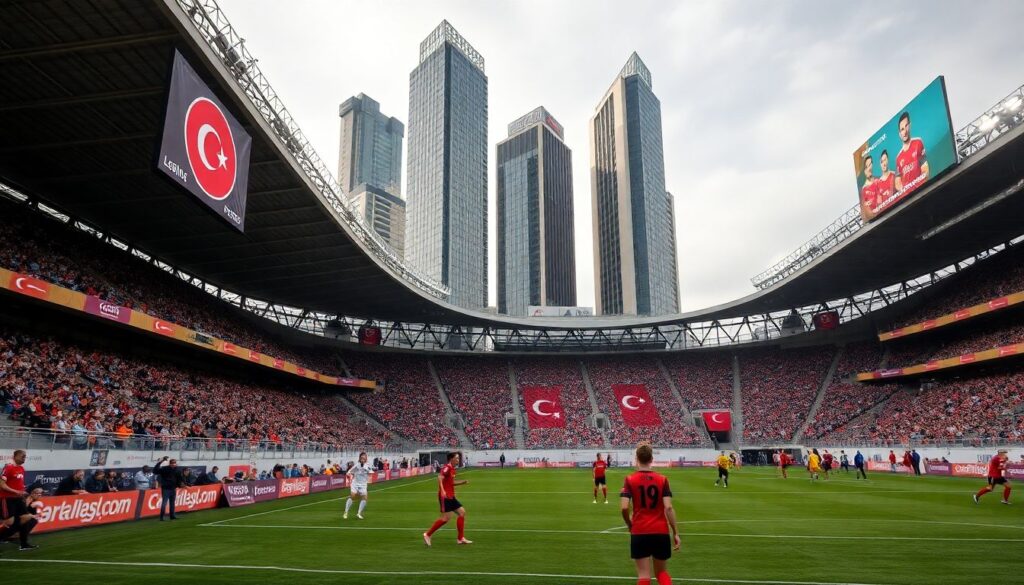
Media visibility for women’s soccer teams in Turkey has improved, especially when big-name men’s clubs launch women’s sections. However, coverage is still irregular, focusing on high-profile derbies or national-team stories while everyday league matches receive limited attention.
This shapes public perception: many people know that women’s teams exist but do not clearly understand the level of play, league calendar or how to attend matches. The commercial impact is direct: sponsors hesitate when they cannot see consistent exposure, and clubs struggle to justify investment in marketing staff or campaigns.
A simple, low-risk media strategy can already change this dynamic. For example, a club might:
- Publish basic match information and short reports on its website and social channels every game week.
- Share two player stories per month that highlight education, career goals and community work, not only results.
- Coordinate with local media to provide ready-made photos and quotes so coverage becomes easy and low-cost for journalists.
This “steady flow” approach reassures potential sponsors that supporting professional women’s football clubs turkey is a visible and positive investment, even if national TV coverage remains limited in the short term.
- Define one realistic media channel to prioritise this season (local TV, radio, Instagram, or club website) and post consistently.
- Track simple metrics such as attendance, social followers or local news mentions to demonstrate growth to partners.
Recommendation: focus on consistent, low-cost storytelling instead of waiting for one big national media breakthrough.
Self-checklist for safe, realistic growth planning
- Have you matched your club’s ambitions to its real financial and organisational capacity?
- Do your players have clear, age-appropriate pathways that respect education and health?
- Are basic governance tools (contracts, policies, communication channels) in place and understood?
- Have you identified at least one stable funding source and one priority media channel?
- Do you review and adjust your plans yearly based on actual data, not only hopes?
Practical questions with concise answers
Is women’s football in Turkey fully professional today?
No. Some top-division clubs operate near professional standards, but many teams remain semi-professional, and a significant number of players still combine football with work or study.
What is the safest first step for a new women’s team?
Register officially with the local football authority, secure a regular training pitch and appoint at least one licensed coach. Only then consider entering competitive leagues.
How can parents evaluate a women’s football academy in Turkey?
Check coaching qualifications, training schedule, injury and safeguarding policies, and how the academy coordinates with school obligations. Avoid programs that promise quick professional contracts without a clear development plan.
Do women’s players in Turkey need written contracts?
Yes, written agreements protect both players and clubs by clarifying duties, compensation, insurance and exit conditions, even if the amounts involved are modest.
What realistic media goals can a small club set?
Focus on consistent match updates, simple video highlights and 1-2 player stories per month on social media and local news. This is achievable with minimal budget and builds a credible profile.
How can a club avoid financial overreach in the women’s game?
Plan budgets on conservative revenue assumptions, limit contract lengths, and prioritise essential spending such as medical support and safe facilities over expensive signings.
Is it better to join a big men’s club or stay independent?
There is no single answer. Big clubs may offer facilities and visibility, while independent clubs can provide stability and identity. Evaluate the specific partnership terms, governance role and long-term commitment before deciding.