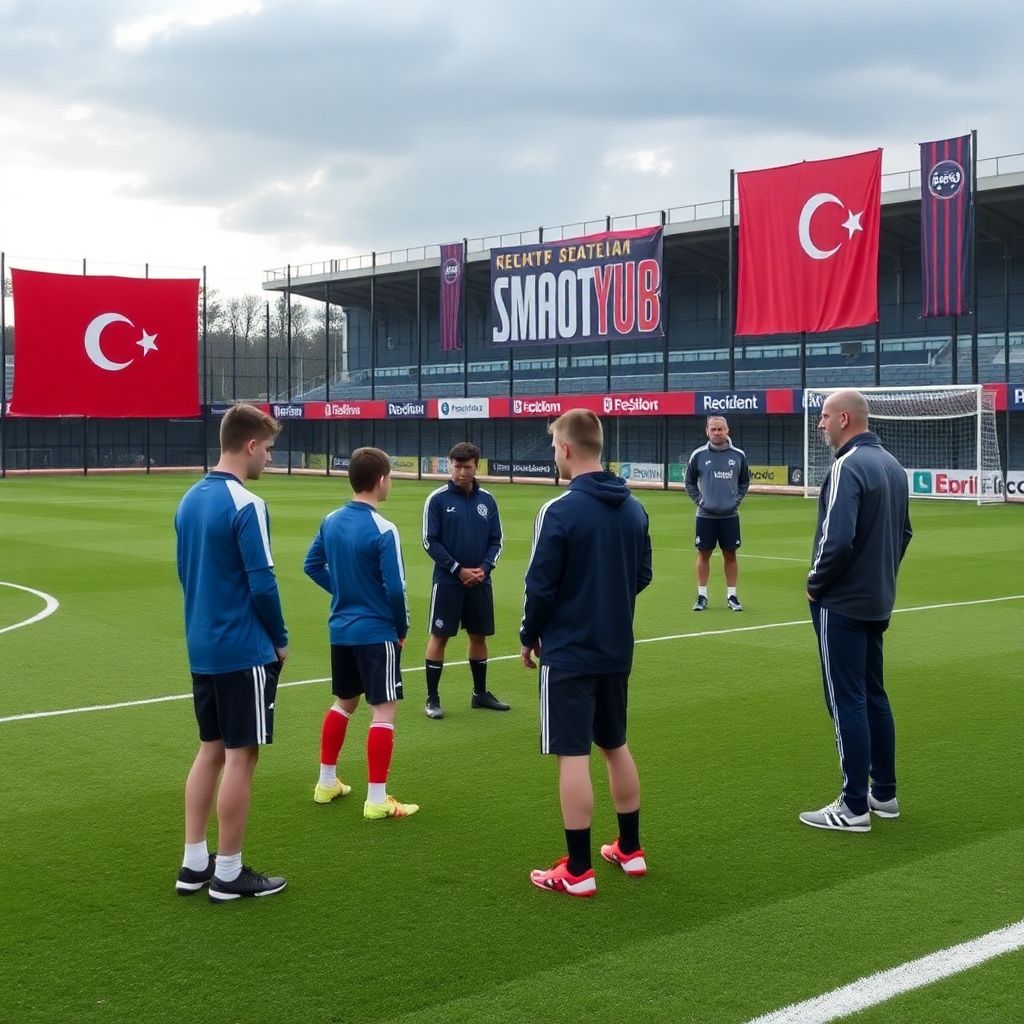
Turkish football academies succeed when they combine clear club governance, consistent scouting, modern training methodology and strong education support with a realistic senior pathway. This guide distils best practices from leading clubs like Galatasaray, Fenerbahçe, Beşiktaş and Başakşehir into safe, practical steps you can adapt within 6-12 months, including options for international players.
Core principles driving success in Turkish academies
- Align academy strategy with first-team playing model, budget and timelines, reviewed at least annually.
- Build a wide but structured scouting and trials system, including transparent access for late developers and foreigners.
- Use simple, periodized training plans that progress technically and tactically by age band.
- Guarantee schooling, welfare and psychological support so families trust the environment long term.
- Invest in essential facilities, sports science and basic data tracking before luxury infrastructure.
- Create measurable promotion pathways: minutes in older age groups, B-team exposure, loans and first-team debuts.
Organisational models: governance, ownership and sustainable funding
Inside Turkey’s football academies, organisational clarity is the main difference between occasional talent and constant production. The best football academies in Turkey for youth players use written philosophies, agreed budgets and simple KPIs that the board, sporting director and academy director all understand.
This model is ideal when a club wants long-term value from homegrown players, reduce transfer spending and create saleable assets. It is less suitable if the owner expects instant first-team success without patience for a 3-5 year development cycle, or changes coaches so often that the academy playing style cannot stabilise.
Below is a simplified comparison of leading clubs to illustrate common best practices you can adapt.
| Club | Academy governance highlight | International/foreign player approach | Funding and cost model |
|---|---|---|---|
| Galatasaray | Clear technical director overseeing all age groups with club-wide playing model. | Selective intake through partnerships and monitored turkey football academies for international students channels. | Club-funded core squads; extra services via paid programs and sponsorship. |
| Fenerbahçe | Strong integration between first-team staff and academy for shared tactics. | Occasional trials in cooperation with agents and trusted foreign academies. | Mix of club budget, sponsors and paid community schools to support elite squads. |
| Beşiktaş | Regional school network feeding into central high-performance centre. | Focus on diaspora players with Turkish roots plus tightly controlled foreign spots. | Elite squads subsidised; development schools operate on fee-based structure. |
| Başakşehir | Data-aware leadership and smaller, more individualized academy structure. | Open to targeted foreign signings where they fill clear tactical gaps. | Owner support, commercial partnerships and limited, transparent player fees. |
For a new or growing academy, a lean version of these models works well:
- Board approves a 3-year academy plan with a simple budget and 5-10 KPIs.
- One person (academy director or head of youth) is responsible and visible to families.
- Written rules define selection, playing time, education standards and behaviour.
- Paid programs, camps or sponsors help cover running costs without excluding local talent.
Talent identification: scouting networks, trials and early recruitment
Strong talent ID in Turkish football academies is built on clear entry routes and transparent selection. This becomes even more important when organising turkish football academy trials for foreigners alongside domestic scouting.
Key requirements before scaling your scouting
- Define target profiles by age and position
- Technical level (ball mastery, first touch, 1v1 ability).
- Physical traits appropriate for age (speed, coordination, basic endurance).
- Psychological markers (competitiveness, coachability, concentration).
- Establish scouting coverage and roles
- Local area scouts watching school and amateur league games.
- Regional contacts in key cities to flag standout players.
- One coordinator to collect reports, video and trial recommendations.
- Create safe and fair trial formats
- Standard session plans per age group so all trialists are judged on similar tasks.
- Written feedback for players and parents after trials.
- Health and safety checks: age verification, medical questionnaire, insurance.
- Integrate international and camp structures
- Use professional soccer training camps in Turkey as an extended scouting window.
- Clarify criteria for non-Turkish players, including language and schooling expectations.
- Ensure immigration and safeguarding rules are understood before signing minors.
- Plan finances and access
- Publish how trials are organised and which parts are free or paid.
- Explain the typical cost to join elite football academy in Turkey programs and available scholarships.
- Avoid hidden fees and unofficial “agent” payments around selections.
Training methodology: periodization, technical progressions and tactical schooling
This section outlines a safe, step-by-step model you can roll out over 6-12 months, compatible with how the best football academies in Turkey for youth players structure their weeks.
- Map your age groups and annual training weeks – Start by listing all squads and how many weeks per year they train. This determines total contact time and realistic goals.
- Group ages into phases: fundamentals, learning to train, training to compete.
- Note school exam periods, holidays and weather constraints in your region.
- Define clear learning outcomes per age band – For each phase, write 6-10 objective statements covering technical, tactical, physical and psychological areas.
- Example: “By the end of U13, players can receive under pressure and play forward within two touches.”
- Keep language simple so coaches, players and parents understand it the same way.
- Design a basic periodization structure – Break the year into macro (season), meso (blocks of weeks) and micro (weekly) cycles.
- Allocate themes to each mesocycle: ball mastery, pressing, build-up, finishing, etc.
- In microcycles, plan load: heavier early in the week, tapering before matches.
- Ensure at least one lighter week after several higher-load weeks to reduce injuries.
- Build technical progressions for each core skill – Choose a few key skills per age and design a simple progression from unopposed to opposed and game-like practice.
- Start with individual ball work and simple passing patterns.
- Add pressure (defenders, time limits) once technique is consistent.
- Finish with small-sided games that reward the target behaviour.
- Integrate tactical schooling into game models – Rather than isolated tactics, link principles to how your first team wants to play.
- Teach basic roles and responsibilities in simple formations for younger ages.
- Gradually introduce pressing triggers, build-up patterns and transition rules for older groups.
- Use video of your own teams or top-level examples to make concepts concrete.
- Standardise session design and safety checks – Provide coaches with templates that balance warm-up, main exercises and cool-down.
- Include dynamic warm-ups, movement skills and ball work, checked by a qualified coach.
- Monitor pitch conditions, player footwear and weather to avoid preventable injuries.
- Encourage coaches to log attendance, loads and any pain or discomfort players report.
- Create individual development plans (IDPs) – For key prospects, document strengths, gaps and specific targets for each half-season.
- Limit targets so they are realistic and trackable.
- Share IDPs with players and parents in age-appropriate language.
- Review and update at agreed checkpoints, usually mid-season and end-season.
- Review outcomes using simple KPIs – Measure progress with indicators linked to your learning outcomes.
- Track: training attendance, match minutes, progression to higher age groups, and basic physical markers.
- Use video and simple coding (e.g. successful forward passes, 1v1 wins) to inform coaching adjustments.
Быстрый режим: 6-12 month fast-track implementation
- Choose one age band as a pilot and write clear learning outcomes for that group only.
- Create a simple weekly training template and repeat it with minor adjustments across the season.
- Select three core skills and one tactical principle to emphasise every month.
- Record one match per month, review with players and adapt next month’s focus.
- After one season, copy the successful elements to other age groups in phases.
Education & welfare: schooling, psychology and dual-career support
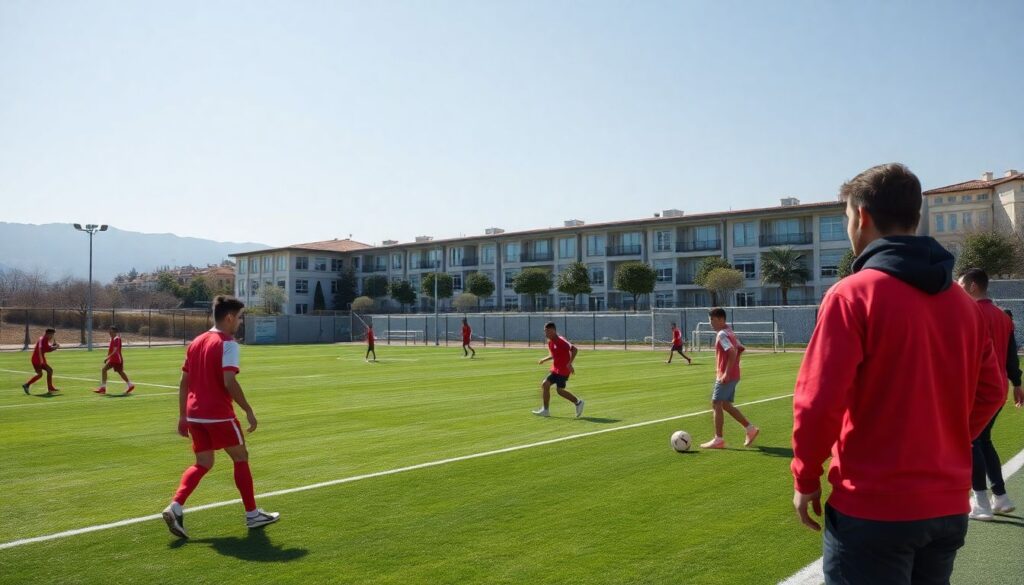
Use this checklist to verify whether your academy provides robust, family-friendly support similar to leading turkey football academies for international students and domestic players.
- School timetable coordinated with training, with written agreements from education providers.
- Minimum academic expectations explained to players and parents from day one.
- Dedicated staff member (or shared role) responsible for welfare, not just football issues.
- Access to a qualified sports psychologist or counsellor, at least on a consulting basis.
- Regular workshops on nutrition, sleep, social media and time management.
- Clear safeguarding policy covering travel, changing rooms, communication and online behaviour.
- Safe accommodation standards for out-of-town or foreign players, with vetted host families or dorms.
- Transparent processes for handling injuries, including rehab plans and school support.
- Alternative career guidance for players who are released or choose education-first options.
- Regular two-way meetings with families, where feedback is invited and documented.
Performance infrastructure: facilities, sports science, medical and data systems
Many Turkish academies over-invest in visible infrastructure and under-invest in people and processes. Avoid these common mistakes when upgrading your performance environment.
- Building extra pitches before ensuring existing surfaces are safe, well-lit and regularly maintained.
- Buying advanced fitness or GPS technology without staff who know how to interpret the data.
- Focusing on impressive gyms while neglecting recovery areas, hydration points and shade.
- Running tests once at the start of the season and never using the results to adjust training.
- Ignoring basic medical protocols: return-to-play criteria, concussion management, injury logs.
- Storing data in scattered spreadsheets instead of one simple, secure system.
- Allowing coaches to design their own testing batteries with no standardisation across age groups.
- Spending large sums on analysis software but failing to provide players with understandable feedback.
- Not planning for energy, water and maintenance costs when adding new facilities.
- Overlooking low-cost upgrades (ball stock, goals, markers, video tripod) that immediately raise training quality.
Senior pathway: integration, loan strategies and KPI‑led promotions
Not every club can mirror the model of the biggest Istanbul teams, but all can design realistic routes from academy to professional football. Below are alternative structures and when they are appropriate.
- B-team or U21 model within the club – Suitable when the club can field a reserve side in competitive leagues. Ideal for smoothing the jump from U19 to senior level for late physical developers.
- Strategic loan partnerships with lower-division clubs – Works well when first-team pressure is high and minutes are limited. Requires clear loan objectives, match tracking and regular communication with host clubs.
- Direct promotion with protected match minutes – Best for clubs willing to accept short-term inconsistency. First-team coach and sporting director agree on youth players who must receive meaningful minutes regardless of short-term results.
- External pathways through trusted academies and agents – In smaller clubs, some graduates move directly abroad or to bigger domestic teams. Needs transparent agreements and guidance so players avoid unsafe or exploitative offers.
Practical solutions to typical implementation hurdles
How can a smaller club start an academy without big budgets?
Begin with one or two age groups, a shared training ground and part-time qualified coaches. Focus on clear coaching standards, basic equipment and strong links with local schools before expanding.
What is a safe way to run trials for young players?
Use age-appropriate session plans, confirm medical and emergency contacts, and ensure enough staff to supervise. Communicate selection criteria in advance and provide simple feedback afterwards.
How should we handle turkish football academy trials for foreigners?
Check visa and guardianship rules, verify identities carefully and require a responsible adult for all minors. Offer only short, clearly documented trial periods and avoid making promises you cannot guarantee.
Are professional soccer training camps in Turkey useful for recruitment?
They are helpful if you treat them as extended scouting events with structured evaluation. Set clear objectives, record sessions and matches, and decide in advance how camp performance influences longer-term offers.
How transparent should we be about the cost to join elite football academy in Turkey style programs?
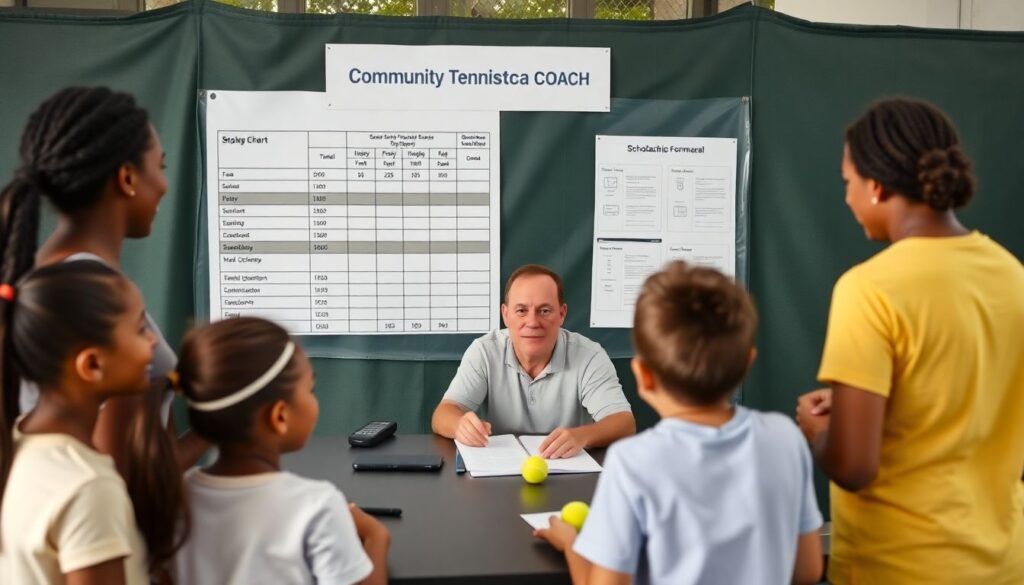
Publish all fees, what they include and any additional costs such as equipment or travel. Offer written agreements and receipts, and consider partial scholarships to keep access open for talented low-income players.
How can we keep players focused on school as well as football?
Coordinate training around school schedules, monitor grades and intervene early when performance drops. Involve teachers and parents in regular reviews so expectations are aligned.
What is a realistic time frame to see results from academy changes?
Expect small cultural and organisational improvements within one season, with clearer technical and tactical gains in two to three seasons. Communicate this timeline to owners and fans to manage expectations.