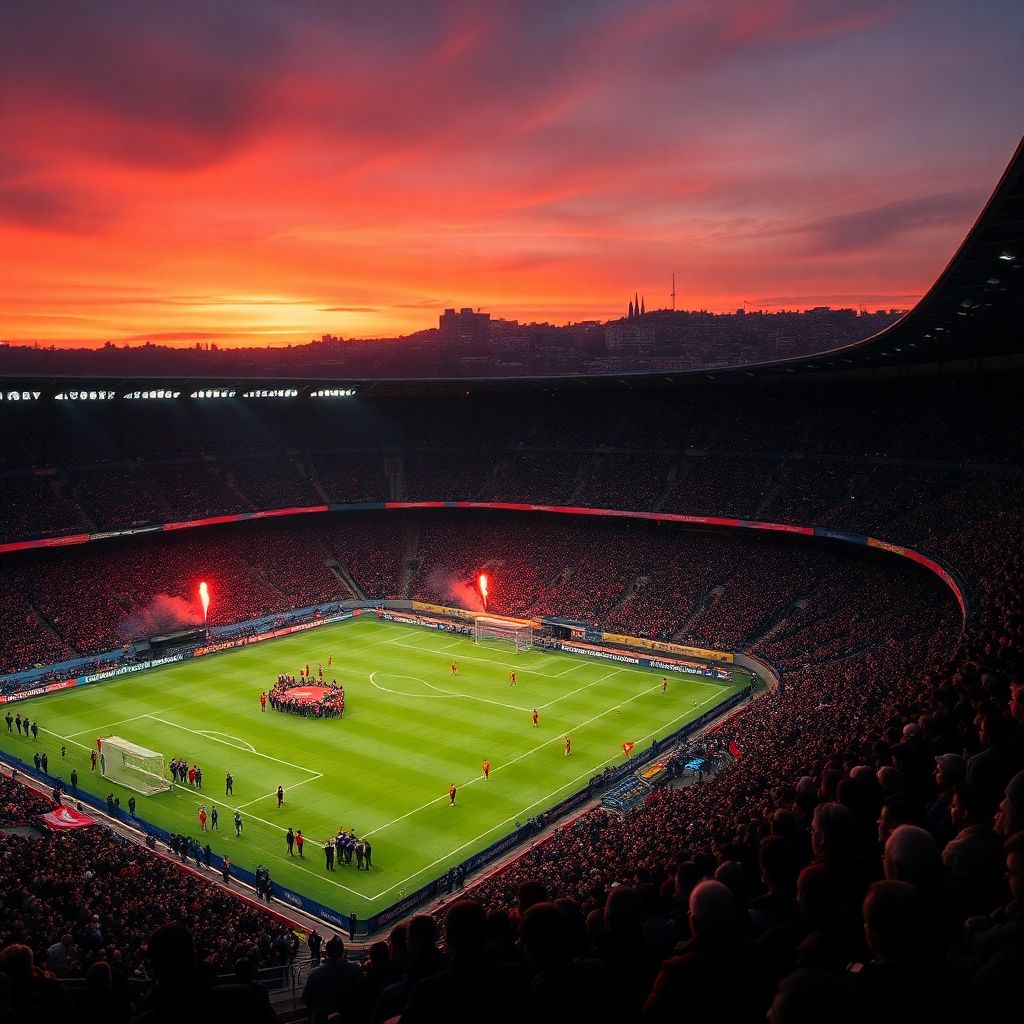
Iconic Turkish derbies are intense local football rivalries, mainly in Istanbul, shaped by class, politics and regional identity. They are unforgettable if approached with respect and basic precautions: buy official turkish football derbies tickets, avoid ultra sections, follow police guidance, and understand that passion can quickly shift from carnival atmosphere to confrontation.
Core insights into Turkey’s derby phenomenon
- Derbies in Turkey are social, political and regional clashes as much as football matches.
- The Galatasaray-Fenerbahçe rivalry grew from class and geography into a national spectacle.
- Beşiktaş and Trabzonspor derbies express protest, marginalisation and regional pride.
- State, media and nationalist narratives can amplify tension and police presence.
- Ultras culture shapes noise, choreography and risk inside and outside stadiums.
- Commercialisation brings official tours, hospitality and merchandise but does not remove volatility.
- Respecting local norms, ticket rules and segregation lines is key for a safe experience.
Origins and evolution of Turkey’s major football rivalries
In Turkey, the term “derby” usually refers to matches between historically powerful clubs with overlapping territories or identities. The most famous are Istanbul derbies (Galatasaray-Fenerbahçe, Fenerbahçe-Beşiktaş, Beşiktaş-Galatasaray), but rivalries such as Beşiktaş-Trabzonspor or Fenerbahçe-Trabzonspor also carry derby intensity.
These rivalries emerged in the late Ottoman and early Republican periods, when football was a modern urban pastime linked to new schools, neighbourhoods and political ideas. Clubs became reference points for class identities (elite vs. popular), secular or conservative worldviews, and attitudes towards state power and nationalism.
Over time, derbies turned into large civic rituals. Istanbul’s three giants came to represent different slices of urban identity: Galatasaray rooted in elite education and central districts; Fenerbahçe symbolising Asian-side and sometimes more “people’s club” narratives; Beşiktaş associated with working-class neighbourhoods and a rebellious, civic-minded style. These simplifications are not fully accurate, but they structure how fans understand themselves.
Today’s derby environment combines old loyalties, ultras organisation, massive social media echo chambers and high-tech stadiums. The rivalries are also deeply commercial: from galatasaray fenerbahce besiktas merchandise online to turkey football derby hospitality packages for corporate clients, the passion is constantly monetised, while still retaining real emotional and political stakes for supporters.
Galatasaray-Fenerbahçe: class, politics and pivotal matches
The Galatasaray-Fenerbahçe derby is often framed as Turkey’s biggest football clash. It grew out of neighbourhood geography across the Bosphorus and early 20th-century club culture. Over decades, a narrative formed: Galatasaray as the European-educated “elite” club, Fenerbahçe as the mass, patriotic, Asian-side powerhouse. In practice, both have fans from every background, yet the storyline still shapes expectations and media coverage.
- Geographical split and school origins. Galatasaray came from the Galatasaray High School milieu on the European side; Fenerbahçe formed in Kadıköy on the Asian side. Crossing the Bosphorus for away derbies still symbolises entering “enemy territory”.
- Class and lifestyle contrasts. The rivalry is narrated as elite vs. people’s club, urban centre vs. cosmopolitan Asian side. These labels simplify reality but show up in chants, banter and media stereotypes.
- Political overlays. Both fan bases are politically diverse, but at different moments each club has been linked with specific elites, business networks or political figures, turning some derbies into proxy battles over power and status.
- Iconic flashpoints. Controversial title deciders, pitch invasions and last-minute goals (including tense matches in Kadıköy and Ali Sami Yen/NEF/Rams Park) have reinforced the sense that no lead is safe and tempers can flare quickly.
- Security choreography. Strict ticketing, away-fan bans at times, heavy police cordons, staggered exit times and tight control of galatasaray vs fenerbahce derby tickets show how authorities treat this match as a high-risk event.
- Commercial framing. Broadcasters, sponsors and tour operators market the “Kıtalararası” (intercontinental) derby as a must-see spectacle, from istanbul derby football tours to VIP boxes sold through turkey football derby hospitality packages.
- Digital echo. Social media amplifies every refereeing decision, chant or brawl, extending the derby beyond 90 minutes into a constant, emotional online confrontation.
For visitors wanting to experience this derby safely, there are practical implications:
- Buy turkish football derbies tickets only from official club channels or trusted partners; avoid street resellers and social media “deals”.
- Stay in neutral or home-family sections rather than ultra areas, even if you support the away team.
- Follow club and police guidance on arrival gates, timing and post-match exit routes; expect delays.
- Avoid wearing away colours in mixed public transport immediately around the match.
- If joining organised istanbul derby football tours, check that transport, guide support and ticket sources are clearly described and legal.
Beşiktaş-Trabzonspor: regionalism, protest and identity
Beşiktaş-Trabzonspor derbies are less globally known but carry heavy emotional and political weight. Beşiktaş fans often present themselves as socially conscious, anti-establishment Istanbulites; Trabzonspor symbolises the proud, sometimes marginalised Black Sea region, suspicious of Istanbul and Ankara dominance. When these identities clash, the match becomes a statement of recognition and resistance.
Typical scenarios where this rivalry takes on specific meanings include:
- Regional pride vs. metropolis privilege. For Trabzonspor fans, winning in Istanbul is proof that a smaller, regional city can challenge the big three. For Beşiktaş fans, beating Trabzonspor reinforces their status as a “people’s giant” of Istanbul rather than a mere elitist power.
- Perceived refereeing bias. Black Sea supporters sometimes interpret controversial decisions as a sign of systemic favouritism towards Istanbul clubs. Protests, banners and chants can focus on federation or referees rather than only on Beşiktaş.
- Political and economic grievances. These matches can indirectly reference national politics: resource allocation, neglect of certain regions, appointments in football institutions. Supporter groups use tifo and slogans to comment on wider injustices.
- Solidarity moments. At times of earthquake, mining disasters or political tension, both sets of supporters have created choreographies and joint chants expressing solidarity, turning the derby into a civic ritual of mourning or protest.
- Ultras collaboration and conflict. Beşiktaş’s Çarşı group and Trabzonspor ultras have alternated between alliances against perceived authority abuses and fierce hostility on the terraces, making the political map of friendships more complex than simple club lines.
- Travel narratives. Away trips from Trabzon to Istanbul are long and emotionally charged, often framed as a mission to show regional strength in the capital; in reverse, Beşiktaş fans in Trabzon encounter a tight-knit local community deeply attached to its club.
For neutrals, attending Beşiktaş-Trabzonspor can feel less globally hyped than a Galatasaray-Fenerbahçe match, but the underlying emotions and protest energy can be just as intense. Safety-wise, the same rules apply: official turkish football derbies tickets, avoiding hardcore away blocks unless invited, and respecting local sensitivities about regional identity.
State, media and nationalist narratives shaping derbies
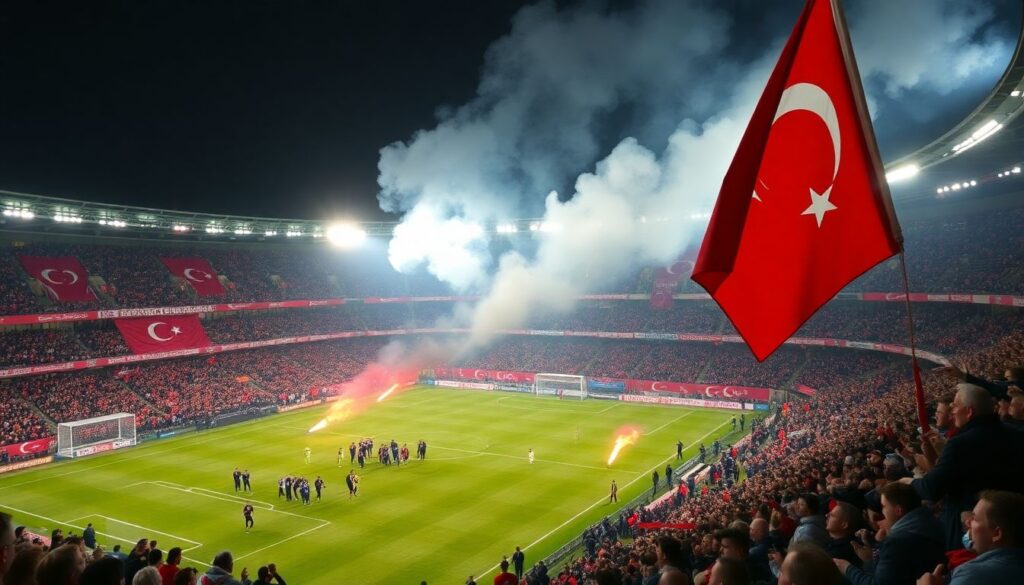
Beyond club cultures, state institutions and mainstream media contribute heavily to how Turkish derbies are framed and experienced. Security decisions, scheduling, away-fan restrictions and public discourse about “national unity” or “traitors” can either cool down or inflame tensions. Nationalist language, especially around flags and symbols, is often visible in stadium choreographies.
The effects are mixed: heightened patriotism can create powerful shared experiences but also narrow the acceptable space for dissenting or minority voices in the stands. Understanding these narratives helps explain why police presence is so strong and why some chants or banners draw immediate legal attention.
Constructive roles and potential benefits
- State coordination can prevent serious violence through segregation, transport planning and sanctions on repeat offenders.
- Media visibility allows clubs and authorities to promote anti-racism and anti-violence campaigns before derbies.
- National-team framing (“we are rivals for 90 minutes, but united under the flag”) can soften the edges of inter-club hatred.
- Clear regulations on flares, pyrotechnics and pitch invasions create predictable boundaries for supporters.
- Public investment in modern stadiums with better access routes, surveillance and emergency planning improves overall safety.
Risks, pressures and limitations
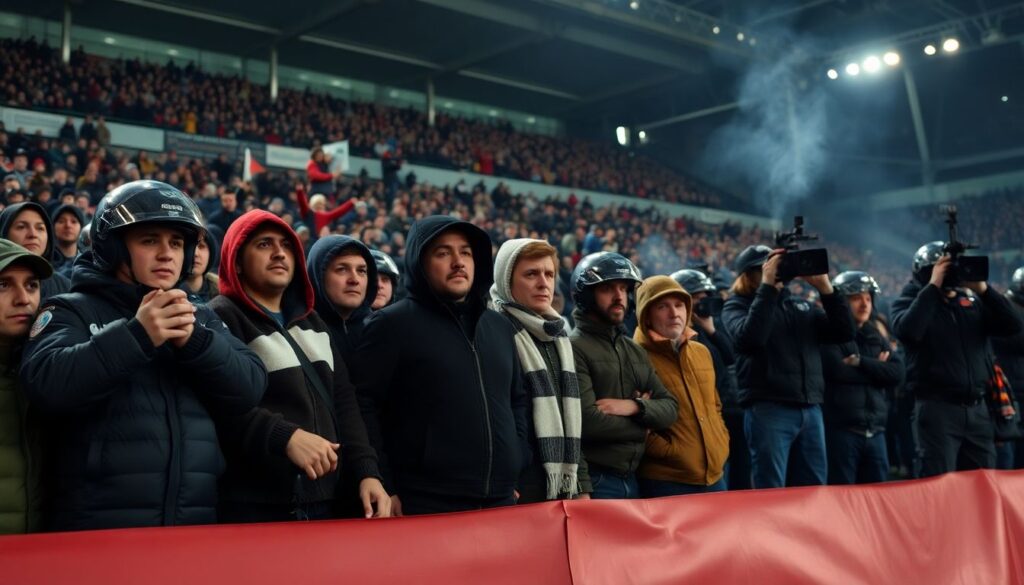
- Excessive nationalist rhetoric can make minorities or dissenting fans feel unsafe or silenced in the stadium.
- Heavy-handed policing may escalate minor incidents, particularly when fans feel collectively criminalised.
- Media sensationalism around “riot” or “chaos” narratives can stigmatise entire fan bases and justify blanket restrictions.
- Frequent away-fan bans reduce authentic derby atmosphere and punish peaceful supporters along with troublemakers.
- Political interference in club governance and federation decisions can erode trust, fuelling conspiracy theories about “rigged” competitions.
- Security priorities sometimes overshadow accessibility and comfort for families, women supporters and international visitors.
For visitors and tour organisers, these constraints mean planning around possible last-minute changes to kick-off times, away-fan policies or transport routes. If you rely on organised istanbul derby football tours or turkey football derby hospitality packages, confirm cancellation terms and how they handle sudden security-related adjustments.
Supporter practices: ultras culture, chants and matchday rituals
Turkish ultras shape derby atmospheres through choreographies, relentless chanting and strict in-group codes. For many locals, these practices express belonging and courage; for unprepared visitors, they can feel intimidating. Misreading these rituals often leads to unnecessary risk or disappointment.
- Myth: “Any seat will do if I am neutral.” Reality: Different blocks have very different norms. Ultra sections expect constant standing, chanting and sometimes specific gestures; a quiet tourist can become a target of suspicion or mockery.
- Myth: “Wearing colours of another big club is harmless if they are not playing.” Reality: Showing Galatasaray colours in a Fenerbahçe-Beşiktaş match, or vice versa, can provoke hostility. Treat each derby as if only the two clubs involved exist.
- Myth: “Cheap last-minute tickets from strangers are normal.” Reality: With digital passes and ID-linked systems, unofficial turkish football derbies tickets can be invalid or tied to banned individuals. You risk refusal at the gate or worse if trouble arises under your assigned identity.
- Myth: “Pyro and pitch invasions are part of the fun for outsiders too.” Reality: Legal consequences for flares, smoke bombs or encroaching on the pitch are serious. As a visitor, keep a clear physical distance from those initiating risky actions.
- Myth: “Ultras always want foreigners in their block.” Reality: Some groups welcome respectful guests; others prefer homogeneity. Never enter an ultra area assuming you are automatically accepted. Ask local friends or tour guides, and follow instructions from stewards.
- Myth: “Merch from any seller is equivalent.” Reality: Counterfeit items are widespread. If you want to support clubs sustainably, use club shops in the stadiums or official galatasaray fenerbahce besiktas merchandise online platforms.
Safe practice includes learning a few basic chants (or at least clapping rhythms), dressing in club colours bought from official shops, and avoiding filming ultras at close range without consent, as some groups dislike being recorded for social media by strangers.
Commercialization, globalization and changing rivalry dynamics
In recent years, Turkish derbies have been pulled into global football markets. International TV deals, foreign sponsors, pre-season tours and growing numbers of visitors mean that local rivalries now function both as authentic community rituals and carefully packaged entertainment products.
Mini-case: A group of international fans book istanbul derby football tours that include stadium museum visits, official galatasaray vs fenerbahce derby tickets, a guide fluent in English and secure transport. They enjoy the intense atmosphere, detailed history lessons and planned photo stops. However, a late security decision removes away fans from the stadium. The tour operator has to adjust expectations: the match is still loud and emotional, but without the full two-sided visual spectacle the group imagined from TV.
This example shows key dynamics:
- Global demand vs. local control. As more visitors arrive, clubs and authorities must balance revenue from turkey football derby hospitality packages against safety, crowd mix and supporter traditions.
- Standardisation vs. uniqueness. VIP boxes, premium catering and multi-language signage make derbies more accessible but risk flattening some local quirks that made them distinctive.
- Digital consumption. Fans worldwide follow derbies through streams, fan blogs and social media accounts, blurring the line between on-site experience and global spectacle.
- Shifting supporter bases. Younger locals may engage with derbies as part of a global football identity (alongside Premier League or La Liga loyalties), changing how tradition and modern fandom intersect.
For travellers, the safest and most respectful way to engage is to see themselves as temporary guests in a long-running local story: use official channels for travel and tickets, learn the context behind chants and colours, and accept that security limits and last-minute changes are part of preserving derbies for the future.
Concise answers to common questions about derby context
How dangerous is it to attend a major Turkish derby as a foreign visitor?
If you use official channels, avoid ultra sections and follow police instructions, the risk is usually manageable. Most incidents involve local rival groups rather than neutrals. Treat the event as high-intensity, not as casual sightseeing, and stay alert around stadium approaches and public transport.
What is the safest way to buy tickets for big derbies?
Use club websites, official ticketing platforms or reputable agencies that clearly explain ID and pass requirements. Avoid street sellers or vague online offers for turkish football derbies tickets, even if prices seem attractive. Check whether away fans are allowed before buying.
Should I join an organised Istanbul derby tour or go independently?
Organised istanbul derby football tours can simplify logistics, provide guidance and include safer seating zones, but they may cost more and feel less spontaneous. Going independently offers more freedom, yet requires stronger knowledge of the city, language basics and ticketing regulations.
Can I wear my own club’s colours that are unrelated to Turkish teams?
Neutral clothing is safest. Shirts from unrelated foreign clubs are sometimes tolerated but can still attract unwanted attention if colours coincide with one side. For a smoother experience, wear local club gear bought from official shops or plain, non-provocative clothing.
How early should I arrive at the stadium on derby day?
Plan to arrive at least one to two hours before kick-off, more if security is tight. Expect bag checks, ID controls and potential queueing. Leaving the stadium may also be staggered, especially for away sectors, so avoid tight post-match transport or dinner plans.
Is hospitality a completely safe alternative to regular stands?
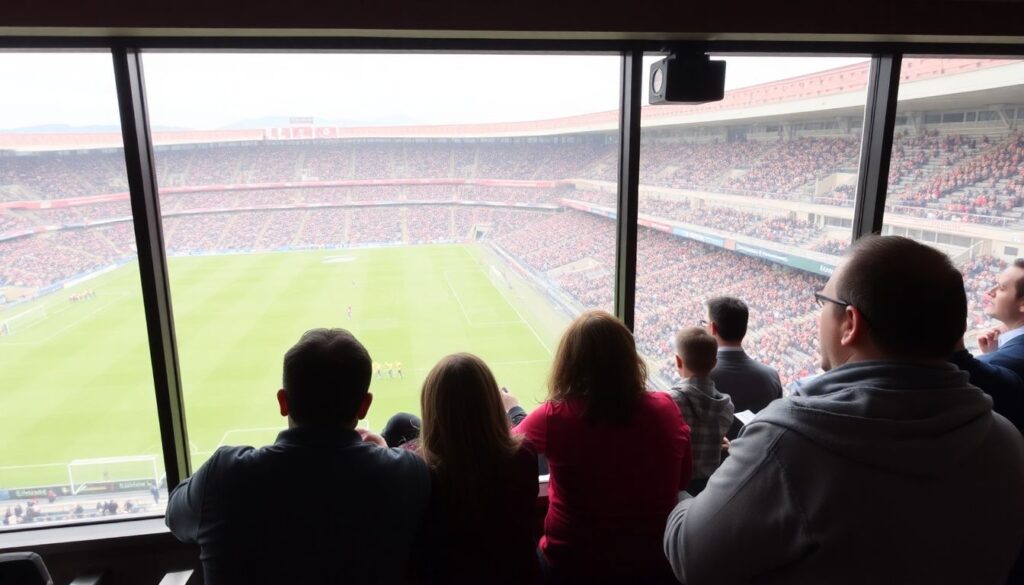
Turkey football derby hospitality packages usually involve controlled access, better sightlines and calmer surroundings, which reduces many risks. However, they still inhabit the same emotional environment: you must respect stadium rules and avoid provocative behaviour towards nearby visiting or neutral guests.
What should I avoid filming or posting on social media during a derby?
Avoid close-up filming of ultras without consent, police operations, or clearly illegal actions like pyrotechnics. Posting such content in real time can expose individuals, including yourself, to unwanted attention or legal problems. Focus on wide shots, tifos and the pitch action.