Liverpool stunned again in Istanbul: how Galatasaray’s win echoed across Europe
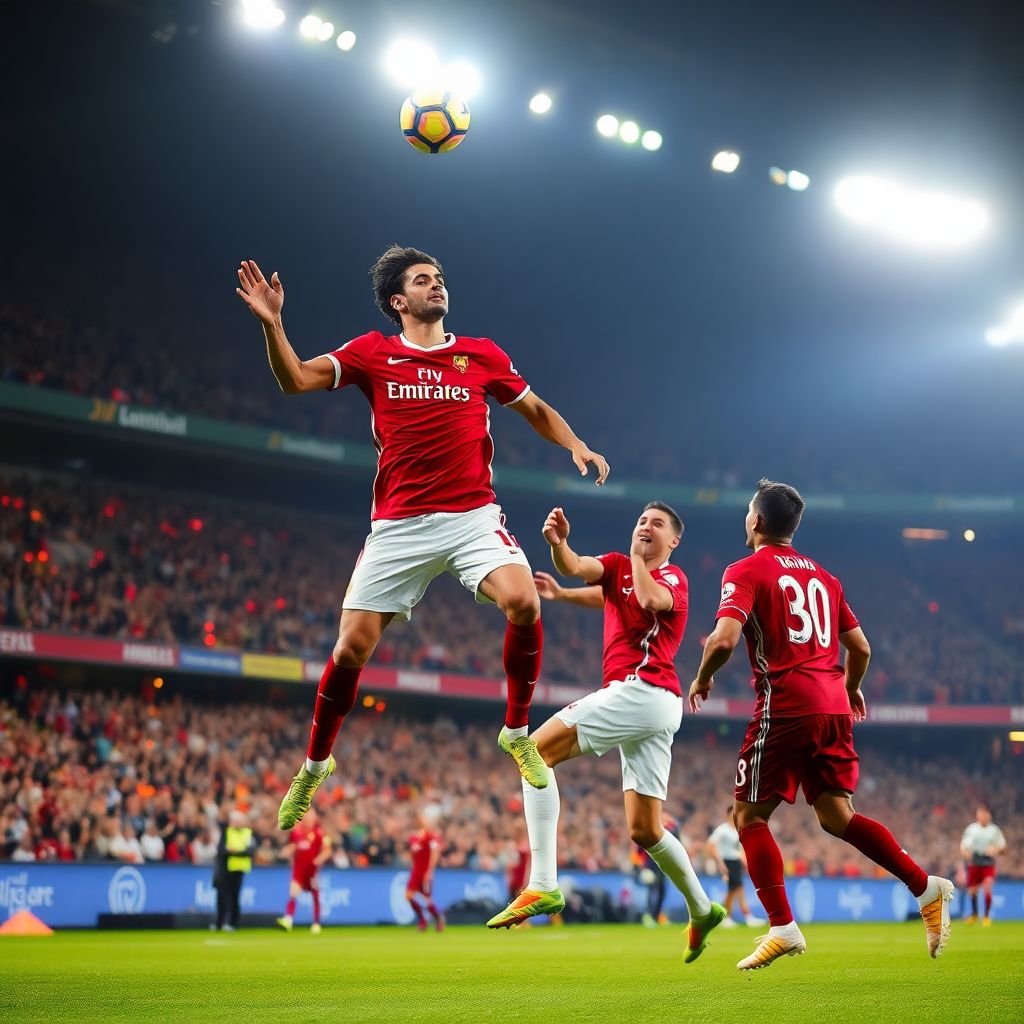
Galatasaray’s 1-0 victory over Liverpool in the first leg of the Champions League round of 16 did far more than shake up the tie. The result instantly dominated European sports pages, with newspapers and broadcasters highlighting both the intensity of the night in Istanbul and the worrying patterns in Liverpool’s season. Mario Lemina’s early header, scored in front of a ferocious Rams Park crowd, became the focal point of a wave of analysis that praised Galatasaray’s discipline while dissecting Liverpool’s recurring flaws.
Across Europe, two themes repeated: the extraordinary atmosphere in Istanbul and Liverpool’s inability to cope with set pieces, defensive lapses and wastefulness in attack. While Galatasaray were hailed for their maturity, structure and emotional control, Liverpool were portrayed as a side trapped in a loop, condemned to live the same problems over and over again.
“Liverpool leave Istanbul empty-handed for a second time”
In England, Sky Sports framed the night as another painful chapter in Liverpool’s complicated history with Istanbul. The outlet described Galatasaray’s win as “a punishing night” for Arne Slot’s team and stressed that this was the second time this season Liverpool had come away from the Turkish city with nothing to show for their efforts in the Champions League.
The report underlined how Lemina’s goal handed Galatasaray a “significant edge” before the return fixture at Anfield, both in terms of the scoreline and the psychological battle. According to the analysis, Slot’s men “looked disjointed and struggled to carve out meaningful chances”, suffering every time Galatasaray ramped up the pressure.
Particular attention was given to the ongoing set-piece crisis. Lemina’s header was highlighted as the tenth goal Liverpool have conceded from a corner across all competitions this season, a statistic Sky Sports described as “alarming for a side with such high ambitions.” In its tactical breakdown, the outlet argued that the performance “brought back all the familiar issues that have stalked Liverpool throughout the campaign” – shaky marking in their own box, lapses in concentration and a lack of ruthlessness in front of goal.
“Slot’s 100th match overshadowed by defensive chaos and wasteful finishing”
The Athletic went even further in its assessment, presenting the Istanbul clash as a condensed version of Liverpool’s entire season. The match report stated that “in many ways this was Liverpool’s year in miniature: fragile at the back, imprecise in the penalty area and unable to turn promising play into control.”
The piece noted that Slot’s 100th game in charge was supposed to be a landmark, yet instead it was “overshadowed by repetition of the same structural problems.” The Athletic drew particular attention to Liverpool’s inability to defend dead-ball situations, pointing out that Galatasaray scored “from their very first genuinely dangerous moment – a set piece that Liverpool once again failed to manage.”
In its analysis of the game’s rhythm, the outlet remarked that it was “almost baffling” that a match so open, intense and end-to-end finished with only one goal. Both sides traded periods of dominance, but while Galatasaray maximised their key moment, Liverpool repeatedly faltered with their final touch, their decision-making and the timing of their runs.
“In a breathless contest, Lemina made the difference”
In Italy, La Gazzetta dello Sport chose the headline: “Galatasaray-Liverpool 1-0: in a breathless match, Lemina makes the difference.” The paper emphasised the relentless tempo, suggesting that “despite being a first leg of the last 16, the game felt more like a decisive knockout clash – frantic, emotional and constantly on the edge.”
The description of the winning goal underlined the coordination of Galatasaray’s attacking plan: Victor Osimhen won the aerial duel, nodding the ball down into the danger area, and Lemina, reacting quicker than anyone else, attacked it with a powerful header to beat the goalkeeper and put the home side in front.
La Gazzetta also explored the tactical contrast between the two teams. On the ground, it argued, Liverpool looked more threatening whenever they could combine at speed and move between the lines. Yet in aerial duels and high balls, the Turkish champions “showed clear superiority”, using their physical strength and set-piece routines to destabilise the English defence.
“Lucky to escape with only a one-goal defeat”
In Britain’s tabloid press, the tone was even more severe. The Sun ran with the headline: “Galatasaray 1-0 Liverpool: Woeful Reds lucky to leave Istanbul beaten by only one.” The newspaper claimed Liverpool were overwhelmed by the intensity of the home crowd and suggested the scoreline could easily have been heavier.
The article painted a vivid picture of Rams Park, describing “a continuous roar of noise from every corner of the stadium” that unsettled Liverpool and fed Galatasaray’s energy. The atmosphere was depicted as a key element of the victory, a factor that Liverpool “never fully managed to mute or control.”
The Sun stressed that after Lemina’s seventh-minute header, Liverpool’s back line “never looked truly secure.” Slot’s team “tottered in defence,” the report said, and were “fortunate not to be punished more brutally” given how many promising situations Galatasaray managed to create on the counterattack and from set plays.
Individual criticism also featured strongly. Mohamed Salah’s display drew particular scrutiny, with the paper arguing that he “once again failed to impose himself” and was substituted before the hour mark after another subdued performance on a big European night.
“Liverpool in disarray – the scoreline could have been worse”
In Spain, AS analysed the encounter under the headline: “Liverpool, what chaos!” The focus fell on the self-inflicted nature of the English side’s problems, with the verdict that “Liverpool’s biggest opponent was, once again, themselves.”
The piece pointed out that, despite creating reasonable openings, Liverpool repeatedly failed to finish them, while errors in their own half invited pressure. The 1-0 defeat, AS wrote, “flattered the visitors – the damage could easily have been more severe” given the volume of dangerous moments Galatasaray generated when Liverpool lost their shape.
The Spanish outlet also revisited the decisive goal, again highlighting the speed of Lemina’s reaction to Osimhen’s knock-down. “He attacked the ball before the defenders could react,” AS observed, calling the moment “a snapshot of Liverpool’s lack of alertness in their own area.”
“A familiar story for Slot as Lemina hands Galatasaray the advantage”
The Guardian’s coverage came under the headline: “Lemina’s strike gives Galatasaray edge over Liverpool in familiar tale for Slot.” The article underlined that, for long stretches, Liverpool were second best and struggled to match the hosts’ aggression and clarity of purpose.
According to the report, the only real positive for the Premier League side was that “the tie remains retrievable.” The darker side of the story, however, was that “for most of the evening Liverpool looked one step behind – physically, tactically and emotionally.” The Guardian suggested that this pattern had become worryingly common: promising build-up play, spells of pressure, but a chronic inability to impose full control or to react promptly to setbacks.
The analysis stressed that Lemina’s goal did more than decide the match; it crystallised the narrative of the tie so far. Galatasaray, it argued, appeared “calm, organised and fully aware of their game plan,” whereas Liverpool “oscillated between urgency and uncertainty,” never quite settling into a stable rhythm.
—
Why this win matters so much for Galatasaray
Beyond the headlines, Galatasaray’s triumph carries broader significance. For the Turkish champions, this victory is not just a good first leg result – it is a statement that they can compete tactically and mentally with the biggest names in Europe. A clean sheet against one of the continent’s most attack-minded teams strengthens their belief and sends a clear message to future opponents.
The match showed that Galatasaray can balance aggression with discipline. They pressed at the right moments, defended deep when needed, and stayed compact between the lines. Rather than being dragged into an open, chaotic game on Liverpool’s terms, they dictated the emotional tempo, using the crowd to fuel them without losing structure.
The performance also showcased the depth and experience of Galatasaray’s squad. Players like Osimhen and Lemina used their physicality intelligently, both in defensive phases and at set pieces, while the back line stayed focused against constant movement and runs in behind. This combination of maturity and intensity is exactly what clubs require to go beyond the round of 16.
Tactical keys to Galatasaray’s success
Several tactical elements underpinned the Turkish side’s victory:
1. Set-piece preparation
The coaching staff clearly targeted Liverpool’s known vulnerability at corners and free kicks. The winning goal was not a coincidence but the result of a rehearsed pattern: a strong target man to win the first ball, and a second runner (Lemina) attacking the space created. Throughout the game, Galatasaray exploited this weakness, swinging in dangerous deliveries and crowding the goalkeeper’s area.
2. Compact defensive block
Galatasaray avoided pressing recklessly high for 90 minutes. Instead, they often formed a mid-block, closing central lanes and forcing Liverpool wide. Once the ball went to the flanks, the full-backs and wingers doubled up, limiting crosses and cutting off passing options inside.
3. Direct transitions
When they recovered the ball, Galatasaray did not overcomplicate their attacks. They looked early for vertical passes towards Osimhen or the advancing midfielders, trying to exploit the spaces left behind Liverpool’s full-backs. This directness prevented the visitors from settling and regularly forced them into recovery sprints.
4. Game management and fouls
The home side managed the rhythm smartly, breaking up play at strategic moments with tactical fouls, taking their time at restarts and using substitutions to refresh energy levels. This annoyed Liverpool, but it was an example of experienced European game management.
Liverpool’s repeating problems – and what must change before the second leg
From Liverpool’s perspective, the first leg in Istanbul exposed structural issues they must address quickly if they hope to overturn the deficit at Anfield.
– Set-piece organisation: The marking system at corners and wide free kicks continues to fail. Communication, role allocation and aggression in duels all need urgent improvement. Whether through a change in personnel, a shift from zonal to mixed marking, or more intensive training work, Slot cannot ignore this any longer.
– Defensive concentration: Losing focus in the opening minutes again proved costly. Liverpool have conceded early in several big games this season, and chasing matches at this level is always draining. A sharper start, mentally and physically, will be non-negotiable in the return leg.
– Final-third efficiency: Creating chances is not Liverpool’s main issue; converting them is. The forwards often arrived in promising areas only for the final pass to be overhit, the shot rushed or the wrong option chosen. Against a side as organised as Galatasaray, wastefulness becomes an invitation to be punished.
– Use of key players: The criticism aimed at Salah underlines a broader question: are Liverpool’s star players being put in positions that maximise their strengths? Slot may need to tweak the structure – wider starting positions, more support runners, or different combinations – to reignite his main attacking threats.
The role of the Rams Park atmosphere
A recurring motif in European coverage was the sheer force of the atmosphere in Istanbul. Rams Park was depicted as an active participant rather than a mere backdrop. Constant noise, choreographies, and an unrelenting wall of sound made communication difficult for Liverpool, particularly in defence.
For Galatasaray, this environment provided an extra layer of confidence. Every recovery tackle, block and counterattack was amplified by the stands, helping the team to maintain intensity even during Liverpool’s strongest spells. Such nights reinforce the club’s reputation as one of the most intimidating destinations in European football.
However, the challenge for Galatasaray will be to detach themselves from the comfort of home conditions. At Anfield, they will face a similarly passionate environment, this time against them. Their ability to reproduce discipline and bravery away from Istanbul will decide whether this famous first-leg win becomes the start of a deep run or just a memorable evening.
What to expect from the second leg at Anfield
The return match already promises to be a tactical and emotional test for both sides:
– Liverpool will need controlled aggression: They must increase the tempo, press higher and attack with numbers, but without exposing themselves to the counterattacks that Galatasaray handled so well in Istanbul. Early pressure will be crucial, yet desperation could play into the visitors’ hands.
– Galatasaray will aim for balance: Sitting too deep for 90 minutes could invite overwhelming pressure, but attacking recklessly would open up the spaces Liverpool crave. A balanced plan – alternating phases of compact defence with quick, targeted transitions – will be key to protecting their lead.
– Psychological momentum: Galatasaray travel with belief and a one-goal cushion. Liverpool return home aware that their season is under scrutiny. The first 20 minutes at Anfield may dictate the entire tie: an early Liverpool goal could transform the mood, while a composed Galatasaray start might spread anxiety in the home crowd.
Historical and symbolic weight
This result also taps into a longer narrative. Istanbul has long been intertwined with Liverpool’s European story, usually in dramatic fashion. The latest chapter reverses the usual script: instead of an iconic comeback, the English club leave with regret, while the local giants celebrate.
For Turkish football, a win of this calibre restores a sense of belonging on the continental stage. It underlines that clubs from the country are not just participants but genuine contenders capable of unsettling and defeating Europe’s elite when preparation, tactics and mentality align.
For Liverpool, the tie is far from over, but the message from Europe’s press is clear: unless they break the cycle of familiar mistakes, the night in Istanbul will be remembered not as an accident, but as the symbol of a season in which they never truly solved their own problems.