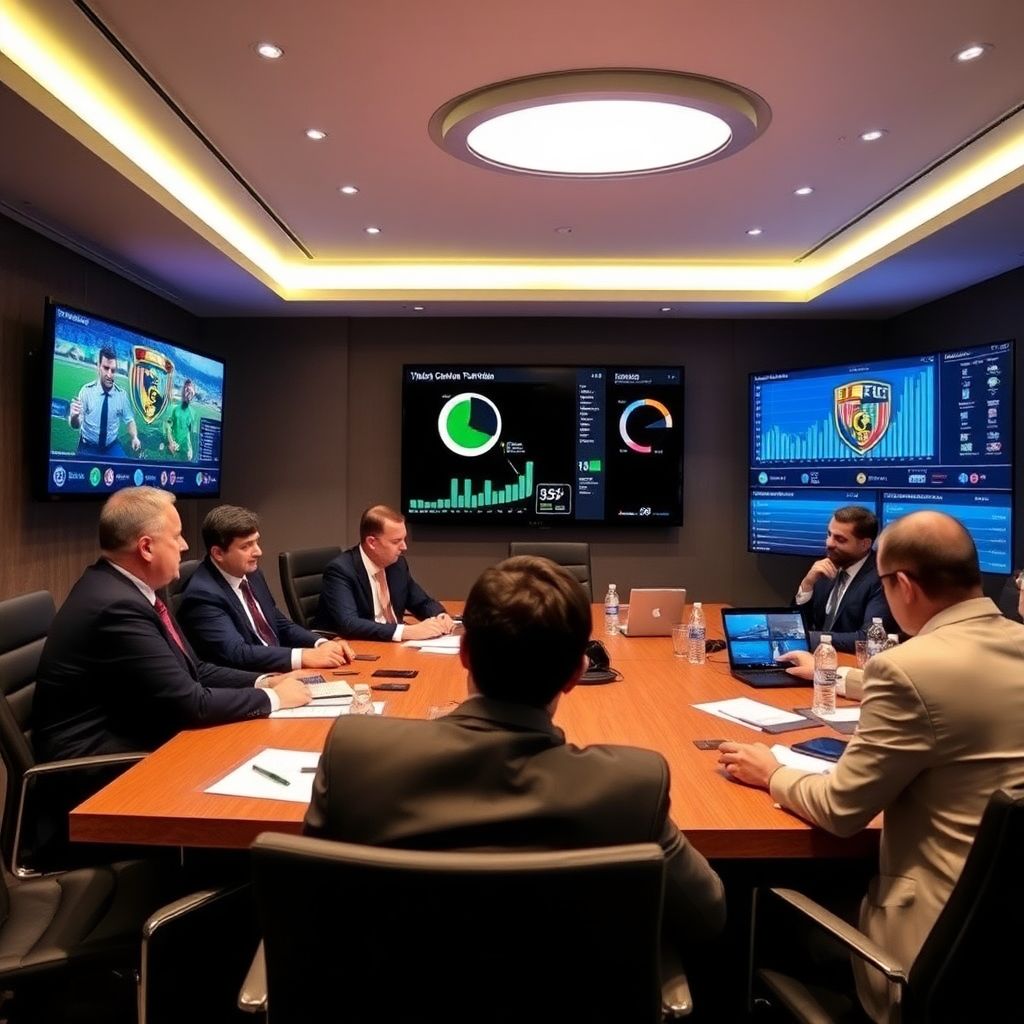
The business side of Turkish football hinges on three pillars: realistic TV rights expectations, disciplined sponsorship management and strict control of club finances. Frequent mistakes are overestimating future Turkish Super Lig TV rights revenue, signing weakly defined sponsorships and ignoring cash flow. Prevent them with conservative budgeting, clear contracts and monthly financial dashboards.
Essential insights into the economics of Turkish football
- Base every medium‑term plan on conservative Turkish Super Lig TV rights revenue forecasts, not optimistic headlines.
- Standardise Turkish football club sponsorship deals with clear deliverables, KPIs and exit clauses.
- Diversify income beyond matchday: retail, digital, academies and player trading.
- Monitor Turkish football club finances and profitability monthly, not only at season’s end.
- Prepare early for Turkish Super Lig broadcasting rights 2025 changes; test multiple revenue scenarios.
- Treat investing in Turkish football clubs as a long‑term, high‑risk strategic decision, not quick speculation.
TV rights landscape: contracts, bidders and revenue distribution
In Turkish football, TV rights are the single most visible revenue stream, but also the easiest to misread. The Turkish Super Lig TV rights revenue structure is shaped by long‑term contracts, bidding cycles, currency risks and distribution formulas that reward both historical success and recent performance.
Clubs commonly lock in budgets based on peak-cycle expectations, then struggle when a new tender lowers the overall pot or changes the distribution key. For executives and investors, understanding how bidders structure Turkish Super Lig broadcasting rights 2025 offers, and how the federation allocates income, is critical to building realistic financial models.
At a high level, the TV rights business model rests on a few questions: who owns the domestic and international rights, what is the contract duration, how is revenue split between league, federation and clubs, and how exposed are payments to currency fluctuations? Misjudging any of these points can destroy a season’s financial plan.
| Package type | Typical buyer | Main revenue logic | Key risk for clubs |
|---|---|---|---|
| Domestic live TV rights | National broadcaster or pay‑TV platform | Subscription and advertising tied to live games | Over‑reliance on a single Turkish Super Lig TV rights revenue stream |
| International broadcast rights | Global sports networks, OTT platforms | Interest in “big four” clubs and derbies | Volatile demand when club performance drops |
| League title sponsorship | Banking, telecom, betting, airline brands | Naming rights plus integrated campaigns | Reputational issues or regulatory changes |
| Club main shirt sponsorship | Regional or global consumer brands | Brand exposure in live broadcasts and digital | Undelivered activation reducing renewal chances |
Frequent mistakes around TV rights include counting on unrealised add‑ons (performance bonuses, uplifts after renegotiation), ignoring payment schedules, and budgeting in foreign currency without hedging when club expenses are in TRY. These errors can be prevented with conservative forecasting, scenario planning and tight treasury policies.
Quick prevention checklist for TV rights risk
- Model three TV revenue scenarios for every season: pessimistic, base and optimistic; budget on the base case.
- Track actual broadcaster payments monthly against contract milestones.
- Align player wage commitments with the pessimistic scenario, not the optimistic one.
- Hedge foreign‑currency exposure when contracts are EUR/USD‑linked but costs are mainly in TRY.
Sponsorship ecosystem: brands, activation and valuation models
Turkish football club sponsorship deals are now multi‑layered: shirt front and back, sleeve, training kit, stadium naming, digital content, regional partners and category exclusivity. Each package must balance brand exposure, fan engagement and the club’s inventory limitations.
Core mechanics of the sponsorship ecosystem:
- Asset inventory and packaging
Clubs map all assets (kit, LED boards, content series, hospitality) and group them into tiered packages (main partner, premium, official, local). Error: selling the same asset twice or underpricing premium visibility. - Audience and data positioning
Brands buy access to fan segments, not only logos. Clubs should present data on demographics, engagement and purchasing power. Error: using outdated audience data, making the offer look speculative. - Activation planning
Real value comes from campaigns: co‑branded content, in‑stadium events, digital promotions. Error: signing a deal without a 12‑month activation calendar and shared responsibilities. - Valuation models
Values are derived from media exposure, reach, engagement and association with success. Error: benchmarking only against “big four” deals instead of similar‑size clubs and markets. - Contract structure and protections
Modern contracts include KPIs, bonus‑malus mechanisms, morality clauses and exit rules. Error: vague performance definitions that make bonus disputes likely. - Reporting and renewal cycle
Quarterly reports summarise activations, media value and fan response. Error: contacting sponsors only at renewal time, without a performance story.
Mini‑scenario: A mid‑table Super Lig club upgrades a regional automotive brand from secondary LED exposure to shirt sleeve rights. Instead of simply increasing price, the club bundles YouTube content and test‑drive events, then sets KPIs on leads generated. At renewal, they negotiate a higher fee based on demonstrated sales impact.
Club revenue streams beyond matchday: merchandising, academies and player trading
For real resilience in Turkish football club finances and profitability, executives must grow non‑matchday revenues. The strongest clubs combine local fan passion with exportable brands, using digital channels and player development as multipliers.
Typical application scenarios:
- Merchandising and retail
Local fans still buy shirts in physical stores, but margins rise when clubs operate their own e‑commerce and control inventory. Key mistake: over‑ordering based on optimistic early‑season sales, then discounting heavily at year end. - Licensing and lifestyle products
Using brand strength on non‑technical items (casualwear, school items, homeware) through licensees. Mistake: weak quality control damaging the brand, and contracts without minimum sales guarantees. - Youth academies and training fees
Academies can be cost centres or profit centres. Revenue comes from training fees, local satellite schools and later player transfers. Mistake: treating academies purely as expense, underfunding coaching and data without a clear player‑sale strategy. - Player trading and sell‑on clauses
For many clubs, disciplined buying and selling of players is the only way to balance books. Mistake: short‑term signings on high wages to “save the season”, blocking academy paths and reducing resale value. - Digital content and memberships
OTT, premium content and paid memberships can monetise global fans. Mistake: launching platforms without consistent content plan, leading to churn and weak revenues. - Events and non‑football use of stadiums
Concerts, corporate events and tours add income. Mistake: poor scheduling causing pitch damage and fines, or underpricing venues compared with local market rates.
Mini‑scenario: An Anatolian club builds a clear “develop and sell” model: moderate transfer fees, performance‑linked bonuses and sell‑on percentages. Combining this with academy investment, they regularly export players to mid‑tier European leagues, adding a predictable income stream every two or three seasons.
Financial health indicators: audits, licensing and debt profiles
Financial health indicators help boards see the real state of the club beyond league position. Licensing rules, independent audits and debt analysis can become powerful tools, but only if they are understood and used consistently. Many clubs see them as bureaucratic hurdles instead of early‑warning systems.
Main advantages of using robust financial indicators
- Transparent view of cash flow, enabling early correction instead of last‑minute crisis loans.
- Better negotiating position when investing in Turkish football clubs is on the table for strategic partners.
- Higher credibility with banks, sponsors and regulators through audited statements.
- Alignment with federation licensing, reducing risk of sanctions or European competition bans.
- Ability to compare club performance across seasons with standardised metrics.
Key limitations and practical challenges
- Indicators are only as accurate as underlying data; late or incomplete bookkeeping makes them misleading.
- Short‑term board pressure can push executives to hide structural problems behind exceptional items.
- Debt restructuring can improve reported ratios while underlying repayment capacity remains weak.
- Differences between domestic rules and UEFA standards can confuse non‑specialist board members.
- Over‑focus on accounting profit can mask liquidity stress and unpaid obligations.
Mini‑scenario: A club regularly passes licensing criteria, but a simple monthly cash‑flow report shows that wage payments are slipping by one week every quarter. The board reacts early by restructuring contracts and selling a high‑earner, avoiding a mid‑season wage crisis.
Regulatory framework and governance: Federation rules, financial controls and compliance
The Turkish federation and UEFA set the framework: licensing, squad registration, financial fair play, betting and sponsorship rules, plus transparency standards. Misunderstanding these rules leads to fines, point deductions or lost revenues from ineligible players and banned sponsors.
Typical mistakes and persistent myths:
- Myth: “Regulations are flexible for big clubs.”
Reality: historical cases show that high‑profile clubs can be sanctioned; assuming informal flexibility encourages risky spending. - Mistake: Late or incomplete reporting
Compliance teams often scramble near deadlines, missing documents or misclassifying items. Prevention: maintain a year‑round compliance calendar with shared responsibility between finance and legal. - Myth: “Short‑term loans solve FFP issues.”
Loans can change timing of cash flows but not eliminate structural deficits. Clubs need sustainable operating models, not cosmetic fixes. - Mistake: Non‑compliant sponsorship categories
Some betting, alcohol or crypto deals may be limited or banned. Prevention: legal review before signing, plus periodic monitoring as rules evolve. - Myth: “Only on‑pitch success matters for licensing.”
On‑pitch results may hide financial weakness for a season, but licensing and UEFA participation decisions are driven by documents, not league tables. - Mistake: Concentrating power in a small inner circle
Lack of internal checks increases risk of poor decisions and conflicts of interest. Prevention: clear governance structure, independent audit committee and documented decision‑making.
Mini‑scenario: A club signs a high‑value crypto sponsor without full legal review. Mid‑season, regulations change and parts of the deal become non‑compliant. With no exit clause, the club is stuck in dispute, losing both money and branding consistency.
Commercial strategies for growth: digital platforms, internationalization and investor relations
Growth now depends on using digital channels, global fan bases and professional investor communication. Clubs that treat themselves as modern entertainment brands attract stronger partners and can survive cyclical on‑pitch downturns.
Actionable commercial strategy recommendations
- Digital platform focus
- Prioritise 2-3 core platforms where your fans actually engage; do not try to dominate every network at once.
- Develop recurring content formats (weekly shows, behind‑the‑scenes series) that sponsors can integrate into.
- Measure not only views but also click‑throughs to sponsor properties and your own store.
- Internationalisation of the fan base
- Identify 2-3 priority foreign markets (diaspora or regions watching the league) instead of “global” in theory.
- Offer multilingual content and localised online stores with reliable shipping and returns.
- Use international friendlies and pre‑season tours to support digital campaigns, not as isolated events.
- Professional investor relations
- Prepare a clear, simple narrative for potential partners about how Turkish football club finances and profitability will improve over 3-5 years.
- Publish regular, comprehensible reports in both Turkish and English, aimed at sponsors and potential equity investors.
- Separate sporting decisions (coach, tactics) from financial strategy; investors seek predictable governance more than guaranteed titles.
Mini‑case: A Super Lig club targets MENA and European diaspora markets. They launch Arabic and English social channels, open international shipping from their online store, and bundle a regional streaming deal with targeted Turkish football club sponsorship deals. Within two seasons, foreign income becomes a stabilising share of total revenue.
Pseudo‑roadmap for an exec team (12‑month horizon):
- Months 1-3: Audit all TV, sponsorship and commercial contracts; classify risks and renegotiation opportunities.
- Months 4-6: Build a conservative three‑scenario budget aligned with upcoming Turkish Super Lig broadcasting rights 2025 tender outcomes.
- Months 7-9: Launch two high‑impact digital content formats with integrated sponsor packages.
- Months 10-12: Present an investor‑ready financial and governance report to selected strategic partners.
Practical questions from club executives and analysts
How conservative should we be when budgeting TV income?
Use the base‑case scenario as the maximum for fixed cost commitments such as wages. Treat performance bonuses and potential renegotiation uplifts as upside, not as guaranteed cash. Revisit assumptions when macroeconomic conditions or tender news change.
What is the fastest way to fix a weak sponsorship portfolio?
Start with an asset and pricing audit, then consolidate fragmented small deals into clearer tiers. Approach existing partners with upgraded, better‑structured packages rather than chasing entirely new brands. Deliver three quick, visible activations to rebuild trust and demonstrate value.
How can a club with high debt become attractive for investing in Turkish football clubs?
Prepare a transparent debt map, including maturities and covenants, and present a credible deleveraging plan. Investors accept debt if governance improves, cash‑flow visibility increases and assets such as academy pipelines or real estate are clearly documented.
Which financial indicators should the board review every month?
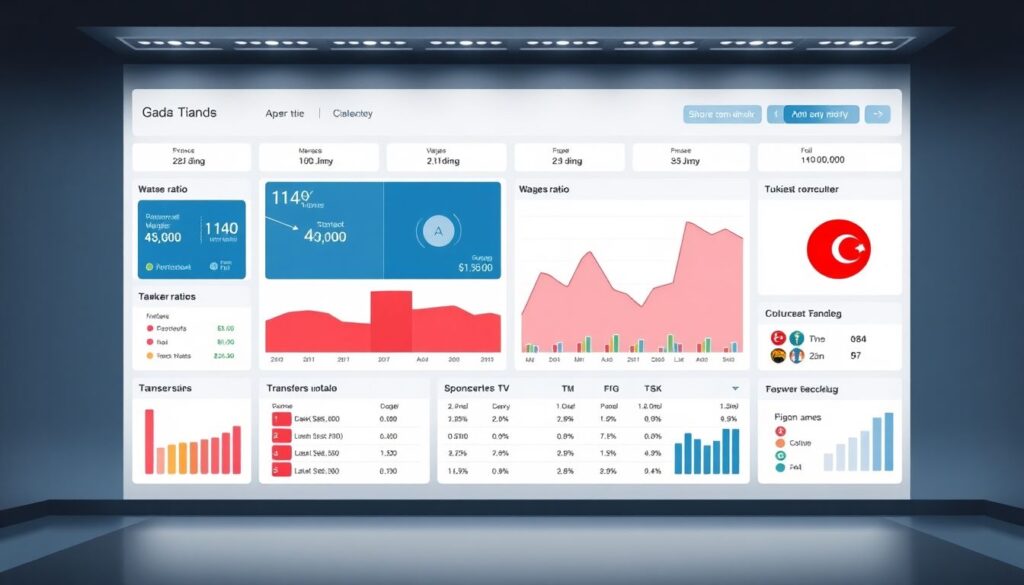
Cash position and forecast, wage‑to‑revenue ratio, transfer balance, sponsorship collection status and variance versus budgeted Turkish Super Lig TV rights revenue. Keep the dashboard simple enough to discuss in 10-15 minutes at every board meeting.
When does it make sense to invest heavily in digital platforms?
Once basic financial control is in place and there is a clear content strategy. Digital investment should be linked to specific revenue goals: e‑commerce sales, sponsor integrations or paid memberships, not just follower counts.
How do we avoid academy spending becoming a pure cost?
Define a written player‑trading model with target positions, age profiles and exit markets. Link academy KPIs to first‑team minutes and transfer income, and track long‑term returns rather than one‑off big sales.
What governance change usually brings the quickest improvement?

Creating a small, independent finance and audit committee with clear authority to block unsustainable deals. Coupled with a strict rule that any long‑term commitment must be justified against the pessimistic revenue scenario, this immediately reduces crisis risk.