Süper Lig suits technically strong, tactically mature players ready for higher intensity, scrutiny and foreign competition, while TFF 1. Lig is better for building consistency, physical robustness and minutes. For a young or rebuilding player, TFF 1. Lig is usually the smarter bridge; for prime-quality profiles, Süper Lig maximises ceiling and visibility.
Concise overview: style, intensity and player makeup
- Süper Lig vs TFF 1. Lig differences: Süper Lig is faster, more transition-heavy and tactically diverse; TFF 1. Lig is more direct, duel-based and coach-driven.
- Süper Lig level vs TFF 1. Lig level: Süper Lig demands quicker decisions and cleaner first touch across all positions, particularly under pressure.
- Turkish Süper Lig playing style compared to TFF 1. Lig: more open games, higher line defences and greater influence of foreign coaches and imports.
- TFF 1. Lig favours physically resilient, aerially strong profiles and specialists in set pieces and counter-attacks.
- For “Süper Lig or TFF 1. Lig which is better for players”, minutes and role clarity in TFF 1. Lig often outweigh bench roles in Süper Lig.
- From an intensity and quality comparison Süper Lig and TFF 1. Lig, Süper Lig offers higher peak quality but also less margin for technical weaknesses.
Tactical templates: prevailing formations and strategic priorities
Head coach lens: choose league by how it stresses your core game model: control vs directness, pressing vs mid-block, set-play focus vs open-play dominance.
- Possession vs direct play balance
- Süper Lig: more teams try to build from the back, mix short combinations with vertical switches.
- TFF 1. Lig: higher share of long balls, early crosses, and second-ball focus, especially outside top 4-5 sides.
- Implication: technical midfielders and ball-playing centre-backs are rewarded more consistently in Süper Lig.
- Typical formations
- Süper Lig: 4-2-3-1 and 4-3-3 dominate, with some 3-4-3/3-5-2 from foreign coaches.
- TFF 1. Lig: 4-2-3-1 and 4-4-2/4-4-1-1, plus pragmatic back-three systems to stabilise results.
- Implication: wide forwards and modern full-backs find more system variety and roles in Süper Lig.
- Attacking priorities
- Süper Lig: wide overloads, half-space playmakers, quick underlaps/overlaps, individual flair in final third.
- TFF 1. Lig: early delivery to target striker, crosses, long throw-ins, rehearsed pattern attacks from flanks.
- Implication: creative 10s and inverted wingers gain more influence and freedom in Süper Lig.
- Build-up risk tolerance
- Süper Lig: more teams accept risk near own box to draw press and exploit space behind.
- TFF 1. Lig: common instruction: “turn them” first, play in opponent half, avoid cheap turnovers deep.
- Implication: keepers comfortable as extra outfielders are more valuable at Süper Lig level vs TFF 1. Lig level.
- Pressing triggers and height
- Süper Lig: frequent high or mid-high pressing, situational traps on full-backs and pivots.
- TFF 1. Lig: more compact mid-blocks; aggressive pressing mainly after bad touches or backward passes.
- Implication: press-resistant midfielders are almost a non-negotiable for top Süper Lig sides.
- Set-piece weight
- Süper Lig: important but one of several tools; more short corner routines and creative restarts.
- TFF 1. Lig: set pieces can decide entire seasons; many squads built around aerial power.
- Implication: dominant aerial centre-backs and long-throw specialists carry extra market value in TFF 1. Lig.
- Lineup archetypes (example)
- Süper Lig sample XI: sweeper-keeper; two ball-playing CBs; attacking full-backs; hybrid 6-8; creative 10; two inverted wingers; mobile 9.
- TFF 1. Lig sample XI: shot-stopper GK; one stopper CB + one passer; conservative full-backs; double pivot with ball-winner; direct winger; classic target 9.
- Implication: if your player’s value lies in flair, combinations and rotations, Süper Lig offers better tactical scaffolding.
- Persona priorities
- Head coach: choose Süper Lig if you want tactically layered possession and structured press; choose TFF 1. Lig if you prefer compactness, duels, and set-play advantage.
- Scout: filter by how often a prospect’s best attributes are demanded in that league.
- Performance analyst: benchmark tactical fit via data on build-up share, long-ball rate, and pressing height.
Match tempo, physical load and in-game intensity
Performance analyst lens: league choice determines typical sprint patterns, recovery times and contact load; it should align with a player’s physical profile and injury history.
| Variant | Who it suits most | Pros | Cons | When to choose |
|---|---|---|---|---|
| Süper Lig – established starter | Prime-age players with strong aerobic base, quick repeat-sprint capacity and technical security under pressure. | Regular exposure to high tempo, better opponents and European scouting; sharpens decision speed. | High physical and mental fatigue; mistakes punished quickly; limited adaptation time. | When player already dominates TFF 1. Lig or similar level and needs a higher ceiling to grow. |
| Süper Lig – rotation or impact sub | Young or newly-arrived players with standout quality but incomplete robustness for 90 minutes. | Controlled exposure to top level; training intensity high, match minutes carefully managed. | Risk of stagnation if minutes stay low; difficult to evaluate player under limited sample. | When club can guarantee structured development plan and cup or lower-pressure minutes. |
| TFF 1. Lig – promotion contender | Competitive, resilient players ready for demanding schedule and pressure for results every week. | Consistent minutes; intense but slightly lower speed than Süper Lig; strong environment for mentality. | Games can be scrappy; fewer long possession phases; less exposure to elite attackers. | When a player needs leadership responsibility and weekly 90s before Süper Lig move. |
| TFF 1. Lig – mid-table stabiliser | Players returning from injury or adapting to Turkish football who need rhythm over glamour. | Stable role, predictable minutes; physical battles toughen players; less external pressure. | Lower spotlight for transfers; tactical level can be uneven between clubs. | When rebuilding confidence or testing a foreign player’s adaptation to Turkey. |
| TFF 1. Lig – developmental club for youth | Academy graduates and U21s needing adult-game exposure and learning to handle duels. | Fast maturity curve; many ball contacts; coaches often open to loan players starting. | Less refined team structure may hide or distort technical strengths. | When the priority is experience volume over immediate technical optimisation. |
Compact comparative snapshot for tempo and archetypes
| Aspect | Süper Lig | TFF 1. Lig |
|---|---|---|
| Match tempo | Higher, more transitions, faster circulation. | Moderate, many stop-start phases, long balls. |
| Typical physical load | More high-intensity sprints and longer pressing phases. | More contact duels, aerials, second-ball chases. |
| Technical emphasis | First touch, press resistance, combination play. | Ball-winning, heading, long passing, set-play execution. |
| Common archetypes | Dynamic 8s, inverted wingers, ball-playing CBs, sweeper-keepers. | Target 9s, destroyer 6s, powerful CBs, classic wingers. |
Actionable note for scouts: profile energy systems (repeat sprints vs collisions) before deciding which league maximises a player’s durability and expression.
Ball progression and technical profiles by position
Scout lens: think in “if-then” scenarios that map ball progression patterns to player strengths.
- If your centre-backs’ main value is line-breaking passing and composure, then Süper Lig offers more ball-at-feet time and teammates moving into pockets; in TFF 1. Lig they risk being underused in long-ball teams.
- If your full-back is a high-volume crosser rather than an underlapping playmaker, then TFF 1. Lig’s direct, wing-oriented attacks can showcase him better than possession-heavy Süper Lig sides that demand complex rotations.
- If your defensive midfielder excels at simple circulation and duel-winning, not press resistance, then TFF 1. Lig is safer; Süper Lig pivots are pressed more aggressively and forced to turn under pressure.
- If your 8/10 thrives between lines, receiving on the half-turn and combining quickly, then Süper Lig’s more open structures, especially in big-club home games, give higher ceilings for creativity and output.
- If your winger is a pure runner attacking space behind the full-back, then both leagues work, but promotion-chasing TFF 1. Lig sides that counterattack frequently can give more high-speed actions per game.
- If your striker is a back-to-goal target with strong heading and lay-offs, then TFF 1. Lig maximises crosses and long balls; in Süper Lig, he must add link play in tighter spaces to remain effective.
- If your goalkeeper is excellent with feet but average in the air, then top-half Süper Lig teams are better fits than TFF 1. Lig clubs that load the box and emphasise high balls.
- If your player struggles with first touch under pressure but has strong straight-line pace, then starting in TFF 1. Lig gives time to tidy technique without the punishing turnovers of Süper Lig pressing.
Head coach takeaway: choose the league where your build-up and progression patterns will force a player’s key strengths to appear 10-20 times per match, not 2-3 times.
Defensive models: shape, pressing and transition management
Head coach and performance analyst joint lens: align league with the defensive system you want your players to internalise.
- Define your primary defensive shape:
- If you prefer mid-to-high block 4-3-3 or 4-2-3-1 with coordinated pressing, Süper Lig offers more opponents who will build, giving clear pressing triggers.
- If you value deep 4-4-2 or 5-4-1 compactness and low-block resilience, TFF 1. Lig provides constant practice.
- Assess your players’ pressing IQ:
- Select Süper Lig when your front line can press on cue and your back line is comfortable holding a higher line.
- Use TFF 1. Lig to rehearse simpler triggers (bad touch, backward pass, sideline traps) for less tactically mature squads.
- Match recovery speed in transition:
- Choose Süper Lig if your midfield can sprint back and reorganise quickly after losing the ball, as transitions are frequent and lethal.
- Choose TFF 1. Lig if you are still teaching rest-defence and want more controlled, slower transition phases.
- Calibrate aerial and set-play defence:
- If your defenders are not dominant aerially, TFF 1. Lig can expose them; consider Süper Lig environments where zonal and mixed marking are more refined.
- For centre-backs strong in the air but basic on the ball, TFF 1. Lig offers a forgiving context to play to strengths.
- Evaluate foul management and game control:
- Süper Lig demands smarter foul selection around box due to higher-quality set-piece takers and VAR scrutiny.
- TFF 1. Lig defenders must cope with more direct balls and chaotic second phases, requiring robustness and concentration.
- Decide your teaching priority:
- Pick Süper Lig for advanced pressing schemes, compactness with a higher line, and defending space behind.
- Pick TFF 1. Lig for mastering duels, body positioning in the box, and “suffering” under crosses and long throws.
- Re-check persona fit:
- Head coach: choose league that best stress-tests your preferred defensive model.
- Scout: judge whether a prospect’s defensive data (duels, interceptions, pressures) reflects league style or true ability.
- Performance analyst: benchmark players vs league-average defensive actions per zone to avoid over/under-rating them.
Player archetypes: who succeeds in Süper Lig vs TFF 1. Lig
Scout lens: avoid these recurring mistakes when deciding league entry point for a player.
- Sending raw but athletic attackers straight to Süper Lig benches
- Mistake: overvaluing pace and underestimating need for decision speed and combination play.
- Better: one strong TFF 1. Lig season of 90-minute games, then step up.
- Underestimating technical demands on Süper Lig defenders
- Mistake: assuming a dominant TFF 1. Lig “stopper” CB will cope despite limited distribution.
- Better: ensure basic press-resistance and passing range before moving.
- Misplacing “number 10s” without ball-winning capacity in TFF 1. Lig double pivots
- Mistake: converting creative 10s into 8s in a league full of duels and transitions.
- Better: use them higher or move them to Süper Lig sides that can carry a lighter presser with ball dominance.
- Ignoring language, culture and travel adaptation for foreigners
- Mistake: dropping foreign players directly into high-pressure Süper Lig environments with big expectations.
- Better: phase into Turkey via TFF 1. Lig loans where scrutiny is lower.
- Overrating TFF 1. Lig scoring records for poachers
- Mistake: assuming high goal tallies from set pieces and scrappy chances will translate to Süper Lig.
- Better: track chance quality, movement in tight spaces, and link play, not just raw goals.
- Choosing TFF 1. Lig for highly technical, low-physical teenagers
- Mistake: exposing them to heavy contact before they can protect themselves.
- Better: few minutes in Süper Lig with protective game models or U19 + gradual loans to the right TFF 1. Lig club.
- Projecting “big club” Süper Lig roles from TFF 1. Lig dominance
- Mistake: skipping the intermediate step of playing for mid-table Süper Lig sides first.
- Better: stage progression: TFF 1. Lig → mid-table Süper Lig → top Süper Lig/abroad.
- Ignoring position-specific league edge
- Keepers and CBs strong in the air often shine first in TFF 1. Lig.
- Creative 8s/10s and inverted wingers usually reveal full value earlier in Süper Lig.
- Persona cross-check
- Head coach: ask which league hides each weakness least.
- Scout: tag prospects explicitly “Süper Lig-ready” vs “TFF 1. Lig bridge needed”.
- Performance analyst: normalise metrics by league style before recommending a move.
Development pathways: transfers, youth exposure and coaching impact
Süper Lig is usually best for players already consistent at domestic second-tier or similar levels who need higher tactical complexity, visibility and quality of opposition. TFF 1. Lig is generally best for accumulating minutes, building physical robustness and leadership. For most prospects, a planned TFF 1. Lig spell before Süper Lig delivers the healthiest progression.
Practical queries from coaches and scouts
How should I decide between Süper Lig or TFF 1. Lig which is better for players in my squad?
Segment your squad by readiness: players already dominating their current level should push for Süper Lig; those inconsistent or physically immature benefit from TFF 1. Lig minutes. Map each player’s strengths to league demands in build-up, duels and tempo before deciding.
For a young playmaker, are Süper Lig vs TFF 1. Lig differences big enough to delay a move?
Yes, because Süper Lig punishes slow decisions and loose touches much more. If the playmaker is still learning to handle pressure and contact, a short TFF 1. Lig phase with guaranteed starts is often safer than limited Süper Lig cameos.
What should a head coach prioritise when choosing league level for a loaned defender?
Prioritise the type of defending they will do: lots of box defending and aerial duels indicate TFF 1. Lig; defending space, high line and build-up involvement point to Süper Lig. Match this with their current weaknesses to accelerate learning.
How does the intensity and quality comparison Süper Lig and TFF 1. Lig affect injury risk?
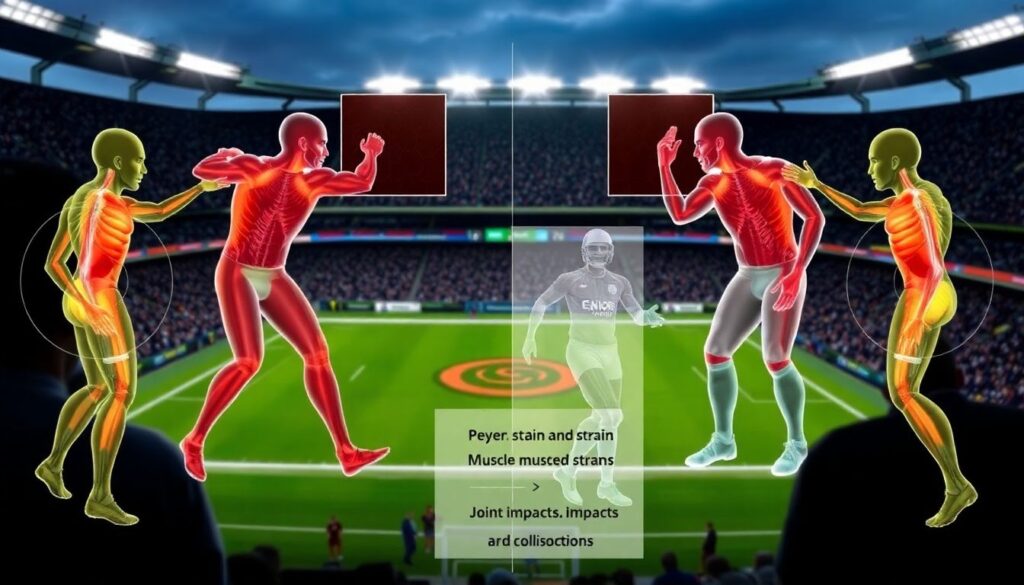
Süper Lig brings higher speed and more high-intensity sprints, stressing muscles and tendons. TFF 1. Lig involves more collisions and aerial duels, stressing joints and contact tolerance. Align a player’s injury history with the risk profile of each league.
For scouting, which stats translate better from TFF 1. Lig to Süper Lig?
Off-ball work rate, defensive duels won, and progressive actions under pressure tend to translate better than raw goals or assists. Always adjust for team style and the Turkish Süper Lig playing style compared to TFF 1. Lig when projecting output.
Can a goalkeeper skip TFF 1. Lig and jump directly to Süper Lig?

Yes, if they are already strong with feet, commanding in the air, and used to fast games. However, if they lack experience managing crowds or high-pressure matches, one strong TFF 1. Lig season can be a valuable intermediate step.
How should a performance analyst present league-choice recommendations to the sporting director?
Frame it in personas: show how the league fits the head coach’s model, the scout’s risk assessment, and the analyst’s physical and tactical data. Use clear “if-then” pathways instead of generic Süper Lig level vs TFF 1. Lig level labels.