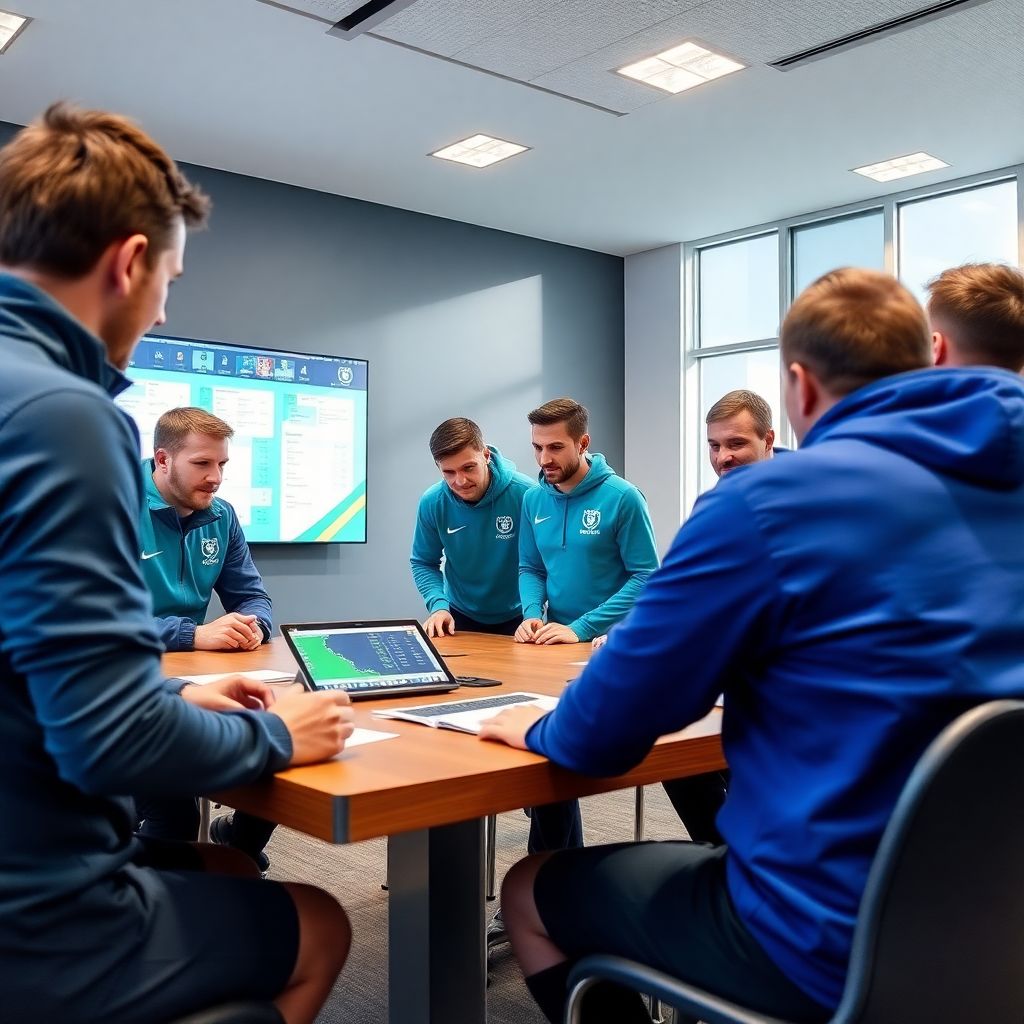
Süper Lig clubs scout and develop U17-U19 players through a joined system of live scouting, data and video analysis, school and grassroots partnerships, age-specific training programs, and controlled promotion to professional squads. For staff, the task is to build clear criteria, shared databases, and safe, stepwise progression for every high-potential player.
Essentials of Süper Lig U17-U19 pathways
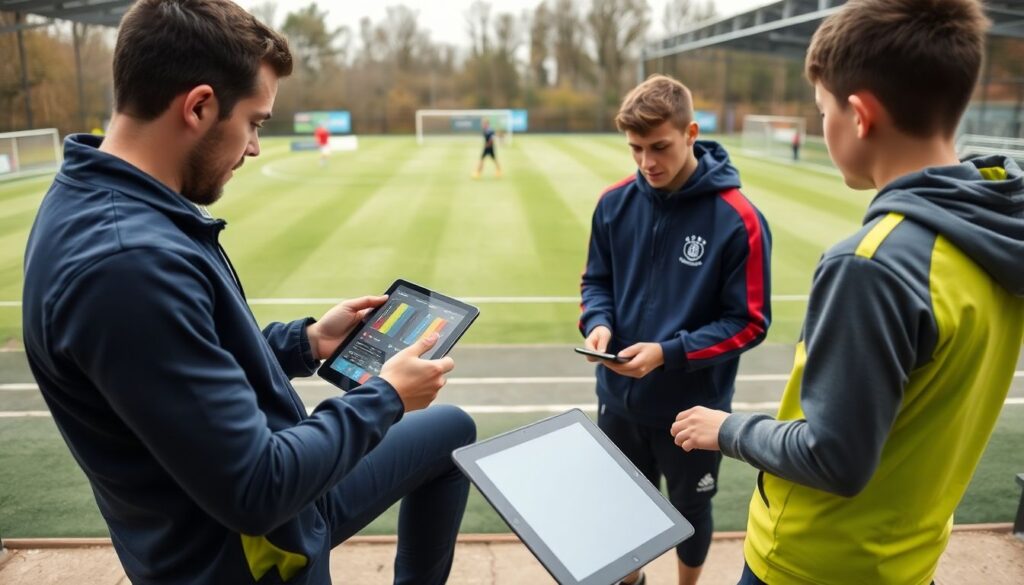
- Define clear, written profiles for U17 and U19 by position, including technical, tactical, physical and mental indicators.
- Combine live scouting, data and video to cross-check decisions on every target.
- Use structured school and grassroots networks to create sustainable local talent pipelines.
- Periodise training around domestic league, cup and international calendar demands.
- Standardise physical and mental testing before any promotion or loan decision.
- Design transparent, age-tagged contract and loan pathways from academy to first team.
Talent identification methods used by Süper Lig academies
Objective: Build a consistent, club-wide method for identifying U17-U19 talent that fits your game model and local context.
- Clarify who this pathway is for
Focus on players already competing at regional level or in strong school leagues, and those invited to turkish super lig youth academy trials. - Recognise when the pathway is not appropriate
Do not fast-track players with large gaps in schooling, language, or social support; they may need community or school-level football first. - Map positional profiles by age
Write U17 and U19 profiles for each position, linking technical skills, decision-making and physical benchmarks to your tactical style. - Use layered scouting channels
Combine club match scouting, school tournaments, regional federations and recommendations from trusted coaches to identify super lig clubs scouting u17 u19 players in competitive environments. - Separate assessment from selection
First, document what the player is now (assessment). Only then decide if they fit your current squad needs (selection), to avoid bias from short-term results. - Record evidence, not opinions
Standardise reports: context of match, minutes played, key actions by phase of play, and video clips for every serious target.
Data and video scouting: metrics, thresholds and standard protocols
Objective: Use data and video to reduce blind spots in scouting and give coaches objective evidence for decisions on U17-U19 players.
- Secure access to reliable competitions data
Ensure you can track minutes, positions, and basic event data for academy league and key school competitions where football scouting opportunities in turkey for youth players are strongest. - Standardise core metrics by role
For each position, agree on a compact list of indicators (e.g., progressive passes, defensive duels won, high-intensity runs) and apply the same list to all candidates. - Adopt a common video coding template
Tag clips by phase (build-up, final third, transitions, set plays) and by decision quality, not only by successful outcomes. - Set qualitative thresholds instead of rigid numbers
Define "promotion-ready" as consistently above age-group average and effective in your intended role, instead of chasing arbitrary statistics. - Run joint analyst-coach review sessions
Schedule regular short meetings where analysts present data and clips; coaches add contextual knowledge before any major recruiting or promotion decision. - Archive and track longitudinally
Keep yearly data and video samples for every retained player, so you can judge development trajectories rather than single-tournament form.
Local partnerships, school programs and grassroots scouting networks
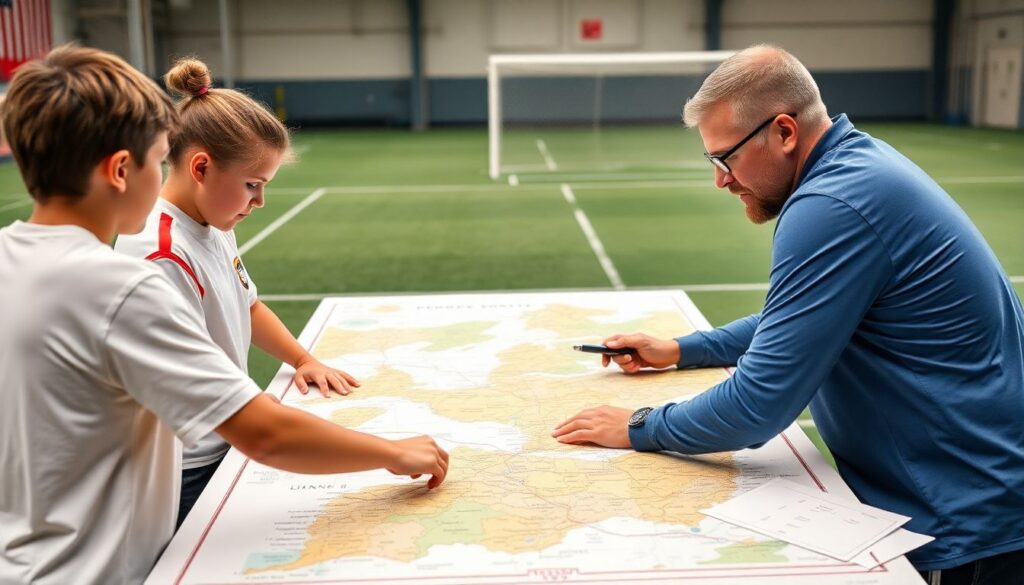
Objective: Turn your region into a structured recruitment territory using safe, transparent collaboration with schools, amateur clubs and community programs.
Preparation checklist before building partnerships
- Define your key catchment areas and age groups (U13-U19).
- Identify 5-10 priority schools and amateur clubs with good coaching standards.
- Prepare a simple information pack on how to join turkish football academy pathways at your club.
- Secure internal approval for visit frequency, branding use and safeguarding policies.
- Nominate one academy staff member as regional partnerships coordinator.
- Map and rank local football environments
List schools, municipal pitches, amateur clubs, and community projects in your region.- Prioritise places with regular competitions and qualified coaches.
- Note areas with limited access; they may hide late-identified talent.
- Design school partnership offers
Offer coaching support, training plans and teacher workshops in exchange for early access to promising players.- Provide age-appropriate training templates and physical literacy sessions.
- Invite teachers to academy open days and internal clinics.
- Set up structured grassroots scouting events
Run small, local talent days instead of one big, high-pressure trial.- Limit numbers per event so staff can safely observe all players.
- Communicate clearly that events are scouting sessions, not guaranteed contracts.
- Create a referral and feedback loop
Allow partner coaches to recommend players into turkish super lig youth academy trials using a simple form or email template.- Always send basic feedback to the referring coach after the trial.
- Share general development tips even if the player is not selected.
- Integrate international and migrant communities
Coordinate with local associations and schools where super lig youth development programs for international players are relevant.- Offer information in multiple languages when possible.
- Ensure clear safeguarding and accommodation protocols for non-local families.
- Monitor and evaluate partner impact
Track how many signed academy players come from each partner environment.- Renew or upgrade agreements with high-impact partners.
- Provide extra support to partners that show potential but lack resources.
Training periodization and technical curricula for U17 and U19 cohorts
Objective: Align weekly and seasonal training loads with competition demands while delivering a coherent technical-tactical curriculum.
- Every U17 and U19 player follows an individual development plan linked to a clear positional profile.
- Season is divided into macro- and meso-cycles that reflect league, cup and exam calendars.
- Weekly micro-cycles balance intensity: one main high-intensity day, one medium, and one lighter tactical/technical day before matches.
- Technical themes (first touch, finishing, pressing triggers) repeat across blocks with increasing complexity.
- Small-sided games are used regularly to train decision-making, not only fitness.
- GK training is integrated with team sessions in at least one practice per week.
- Injury reports and wellness feedback are reviewed before adjusting weekly loads.
- Video review sessions are short, focused and directly linked to the week’s training themes.
- Education and exam periods trigger planned load reductions, not ad-hoc rest days.
- End-of-season reviews combine coach ratings, objective data and player self-assessments.
Physical testing, mental profiling and readiness criteria for promotion
Objective: Decide safely when a U17 or U19 player is ready to move closer to professional football without rushing or exposing them to unnecessary risk.
- Over-relying on one "star" game or tournament to decide promotion readiness.
- Ignoring large differences in biological maturation when interpreting physical test results.
- Using tests without a clear link to football actions (e.g., unrelated gym challenges).
- Skipping proper mental profiling and assuming quiet players lack competitiveness.
- Promoting players who cannot yet manage school, family and travel demands together.
- Failing to involve medical and performance staff in promotion discussions.
- Not checking how a player responds to setbacks before exposing them to senior pressure.
- Confusing early physical dominance with long-term potential and game intelligence.
- Announcing promotions too early, creating pressure and distraction during key exams.
- Neglecting individual injury history and cumulative workload in decision-making.
Contracting, loan strategies and structured progression to first team
Objective: Provide realistic, safe alternatives for U17-U19 graduates when immediate first-team promotion is not possible.
- Internal U21 or reserve squad pathway
Suitable when your club fields a competitive reserve team and can guarantee meaningful minutes and first-team training exposures. - Domestic loan to lower-division club
Useful when a player needs senior minutes in a less intense environment, but with playing style and position similar to your first team. - Strategic partnership with specific clubs
Effective when you can align playing philosophy, feedback routines and return options, turning loans into controlled development steps. - Permanent transfer with sell-on structure
Appropriate when squad depth blocks opportunities and another club offers a clearer path; allows the player to progress while your academy retains future value.
Common operational questions from academy staff
How often should we organise open trials for U17-U19 players?
Limit major open trials to a few well-planned events per year, and rely more on targeted invitations from your scouting network. This keeps numbers manageable and allows safer, more detailed evaluations.
What is the safest way to invite players from distant regions?
Always communicate through parents or legal guardians, provide written schedules and accommodation details, and avoid last-minute invitations. Coordinate with local coaches to confirm the player’s situation and schooling.
How do we balance school commitments with academy training?
Plan training times in consultation with schools, especially around exams. Use individual study support or quiet rooms at the training ground, and be ready to reduce load temporarily instead of risking burnout.
Should analysts attend live matches or work only from video?
Ideally, combine both. Analysts should see some matches live to understand context, then use video for detailed review and tagging. Where travel is difficult, prioritise high-quality video with clear camera angles.
When is a domestic loan better than keeping a player in U19?

A domestic loan is preferable when the player is consistently one of the strongest in U19 and cannot progress further without senior competition, and when the loaning club can guarantee regular minutes in the right position.
How do we manage expectations of families during the promotion process?
Share clear, written criteria for promotion and review them with families at least once per season. Emphasise that development paths differ and that education and wellbeing remain priorities.
Can international players enter our academy at U17 or U19 level?
Yes, but only within federation and visa regulations. Ensure language support, schooling options and safe housing before confirming any international arrival, and integrate them gradually into squads and competitions.