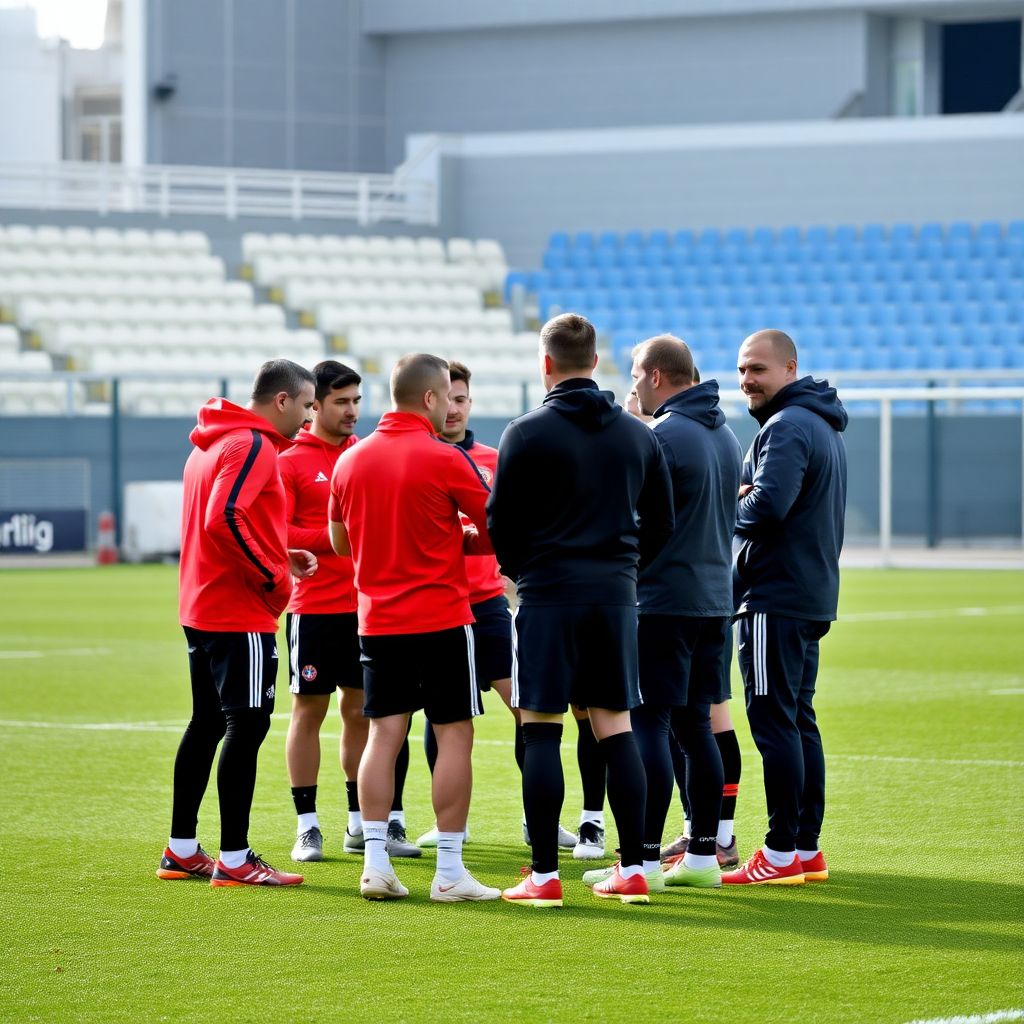
European coaching philosophies have reshaped Turkish football by adding structured tactics, periodized training and data use, but clubs often copy models without adapting to local realities. The most common mistakes are superficial imitation, communication gaps and overloaded schedules. Prevent them by simplifying principles, training staff together and building clear, shared routines for players and coaches.
Core Concepts of European Influence on Turkish Coaching
- European models emphasise clear game identity, structured tactics and role clarity for every player.
- Periodization and small-sided games organise the training week around match demands, not fitness for its own sake.
- Data, video and GPS are tools to support decisions, not to replace coaching intuition.
- Successful adaptation in Turkey requires aligning European ideas with local player profiles and club culture.
- Youth development is long-term: consistent methodology from academy to first team is more important than individual tournaments.
- Communication style and authority patterns must adapt; copying the behaviour of the best European football coaches in Turkish Super Lig without context often backfires.
Historical Exchange: European Coaches and the Evolution of Turkish Tactical Identity
The influence of European coaching in Turkey began with foreign managers bringing organised defensive structures, pressing schemes and professional training habits. Over time, this created a hybrid style: traditional Turkish emotion, improvisation and individual skill blended with more systematic European frameworks.
Today, European football coaching courses in Turkey and regular football coaching clinics in Turkey with European coaches accelerate this exchange. Turkish assistants, analysts and fitness coaches learn abroad, then return with concepts such as pressing triggers, positional play and detailed set-piece preparation.
The current tactical identity of many Super Lig clubs sits between two poles. On one side stand direct, transition-focused approaches inspired by Central and Eastern Europe. On the other side stand possession-based, positional models influenced by Spain, Germany and the Netherlands. The challenge is not importing ideas, but integrating them coherently across first team, reserve and academy squads.
Imported Tactical Systems and Their Local Adaptations in Turkish Clubs
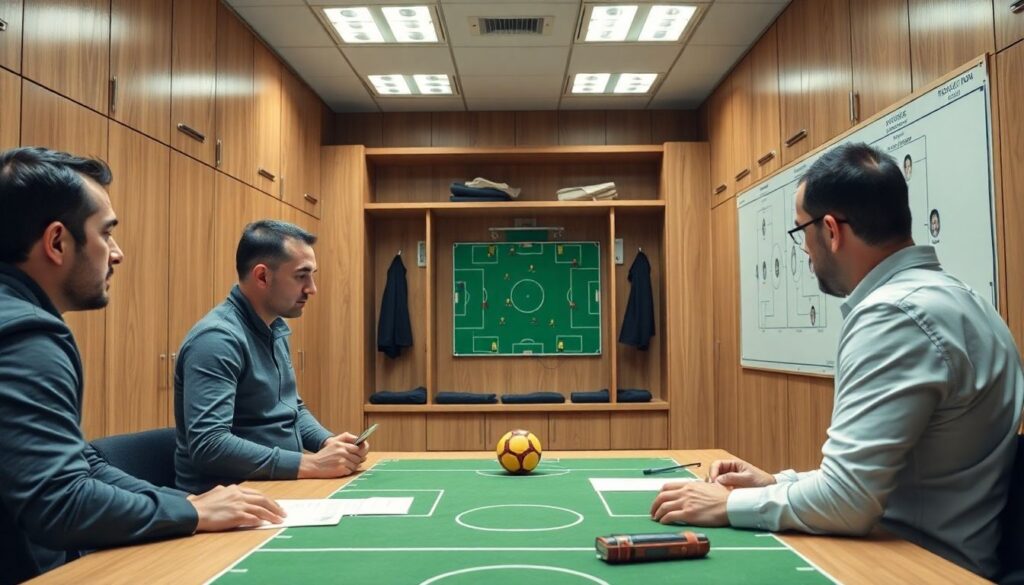
European systems like 4-3-3 pressing, 3-4-2-1 build-up or compact 4-4-2 blocks are now common in Turkey. Problems start when these systems are copied from video or short seminars without understanding the principles behind them. Below are typical mechanisms and where mistakes appear, with quick prevention tips.
-
High pressing models
Mistake: Pressing because it is fashionable, without synchronised triggers or fitness base. Lines get stretched, central spaces open, defenders are exposed.
Prevention: Define 2-3 clear pressing triggers, rehearse them in small-sided games, and shorten the lines (defence-midfield-attack distance) in training. -
Positional 4-3-3 or 4-1-4-1
Mistake: Locking players into grid positions copied from top European clubs, killing Turkish players’ natural creativity.
Prevention: Emphasise “zones to start from” and “zones to arrive in” instead of fixed spots; allow freedom in the final third with agreed rest-defence structure behind the ball. -
Three-at-the-back structures (3-4-3, 3-5-2)
Mistake: Switching to a back three without wing-backs capable of both 70-metre runs and defensive duels, leading to constant overloads on flanks.
Prevention: Test the shape in training with realistic transition games; if wing-backs cannot repeat runs, use asymmetrical full-back roles instead of a pure back three. -
Low block counter-attacking systems
Mistake: Confusing “compact” with “passive”. Teams sit deep but do not control central zones, allowing free shots and crosses.
Prevention: Define height of the block (line of engagement) and specific moments to step out. Train midfield line to move as one unit toward the ball, not backwards only. -
Set-piece preparations
Mistake: Copying complex European routines that require precision rehearsals, but changing them every week so players stay confused.
Prevention: Keep 2-3 stable routines in attack and defence. Practise them briefly every matchday-2. Use simple keywords in Turkish so foreign staff and players share the same language. -
Build-up from the goalkeeper
Mistake: Forcing short build-up with a goalkeeper and centre-backs uncomfortable under pressure, leading to cheap goals conceded.
Prevention: Decide build-up strategy after technical assessment of GK and CBs. Mix long and short options; give GK 2-3 clear passing patterns only, not 10 theoretical variants.
Modern Training Methodologies: Periodization, Small-Sided Games, and Conditioning
Modern European methodologies brought to Turkey focus on periodization (planning training loads by the week and season), small-sided games and football-specific conditioning. Misuse of these concepts often overloads players, increases injuries and creates tactical confusion.
-
Weekly periodization around match day
Scenario: Coach follows a European periodization chart without adjusting for Super Lig travel, pitch conditions or cup matches. Players arrive at weekend games tired.
Application: Start from your real match calendar. Fix high-intensity days and recovery days first, then choose drills. Review injury data every month and adjust volume, not only intensity. -
Small-sided games for tactical learning
Scenario: Games are used only “to run more”, with no clear rule changes or targets. Players get fit but do not improve decision-making.
Application: Link every small-sided game to a principle (e.g., pressing after loss, playing through thirds). Add simple constraints: touch limits, bonus goals for recovering the ball in certain zones. -
Football-specific conditioning
Scenario: Fitness coach imports European running plans, then the head coach adds extra tactical sessions “just in case”. Total load explodes.
Application: Integrate most fitness into game-based drills. Use GPS or at least session RPE (players’ perceived effort) to track when accumulated workload is too high, and cut extra running first. -
Injury prevention routines
Scenario: Warm-ups are copied from videos of big European clubs but rushed or skipped before local league and youth matches.
Application: Standardise a 12-15 minute warm-up template for all teams in the club. Teach assistants and youth coaches to deliver it identically, especially at Turkish football academies with European coaching philosophy. -
Video and data feedback
Scenario: Analysts prepare long European-style video meetings that lose players’ attention.
Application: Keep meetings short and focused (5-10 minutes per line). Show 3-5 clips for one theme and finish with one clear, actionable message per unit (defence, midfield, attack).
Youth Development: Academy Structures, Talent Pathways and European Benchmarks
European academies influenced Turkish youth development through structured age-phase curricula, integrated sports science and clear pathways from U-14 to first team. Many Turkish clubs adopted the language of these models but not always the discipline to apply them daily.
Below are common advantages of adopting European benchmarks in Turkish academies, followed by limitations and mistakes that appear when they are imported without adaptation.
Benefits of European-Style Academy Structures
- Unified playing philosophy across age groups, so tactical language is consistent when players move up.
- Planned progression of technical skills (first touch, scanning, 1v1, passing under pressure) according to age, not coach preference.
- Better load management for young players thanks to simple periodization rules and standard warm-up / cool-down routines.
- Clear communication with parents about expectations: training behaviour, school balance, match time and evaluation criteria.
- Closer connection between academy and first team via shared staff meetings and combined training sessions for top prospects.
Limitations and Frequent Structural Mistakes
- Copying foreign age-group systems without considering Turkish school timetables, travel distances and pitch access leads to constant schedule chaos.
- Over-emphasis on tournament results at U-12 to U-15 age groups damages long-term technical and psychological development.
- Using European drills but keeping old selection biases (physical size over game intelligence) blocks late-maturing talents.
- Unclear pathway to first team: promising players bounce between U-19, reserves and loans with no individual development plan.
- Academy coaches lack licensing support because clubs ignore the practical implications of UEFA coaching license Turkey cost and requirements, so quality depends on a few motivated individuals.
Cultural and Organizational Barriers: Communication, Authority and Institutional Fit
Many failures are not tactical but cultural. European coaches and methods may clash with Turkish expectations around authority, feedback and dressing-room hierarchy. Misreading these factors leads to fast turnovers and lost seasons, even when the underlying ideas are sound.
-
Copying leadership style instead of principles
Mistake: Imitating the behaviour of high-profile foreigners considered the best European football coaches in Turkish Super Lig, including public criticism of players, without having the same status or language skills.
Quick fix: Keep criticism private, praise in public. Use simple, clear English or Turkish and verify understanding in small groups. -
Underestimating assistant and staff influence
Mistake: Foreign methods are shared only with the head coach; assistants and academy coaches continue “old-school” habits.
Quick fix: Run internal workshops similar to football coaching clinics in Turkey with European coaches, but only for your staff. Align terminology and basic principles first. -
Mismatched expectations about discipline
Mistake: Soft disciplinary rules imported from some European environments clash with local expectations of firm authority, causing mixed messages and cliques in the squad.
Quick fix: Write a simple team code in advance, agree it with club management and captains, and apply it consistently from first day of pre-season. -
Language barriers in tactical teaching
Mistake: Complex tactical terms are translated differently by various staff members, confusing players. - Quick fix: Create a two-language glossary of key tactical words and use the same terms in video, printouts and on-pitch coaching.
-
Over-centralised decision-making
Mistake: Club structures give all power to the head coach; when a foreign coach leaves, methodology disappears overnight.
Quick fix: Document session libraries and game models. Involve academy director and performance staff in planning so knowledge is shared institutionally.
Evaluating Impact: Performance Metrics, Data Integration and Competitive Outcomes
To see whether European philosophies are truly helping, Turkish clubs need simple, consistent metrics. Without them, every new coach “starts from zero” and decisions depend on emotions or single match results.
Consider a mid-table Super Lig club that collaborates with one of the Turkish football academies with European coaching philosophy. They agree on a small metric set linking first team and academy: high-intensity runs per match, PPDA (pressing intensity), percentage of academy minutes in league matches, and set-piece goals conceded.
Over one season, data reveals that high-intensity runs increased slightly, PPDA improved, but set-piece goals conceded remained high and academy minutes stayed flat. Instead of replacing staff, the club focuses on two concrete actions:
- First team and academy run joint weekly sessions on set-piece defending with shared terminology.
- Head coach commits to giving a minimum amount of playing time to two academy graduates in defined match contexts (home games against bottom-half teams, for example).
By tracking the same metrics for another season, the club can judge if the European-style methodology is producing practical on-pitch and pathway improvements, not just attractive training sessions.
Short Self-Check for Coaches and Administrators
- Have we written down our game model in simple language that players and staff can explain in two minutes?
- Do our training loads match the real competition calendar, or are we copying a foreign weekly plan?
- Are academy and first team using the same basic tactical terms and warm-up structure?
- Do we review 3-5 key metrics every month to judge if our European ideas are working?
- Have we invested in staff education, such as European football coaching courses in Turkey, not only in star signings?
Practical Queries from Coaches and Club Leaders
How should a small club start integrating European coaching ideas without big budgets?
Begin with shared terminology, basic periodization and a consistent playing idea across age groups. Use free or low-cost resources, short internal workshops and simple video analysis before chasing expensive technology or star foreign staff.
Are European football coaching courses in Turkey enough to change a club’s culture?
Courses give knowledge and contacts but do not automatically shift daily habits. Use them as a starting point, then schedule regular internal sessions where attendees teach the rest of the staff and adapt concepts to your context.
What should I know about UEFA coaching license Turkey cost and requirements before planning staff development?
Licenses require both time and money, plus proof of coaching activity. Map your staff’s current licenses, decide who needs which level in the next 2-3 years and budget for it, including travel and time away from training.
How can I use football coaching clinics in Turkey with European coaches more effectively?
Send staff with a clear learning objective, not just to “attend”. After the clinic, hold a debrief where each coach presents two ideas to keep and one to test in your environment during the next month.
What is the quickest way to align Turkish football academies with European coaching philosophy?
Unify three elements: warm-up/cool-down routines, basic team shape per age group and language used for key principles (pressing, build-up, transitions). Once these are consistent, add more advanced elements like data tracking or individual development plans.
How do I prevent clashes between foreign European staff and local Turkish assistants?
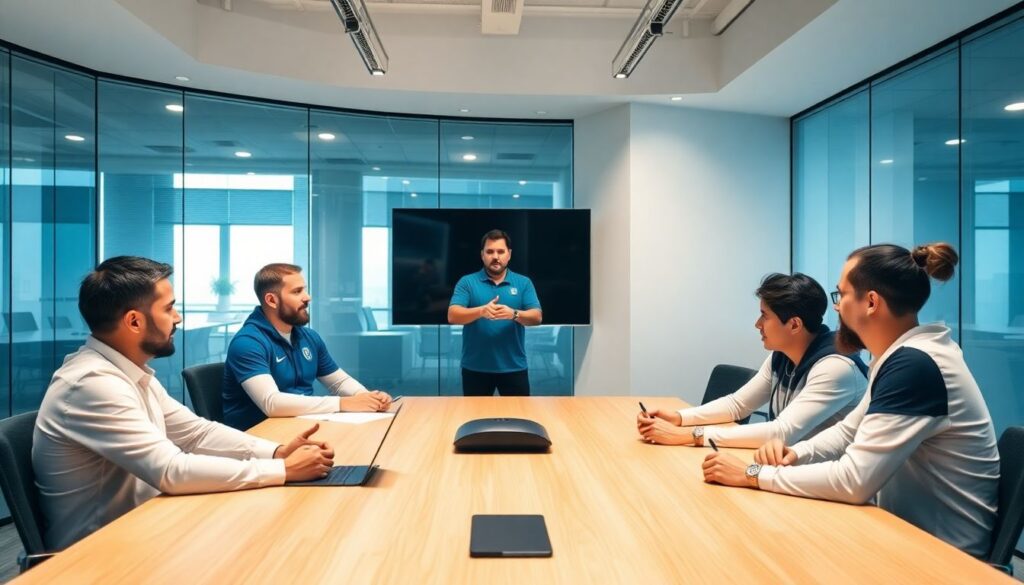
Define roles clearly from day one and hold weekly coordination meetings. Use them to agree on terminology, training content and feedback style so players do not receive mixed or contradictory messages.
Can copying the style of the best European football coaches in Turkish Super Lig be a shortcut to success?
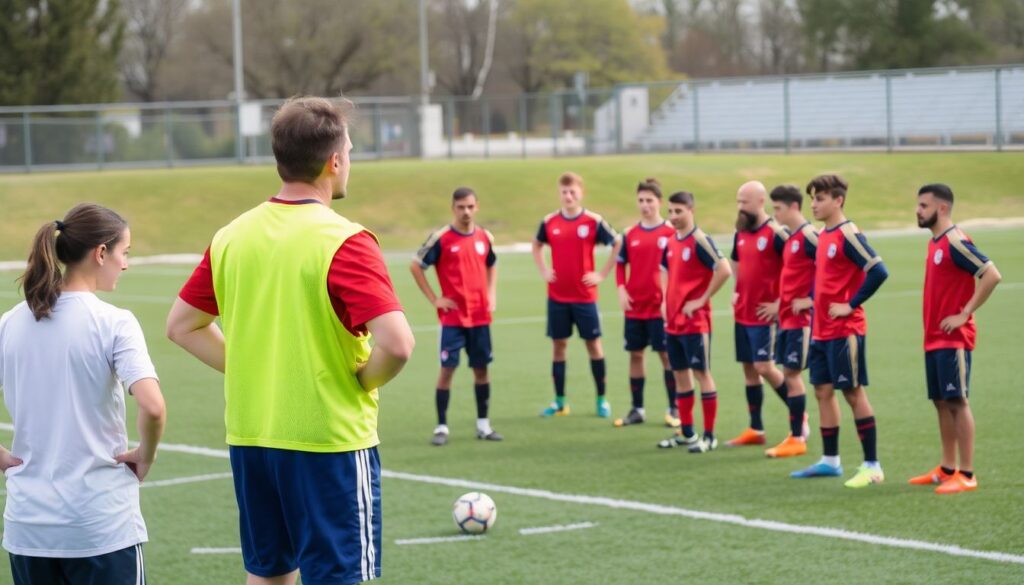
Imitating details like gestures or media style usually fails. Extract underlying principles-clarity, consistency, training intensity-and apply them in a way that fits your squad’s level, club history and local expectations.