Sports science in modern Turkish football training means using data, physiology, and technology to plan safer, more effective work, not replacing coaches with computers. It offers clear, incremental steps-better load control, recovery, and individualisation-while recognising limits: budgets, staff education, and the fact that numbers never fully capture a player’s mindset or game context.
Immediate Insights and Common Misconceptions
- Sports science does not turn training into robotics; it helps Turkish coaches justify and fine‑tune their own decisions.
- GPS and heart‑rate systems reduce injury risk only when someone interprets the data and adjusts weekly workloads.
- Short “copy‑paste” drills from Europe rarely work; safe progress comes from adapting loads to local league rhythm and travel.
- Even at modest budgets, simple tools (session RPE, wellness questions, basic jump tests) can give valuable insights.
- Sports science degree programs in Turkey provide staff, but daily communication with coaches is what turns theory into performance.
- Labs, tests, and gadgets have limits; they complement, not replace, the coach’s eye and the player’s own feedback.
Debunking Myths: What Sports Science Is and Isn’t in Turkish Football
In Turkish football, sports science is the structured use of evidence, measurement, and physiology to guide training, recovery, and return‑to‑play. It connects match demands to training loads so that players are fit, fresh, and available across a long Süper Lig and European calendar.
It is not just buying GPS vests or sending players once a year to sports performance labs for football players in Turkey. Without a clear plan and daily communication, data stay in spreadsheets, and players continue to get overloaded in double sessions and congested weeks.
Sports science also does not mean copying elite European microcycles blindly. Turkish league tempo, pitch quality, heat and humidity in some stadiums, and travel patterns for Anatolian clubs are unique. Safe steps involve adapting principles-progressive overload, recovery windows, monitoring-into this specific competitive context.
Finally, sports science is not a threat to traditional coaching. Turkey professional football fitness coaches who work best are those who blend practical experience with evidence: they use numbers to confirm or question their intuition, not to fight with the head coach in front of players.
Historical Shift: How Turkish Clubs Adopted Evidence-Based Training
- Initial exposure via foreign staff and camps. Many turkish football training camps sports science initiatives began when foreign fitness coaches arrived or Turkish teams visited European pre‑season bases and saw GPS and wellness monitoring in action.
- Integration into academy systems. Best football academies in Turkey with sports science support started adding strength rooms, basic testing batteries, and closer coordination between academy directors and conditioning staff.
- Formal education pipeline. As sports science degree programs in Turkey expanded, clubs had more candidates for roles in performance analysis, strength and conditioning, and rehabilitation, slowly professionalising staff structures.
- Match data influencing training. Tracking high‑intensity runs, accelerations, and decelerations from league matches pushed clubs to mirror these demands in weekly drills and small‑sided games.
- Return‑to‑play protocols. Medical teams and sports scientists collaborated to move away from “time‑based” returns (e.g., back in three weeks) toward “criteria‑based” returns using strength symmetry, running volumes, and change‑of‑direction tests.
- Gradual shift in coach mindset. As coaches saw fewer soft‑tissue injuries after planned deload weeks and better late‑season performance, resistance dropped and evidence‑based planning gained trust.
Practical Pillars: Physiology, Biomechanics and Nutrition Applied
Across Turkish professional and academy environments, three pillars dominate day‑to‑day application: physiology, biomechanics, and nutrition. Below are typical, safe use‑cases rather than theory.
-
Physiology: Controlling weekly load to reduce soft‑tissue injuries.
- Use a simple rating of perceived exertion (RPE) from players after each session and multiply by duration to track “internal load”.
- Avoid sudden spikes: do not increase total weekly load by large jumps; spread extra conditioning across sessions.
- In heat or heavy humidity (common in some Turkish cities), lower volume slightly but keep intensity for key drills.
-
Physiology: Conditioning targeted to playing position.
- Wide players and box‑to‑box midfielders perform more repeated high‑speed runs; add position‑specific intervals into football‑based drills.
- Centre‑backs focus more on short accelerations, jumps, and body contact; integrate these into set‑piece and defensive drills instead of extra generic running.
-
Biomechanics: Strength and movement quality in limited time.
- Twice‑weekly short gym sessions (20-30 minutes) emphasising major lower‑body lifts, core stability, and landing mechanics can be safely added around field work.
- Coaches watch technique for knee alignment, trunk stability, and control during change‑of‑direction drills on the pitch, adjusting difficulty to the weakest movers.
-
Biomechanics: Individual risk factors.
- Screen simple patterns: single‑leg squat, hop‑and‑land, and basic sprint mechanics out of blocks.
- Instead of long corrective programs, add 5-10 minutes of tailored pre‑activation (e.g., hip stability, hamstring strength) before team warm‑ups.
-
Nutrition: Game‑day and recovery routines.
- Pre‑match meals focus on easy‑to‑digest carbohydrates, familiar Turkish foods (e.g., rice, pasta, light grilled protein) rather than experimental diets.
- Post‑match, clubs ensure quick access to fluids, electrolytes, and a snack combining protein and carbohydrates within a short window after the final whistle.
- On away trips, staff coordinate with hotels so that players avoid heavy, spicy, or unfamiliar dishes before late kick‑offs.
-
Nutrition: Longer‑term body‑composition management.
- Regular, respectful monitoring (e.g., skinfolds or body‑composition assessments) is used to guide individual advice, not to shame players.
- Younger academy players learn basic principles about breakfast, hydration, and snacks, building habits that support long careers.
Technology in Practice: GPS, Wearables and Match-Performance Data
Technology offers strong benefits in Turkish football environments, but every tool has limits. Safe use means understanding both.
Advantages of Applying Technology in Turkish Football
- Objective match demands. GPS and tracking provide accurate high‑speed distance, sprint counts, and acceleration metrics from actual Süper Lig and 1. Lig games, giving a clear target for training design.
- Better distribution of load across the week. Coaches can build microcycles where medium and high‑intensity days are planned around match day, rather than guessed.
- Individualised conditioning. After comparing match data, staff can see which players consistently drop intensity in the last 15 minutes and target them with specific conditioning blocks.
- Injury‑risk flags. Sudden spikes in high‑speed running or total distance for one player can trigger a conversation: adjust their next session, increase recovery, or check for early soreness.
- Clear communication with players. Visuals from GPS and match‑analysis platforms help players understand why a session is lighter or heavier and why some drills are shortened.
Limitations and Safe Boundaries of Tech Use
- Data without context misleads. A winger’s low sprint distance might reflect tactical instructions (staying deeper), not poor fitness; coaching context must guide interpretation.
- Wearables do not capture mental fatigue. Travel, media pressure, and contract stress influence performance but are invisible to GPS and heart‑rate monitors.
- Hardware and software costs. Many clubs outside the top tier cannot run full analytics teams; they should prioritise a few key metrics instead of chasing every advanced statistic.
- Measurement error. Different systems, stadiums, and weather can slightly change values; decisions should rely on trends over time, not single sessions.
- Over‑monitoring can harm trust. Players who feel constantly tracked may resist; explaining purpose and sharing feedback keeps them engaged.
- Limited staff capacity. At smaller clubs, one practitioner often covers fitness, rehab, and analysis; tools must be simple, quick, and aligned with daily routines.
Coaching Workflow: Building Periodized Plans with Sports-Science Input
Periodisation is the structured planning of training across weeks and months to peak at the right times. In Turkey’s dense competition calendars, safe, realistic planning is more valuable than complex imported models. Below are common errors and myths, with safer alternatives.
-
Myth: “Every week must look the same.”
Reality: Cup games, European fixtures, and travel constantly change recovery time. Safe periodisation flexes session length and intensity while preserving key principles: at least one high‑intensity day and sufficient low‑intensity and recovery days.
-
Myth: “More running in pre‑season solves everything.”
Reality: Overloading in July and August often leads to early muscle injuries, especially at hot turkish football training camps sports science settings. A safer approach mixes ball‑based conditioning, progressive volumes, and early exposure to high‑speed running in controlled doses.
-
Myth: “Fitness is built only without the ball.”
Reality: Match‑specific fitness is best built through football actions. Pure running has its place, but safely combining small‑sided games, position games, and intervals around tactical tasks is more specific and engaging.
-
Myth: “Sports scientists decide the plan alone.”
Reality: Effective clubs hold short daily meetings where head coach, assistant, fitness coach, and medical staff align. Sports‑science input provides objective data; the head coach makes final decisions, balancing tactical and physical needs.
-
Myth: “Young players can handle unlimited load.”
Reality: Talented academy players who train with the first team accumulate extra stress from travel and emotional pressure. Safe planning coordinates minutes across academy, reserve, and first‑team games.
-
Myth: “Copying big clubs guarantees success.”
Reality: Best football academies in Turkey with sports science support adjust foreign models to their resources. Safe steps: clarify your competitive schedule, available staff, and equipment, then build a simple weekly template before adding complexity.
Barriers and Remedies: Cultural, Financial and Institutional Constraints
Even with good intentions, Turkish clubs face practical barriers when integrating sports science. Addressing these early helps avoid frustration and wasted budgets.
- Cultural attitudes. Some older‑generation staff may see monitoring and testing as “distrust” rather than support. Regular informal conversations and showing small, concrete wins (e.g., a player returning faster from minor strain) help shift perceptions.
- Financial limits. Not every club can afford full‑time sports scientists or advanced sports performance labs for football players in Turkey. Safer strategy: invest first in education for existing Turkey professional football fitness coaches and inexpensive tracking like RPE logs and simple jump tests.
- Institutional gaps. Without clear role definitions, sports‑science staff may overlap with medical or analysis departments. Clubs benefit from short role descriptions and weekly coordination meetings that keep responsibilities clear.
Consider this short, realistic mini‑scenario from a mid‑table first‑division club integrating sports‑science support step by step:
Season 0:
  - One fitness coach handles everything; no structured monitoring.
  - Frequent late‑season muscle injuries.

Season 1:
  - Club partners with a local university running sports science degree programs in Turkey.
  - A graduate intern starts simple tasks: RPE collection, session duration logging, basic jump tests twice a month.
  - Weekly 15‑minute staff meeting reviews trends; coach adjusts one high‑intensity session based on accumulated load.

Season 2:
  - Based on reduced soft‑tissue injuries and more consistent performances, management approves purchasing a small GPS system for 16-18 players.
  - Intern becomes part‑time staff; academy sessions adopt the same monitoring habits.
  - Within existing budget, no fancy software is added; focus stays on a few key indicators and clear communication with coaches and players.
This type of progressive, low‑risk implementation respects budget limits while building a culture where sports science is a normal, valued part of Turkish football training rather than an expensive extra.
Coaches’ Practical Questions and Short Answers
How can a small Turkish club start using sports science safely with almost no budget?
Begin with internal load monitoring: collect players’ RPE after each session and track minutes trained and played. Add a simple wellness question in the warm‑up (sleep, soreness, stress). Use trends, not single values, to decide when to shorten or adjust sessions.
Do I really need GPS to run an evidence-based program?
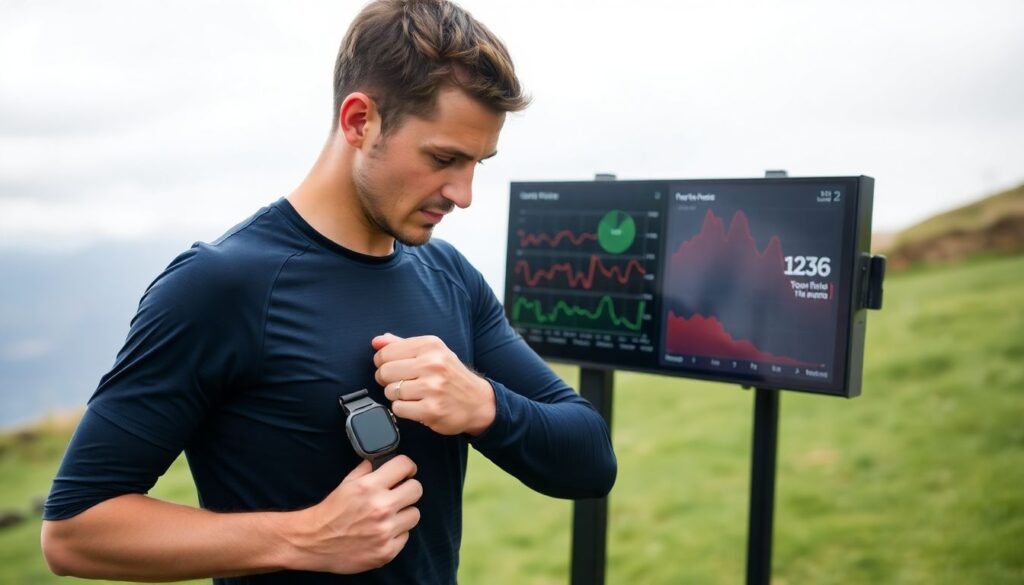
No. GPS is helpful but not essential. You can design effective, safe training by combining RPE, heart‑rate when available, basic fitness tests, and clear weekly planning. If you do buy GPS, focus on learning a few key metrics rather than everything at once.
How often should I test my players in a Turkish league season?
Use one small test battery in pre‑season and one mid‑season, plus short, low‑fatigue tests (e.g., jumps, repeated sprints) every four to six weeks. Testing should fit around matches and never compromise freshness for important games.
What is a safe way to integrate extra running for less-fit players?
Attach short, position‑specific intervals to the end of existing drills two to three times per week, rather than adding separate long running sessions. Monitor their RPE and check muscle soreness the next day, reducing volume if needed.
How can academies use sports science without over-complicating training for young players?
Focus on basic movement skills, gradual load progressions, and simple education about sleep and nutrition. Use tests mainly to track development over seasons, not to label children. Keep all feedback positive and developmental.
Are lab tests necessary if we already track match and training data?
Lab tests can add precise information, especially for rehabilitation, but they are not mandatory for every club. If access is limited, prioritise field‑based tests that mimic football demands and repeat them consistently under similar conditions.
How do I convince a head coach who is skeptical about sports science?
Start with one or two small projects that solve their current problems-for example, reducing muscle injuries or improving late‑game intensity. Present changes in simple language and use visuals. Once the coach sees practical benefits, they are more likely to expand sports‑science use.