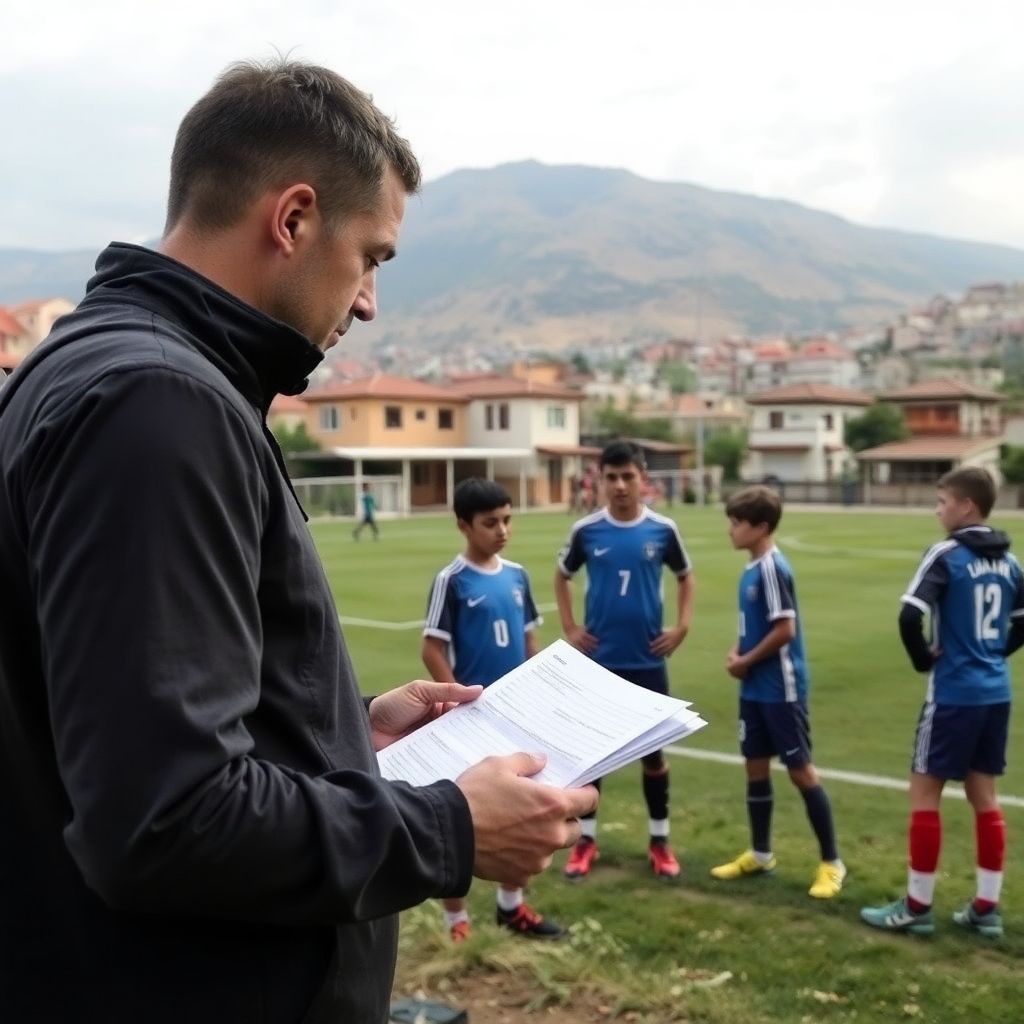
Scouting in Anatolia for small clubs means systematically mapping local competitions, schools, and communities, then using clear evaluation criteria and safe, low-cost travel routines to spot and track promising players. Focus on structured notes, relationships with coaches and parents, and compliant pathways into professional football trials Turkey-wide, instead of relying on random tips or expensive agencies.
Essential Scouting Principles for Anatolian Talent Hunters
- Define a clear geographic focus and competition tiers you monitor every season.
- Use simple, repeatable evaluation forms that combine technical, tactical, and mentality criteria.
- Build trust with schools, amateur clubs, and families before talking about moves or contracts.
- Prioritise low-cost, high-density events instead of random long trips across Turkey.
- Keep written trails for permissions, medical checks, and eligibility to reduce legal and safety risks.
- Plan development and education together; never push a move that harms the player’s schooling.
Mapping Anatolia’s Talent Landscape: Demographics, Competitions, and Hidden Pools
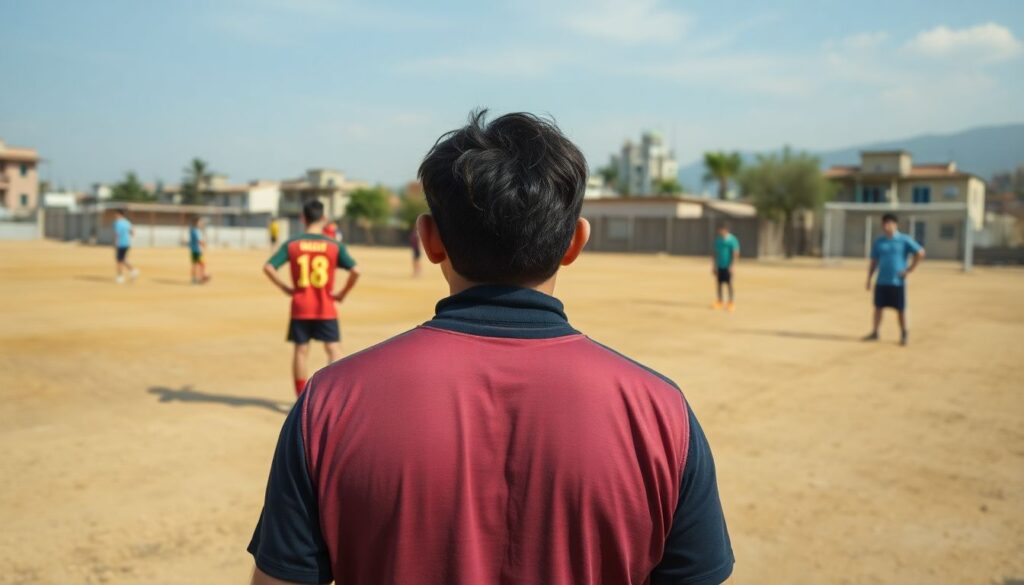
This approach suits small Anatolian clubs that have limited budgets but strong local roots. It works best when you can commit to consistent watching of youth leagues, school tournaments, and informal competitions instead of chasing every rumour across the country.
It is not ideal if your club leadership expects instant results, has no patience for multi-season tracking, or refuses to invest even minimal resources in travel, basic equipment, and staff education. In that case, depending entirely on Turkish football talent scouting agencies may seem easier, but you lose local knowledge and long-term value.
To position your club within the wider ecosystem of football scouting Turkey, start by mapping:
- Demographics: Age groups in your town and surrounding districts, migrant communities, university populations, and military bases that may influence player availability.
- Formal competitions: Regional amateur leagues, school leagues, university leagues, youth tournaments organised by the TFF or municipalities.
- Informal and hidden pools: Ramadan tournaments, village festivals, factory team games, futsal and cage pitches, and weekend “mahalle” games where unregistered players often appear.
Complement this map with knowledge of existing youth football academies in Turkey that regularly visit your region. When elite academies ignore certain districts because they are “far” or “difficult”, that gap is a key opportunity for your small club.
Building a Local Intelligence Network: Schools, Amateur Clubs and Community Scouts
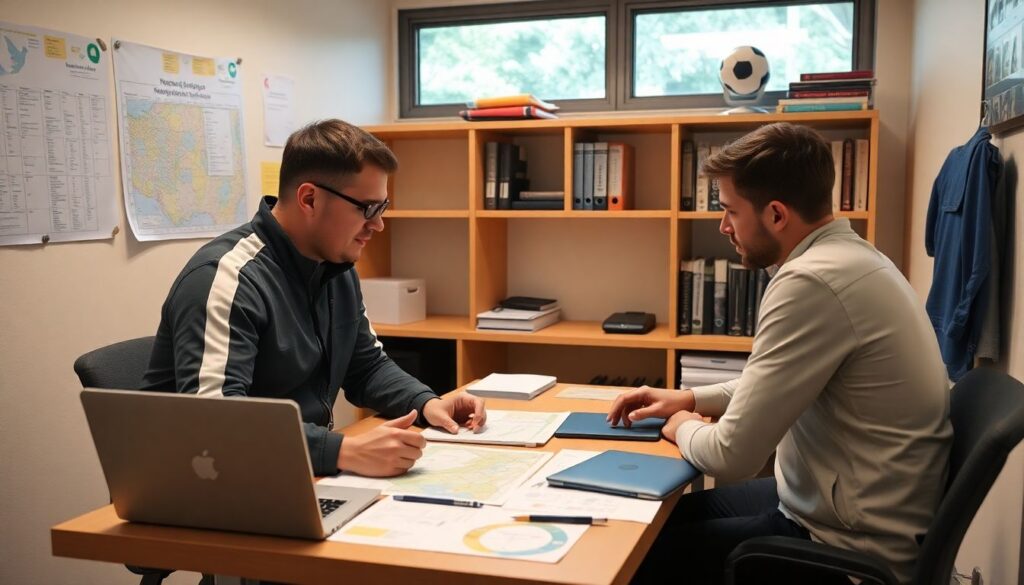
Before expanding your reach, prepare basic tools and structures so information flows safely and efficiently:
- Minimal staffing:
- 1 coordinator (often the academy head coach) who manages the scouting calendar.
- 2-4 trusted football scouts for young players Turkey-based in your region (coaches, PE teachers, ex-players).
- Documentation tools:
- Standardised player report template (paper or spreadsheet) with fields for identity, contact, technical/tactical/psychological notes, and injury history.
- Shared digital folder (cloud drive or simple club computer) where all reports are stored and dated.
- Communication channels:
- Official club email and WhatsApp groups for scouts and coaches.
- Clear rules: no private promises to players; all offers go through the club and parents.
- External relationships:
- Written permissions or cooperation letters with key schools and amateur clubs.
- Contact list of PE teachers, school principals, amateur coaches, and local community leaders.
- Compliance and safety basics:
- Club policy on child safeguarding (never meet a minor alone, always communicate via parents or guardians).
- Basic understanding of TFF eligibility and transfer rules for minors.
With these foundations, you can selectively collaborate with Turkish football talent scouting agencies instead of competing blindly with them; for example, sharing data for older age groups while keeping early discovery in-house.
Low-Budget Scouting Methods: Prioritization, Scheduling and Travel Efficiency
Before the concrete steps, keep these risk and limitation points in mind:
- Do not send scouts alone at night to unfamiliar areas without local contacts.
- Avoid any travel that strains the club budget to the point of cutting basic player welfare costs.
- Always inform club management about trips, locations, and schedules.
- Never scout children in closed environments (e.g., dormitories) without official permissions.
- Stop a trip if weather or transport conditions become unsafe.
- Define priority age groups and positions
Decide which age ranges and positions your club really needs in the next two seasons. This keeps your football scouting Turkey efforts targeted, not random. Avoid chasing every good player; focus on where your squad has structural gaps. - Segment your region into practical scouting zones
Divide your area into zones that can be covered in a single day trip (for example, by district or bus route). Assign each scout 1-2 zones and a fixed set of leagues or tournaments they must follow each month. - Build a seasonal event calendar
List all recurring competitions and events in each zone.- School tournaments and exam periods (to avoid clashes with studies).
- Municipality cups, Ramadan tournaments, village festivals.
- Windows for professional football trials Turkey clubs hold, which may attract talent into your region.
Schedule visits around high-density days (multiple matches or events in one location).
- Use low-cost transport and shared trips
Organise car-sharing among staff, or use intercity buses and minibuses when safe and efficient.- Combine match observation with other club tasks (e.g., away games for your teams).
- Prepare alternative routes and return options to avoid being stranded late.
- Standardise match observation routines
Each scout should arrive early, note team sheets if available, and pre-identify 3-5 players per half to follow closely. Take simple coded notes (e.g., T=technique, P=positioning, M=mentality) to reduce writing time during the game. - Capture basic video when allowed and safe
Use a simple smartphone or tablet from a fixed angle, if competition rules permit.- Inform coaches and organisers that you are filming for scouting, not for social media.
- Store videos in a club-owned folder; never share publicly without written consent.
- Hold quick debriefs and update the central database
After each trip, scouts spend a short time writing structured reports, tagging players as “monitor”, “trial candidate”, or “not suitable now”. This creates a living list of prospects and prevents reliance on memory alone. - Plan follow-up viewings before inviting to trials
For any promising player, schedule at least one more viewing on a different day, possibly with another scout or coach. This reduces the risk of judging based on a single “highlight” performance or emotional impressions.
Evaluation Frameworks: Combining Technical, Tactical and Psychological Metrics
Use this checklist to verify that your evaluation framework is robust and balanced:
- You assess players in at least three categories: technical skills, tactical understanding, and physical/psychological traits.
- Your report form uses objective descriptions (e.g., “receives under pressure with first touch away from defender”) instead of vague labels like “talented”.
- Scouts are trained to consider game context: opposition level, pitch quality, weather, and player fatigue.
- Every evaluation records the player’s age, position, preferred foot, and current club or school.
- You explicitly check game intelligence: decision-making speed, off-the-ball movement, and adaptation to coach instructions.
- You note behavioural indicators: respect for referees, response to mistakes, interaction with teammates, and resilience under pressure.
- Reports differentiate between current performance and future potential, especially for late-maturing players.
- At least two different staff members review top prospects before any offer or formal approach.
- Data from youth football academies in Turkey and other reference points (e.g., TFF guidelines) are used to benchmark age-appropriate standards.
- You periodically review old reports to see if your ratings predicted actual development, and adjust criteria accordingly.
From Discovery to Development: Trials, Coaching Plans and Contract Strategies
Avoid these frequent mistakes when converting discoveries into real development paths:
- Inviting too many players to trials at once, making it impossible to assess them properly or give fair playing time.
- Running trials without emergency medical cover, basic insurance, or clear procedures for injuries.
- Offering verbal promises about professional contracts or salaries before written approval from the club board.
- Ignoring school schedules and exams when planning trial dates, creating tension with parents and teachers.
- Failing to provide feedback to players and families after trials, damaging your club’s reputation.
- Signing young players without clear development plans (position, training focus, education support, and progression targets).
- Copying training models from big youth football academies in Turkey without adjusting for your facilities, staff numbers, and pitch conditions.
- Misunderstanding or neglecting TFF rules regarding amateur contracts, training compensation, and cross-border moves.
- Letting agents control communication with families, instead of keeping the club-family relationship direct and transparent.
- Not documenting informal relationships with trusted Turkish football talent scouting agencies, creating room for conflict or misunderstandings.
Mitigating Risks: Medical Checks, Eligibility, Transfers and Reputation Management
When standard scouting and trial pathways are difficult or risky, consider these alternative approaches and when they are appropriate:
- Partnerships with local schools and universities
Use regular joint training sessions and friendly games instead of high-pressure open trials. Suitable when you lack medical infrastructure but can rely on school facilities and staff for basic safety. - Collaborations with established youth academies and regional hubs
Send your most promising players on short-term training camps or joint sessions with better-equipped academies. Appropriate when your club has limited resources but wants to expose players to higher levels without risky long-term transfers. - Shared scouting pools with neighbouring small clubs
Create a network where clubs share information, split travel costs, and organise combined showcases. Useful when no single club can afford consistent coverage but together you can still compete with bigger institutions and agencies. - Selective use of reputable intermediaries
Work only with licensed intermediaries or well-known football scouts for young players Turkey-wide, under written agreements and clear fee structures. This is relevant when exploring moves outside your region or country, where your club has limited direct contacts.
Targeted Solutions to Persistent Scouting Problems
How can a small Anatolian club compete with big-city academies?
Focus on ultra-local knowledge and long-term relationships. Track players earlier, especially in village and school competitions, and create a reputation for honest communication with families; this makes your club a trusted first step before bigger moves.
When should we involve Turkish football talent scouting agencies?
Consider involving agencies only after you have identified a player with clear above-regional potential and need support to access higher leagues or foreign markets. Always use written agreements and keep your club’s and player’s interests protected.
How many times should we watch a player before inviting them to trials?
Ideally, see the player in at least two different matches, with different conditions, and if possible with more than one scout. The goal is to reduce the chance that one exceptional or very poor performance distorts your judgement.
What is the safest way to organise professional football trials Turkey-wide for our prospects?

Coordinate with the hosting club in writing, confirm medical support and insurance status, arrange group travel with responsible adults, and ensure parents understand the schedule and conditions. Avoid last-minute, unverified trial invitations circulated only via social media.
How do we handle players who are talented but physically late-developing?
Use evaluation criteria that separate current performance from future potential, and keep such players in technically focused environments. Offer longer observation windows and adjust expectations instead of discarding them because of temporary physical disadvantages.
What if parents push for quick transfers to big youth football academies in Turkey?
Explain the development plan you can offer, the risks of early moves, and the importance of education and playing time. Provide factual information, not fear, and if a move is truly in the player’s interest, help manage it safely and transparently.
How can we minimise legal and eligibility problems when signing young players?
Always verify age and identity documents, check current registration with the TFF, and use standard contracts approved by your regional association. Keep written consent from parents or guardians and consult a legal advisor for any unusual situation.