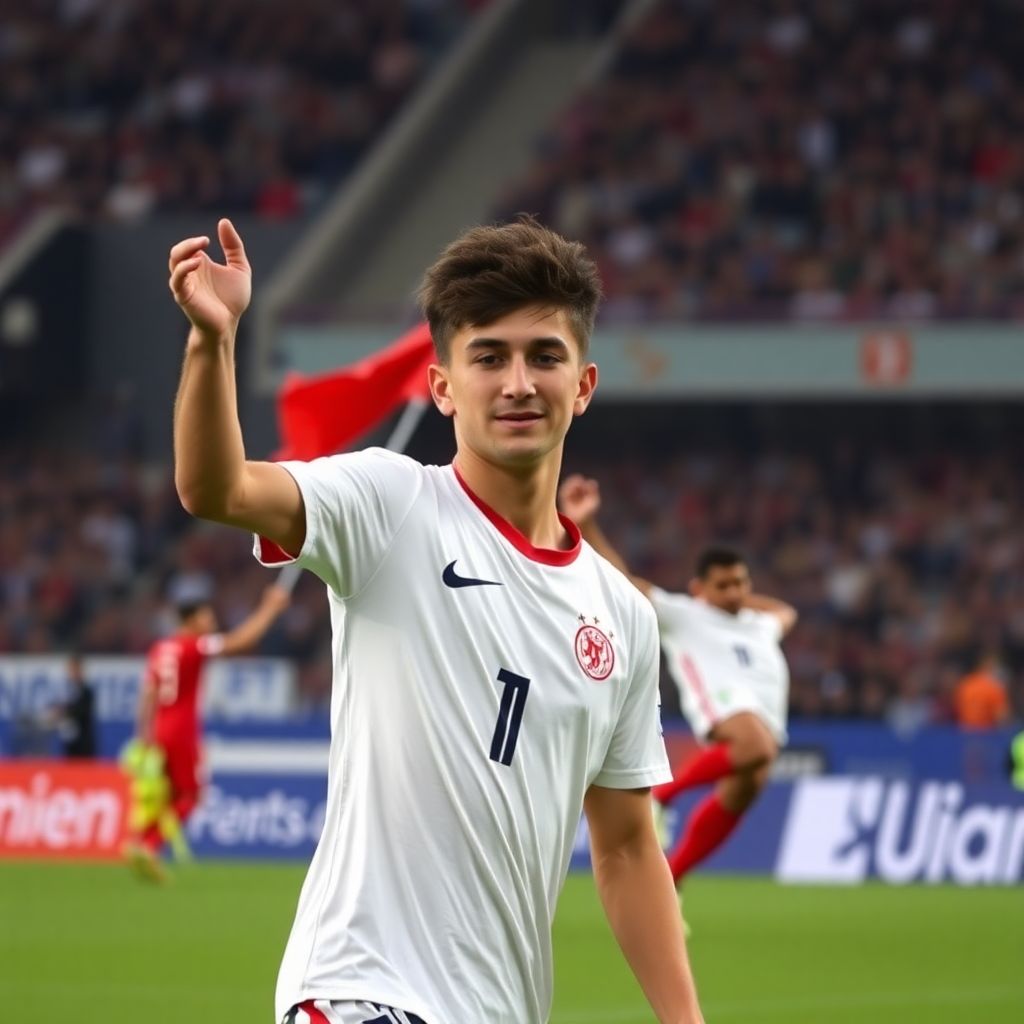
From Turkish street cages to Süper Lig stadiums, the journey of turkish wonderkids football talents follows a recognisable pattern: unstructured play, local club selection, academy formation, national youth teams, then professional contracts and transfers abroad. Understanding this pipeline helps players, parents, and coaches make better decisions, especially around training focus, trials, and psychological readiness.
Quick Overview: From Backyard Games to Professional Ranks
- Street and school football build creativity, ball mastery, and competitive instinct long before formal coaching starts.
- Local clubs and district tournaments act as the first filter where coaches begin scouting turkish youth football players.
- Youth academies at Süper Lig and 1. Lig clubs provide structure: periodized training, tactics, performance tracking, and education support.
- Only a small minority turn into the best young turkish football players 2024 fans read about; most follow semi-pro or amateur paths.
- Successful prospects combine technique, game intelligence, and resilience with smart choices about clubs, agents, and education.
- Parents and coaches who understand club expectations and academy standards navigate turkey football academy trials for youth much more effectively.
Grassroots Ecosystem: Street Football’s Role in Talent Formation
In Turkey, the base of the pyramid is informal: asphalt pitches, school yards, and mini-cages between apartment blocks. Here, future Süper Lig players confront tight spaces, uneven surfaces, and mixed-age opponents. This environment forces quick decisions, strong first touches, and improvisation under pressure.
Compared with more structured Western European systems, Turkish youngsters often spend more hours in free play before entering an academy. That delay can hurt physical preparation, but it usually boosts flair and confidence on the ball. Many coaches actively look for this street DNA when evaluating turkish wonderkids football talents.
Local tournaments, neighborhood rivalries, and futsal leagues link street games to organised football. Coaches from amateur clubs observe these games, invite standout kids to training, and explain the basic pathway toward professional football. This is the moment when talent moves from “everyone’s favourite kid in the mahalle” into an actual development system.
Scouting and Recruitment: How Clubs Spot Wonderkids in Urban Areas
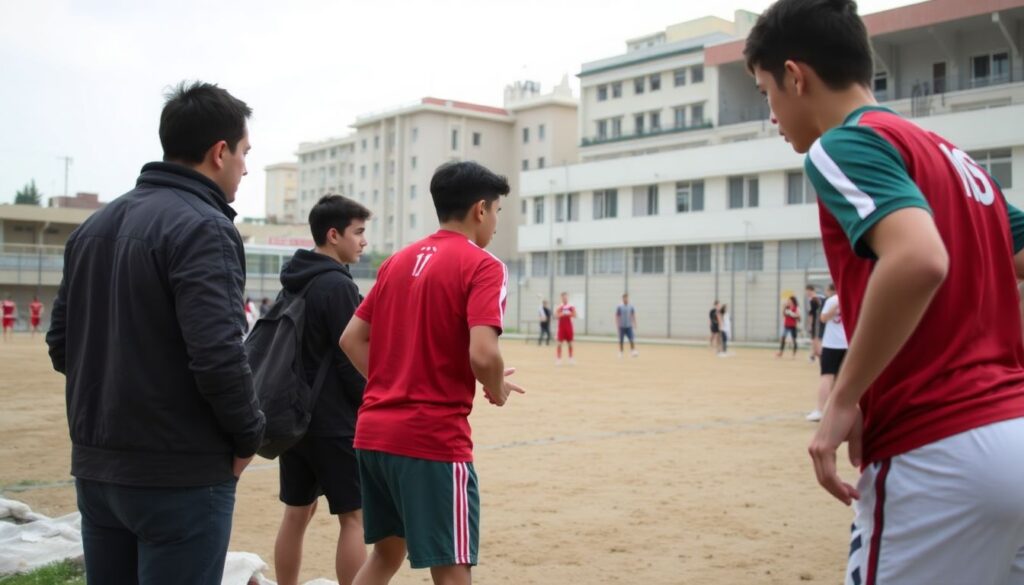
Clubs and agents use several overlapping mechanisms for scouting turkish youth football players, especially in dense cities like Istanbul, Ankara, and Izmir:
- School competitions and district tournaments: Physical education teachers and local federation officials tip off club scouts about dominant players in their age groups.
- Amateur club networks: Süper Lig academies maintain relationships with amateur sides, regularly sending coaches to watch weekend matches and training sessions.
- Open and invitation-only trials: Periodic turkey football academy trials for youth allow clubs to screen large numbers of players quickly, then call back a small group for extended assessment.
- Data and video platforms: Larger clubs request match videos from partner clubs and use simple performance metrics (involvements, sprints, duels) to shortlist names.
- Community and agent tips: Local coaches, futsal trainers, and small agencies flag promising kids early, especially in under-scouted districts and migrant-heavy neighborhoods.
- Cross-club tournaments: Pre-season youth tournaments bring multiple academies together; standout players are closely compared and sometimes quietly approached for future moves.
Structured Development: Youth Academies, Coaching, and Progression Paths
Once a player joins a professional club’s youth setup, the process becomes more predictable. While details differ between clubs, most Turkish academies follow similar development scenarios.
- U10-U12: Orientation and fundamentals
Players adapt from street-style chaos to position-based training. Coaches focus on ball mastery, coordination, and game understanding rather than early specialization or results. - U13-U15: Tactical roles and physical habits
Systems (4-3-3, 4-2-3-1) are introduced; players learn basic principles of pressing, compactness, and transition. Strength, mobility, and nutrition habits are established. - U16-U17: Performance and professional mindset
Training intensity increases. Video analysis, GPS data, and individual plans enter the routine. For top prospects, this is when the club begins serious planning for a professional contract. - U18-U19: Reserve team and cup exposure
Talents train occasionally with the first team, play in reserve or U19 leagues, and may debut in domestic cup matches or friendlies. The gap between youth and senior football becomes very visible. - Loan spells and lower divisions:
Many potential Süper Lig names first adapt to senior football at 2. Lig or 3. Lig sides before returning to fight for a squad spot. - Breakthrough and consolidation:
Consistent minutes over one or two seasons turn a young player from “prospect” into a reliable professional and sometimes into part of turkish super lig young talents transfer news.
Skill Set Analysis: Technical and Tactical Traits of Turkish Prospects
Turkish academies tend to produce a recognisable profile of player, with strengths rooted in creativity and ball control, and weaker points often connected to off-ball and physical aspects.
Core Advantages Observed in Emerging Players
- High comfort in 1v1 attacking situations, especially on the wings and in half-spaces.
- Strong first touch and close control developed on small, crowded street pitches and cages.
- Confidence to attempt risky passes or dribbles rather than always choosing the safe option.
- Natural competitiveness and emotional intensity, especially in derby and knockout matches.
- Ability to adapt quickly to different surfaces and chaotic game situations.
Typical Limitations and Development Gaps
- Inconsistent pressing discipline and occasional loss of team compactness when chasing the ball.
- Suboptimal off-ball movement, particularly third-man runs and timing in the penalty area.
- Physical preparation that lags behind peers from top Western academies, especially strength and repeat sprint ability.
- Limited exposure to advanced video analysis and individual tactical coaching at smaller clubs.
- Over-reliance on individual talent instead of developing structured combinations and automatisms.
Barriers to Breakthrough: Physical, Social, and Institutional Challenges
Many promising youngsters never reach the level of the best young turkish football players 2024 articles highlight. Patterns in these failures repeat.
- Over-focusing on early fame: Chasing short-term social media attention or local hero status instead of long-term development and consistency.
- Ignoring education: Dropping school too early limits language skills, tactical learning, and life options if a contract never comes.
- Poor load management: Playing for school, club, and extra training without rest, leading to burnout or preventable injuries.
- Family and financial pressure: Expectation to “save the family” with football money creates anxiety, rushed transfers, and bad agent choices.
- Late or wrong position specialization: Constantly changing roles (winger one year, full-back the next) without a clear plan confuses development.
- Institutional inconsistency: Frequent coach changes, unstable club management, or unpaid wages damage confidence and focus.
Success Narratives: Representative Journeys into the Süper Lig
Case studies help translate abstract pathways into concrete stories that resemble real turkish wonderkids football talents, while staying illustrative rather than tied to specific individuals.
Case Study 1: From Kadıköy Cage to First-Team Debut
Ayhan, attacking midfielder, Istanbul
Ayhan grew up playing daily cage football in Kadıköy, facing older players and tight spaces. At 11, he joined a local amateur club spotted at a school tournament. Two years later, a major Istanbul side recruited him after multiple turkey football academy trials for youth.
By 17, Ayhan was training regularly with the first team, known for his through balls and composure between the lines. Loaned to a 1. Lig club at 18, he returned at 19 and made his Süper Lig debut, soon appearing in turkish super lig young talents transfer news linking him to mid-table European teams.
Case Study 2: Anatolian Defender with a Structured Climb
Emre, centre-back, Central Anatolia
Emre’s town had no large club. He played in school tournaments and futsal leagues before a regional scout invited him to an academy in a nearby city. Unlike Ayhan, his progress was slower but very structured and steady.
Emre strengthened his body, improved long passing, and captained his U19 side. Instead of jumping directly to a big club, he signed with a mid-table Süper Lig team known for developing defenders. Within two seasons, he became a starter, illustrating that patient, step-by-step growth can be as effective as early big-club exposure.
Compact Self-Check Algorithm for Players and Parents
Use this short “algorithm” every three to six months to evaluate whether the journey is on track:
- Define target: Write down one clear, realistic goal (for example, moving from amateur to academy level, or from bench to starter).
- Measure actions: List weekly training hours, match minutes, extra technical work, and recovery habits. Compare them to the demands of the desired level.
- Assess feedback: Collect concrete input from at least two coaches (club and school) on strengths, weaknesses, and role suitability.
- Adjust plan: Change one to three things only: maybe a new individual drill, a nutrition habit, or a position tweak. Avoid changing everything at once.
- Re-test: After eight to twelve weeks, check game clips and match statistics (even basic ones like successful passes or duels) to see if the chosen changes improved performance.
Checklist: Actionable Steps for Players, Parents, and Coaches
- Players: Maintain at least one weekly free-play session (street, futsal, cage) in addition to club training to protect creativity.
- Players: Keep a simple log of minutes played, injuries, and key feedback from coaches to guide your development decisions.
- Parents: Prioritise clubs and academies with stable coaching staffs and clear communication over those promising instant stardom.
- Coaches: Regularly compare your top players with benchmarks from other academies to keep standards realistic and transparent.
- All: Revisit the self-check algorithm quarterly to ensure choices about trials, transfers, and training are based on evidence, not emotion.
Common Concerns and Practical Answers for Aspiring Players
At what age should a child move from street football to an academy?
Many Turkish players join organised clubs between 9 and 12, but there is no magic age. The key is whether the child enjoys football, shows basic coordination, and can handle structured sessions. If those conditions exist, experimenting with one or two local club trainings makes sense.
How important are official turkey football academy trials for youth?
Trials are one entry point but not the only one. Consistent performance for a local club in league matches often impresses scouts more than one nervous trial day. Use trials mainly as extra opportunities, not as the only path to a professional future.
Do smaller-city players have fewer chances than big-city kids?

Big cities offer more scouts and clubs, but smaller regions can provide more playing time and less pressure. Many defenders and goalkeepers come from outside Istanbul or Ankara. The priority is regular competitive matches and at least some visibility through regional tournaments or partnerships.
How can parents support without putting too much pressure?
Set process goals with your child (effort, discipline, rest) instead of outcome goals (contract, transfer). Keep school and social life balanced, attend matches calmly, and discuss performance only after emotions cool down. Your role is stability, not extra coaching from the stands.
What should a young player focus on to stand out in scouting turkish youth football players?
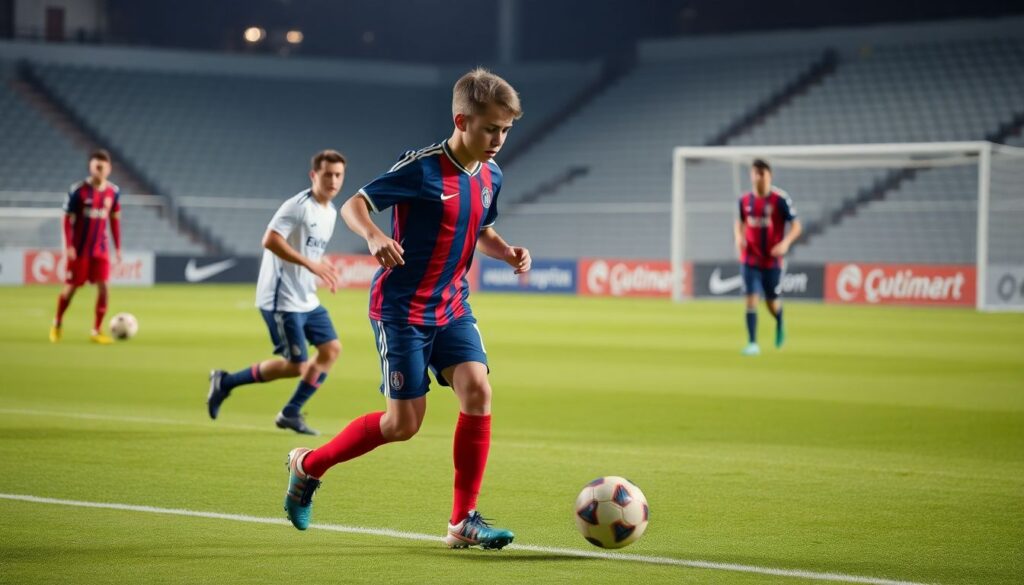
Scouts usually notice first touch, decision-making speed, and attitude when losing the ball. Master one or two standout strengths (for example, long passing, dribbling, pressing intensity) while working silently on weaknesses. Consistency over a season matters more than a single brilliant match.
How realistic is it to become one of the best young turkish football players 2024 level?
Reaching that level is extremely rare and depends on talent, work ethic, health, and luck. However, aiming for professional standards improves your chances of building a solid career in lower divisions or related football roles, even if you never become a headline wonderkid.
When is it time to consider changing clubs or academies?
Consider a move if you receive very little playing time over a full season, if communication with coaches breaks down, or if the club’s environment becomes clearly unstable. Before deciding, discuss your situation openly with current coaches and get an external opinion from a trusted mentor.