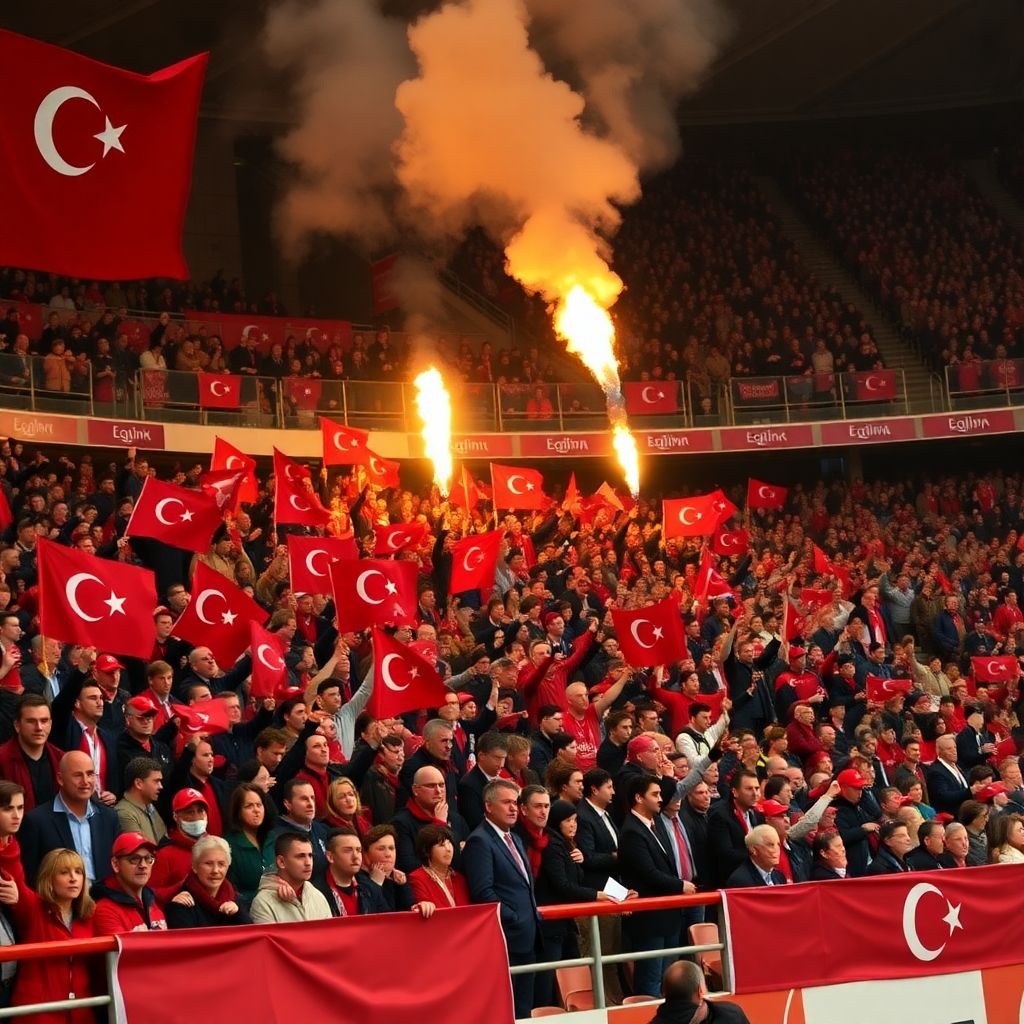
Turkish fan culture and ultras shape how clubs play, earn money, manage politics and project themselves abroad. If you understand their roots, rituals and expectations, then you can design safer stadiums, smarter ticketing, more authentic tours and realistic communication strategies for domestic stakeholders, foreign fans and international partners.
Core dynamics of Turkish supporter influence
- If ultras mobilise in a coordinated way, then they can directly affect club decisions on coaches, transfers and even presidents.
- If the curva leads intense chanting and visual shows, then the home team’s confidence and opponent’s stress both change noticeably.
- If groups frame support around local identity and politics, then stadiums become arenas of social negotiation, not just sport.
- If clubs align merchandise, tickets and tours with supporter culture, then revenues grow more sustainably and with less backlash.
- If diaspora and tourist demand is channelled via authentic experiences, then Turkish football’s global image improves instead of being exoticised.
- If regulations ignore supporter realities, then security measures backfire and deepen club-fan mistrust.
Roots and evolution of ultras in Turkey
If you want to grasp Turkish ultras, then start from neighbourhood and class roots rather than copying Italian or Balkan templates. In Istanbul, groups grew from local youth in districts such as Kadıköy, Beşiktaş or the European side around Ali Sami Yen, combining street networks, school friendships and workplace ties.
If you see ultras only as hooligans, then you miss their role as organisers of colour, chants and choreography. Turkish groups evolved from informal terraces into named factions with clear leadership, internal rules and responsibilities for drums, banners, travel and social media. Many now coordinate tifos, charity campaigns and away convoys.
If you study the history of Galatasaray, Fenerbahçe, Beşiktaş and clubs in İzmir, Ankara or Anatolian cities, then you notice that political shifts, stadium moves and new ticketing systems repeatedly reshaped ultras. Changes like all-seater stadiums, digital passes and modern arenas altered how groups claim space, recruit members and bargain with club boards.
If you are planning content, tours or academic work on Turkey, then treat ultras as long-term social actors with memory. Their narratives about old grounds, legendary derbies and past repression strongly influence how they react to current pricing, police presence and foreign commercial partners.
How matchday atmosphere shapes team performance
If you want to understand on-pitch impact, then look at concrete mechanisms connecting noise, visuals and player psychology rather than vague “passion”.
- If the curva times chants to pressing triggers (for example, after a tackle or turnover), then home players receive instant reinforcement to keep intensity high.
- If ultras sustain a unified song for several minutes, then they can slow the game emotionally, giving their team breathing space during pressure.
- If they unleash flares, huge banners or coordinated scarf shows at kick-off, then they frame the match as an event, raising both motivation and anxiety levels.
- If away supporters are strongly present and noisy, then home ultras often escalate volume and creativity, producing a competitive soundscape that affects referees’ micro-judgements.
- If the crowd turns to whistles and insults against their own squad, then risk-taking drops and players avoid responsibility; coaches feel pressure to make conservative substitutions.
- If foreign visitors join respectfully in basic chants after a turkey football ultras tour istanbul matchday experience, then ultras often respond positively, increasing inclusion and reducing hostility towards tourists.
- If security rules kill spontaneity completely, then atmosphere flattens, which may reduce the home advantage and the perceived uniqueness of Turkish stadiums.
Political, social and identity roles of supporter groups
If you observe Turkish stands, then you will see layers of identity: city pride, neighbourhood belonging, class markers, ethnic narratives and political leanings. Ultras turn these into songs, banners and sometimes explicit slogans; that is why stadiums can become sensitive spaces during national or local crises.
If supporters feel their club symbolises their district or worldview, then they use away trips and choreographies to demonstrate presence and unity. This can mean, for example, representing a working-class area in a wealthy city, or expressing a secular, religious or pluralist stance without formal party labels.
If fan groups engage in charity drives, local aid or disaster relief, then they reinforce their legitimacy beyond football. Turkish ultras have repeatedly organised blood donations, food distributions or campaigns for local schools; these acts increase their leverage when they later negotiate with clubs or municipalities.
If political actors try to instrumentalise ultras, then the relationship becomes transactional: support or silence is exchanged for access, jobs or protection. This can create internal splits in groups between pragmatic leaders and idealistic younger members, with visible consequences in banner content and matchday behaviour.
If you are designing communication or community projects with clubs, then you should map which identities each stand expresses. Tailoring messages to those identities (rather than using generic marketing language) reduces misunderstandings and potential flashpoints around sensitive national or regional events.
Financial ripple effects: tickets, merchandise and sponsorship
If you treat ultras as pure cost or risk, then you underestimate their financial impact on tickets, merchandising and sponsor value. Their songs and tifos are a core part of why many domestic and foreign spectators want to attend matches or book football-related trips to Istanbul and other cities.
If your goal is to sell access to big derbies, then you must understand how fan culture shapes availability and pricing of turkish football tickets galatasaray fenerbahce derby and similar high-demand fixtures. Demand from tourists, diaspora and locals collides with loyalty expectations of hardcore season-ticket holders.
Revenue opportunities driven by supporter culture
- If clubs involve ultras in designing scarves, shirts or limited-edition items, then sales often increase because products feel authentic, not generic.
- If stadium tours include stories, songs and visual material from the curva, then they can charge more and attract people interested in football culture tours turkey ultras fan experience abroad.
- If match packs are created around specific atmospheres (for example, night games, derbies, European ties), then foreign fans are more willing to buy turkish super lig tickets for foreign fans even at higher prices.
- If agencies curate turkey football ultras tour istanbul matchday experience products responsibly, then they can build repeat business with fans who want immersion, not just selfies.
Constraints, risks and ethical boundaries
- If clubs raise prices sharply without consulting or explaining to ultras, then protests, boycotts or silence in the stands can damage both results and brand.
- If sponsors push for sanitised, tourist-friendly atmospheres, then core supporters may feel sold out and turn against both the brand and the club.
- If packages for the best places to watch turkish football live in istanbul ignore local ticket scarcity, then resentment grows towards foreign visitors and tour operators.
- If matchday experiences encourage reckless behaviour (like unsafe pyrotechnics for photos), then legal liability and reputational risk rise for clubs and agencies.
Transnational networks: diaspora support and international image
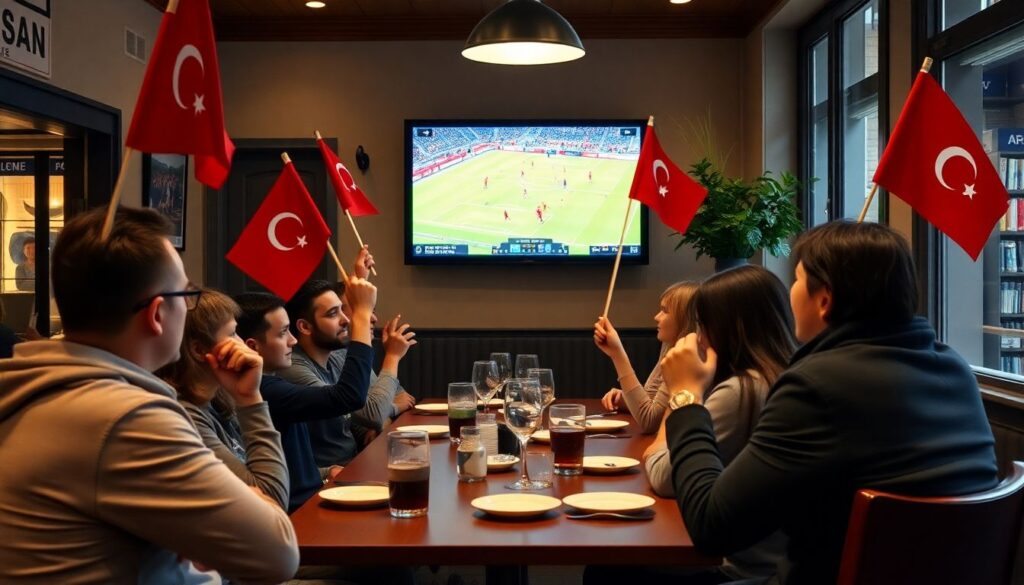
If you look beyond Turkey’s borders, then you will find supporter pockets in Europe, the Middle East and elsewhere, often linked to migration patterns. These diaspora fans consume games on TV, organise local viewing groups and sometimes travel back specifically for big fixtures or fan festivals.
If clubs and tour operators coordinate with these diaspora communities, then they can build bridges between local ultras and visiting groups. This alignment can turn ordinary away games or summer friendlies into mini-festivals of identity, while still respecting the home group’s primacy inside the stadium.
Widespread misunderstandings and how to avoid them
- If you assume ultras are always violent, then you will misdesign security plans, tours and media narratives; most activity is about noise, colour and belonging.
- If you market Turkish football as a dangerous adventure, then you reinforce stereotypes and risk attracting thrill-seekers who disrespect local norms.
- If you think diaspora fans are less “authentic”, then you miss their role in keeping club culture alive abroad and attracting new generations.
- If football culture tours turkey ultras fan experience abroad focus only on selfies with flares, then visitors leave with a shallow view, ignoring history, songs and social context.
- If clubs ignore multilingual communication and simple guidance for visitors, then confusion about gates, tickets and behaviour turns potential ambassadors into frustrated critics.
Regulation, stadium security and club-governance tensions
If authorities tighten security without dialogue, then ultras often interpret this as criminalisation rather than safety. Electronic ticketing, blacklists, away bans or strict pyro rules have repeatedly triggered boycotts and silent stands in Turkish stadiums, with visible impact on atmosphere and TV images.
If club boards rely on police and private security to “solve” fan issues, then they miss an opportunity to co-create codes of conduct with supporters. Recognised dialogue platforms, liaison officers and mixed working groups can turn enemies into partners, especially around derby logistics and away allocations.
If you want a simple mental model for governance, then consider this rule-of-thumb pseudo-code:
if (policy_change affects core rituals like banners, drums or away travel)
    then (consult ultras early, explain legal limits, offer alternatives)
else
    implement with clear, transparent communication to all fans.
If reforms are introduced gradually with pilot matches and honest feedback, then trust can slowly grow; if they arrive overnight with punishment-heavy language, then resistance hardens and informal conflict escalates outside the stadium.
Practical self-check for clubs, operators and organisers
- If you plan to change pricing, seating or ticket systems, then have you mapped likely reactions of each major supporter group?
- If you promote the best places to watch turkish football live in istanbul, then do you balance tourist appeal with respect for season-ticket holders and local customs?
- If you sell or broker turkish football tickets galatasaray fenerbahce derby, then do you clearly explain restrictions, risks and behaviour expectations to foreign buyers?
- If you design football culture tours turkey ultras fan experience abroad, then do you include learning about songs, history and norms, not just photo moments?
- If you buy turkish super lig tickets for foreign fans through partners, then do you check that they work transparently with clubs and not with informal resellers?
Quick clarifications for practitioners
How are Turkish ultras different from regular fans?
Ultras are organised groups with leaders, rules and defined roles for songs, banners and trips. If supporters only attend and cheer spontaneously, then they are regular fans; if they coordinate choreography, travel and negotiations with the club, then they fit the ultra profile.
Is it safe for foreign visitors to attend big derbies?
Safety largely depends on following local advice and basic precautions. If foreign visitors respect colours, avoid provocative behaviour and use official channels for tickets and transport, then attending major derbies is usually intense but manageable from a risk perspective.
How should tour operators work with ultras respectfully?
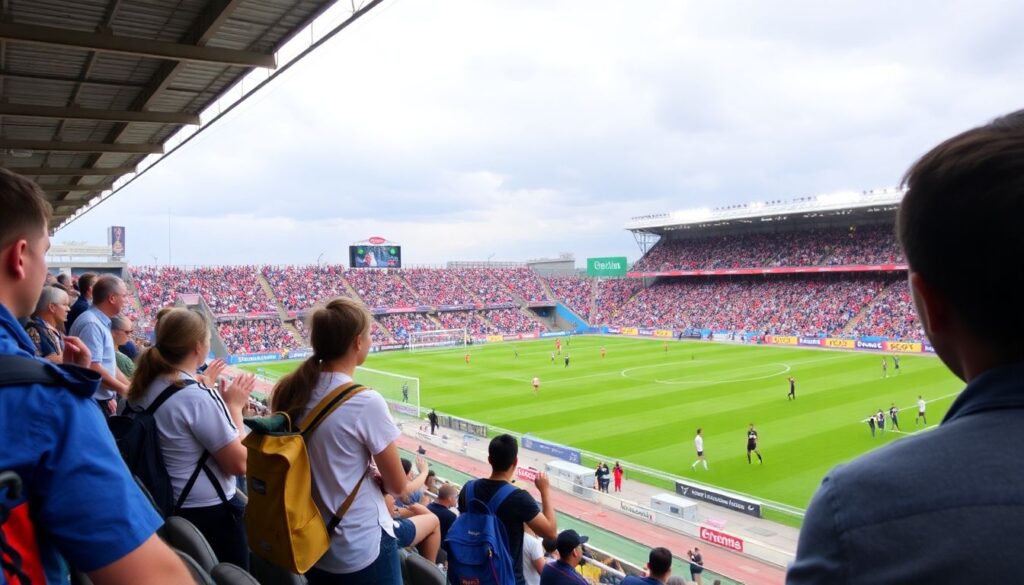
If agencies treat ultras as an attraction to be observed from a distance, then tensions may arise. If they instead liaise with clubs, fan liaisons or trusted local guides, then they can design tours that observe rituals without disrupting them or exposing tourists to unnecessary risk.
Can clubs monetise ultras without losing authenticity?
Yes, but only with boundaries. If clubs co-create products and experiences with supporter input and keep core rituals non-commercial, then monetisation feels fair; if they try to trademark chants or over-brand the curva, then backlash is likely.
What role do social media and fan content play?
If ultras and fans share choreography videos, vlogs and chants online, then they amplify the club’s global reach. At the same time, if incidents of violence or conflict are posted without context, then they can damage reputation and invite heavier regulation.
How should clubs communicate new security rules?
If clubs announce rules as top-down orders, then supporters may resist. If they explain the reasons, show the legal framework and involve recognised fan voices in messaging, then compliance improves and conflict decreases on matchday.
Are diaspora supporter groups useful for club strategy?
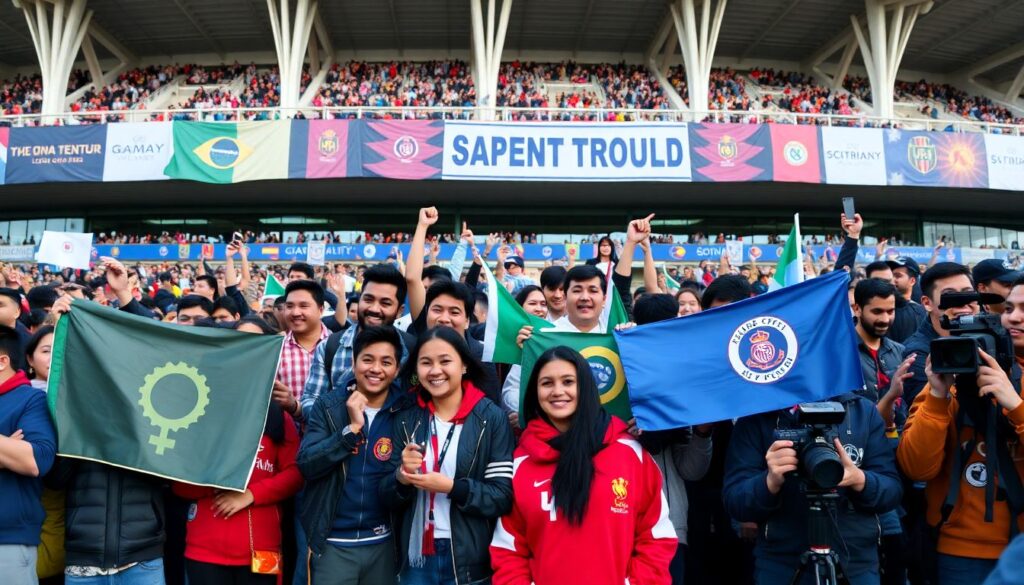
If diaspora groups are engaged as partners, then they can boost international brand presence, TV audiences and matchday tourism. If they are ignored or contacted only for merchandise sales, then their potential to support club projects and social campaigns remains underused.