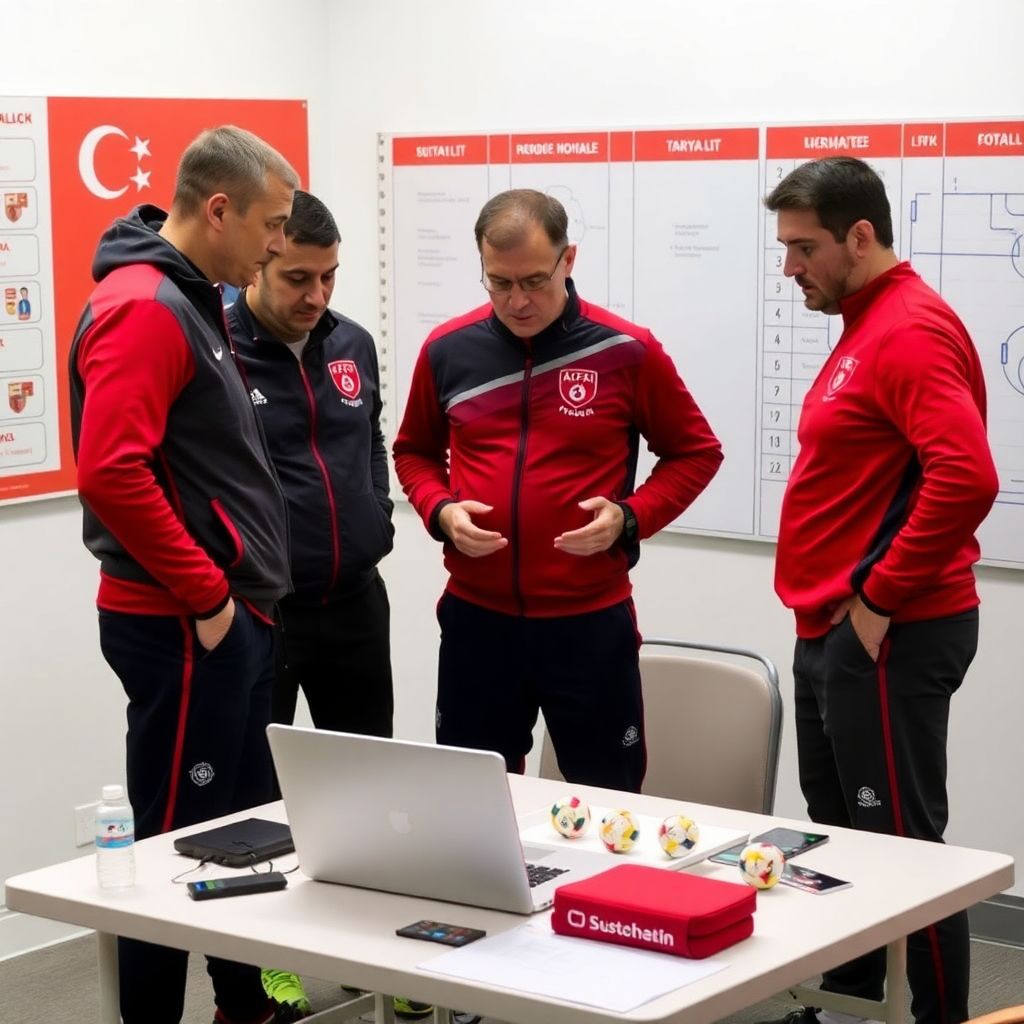
Global football trends are pushing Süper Lig teams toward higher pressing, faster transitions, smarter build-up and more data-led decisions. For Turkish coaches and analysts, the priority is not copying Europe or South America, but translating ideas into clear training drills, scouting profiles and simple match plans that fit local squads and budgets.
Strategic snapshot: how global currents alter Süper Lig tactics
- High-intensity pressing is adapted to Turkish tempo and climate, with shorter, targeted pressing phases instead of constant chaos.
- Build-up moves from pure possession to hybrid systems that accept long balls and counters as planned weapons.
- Data and video tools shape scouting, load management and pre-match preparation, not just post-game reports.
- Player profiles favour multifunctional roles: full-backs as playmakers, wingers as half-8s, forwards as first defenders.
- Set-pieces are treated as engineered situations, with rehearsed routines and opponent-specific tweaks.
- Managerial networks and recruitment pipelines connect the Süper Lig more tightly to Europe and South America, changing competitive balance.
Adapting high-intensity pressing: European and South American templates in Turkey
High-intensity pressing in the Süper Lig means defending forward in short, aggressive waves rather than running non-stop. European influences (German, Italian, Spanish) bring structured pressing traps and clear pressing cues. South American trends add man-oriented duels, emotional momentum and compact, combative mid-blocks.
The key constraint is context: climate, fixture congestion, squad depth and tactical discipline. Teams cannot copy Premier League intensity with smaller rotations and fewer physical monsters. Instead, coaches design pressing for specific zones (e.g., only after backward passes, only on one side) and for specific phases (first 15 minutes, after losing the ball, right after scoring).
In practice, a mid-table Süper Lig side might press high only on opposition goal-kicks, using a 4-4-2 or 4-2-3-1 pressing shape, then drop into a compact 4-4-2 mid-block once the opponent breaks the first line. Training focuses on 6v6 or 8v8 games where the press is triggered by pre-agreed passes, touches or body positions from the opponent.
Analysts can make this concrete by building simple clips: all successful presses leading to shots, all failed presses leading to counters against. Then they refine rules: which players start the press, which lanes to close, and how far the back line should squeeze to avoid giant spaces behind.
Evolving build-up: from possession-first to hybrid transition systems
Modern build-up in Turkey is no longer about sterile possession for its own sake. Hybrid transition systems mix short passing, direct balls and fast counters, depending on opponent and match state. This is where ideas from top European leagues meet the realities seen in turkish super lig tactical analysis 2024 reports.
- Flexible first phase: Centre-backs and the pivot decide: short to attract the press, or long to bypass it, based on pre-defined cues (number of pressers, positions of full-backs).
- Asymmetrical full-backs: One full-back tucks inside as an extra midfielder, the other goes high and wide, giving both security and width.
- Rotating midfield triangles: The 6, 8 and 10 constantly swap heights to create free men between the lines without losing rest-defence structure.
- Wide overloads into central attacks: Teams overload the flank, then cut inside quickly via third-man runs instead of crossing blindly.
- Planned long balls: Long passes target specific zones and runs, with pre-organised counter-pressing around the second ball.
- Scoreline-driven modes: Build-up structure shifts automatically when leading or chasing the game (e.g., safer 3+2 base when protecting a lead).
Mini-scenario for training: on Monday, the team trains 3v2 and 4v3 build-up against a mid-block, with the rule that the first pass must be vertical when possible. On Tuesday, they practice long diagonal switches from centre-back to winger with immediate counter-press if the ball is lost. On Thursday, they combine both: three short passes to attract presser, then one big switch, finishing with a cut-back.
For analysts and coaches working on turkish super lig analysis and predictions, these patterns matter more than formations. When you see a side mixing short and long with clear triggers, you know it is a designed hybrid system, not random chaos. That improves both tactical planning and any model that feeds into super lig betting tips and football predictions.
Analytics on the touchline: data-led scouting, load management and match planning
Data and video are now central to how Süper Lig staffs work week-to-week. The question is not whether to use analytics, but how to translate metrics into simple decisions players can execute. Even basic tools can give a competitive edge when used with discipline.
- Opponent pressing and build-up profiles: Analysts tag where an opponent presses hardest, which side they favour in build-up, and where they concede most transitions. Coaches turn this into 2-3 concrete instructions for match day.
- Scouting beyond highlight reels: Instead of relying only on eye-test and agents, clubs use event data and video filters to find players with specific actions per game: progressive passes, high-intensity sprints, defensive duels, or reception between lines.
- Load management and rotation: GPS and running data identify players at risk of overload. Coaches then adjust minutes, session intensity or roles (e.g., less pressing, more positional play) before injuries appear.
- Set-piece micro-analysis: Staff track which zones opponents target on corners and free-kicks, and which blocking patterns they use. Defending and attacking routines are adjusted weekly.
- In-game feedback loops: Simple “live dashboards” or prepared printouts inform half-time talks: zones of turnover, success rate of pressing, and where to attack more.
For bettors and modelers, the best sites for turkish super lig stats and analytics help quantify these patterns: pressing intensity, field tilt, xG and set-piece threat. Coaches can use the same publicly available tools to benchmark their teams and spot under-valued players or tactical edges.
Player profiles redefined: multifunctional roles and tactical versatility
Global trends are changing how Süper Lig clubs describe and recruit players. Roles are no longer rigid (“left-back”, “10”) but function-based (“inverted full-back”, “half-space creator”, “pressing forward”). This shift demands clear communication: players must understand both their primary function and their alternative tasks.
Modern squads value players who can change line and role within the same game: centre-backs stepping into midfield, wingers who can play inside as 8s, strikers who defend like midfielders. However, overloading players with too many roles can destroy clarity and confidence, especially in chaotic matches.
Advantages of multifunctional roles
- More tactical options from the same XI without constant substitutions.
- Easier adaptation to different opponents (e.g., shift from 4-2-3-1 to 3-4-3 within minutes).
- Better coverage of injuries and suspensions without losing overall structure.
- Higher transfer value for players who can operate in multiple systems and leagues.
- Greater unpredictability for opponents preparing match plans and marking schemes.
Limitations and risks of excessive versatility
- Players feel like they never master one role and may become “average everywhere”.
- Tactical messages become too complex, especially under pressure or in noisy stadiums.
- Squad building can lose balance if every player is “hybrid” and no one is specialist (e.g., pure box striker or pure holding 6).
- Short-term coaching changes may misuse versatile players, harming development and resale value.
For coaches, the guideline is simple: define one primary role with 2-3 key tasks, then add one secondary role per player. For analysts, tag clips and stats by role function, not only nominal position, to reflect how global tactical ideas shape individual careers.
Set-piece engineering: continental innovations and practical instantiations
Set-pieces are the easiest place to apply global innovations in the Süper Lig. Clubs can borrow corner and free-kick ideas from Europe and South America without needing huge budgets. Still, many misconceptions and recurring mistakes limit impact on the pitch.
- Mistake: treating set-pieces as “individual skill” only. Reality: routines, screens, decoy runs and second-ball structures matter more than the original cross or shot.
- Mistake: copying viral routines without adaptation. A clever routine from the Champions League fails if your taker is left-footed or your striker is weak in the air; tailor jobs to your actual squad.
- Mistake: changing routines every week. Players need repetition to execute under pressure; 3-4 core patterns with small variations are usually enough.
- Mistake: ignoring defensive rest-position. Many Süper Lig teams concede counters from their own corners because the rest-defence is chaotic and uncoordinated.
- Myth: zonal marking “does not work” in Turkey. Any system fails if distances are wrong and responsibilities unclear; mixed systems (zonal + man-marking on main threats) are often best.
- Myth: you need a specialist coach to improve. Even a dedicated 15 minutes per session with clear roles can lift set-piece output significantly.
Analysts should maintain a living library of own and opponent routines, with tags for delivery type, target zone, blockers and screens. This becomes a weekly playbook for staff and a key variable when interpreting super lig odds and live betting on turkish football, where one goal from a corner can flip everything.
Institutional change: managerial networks, recruitment pipelines and competitive balance
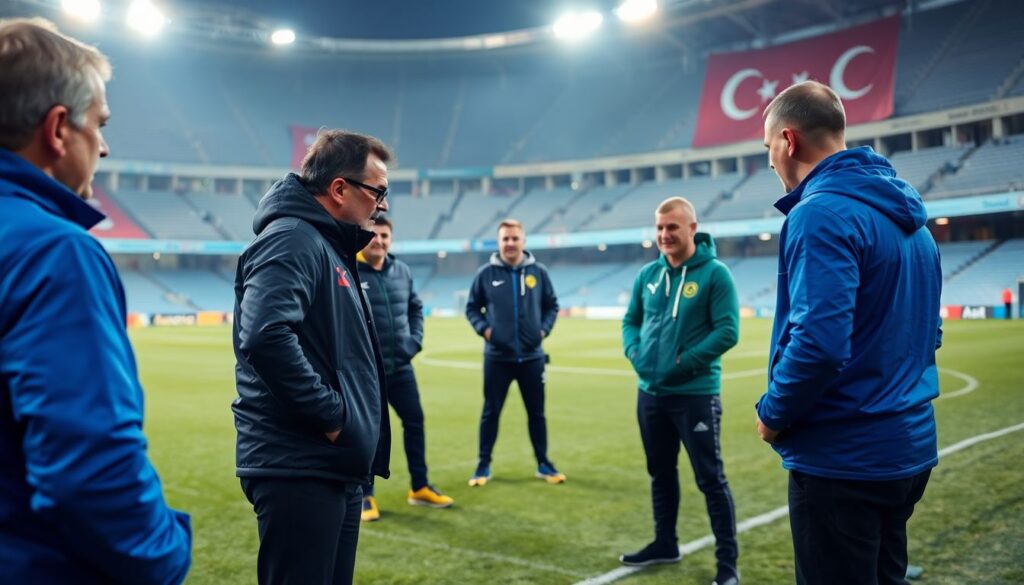
Global tactical trends reach the Süper Lig through people: coaches, assistants, analysts, sporting directors and agents. As more staff arrive with experience in top European and South American environments, the league’s tactical baseline rises. At the same time, domestic coaches increasingly study abroad and bring ideas back.
Mini-case: a club hires a head coach who worked as an assistant in a high-press Bundesliga side. He brings a fitness coach used to high-intensity work and an analyst skilled in pressing data. Recruitment shifts: the sporting director targets forwards who can press, centre-backs comfortable under pressure, and goalkeepers with good passing range.
Within one season, the team’s style changes: they press more selectively but more effectively, build with a clearer 3+2 structure, and use rehearsed throw-in routines copied and adapted from previous clubs. Local rivals react: some imitate pressing details, others adjust by going more direct. The competitive balance changes not because of budget alone, but because tactical and organisational knowledge spreads through networks.
For anyone doing turkish super lig analysis and predictions, tracking these institutional shifts is as important as watching matches. A change of coach and backroom staff can signal a future jump in performance well before results or markets, including super lig betting tips and football predictions models, fully adjust.
Practical questions coaches and analysts face
How can a smaller Süper Lig club press without exhausting players?
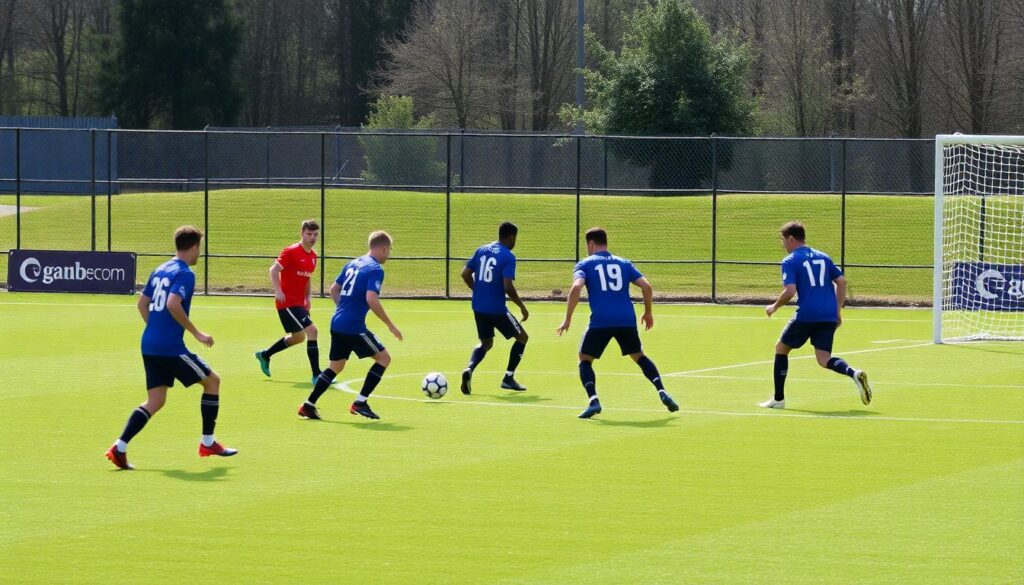
Limit pressing to clear triggers and specific zones, such as goal-kicks and wide build-up. Train short, intense pressing games and accept mid-block defending as your default. Rotate pressing roles between forwards and midfielders to spread the physical load.
What is the simplest way to start using data in daily work?
Pick three metrics aligned with your game model, for example high turnovers, box entries and set-piece shots. Track them each match, review clips connected to these events, and turn insights into one clear training focus for the next week.
How do I define multifunctional roles without confusing players?
Write down one primary role with three key tasks for each player. Then define one alternative role that changes only one or two of those tasks. Use consistent language and repeat it in video meetings, on the pitch and in individual feedback.
Which global trends matter most when scouting for the Süper Lig?
Prioritise players comfortable in pressing, able to play under pressure and with good transition habits (both attacking and defending). Look for evidence in data and clips, not just highlight reels. Adjust expectations by position and by your tactical model.
How can I improve set-pieces without extra staff?
Assign one coach to own the process, dedicate 10-15 minutes in three weekly sessions, and focus on 3-4 attacking and 3-4 defending routines. Use video of your previous matches to show players where positions and timings must improve.
How can bettors or modelers use tactical trends without overcomplicating things?
Combine basic metrics like xG, shots and possession with simple tactical tags: high-pressing side, transition-oriented side, set-piece strong or weak. This helps interpret stats and makes super lig odds and live betting on turkish football more informed, not purely emotional.
What is the best way to follow tactical developments during a season?
Pick a few teams, re-watch their games in condensed form and take short notes on pressing, build-up and set-pieces. Compare your observations with public turkish super lig tactical analysis 2024 articles and data sites to check and refine your views.