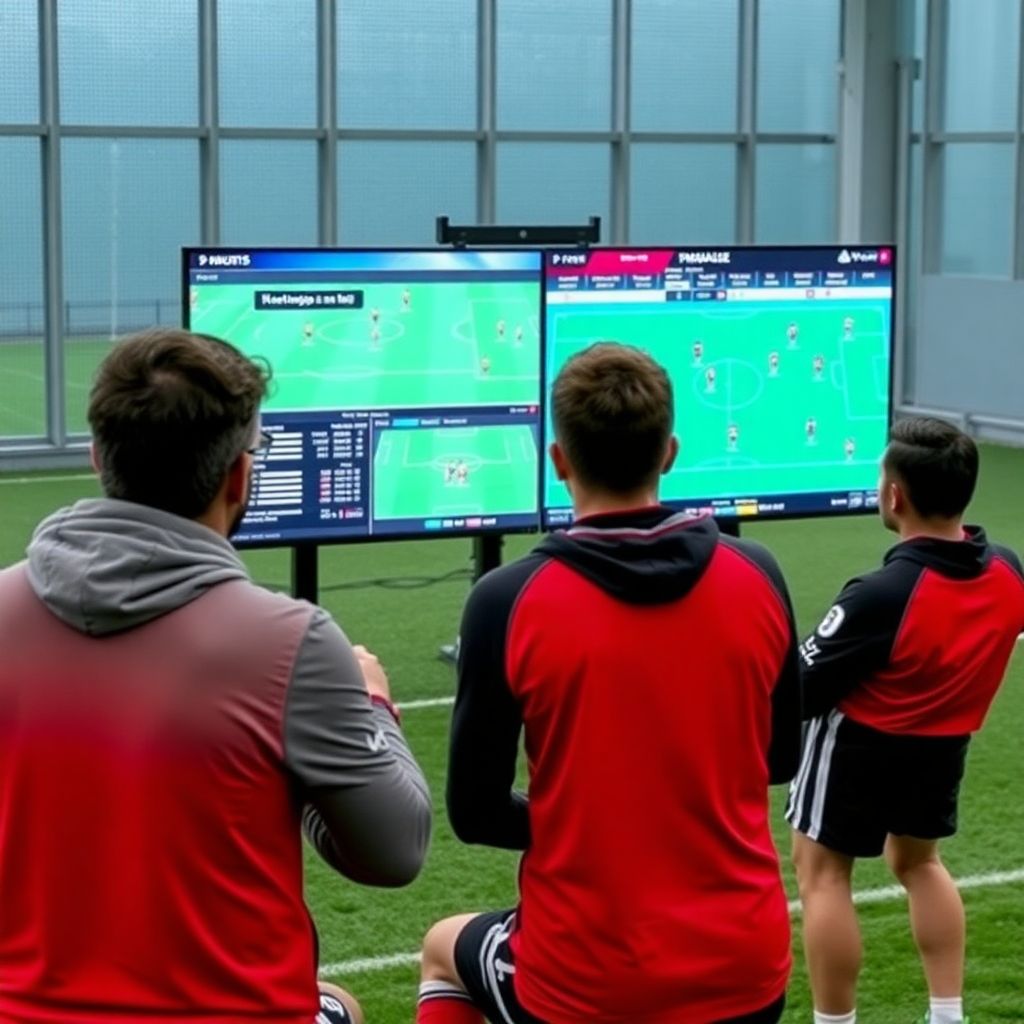
Global football trends are reshaping Süper Lig tactics through higher pressing, more structured positional play, detailed data analysis and specialised roles for full-backs and forwards. Turkish clubs blend European ideas with local strengths: tempo shifts, strong home atmospheres and technically gifted attackers. Coaches who translate trends into clear training habits gain a fast, practical edge.
Tactical snapshot: how global trends map onto the Süper Lig
- Pressing intensity is rising, but often in short, high-energy phases instead of 90-minute chaos.
- Top clubs mix gegenpressing with slower, controlled possession to manage emotional swings in big derbies.
- Data departments and football analytics software for Süper Lig teams now shape weekly training priorities.
- Full-backs act as extra midfielders or wingers, while classic “10s” adapt into press leaders or half-space creators.
- Set-pieces are planned like mini-plays with rehearsed screens, blocks and second-ball structures.
- Youth and recruitment profiles decide whether a club can sustain high pressing or must lean on low blocks and counters.
From gegenpress to controlled positional play: adoption patterns in Turkey
Gegenpressing in the Süper Lig means aggressive ball recovery in the first 5-7 seconds after losing possession, usually in defined zones rather than everywhere. Controlled positional play adds clear spacing rules: width from full-backs or wingers, one pivot for balance, and at least two players between the lines to connect.
Clubs like Galatasaray and Fenerbahçe often press high after goal-kicks, then shift into a mid-block once the initial wave loses intensity. Anatolian sides frequently copy this logic in shorter bursts, pressing only when the ball is played into specific full-backs or into the “6” zone. The result is hybrid behaviour: intense, but not constant.
For coaches, the key boundary is physical and mental: your team can rarely sustain all-out gegenpressing for 90 minutes in the Süper Lig climate and schedule. You design pressing “windows” (for example, the first 10 minutes of each half or after your own turnovers in the attacking third) and complement them with calmer positional phases to recover energy.
Actionable move-set for staff:
- Define 2-3 clear pressing triggers (bad back-pass, bouncing ball to the rival pivot, goalkeeper on weaker foot).
- Train counterpress in small-sided games with strict 5-7 second time limits to win the ball or drop into your block.
- Use video clips from live streaming services for Süper Lig football to show players how shape must look before, during and after pressing.
Data-driven preparation: analytics and sports science shaping match plans
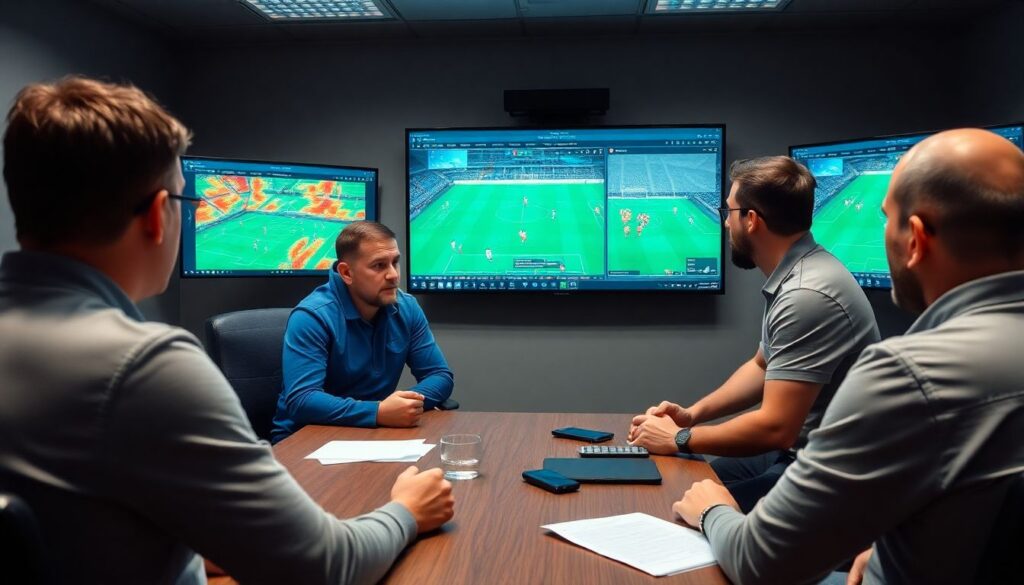
Data-driven preparation in the Süper Lig links tactical ideas with objective information: tracking how, where and when your team creates chances and concedes shots. Modern setups combine GPS data, event data (passes, duels, presses) and video tagging to create simple, repeatable messages for players.
Concrete mechanics you can implement:
- Match trend dashboards: Use football analytics software for Süper Lig teams to build 3-4 simple charts (xG by 15-minute segment, pressing actions per zone, progressive passes by player).
- Opposition patterns: Tag 10-15 clips of how the opponent builds from the back, attacks the box and defends wide areas; group them into 3 main behaviours.
- Load management: Combine GPS running data with fixture congestion (especially after European games) to adjust pressing volume in training and on matchday.
- Set-piece libraries: Maintain a video + drawing library of corners and free-kicks that worked in the Süper Lig, with roles for each position clearly labelled.
- Scenario simulations: Before games with high fan interest and high Süper Lig betting odds and predictions coverage, simulate late-game pressure with reduced pitch sizes and extra crosses to prepare defenders and the goalkeeper.
Practical scenario: if your analytics show that your team concedes most chances in minutes 60-75, you reduce high pressing just after half-time and plan fresh-legged substitutions around 55-60 minutes. Training then focuses on compact mid-block work for that phase instead of open, high-energy pressing games.
Takeaway: do not drown staff in numbers. Pick 3 questions each week (“Where do we lose the ball?”, “Who connects our attacks?”, “Which crosses we cannot defend?”) and build your data and training plan around those, updating them as results and performances change.
Hybrid systems and role redefinition: full-backs, 10s and false nines in Süper Lig
Hybrid systems mean players changing roles between phases: a full-back becomes a midfielder in build-up, a “10” joins the front line when pressing, a striker drops into midfield to overload central spaces. In the Süper Lig, this flexibility helps break deep blocks while still protecting against counters.
Typical application scenarios:
- Inverted full-backs: At home, a dominant side lets the right-back move inside next to the pivot when building, creating a 3+2 structure. This supports circulation and protects against counters through the centre.
- Overlapping full-backs vs low blocks: Against bottom-half teams defending with five at the back, full-backs stay very wide and overlap to force 2v1s on the outside centre-back, while wingers move inside as second strikers.
- Press-leading “10”: The playmaker steps next to the striker in pressing, closing central lanes and forcing the opponent wide. On the ball, the same “10” drops into half-spaces to receive between lines and turn.
- False nine patterns: In big games in Istanbul, a mobile striker drops towards the ball to pull centre-backs out, allowing wingers to attack the space behind. Midfielders must then sprint into the box to maintain presence.
Practical takeaway: do not change your whole formation at once. Choose one role to hybridise per season, for example only the left-back or only the “10”. Build clear rules: “If ball is on our left side, left-back comes inside; if on right, he stays wide”. This keeps responsibilities understandable and executable.
Managing transitions: high press, counterpress and structured low-block responses
Transition management connects your pressing idea with your defensive safety net. High pressing and counterpressing aim to win the ball near the opponent’s goal; structured low-block responses accept deeper defending but organise how you protect the box and break out. In the Süper Lig, tempo swings and emotional games make these choices especially visible.
Mini-scenarios you can design in training:
- After losing the ball in the final third: 3 nearest players counterpress the ball, 2 secure the centre, the rest hold the line on the halfway circle instead of diving into the duel.
- Against big-team pressure away from home: Start in a low block, but on specific triggers (bad touch from opposition centre-back, backward pass under pressure) jump into a coordinated high press for 5-10 seconds.
- Leading late in the match: Drop to a 4-5-1 with wingers very narrow; your striker’s only job is to angle presses to force play wide, buying time for midfield to shift and recover.
Advantages of proactive pressing and counterpressing in the Süper Lig:
- Creates chances from high regains without needing complex positional attacks.
- Uses the loud home crowd energy to trap opponents near their own box.
- Limits long build-up phases that may expose gaps between your lines.
- Reduces the opponent’s ability to control tempo, especially in derbies.
Limitations and risks of relying only on high press and counterpress:
- Physical drop-offs in the second half if squad depth and conditioning are not aligned with the game model.
- Vulnerability to long balls behind an aggressive back line, especially versus fast foreign forwards.
- Confusion when the first pressing line is beaten and no clear low-block rules exist.
- Increased disciplinary risk if pressing duels turn into late fouls in emotionally heated games.
Action point: write down 3 simple rules for your low block (for example “wingers inside the half-space”, “striker screen the pivot”, “no tackles from behind in last 25 meters”) and rehearse them every week, not only before “big” games that generate more attention and Süper Lig tickets online purchase activity.
Set-piece engineering and marginal gains on dead-ball situations
Set-piece engineering treats corners, free-kicks and throw-ins as structured attacking opportunities, not breaks in play. In the Süper Lig, where many matches are balanced until late stages, marginal gains from dead balls can decide league position and European qualification.
Common mistakes and myths that hold teams back:
- “We do not have tall players, so set-pieces do not matter”
Even smaller teams can target cut-backs to the edge of the box, second balls or short routines that drag markers out of position; height is only one tool. - Overloading one “magic” routine
Opponents study video. If you repeat the same near-post screen every game, it becomes easy to neutralise. Rotate 3-4 base patterns with small variations. - Ignoring defensive rest-structure
Many goals conceded after your own corners come from poor protection of counterattacks. Assign 2-3 players to protect central spaces and the full width of the pitch. - Under-coaching throw-ins
Throw-ins around the rival box are mini-set-pieces. Simple movements (one short, one long, one inside run) and pre-agreed third-man combinations can create quick crosses. - Assuming rehearsed moves kill creativity
Good routines create a starting structure; players still decide final passes and finishes. The goal is to deliver the ball into a high-value zone with advantage, not to script every touch.
Practical takeaway: dedicate 15-20 minutes in two weekly sessions to one attacking and one defensive set-piece theme. Record them from a high camera or TV angles from live streaming services for Süper Lig football and review monthly to keep details sharp.
Talent pipelines and recruitment: how youth profiles determine tactical identity
Global tactical trends only stick if your talent pipeline supports them. A high-pressing, positionally dominant style needs mobile defenders, press-resistant midfielders and forwards who can both sprint and combine. If your academy and recruitment do not provide these profiles, copying big European clubs will quickly expose weaknesses.
Mini-case in the Süper Lig context: imagine a club that historically recruits strong target strikers and classic wingers. If the board suddenly wants false nines and heavy central overloads, coaches either must reprofile existing players (turn a “10” into a false nine, train wingers to attack half-spaces) or adjust expectations and blend old and new ideas (target striker plus one inside winger and one wide winger).
Practical pseudocode for aligning tactics with recruitment:
{
  "game_model": "high press + fast wide attacks",
  "key_profiles": [
    "CBs: comfortable defending big spaces",
    "FBs: high stamina, crossing ability",
    "8s: vertical runners",
    "Wingers: 1v1 dribblers, depth runs",
    "9: presses centre-backs, attacks box"
  ],
  "youth_focus": [
    "scout pace and repeat sprint ability early",
    "prioritise first touch under pressure",
    "train position-specific decision making"
  ]
}
Takeaway for sporting directors and coaches: finalise your tactical identity before making major signings or loan decisions. When comparing players and analysing markets (including how media discuss best sportsbooks for Turkish Süper Lig matches or publish match previews), think in terms of roles and behaviours, not only raw talent or highlight reels.
Practical clarifications for coaches and analysts
How can a smaller Süper Lig club copy global trends without extra budget?
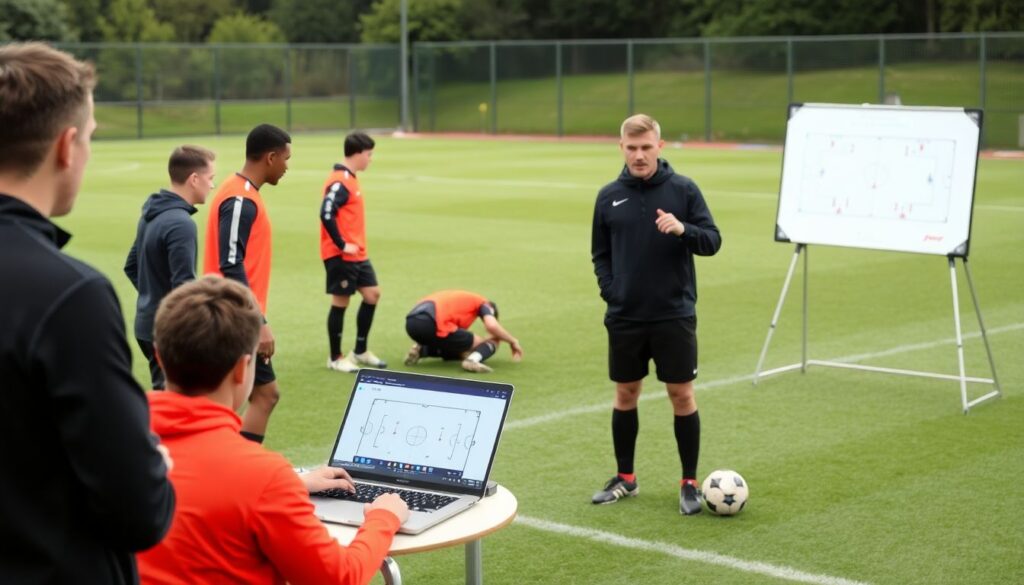
Focus on organisation, not gadgets. Use simple video tools, free data sources and clear rules for pressing and set-pieces. One structured habit added each month (for example goal-kick build-up patterns or corner coverage) has more impact than buying technology you cannot fully use.
How do global trends affect match analysis for betting and predictions?
Tactical stability and clear game models make results easier to anticipate. Analysts who track pressing intensity, set-piece output and substitution patterns read Süper Lig betting odds and predictions with more context, rather than just looking at league tables or recent scores.
Do modern tactics change how fans watch matches at the stadium?
Yes. Supporters benefit from knowing pressing triggers, build-up shapes and set-piece routines, which makes in-stadium viewing more interesting. When planning a Süper Lig tickets online purchase, fans following tactical narratives can choose matches where styles clash in attractive ways, not only big-name derbies.
What is the most realistic tactical upgrade for an amateur or semi-professional coach?
Improve your team’s reaction in the first seconds after losing the ball. Train counterpressing and fallback decisions every week in small spaces. You do not need complex formations; simple rules like “nearest three press, others protect the middle” already mirror elite habits.
How should analysts prioritise data metrics for Süper Lig teams?
Start with chance quality (xG for and against), pressing actions in key zones and set-piece efficiency. Add physical indicators only if measured reliably. Avoid tracking too many metrics; focus on 5-7 that link directly to your tactical plan and training content.
Do live streams and digital platforms change tactical preparation?
Yes, because full-match and wide-angle footage is easier to access. Staff can clip pressing waves, build-up patterns and late-game structures directly from live streaming services for Süper Lig football, speeding up feedback loops for players and improving opponent analysis.
Can tactical trends influence commercial aspects around the league?
Attractive, high-tempo football tends to boost viewing figures and media coverage, which indirectly supports sponsors, broadcasters and even platforms offering best sportsbooks for Turkish Süper Lig matches. Clubs with clear tactical identities are also easier to market domestically and abroad.
Комментарии