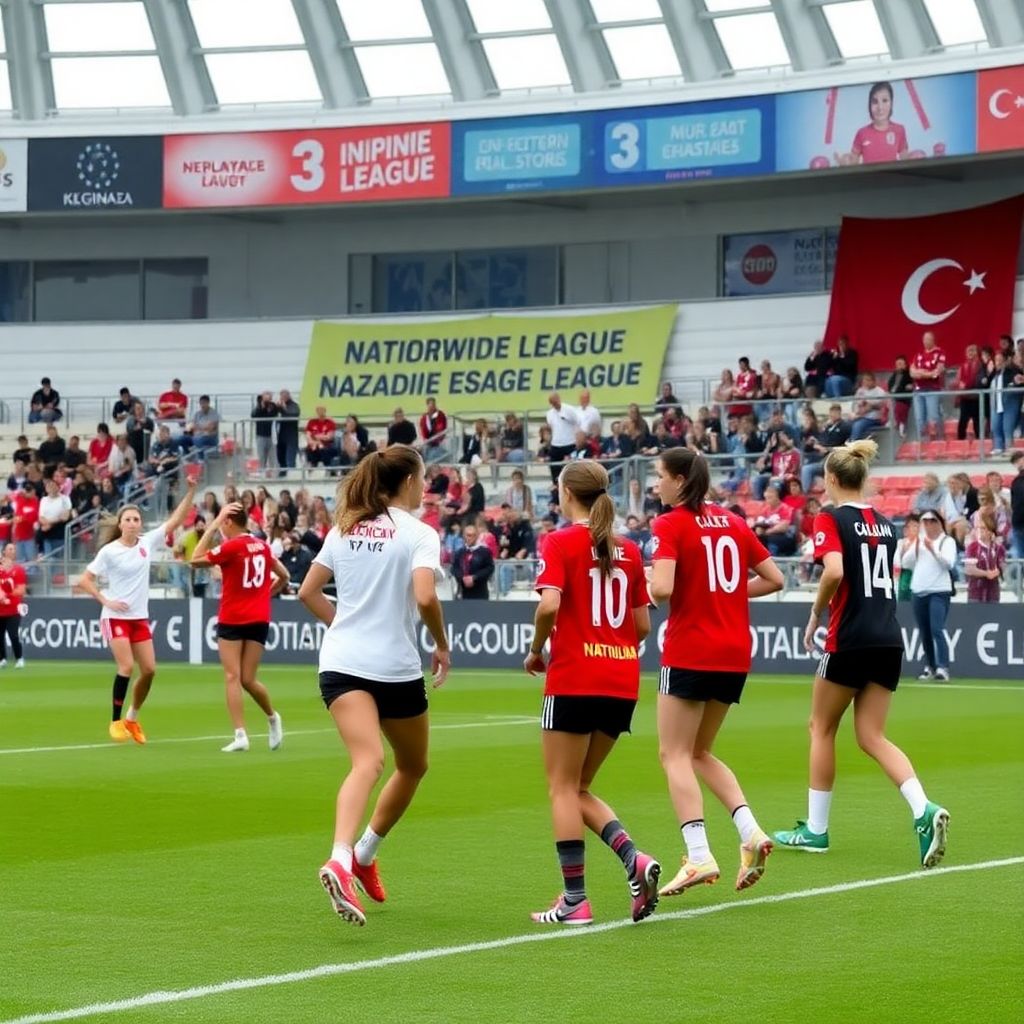
Women’s football in Turkey is growing fast but still fights structural, financial, and cultural barriers. If stakeholders expand the turkey women’s football league, invest in academies, and promote the best young women football players in turkey, then the system will better support talent, improve competitiveness, and increase visibility nationwide.
Snapshot: Current State of Women’s Football in Turkey
- If you look at league structures, then you will see a clearer pyramid from grassroots to the top turkey women’s football league, but with big gaps between amateur and elite levels.
- If major men’s clubs keep backing women’s sections, then brand power, sponsorship, and facilities will continue to improve for women’s teams.
- If the turkish women’s national football team gets more regular high-level friendlies and qualifiers, then player standards and tactical sophistication will rise.
- If women’s football academies in turkey spread beyond big cities, then regional access and talent diversity will grow significantly.
- If federations and clubs make women’s football tickets turkey cheaper and more visible, then attendances and media attention will follow.
Historical Milestones and League Evolution
If you want to understand women’s football in Turkey today, then you need to see it as a sequence of stop-start phases, from early informal teams to today’s multi-tiered national pyramid. The game has moved from marginal, volunteer-driven activity into a more structured ecosystem connected to professional clubs.
If you examine league evolution, then you see three key shifts: initial regional competitions, establishment of a national league under the federation, and recent integration of women’s teams into big-name men’s clubs. Each phase expanded participation but also exposed weaknesses in funding, governance, and long-term planning.
If policymakers define women’s football only as a side project of men’s clubs, then the league’s identity and stability stay fragile. If instead they frame the turkey women’s football league as a flagship product with its own media strategy, then commercial partners and broadcasters have a clearer proposition to support.
If you map milestones against social context in Turkey, then it is clear that every leap forward followed moments of broader conversation about gender equality and visibility in sport. When those conversations go quiet, women’s football tends to lose momentum, budgets, and media time.
Infrastructure, Funding, and Club Development
- If clubs share men’s facilities fairly with their women’s teams, then training quality, recovery, and injury prevention improve; if women must train at off-peak hours on poor pitches, then performance ceilings stay low.
- If municipal authorities and universities open pitches and gyms to women’s football academies in turkey on predictable schedules, then start-up academies can operate without unsustainable rental costs.
- If the federation links minimum facility standards to league licences, then clubs will gradually upgrade dressing rooms, medical rooms, and analysis spaces instead of postponing investment every season.
- If sponsors are offered combined packages across the turkey women’s football league and the turkish women’s national football team, then they gain broader reach and are more likely to commit multi-year deals.
- If clubs create clear development plans for girls’ sections (U11, U13, U15, U17, senior) with dedicated budgets, then they can move from short-term tournament teams to a continuous pipeline.
- If media partners get guaranteed, well-produced broadcasts of key women’s matches, then advertising revenue and streaming subscriptions can start to offset production costs.
- If fan engagement includes family-friendly scheduling and targeted promotion of women’s football tickets turkey, then matchday revenue and local loyalty increase sustainably.
Player Pathways: Grassroots to Professional
If a girl first touches a ball at school, then physical education teachers become her gatekeepers. If teachers encourage mixed-gender games and signpost local clubs, then more girls will enter community teams instead of dropping the idea after school tournaments.
If community clubs run structured girls’ teams with trained coaches, then they become the primary bridge to women’s football academies in turkey. If they only add girls as a formality, then talented players will lack position-specific training and competitive matches.
If academies and professional clubs coordinate, then a clear pathway appears: school or community football, then academy squads, then reserve teams, then first team. If those links are informal, then many of the best young women football players in turkey will be lost between levels or move abroad early.
If the federation standardises scouting at youth tournaments and school championships, then selection for regional centres and youth national teams becomes more transparent. If selection stays based on personal networks, then regions outside big cities will remain underrepresented in the turkish women’s national football team.
If parents see understandable roadmaps that show training loads, education priorities, and realistic career options, then they are more likely to support long-term development instead of pushing for early professional contracts.
Competitive Landscape: Domestic and International Performance
If we analyse the domestic game, then quality is uneven: a handful of clubs linked to powerful men’s teams dominate, while smaller clubs struggle with depth and resources. Internationally, the turkish women’s national football team is improving but still fights to qualify consistently for major tournaments.
Strengths and Opportunities in Competition
- If top clubs recruit and retain national team players, then the pace and tactical level of the turkey women’s football league will keep rising.
- If domestic competition formats guarantee enough high-intensity matches per season, then players can adapt to the demands of European tournaments.
- If youth national teams get regular international fixtures, then future senior squads will arrive more prepared for elite opposition.
- If fan interest translates into higher demand for women’s football tickets turkey, then clubs can reinvest matchday income into squads and analysis staff.
Limitations and Current Gaps
- If squad depth remains thin beyond the starting eleven at many clubs, then injuries or suspensions will quickly reduce competitive balance.
- If tactical training relies mainly on copying men’s team plans, then coaches may miss specific physical and technical profiles of women’s football.
- If international club competition experience stays limited to a few league champions, then broader league standards will rise slowly.
- If data and video analysis infrastructure is underfunded, then coaches will struggle to prepare detailed game plans against top European sides.
Social and Cultural Barriers Impacting Participation
- If families believe football is unsafe or inappropriate for girls, then many potential players will never join a club, no matter how good the facilities are.
- If media covers only the turkish women’s national football team during big qualifiers and ignores league stories, then girls get few visible role models from the turkey women’s football league.
- If school administrators treat girls’ football as a one-off event and do not allocate regular pitch time, then early enthusiasm fades quickly.
- If coaches repeat the myth that women’s matches are automatically slower and less tactical, then training intensity and expectations remain low.
- If stadium environments are perceived as male-only spaces, then potential new spectators will hesitate to buy women’s football tickets turkey even when pricing is family-friendly.
- If social media discourse around women athletes focuses on appearance rather than performance, then many teenagers will avoid visibility and competitive ambition.
Talent Identification and Emerging Future Stars
If talent identification in Turkey becomes systematic, then the best young women football players in turkey will no longer depend on being in the right city or knowing the right coach. Instead, they will be evaluated through repeat observations, objective criteria, and transparent selection processes.
If we imagine a simplified decision flow for scouts, then it looks like this: if a player dominates in her age group technically and physically, then observe her in a higher age group; if she still stands out tactically under pressure, then invite her to regional camps; if she adapts quickly there, then monitor her for national team youth squads and academy scholarships.
If clubs and women’s football academies in turkey share scouting databases and align evaluation standards, then overlap decreases and more regions get covered. If data remains siloed, then multiple scouts will visit the same urban games while rural tournaments stay unseen.
If media and clubs highlight emerging names in a responsible way, then young players gain recognition without unrealistic pressure. If hype is uncontrolled, then early-star players may face burnout or backlash before they reach senior level.
Action Checklist for the Next 12 Months
- If you run a club, then define one written pathway from local schools to your senior women’s team and communicate it to parents and teachers.
- If you coach, then schedule at least one joint session per month with another women’s team to expose players to different tactical problems.
- If you work in administration, then link part of club funding or incentives to concrete targets in girls’ and women’s participation numbers.
- If you manage communications, then plan a season-long narrative that promotes both the turkey women’s football league and the turkish women’s national football team with consistent messaging.
- If you are a fan or community leader, then organise at least one group visit to a women’s match and share information on women’s football tickets turkey through your local networks.
Practical Answers for Coaches, Players, and Administrators
How can a local club in Turkey start a sustainable women’s team?
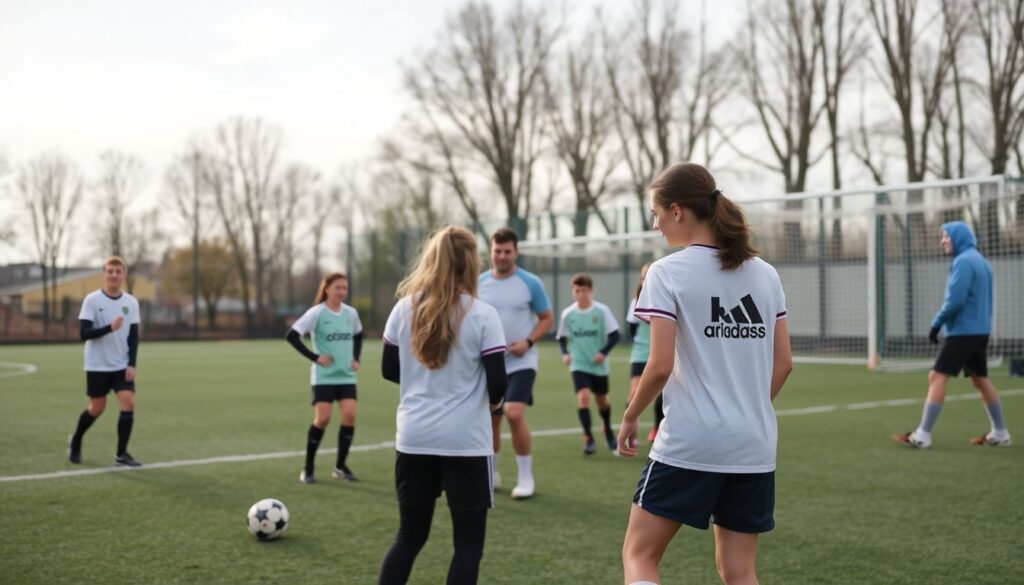
If your club wants a sustainable women’s section, then start with one age group, secure stable pitch time, and assign at least one coach committed to long-term development rather than short tournaments. Then build additional age groups once training quality and attendance are consistent.
What is the most effective way to support a talented girl from a non-football family?
If a player’s family is unsure about football, then invite them to training, explain education priorities, safety measures, and realistic career options. If they see structure and care, then they are far more likely to support travel, training loads, and later academy moves.
How should coaches balance school demands and training for youth players?
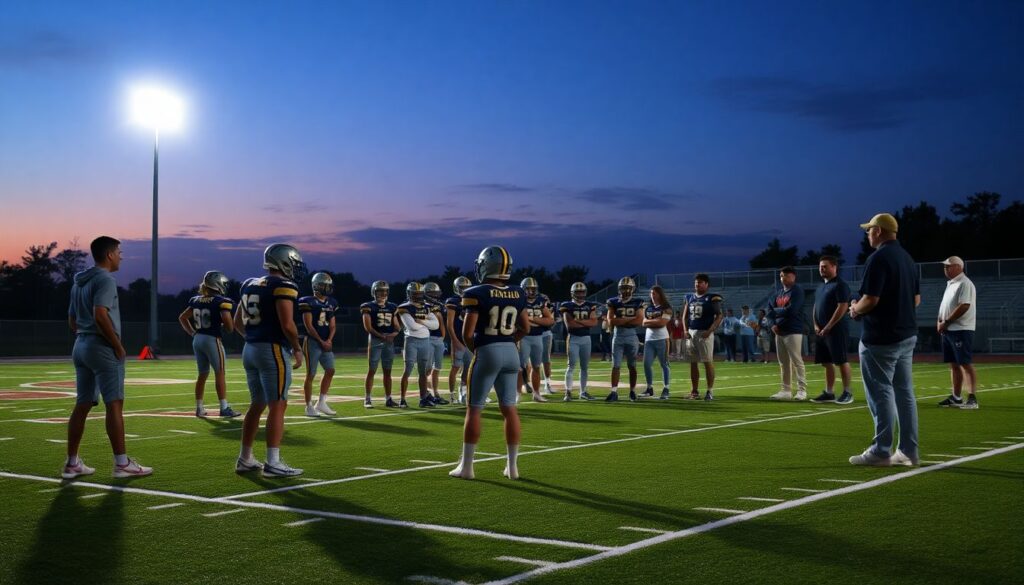
If school exams are approaching, then reduce physical load slightly and keep attendance flexible while maintaining technical quality. If you coordinate with parents and teachers in advance, then players can avoid burnout and stay in the game longer.
What can administrators do quickly to grow attendance at women’s matches?
If you want more spectators, then focus on clarity: simple schedules, easy-to-find information on women’s football tickets turkey, and family-friendly kick-off times. If you then combine this with local school and university outreach, attendances usually increase without major marketing budgets.
How can academies improve talent identification outside big cities?
If your academy rarely scouts beyond major urban areas, then schedule regional festival days and partner with local coaches to host mini-tournaments. If you repeat this at least twice per season, then your chances of finding hidden talent rise sharply.
What is one low-cost improvement most women’s teams in Turkey can make immediately?
If resources are limited, then invest first in coach education and structured session planning rather than equipment. If sessions are purposeful and progressive, then player development will improve even on modest pitches.
How should the federation prioritise investment between league and national team?
If budgets are tight, then prioritise actions that benefit both, such as coach education, referee development, and data infrastructure. If the domestic league quality rises, then the turkish women’s national football team will gain stronger, better-prepared players.