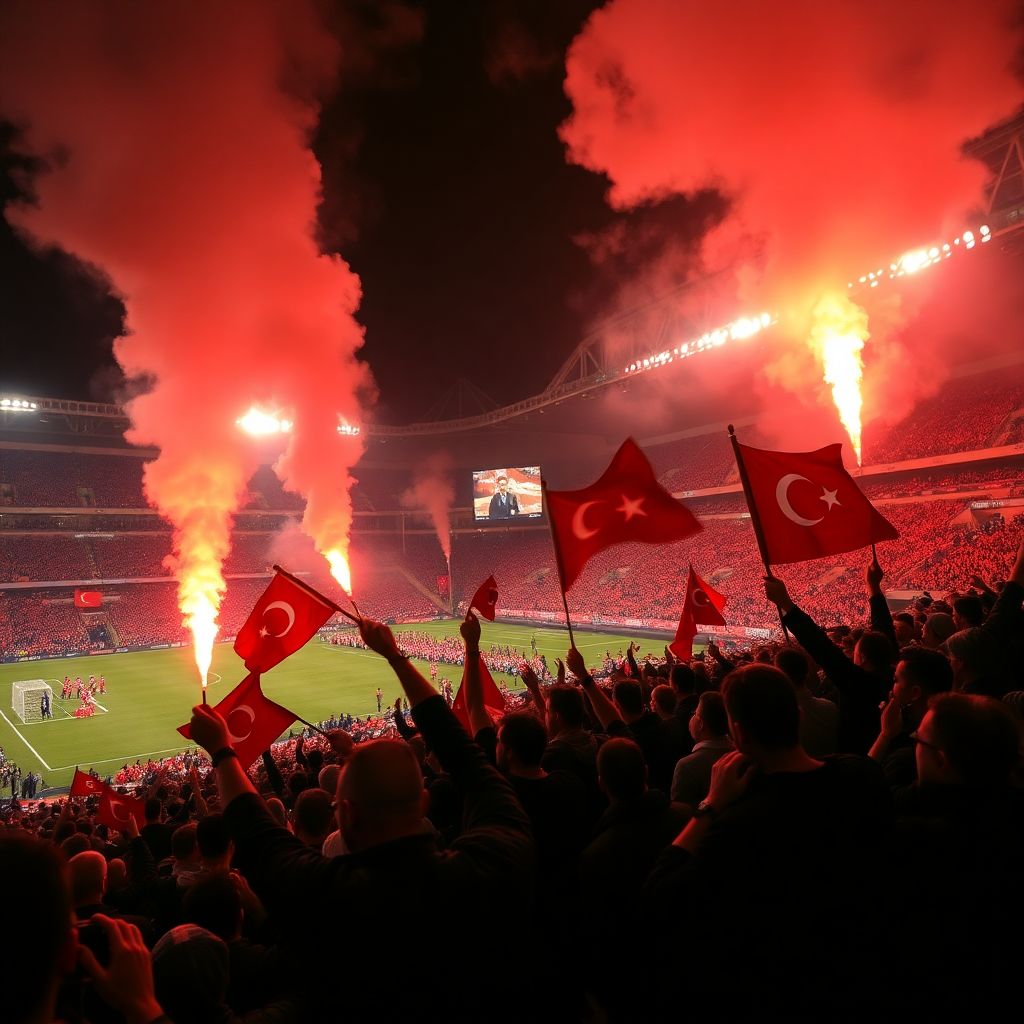
Turkish derby culture is the intense emotional, historical, and social world around major football rivalries, especially in Istanbul. It combines Ottoman-era class and neighborhood identities with modern fan psychology, ultra groups, choreographies, and media-driven narratives. Understanding this culture explains why Galatasaray, Fenerbahçe, and Beşiktaş matches feel like city-wide rituals, not just games.
Core dynamics of Turkish derby culture
- Derbies are rooted in late Ottoman and early Republican Istanbul class and school divisions, not only in football performance.
- Fan identities mix neighborhood, political leanings, and family heritage into strong in‑group vs out‑group emotions.
- Iconic clashes like Galatasaray-Fenerbahçe structure the league calendar and national conversation.
- Rituals, chants, and giant displays turn stadiums into symbolic battlegrounds for honor and status.
- Security planning, all‑seater stadiums, and fan ID systems aim to manage risk without killing atmosphere.
- Media, politics, betting, and tourism commercialize derbies while also amplifying tension and expectations.
Historical roots: from Ottoman urbanization to modern clubs
Derby culture in Turkey emerged from the social geography of late Ottoman Istanbul, where schools, districts, and social classes formed distinct communities. Early football clubs grew from these communities, so rivalry was built in from the beginning, long before professional leagues or television rights existed.
Galatasaray and Fenerbahçe were founded by educated urban youth but anchored in different sides of the city and slightly different social circles. Galatasaray’s roots are tied to the elite Galatasaray High School in the historic peninsula, while Fenerbahçe is linked to the more residential Kadıköy district on the Asian side.
Beşiktaş added another axis, representing a central, historic neighborhood with its own traditions of civic pride and martial culture. The three clubs crystallized into symbols: not just teams but competing versions of what Istanbul, and later the Turkish Republic, should look and feel like.
As the Turkish Super Lig professionalized, state and media framed these clubs as national brands. Historical grievances-controversial referee decisions, dramatic title deciders, famous comebacks-were layered on older school and neighborhood rivalries, deepening the emotional stakes of every major derby.
Fan identities and social psychology: class, locality, and collective memory
Derby psychology is driven by how fans see themselves and their rivals. Several mechanisms are especially visible in Turkey.
- In‑group vs out‑group labeling. Supporting a club defines who is “us” and who is “them”. Colors, chants, and slang mark group boundaries sharply, especially on derby days.
- Collective memory and myth‑making. Fans constantly retell past wins, injustices, and legendary players. These stories form a shared emotional memory that justifies today’s passion and anger.
- Territorial identity. Sides of the Bosphorus, districts, and even individual streets are mapped to clubs. Away fans entering the rival’s district feel like symbolic invaders.
- Status competition. Trophies, league positions, and continental success feed a constant status comparison. Humiliating a rival in a key derby feels like raising your whole group’s rank.
- Social learning in crowds. New supporters copy vocal, senior fans-especially ultras-learning when to sing, insult, or calm down. Crowd behavior becomes self‑reinforcing.
- Emotional contagion. Tension, fear, and euphoria spread quickly through dense terraces. A single controversial decision can flip the mood of tens of thousands within seconds.
- Norms of masculinity and honor. In many fan circles, loyalty, courage, and not backing down are moral duties. This can motivate impressive support but also escalate conflicts.
Applying derby psychology in real-life situations
Fans, visitors, and businesses use an understanding of derby psychology in different ways. A neutral tourist planning a football derby tour Istanbul Galatasaray Fenerbahce Besiktas might choose seats among families or VIP areas to enjoy the atmosphere without intense group pressure.
Someone booking Istanbul derby tickets Galatasaray Fenerbahce learns quickly that home and away sections are strictly separated and that colors signal identity. Travel companies and clubs design Galatasaray Fenerbahce derby VIP hospitality packages to offer safe, high‑status belonging for corporate guests who want the emotion but not the risks.
Retailers study symbols and chants to design Turkish football derby merchandise Galatasaray Fenerbahce Besiktas that matches fan group norms, while punters checking the best sports betting sites for Turkish Super Lig derbies look not only at statistics but also at psychological factors like crowd pressure or recent off‑field controversies.
Iconic rivalries dissected: Galatasaray-Fenerbahçe and other matchups
The Galatasaray-Fenerbahçe derby is the core of Turkish derby culture. It is the “Intercontinental Derby”, shaped by the European vs Asian side split and decades of title races. Every incident-from famous brawls to last‑minute goals-slowly rewrites the hierarchy between the clubs in fans’ minds.
Galatasaray-Beşiktaş clashes involve two clubs that share the European side yet represent different urban textures: an old elite school versus a historical, more “street” district. These derbies are often framed as battles for central Istanbul’s identity and control over its noise and symbolism.
Fenerbahçe-Beşiktaş matches highlight the contrast between Kadıköy’s strong home atmosphere and Beşiktaş’s reputation for relentless noise. Here, narratives of toughness, authenticity, and “real fan” behavior dominate, with each side claiming to be the loudest and most loyal supporters in the country.
Outside Istanbul, regional derbies-Trabzonspor vs the “Istanbul trio”, İzmir rivalries, or Anatolian clashes-mirror local grievances about economic inequality and perceived media bias. Beating an Istanbul giant in a televised match can symbolize regional resistance, giving these games a strong political flavor.
European competition also creates temporary “national derbies” where Turkish club factions pause internal fights and support the team representing the country. Yet even then, fans quietly compare whose club brings more prestige, feeding the long‑term rivalry narrative.
Rituals and symbols: chants, banners, and matchday performance
Rituals are how derby psychology becomes visible. Choreographies, smoke, drums, and call‑and‑response chants coordinate thousands of people into a single emotional actor. Banners and tifos compress complex histories and insults into one image that every supporter can instantly understand.
Strengths and cultural benefits of derby rituals
- They create intense belonging, giving fans a clear sense of “our people” and shared purpose for ninety minutes and beyond.
- They transmit club history and values quickly to new generations through songs, symbols, and iconic visual references.
- They can channel aggression into symbolic competition-who sings louder, who creates better displays-rather than direct physical conflict.
- They offer a rare, legal space for public catharsis, where shouting, crying, and hugging strangers is socially accepted.
- They support club finances and city branding by generating globally recognizable images and atmospheres.
Constraints, risks, and limits of ritual performance
- Complex choreographies and pyrotechnics require planning and funds, so only organized groups can lead, sometimes creating internal hierarchies and gatekeeping.
- Visual and verbal symbolism can slip into hate speech, political extremism, or dehumanizing language about rivals.
- Sound levels, smoke, and crowd density can be overwhelming for children, older visitors, or people with sensory sensitivities.
- Commercialization of rituals-sponsored tifos, branded songs-may reduce authenticity and cause friction between ultras and club management.
- Strict policing and stadium regulations can restrict creativity, pushing some activities outside the stadium where they are harder to control.
Risk factors and control: violence, policing, and stadium safety
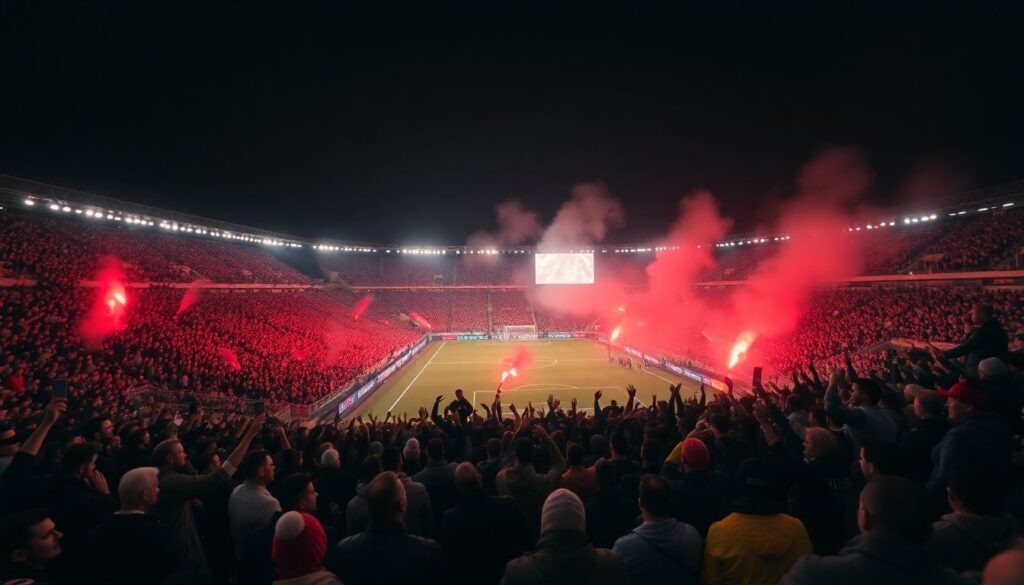
Derbies in Turkey are safer today than their reputation suggests, but specific risk factors remain. Problems escalate when crowd management, transport planning, and emotional triggers combine. Understanding typical errors and myths helps both visitors and authorities act more rationally.
- Myth: “All derbies are war zones.” In reality, most matches pass without major incidents. Risk concentrates around certain fixtures, locations, and times, especially when titles are at stake or recent controversies are fresh.
- Underestimating travel and mixing points. Clashes often occur not in the stadium but where fan groups accidentally mix-metro exits, ferry docks, or highway rest areas-rather than strictly inside the arenas.
- Ignoring alcohol and group size effects. Large groups arriving together after heavy drinking can rapidly shift a neutral situation into a confrontational one.
- Assuming police presence alone is enough. Overly aggressive policing can sometimes escalate tensions; communication, clear signage, and separated routes matter as much as numbers.
- Not respecting sector boundaries. Away sectors, family blocks, and VIP areas are carefully designed. Sitting in the wrong area with rival colors is a frequent trigger for small‑scale violence.
- Overconfidence of casual visitors. Some tourists or new fans treat derbies like regular matches, ignoring local advice about arrival times, clothing colors, and post‑match movements.
Media, politics, and commercialization: forces that amplify rivalries
Media outlets, politicians, and businesses all benefit when derbies feel bigger and more dramatic. Talk shows highlight referee errors for days, social media amplifies provocative clips, and political actors sometimes reference clubs to connect with specific voter groups or neighborhood loyalties.
Clubs and sponsors monetize derby culture through TV rights, premium seats, and global branding. A basic league fixture may sell normally, while a high‑profile derby can support whole marketing campaigns-from airline sponsorships to themed city events-reinforcing the cycle of attention and expectation.
Example: Before a decisive Galatasaray-Fenerbahçe match, local and international media replay dramatic past games, sponsors push limited‑edition products in club colors, and betting companies promote odds and special offers. By kickoff, the match carries symbolic weight far beyond three league points, shaping behavior on and off the pitch.
Practical concerns and clarifications for derby observers
Is it safe for a foreign visitor to attend a major Turkish derby?
Yes, if you follow local advice and basic precautions. Buy tickets through official channels, choose neutral or family sections, avoid wearing rival colors, and arrive early to follow crowd flows and security instructions.
Which derby in Istanbul is the most intense for atmosphere?
Galatasaray-Fenerbahçe is usually the most emotionally charged, but all combinations among the “big three” offer strong atmospheres. The choice depends on stadium, competition, and stakes in that particular season, not only on the badge.
How far in advance should I plan for derby tickets and travel?
Plan weeks ahead and treat big derbies like major events. Monitor official club and league announcements, secure accommodation near reliable transport, and be prepared for flexible kickoff times influenced by TV and safety considerations.
Can families with children safely enjoy a Turkish derby?
Many families attend, especially in designated family or VIP blocks. Choose sectors known to be calmer, bring ear protection for children, and avoid joining dense ultra groups or staying too long around the stadium after full time.
How should a neutral fan choose which side to sit with?
If you are new, a neutral or home family section is usually simplest. Sitting with organized away fans requires stronger emotional commitment and tolerance for intense singing and standing throughout the match.
Are Turkish derbies more political than regular league games?
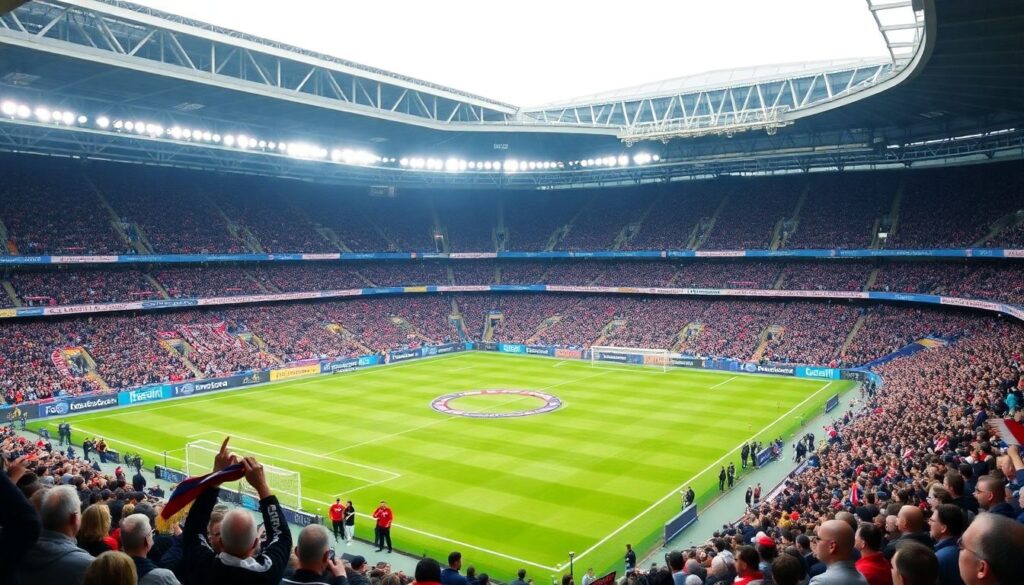
Political and social references appear more often in derbies because the audience is larger and emotions run higher. Still, the core experience remains sporting rivalry; most fans come primarily for football and club identity.
What is the best way to behave as a guest in a derby crowd?
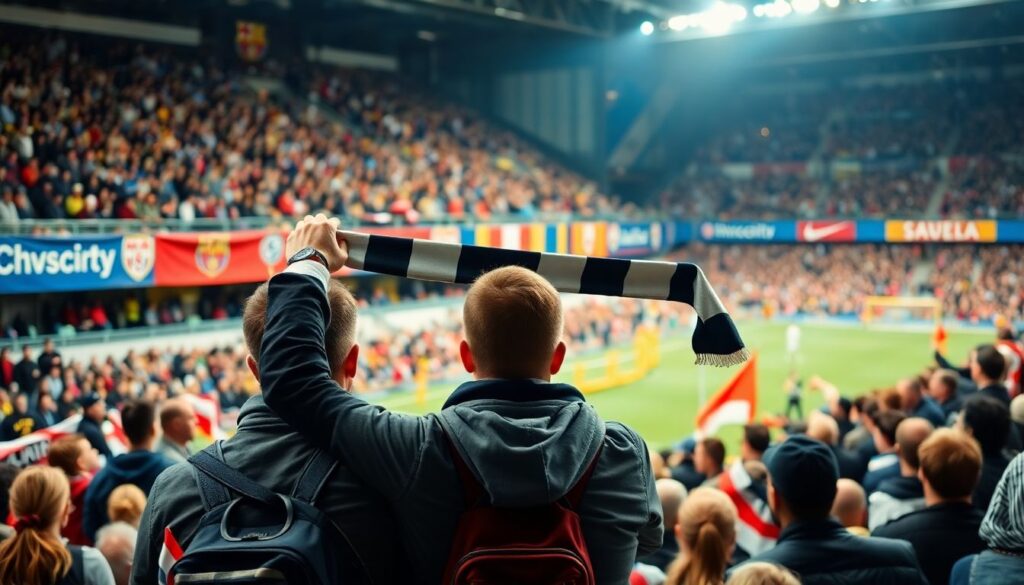
Observe before acting, follow local fans’ lead, and avoid mocking or provoking either side. Show respect for club symbols, celebrate responsibly, and remember you are entering someone else’s emotional “home”.