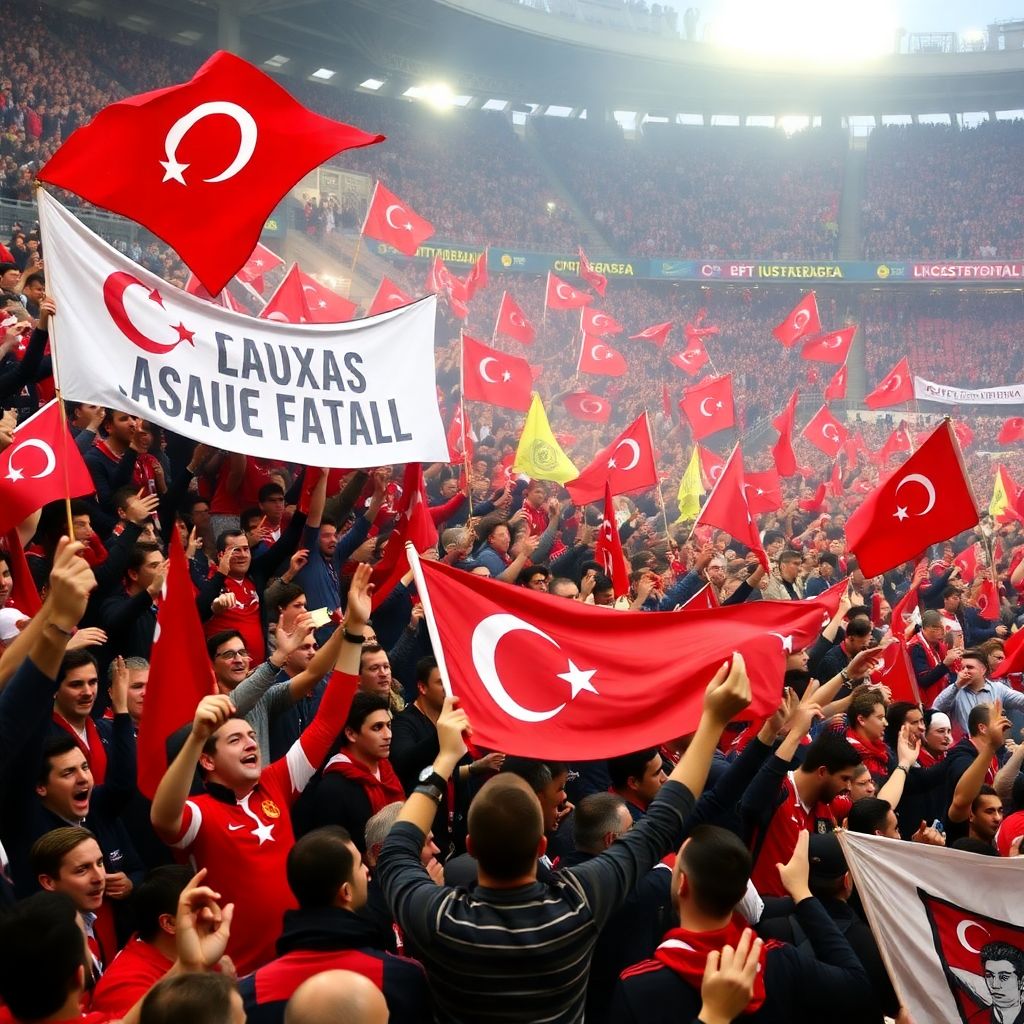
The fiercest rivalries in Süper Lig history are the Istanbul derbies and the provincial battles that link football with identity, politics and class. If you want to understand Turkish football culture, then study how these rivalries shaped chants, fan groups, media narratives and even how people buy tickets, tours and merchandise.
Persistent Myths and Turning Points
- If you believe all Turkish derbies are the same, then you miss how each rivalry reflects different histories of class, geography and politics.
- If you see Galatasaray-Fenerbahçe as only a football clash, then you ignore how it taught Turks to live weekend life around big matches.
- If you think Beşiktaş fans are only about passion, then you overlook how they pushed political expression into stadium culture.
- If you treat Trabzonspor and Bursaspor as “small clubs”, then you fail to see how provincial pride reshaped power beyond Istanbul.
- If you assume violence defines these rivalries, then you underplay their role in building collective rituals, humour and urban folklore.
- If you focus only on recent seasons, then you miss landmark games that permanently changed tactics, attendance and TV behaviour.
Legendary Origin Stories: separating myth from fact
Turkish football rivalries are often explained through dramatic legends: lifelong feuds, political conspiracies, even invented founding stories. In reality, the fiercest rivalries in Süper Lig history grew gradually from school ties, neighbourhood boundaries, military tradition and the early spread of the game in Istanbul and key Anatolian cities.
If you hear a story that sounds perfectly cinematic, then assume it is at least half myth and look for the boring details: club minutes, school records, early federation documents. Early Galatasaray-Fenerbahçe meetings, for instance, were as much about elite schools and social clubs as about pure sporting hatred.
Early phase – social circles over mass crowds. At first, clashes between Istanbul clubs were battles of schoolboys, diplomats and merchants. If you imagine full ultras culture from day one, then you miss how match-going slowly spread from narrow elites to broad urban classes.
Expansion phase – radio, newspapers, TV. As broadcasting arrived, rivalries left the stadium and entered living rooms, coffeehouses and workplaces. If you want to see when myth overtakes fact, then track how newspapers, radio shows and later TV highlights retold single incidents until they became “tradition”.
Modern phase – brands, tickets and global tourism. Today, legends are also marketing tools. If you search for Turkish Super Lig tickets Galatasaray vs Fenerbahce, then you are already consuming a narrative built from decades of myth-making, not just ninety minutes of football.
Istanbul Giants: how Fenerbahçe, Galatasaray and Beşiktaş forged modern rivalry
The Istanbul “big three” derby network is the backbone of Turkish football culture. It defines calendar rhythms, fan identities and even holiday plans.
- Spatial competition – neighbourhood and shoreline. If you live on one side of the Bosphorus, then you are subtly pushed toward one club, because streets, ferries and local bars are decorated with its colours.
- Educational and class roots. Galatasaray comes from an elite school culture, Fenerbahçe from a more mixed Kadıköy base, Beşiktaş from an older neighbourhood identity. If you ignore these origins, then you cannot read the jokes, banners and songs that reference them.
- Matchday ritual as social script. If it is derby weekend, then families, workplaces and even weddings are scheduled around kickoff. Travel, shopping and traffic patterns in Istanbul literally reorganise themselves when a major derby is played.
- Media framing and TV slots. If a Galatasaray-Fenerbahçe game is on TV, then channels build pre‑game and post‑game marathons that turn one match into a multi-day story. This created the idea that football is never “just a game” but an ongoing serial drama.
- Consumer culture – tickets, tours, merchandise. If you try to buy Istanbul derby tickets Fenerbahce Galatasaray at short notice, then you meet loyalty systems, digital ticketing and dynamic pricing that grew specifically to manage derby demand. If you browse a Galatasaray Fenerbahce Beşiktaş fan merchandise shop online, then you see how rivalry colours fashion, school items and even baby clothes.
- Tourism and VIP experiences. If you look for the best Turkish football tours derby matches, then agents will build whole Istanbul weekends around one game, stadium visits and museum stops. If you can afford VIP hospitality packages Turkish Super Lig derbies, then you buy a controlled, comfortable version of a culture that was built in noisy, standing terraces.
Provincial Pride: Trabzonspor, Bursaspor and the rise of regional antagonisms
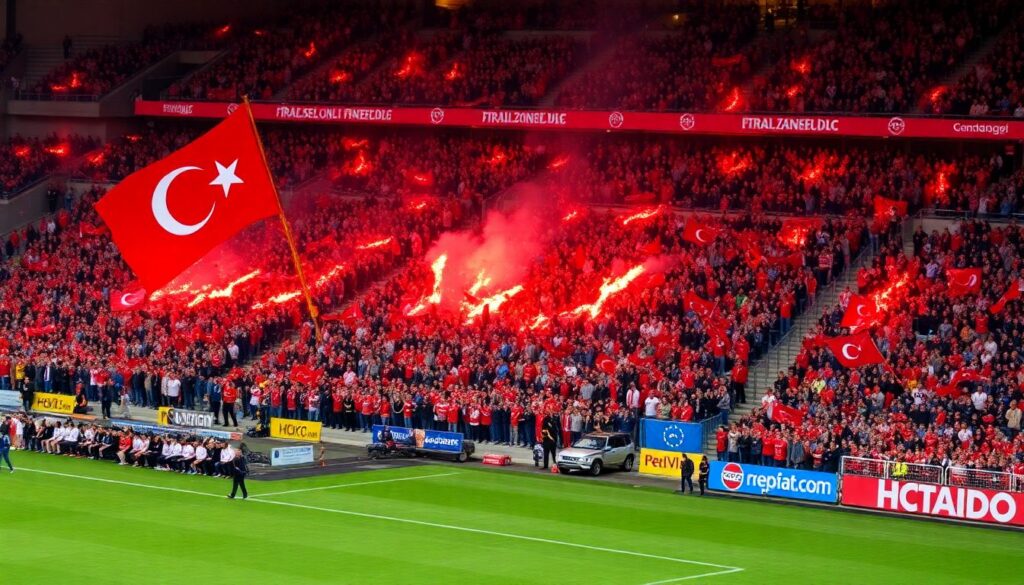
Outside Istanbul, rivalries became tools for cities to challenge the centre. These antagonisms reshaped how provincial fans saw themselves within the national story.
- City vs metropolis. If you grow up in Trabzon or Bursa, then matches against the Istanbul giants are not just games but symbolic fights against economic and political centralisation.
- Regional identity and dialect. If a club uses local dialect or folk music in its chants, then it signals that supporting the club equals defending a way of life, not only following results.
- Provincial mini‑derbies. If two neighbouring Anatolian clubs meet, then bragging rights may matter more locally than any Istanbul fixture. These games reinforce town pride, family divisions and local jokes.
- Migration and “away” communities. If large groups from Anatolia move to Istanbul, then they carry their provincial loyalties into new districts. This creates layered rivalries: a Trabzonspor fan in Istanbul may argue with both local Istanbul fans and other Anatolian migrants.
- Stadium as regional parliament. If national decisions hurt a region economically, then whistles and banners during big games become one of the rare visible platforms for protest. Provincial rivalries thus feed political awareness as well as football passion.
Fault Lines: politics, religion and class within supporter cultures
Rivalries do not exist in a vacuum; they amplify broader social divisions. Yet they also create spaces where those divisions are temporarily suspended.
Social strengths that rivalries can create
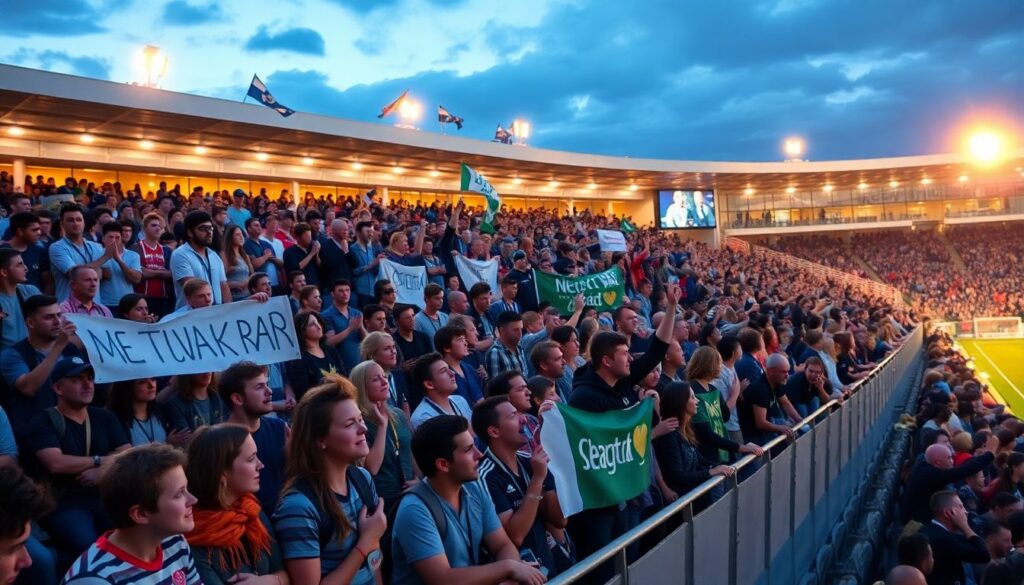
- If you need a quick sense of a city’s mood, then listening to terrace songs can tell you more than reading formal speeches.
- If people of different incomes stand in the same curve, then they may share emotions they never display in offices or parliament.
- If organised supporter groups run charity drives, blood donations or earthquake aid, then rivalries become channels for solidarity instead of hostility.
- If local businesses sponsor tifos and away trips, then football binds neighbourhood economies together.
Risks, limits and unhealthy patterns
- If political groups colonise terraces too aggressively, then some fans feel excluded and stay home, which narrows the culture.
- If religious or ethnic stereotypes appear in chants, then rivalries can harden prejudice instead of producing playful banter.
- If ticket prices rise and only wealthier fans can attend, then class division returns and the stadium loses its mixed social character.
- If media reward only extreme behaviour with attention, then moderate voices inside fan culture stay invisible.
Defining Matches: moments that changed perceptions and momentum
Certain games are remembered as turning points, but collective memory often edits out context. Understanding these myths helps explain how culture, not just results, was shaped.
- Myth: “One game started the hatred.” If someone claims one specific match created a decades‑long rivalry, then remember that frustrations, social change and league structures were building pressure long before.
- Myth: “Derbies were always this intense.” If you watch old footage, then you often see more open stands, mixed sections and less militarised policing than today’s highly segmented stadiums.
- Myth: “Fans only care about trophies.” If a club wins a symbolic derby during a bad season, then fans may still treat that day as a success that “saved honour”, showing that symbolic victories can outweigh league tables.
- Myth: “Television killed atmosphere.” If TV changed anything, then it shifted creativity to visual displays (tifos, coordinated choreography) designed for cameras, not only for those inside the ground.
- Myth: “Modern security ruined spontaneity.” If authorities impose stricter controls, then fans usually invent new, often more complex, ways to coordinate chants, choreography and digital campaigns.
Institutional Forces: media, clubs and ultras in formalizing rivalries
Rivalries became stable institutions once media, clubs and organised fan groups learned to manage and monetise them. This formalisation set patterns that still shape how people watch, talk about and sell Turkish football.
| Rivalry | Clubs involved | Historical roots | Typical emotional tone | Symbolic matches (qualitative) |
|---|---|---|---|---|
| Bosphorus power struggle | Galatasaray vs Fenerbahçe | School‑based elite vs mixed urban community; Asian vs European shore identities | High tension, national spotlight, intense media framing | Title‑deciding games, dramatic comebacks, controversial red cards and penalties |
| Inner‑city contrast | Beşiktaş vs Galatasaray | Old neighbourhood pride vs institutional school background | Raucous atmosphere, strong singing culture, ironic humour | Matches remembered for choreographies, banners and full‑stadium chants |
| Shoreline derby | Fenerbahçe vs Beşiktaş | Different districts on the Bosphorus, overlapping working and middle‑class bases | Physical style, loud terraces, strong sense of “tough” football | Games marked by dramatic late goals and intense physical duels |
| Centre vs periphery | Trabzonspor vs Istanbul clubs | Provincial pride and regional identity challenging metropolitan dominance | Feeling of injustice, desire to “prove” equality or superiority | Seasons where Trabzonspor challenged for titles against all three giants |
| Anatolian assertion | Bursaspor vs Istanbul clubs | Industrial city identity, green‑white symbolism, regional self‑confidence | Underdog determination combined with strong home‑ground atmosphere | Key home wins that signalled Anatolian clubs could realistically chase honours |
Mini‑timeline: how institutions layered onto raw rivalry
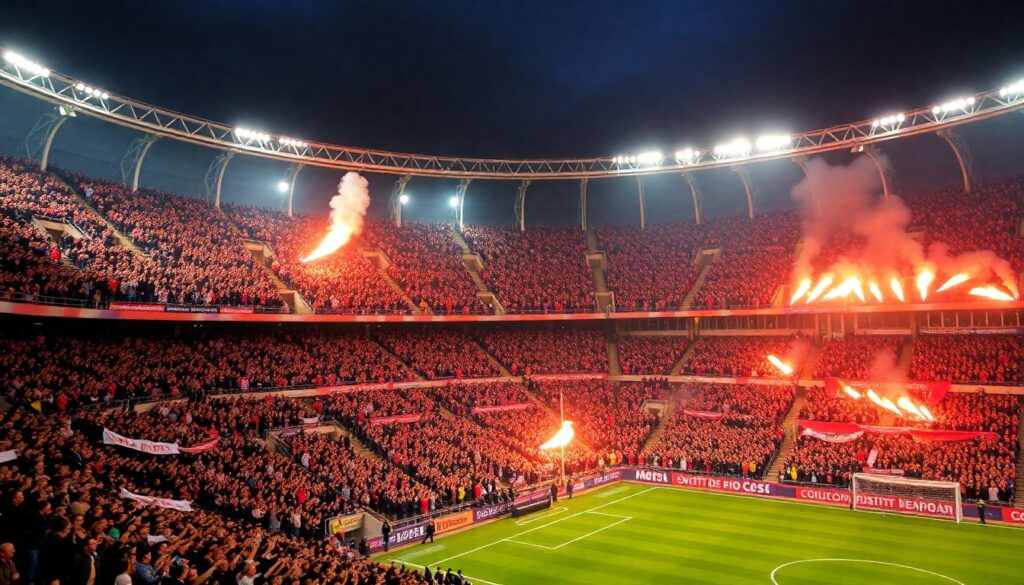
- Phase 1 – spontaneous passion. If you look at early decades, then you see loosely organised groups and informal chants, with rivalries shaped mainly by geography and chance events.
- Phase 2 – organised ultras. If supporter groups gain names, logos and leaders, then planning replaces spontaneity: megaphones, pre‑ordered flags and away‑day logistics become standard.
- Phase 3 – club strategies. If clubs recognise how much derbies drive season‑ticket sales and sponsorship, then they design marketing around rivalry games, from special jerseys to museum tours.
- Phase 4 – media and tourism integration. If broadcasters and travel agencies package derbies as must‑see experiences, then kick‑off times, camera angles and even city branding adjust to highlight rivalry drama.
Illustrative micro‑scenario: a modern Istanbul derby weekend
If you want to see how all forces interact, then imagine a single Galatasaray-Fenerbahçe weekend in Istanbul:
- If fixtures are announced, then fans immediately book flights, hotels and arrange fan‑club buses, locking in travel patterns months ahead.
- If police and local authorities publish security plans, then ultras calibrate choreography, marches and meeting points to stay visible but within allowed routes.
- If clubs open online sales, then season‑ticket holders and loyalty‑card users dominate access, while late buyers hunt for official resale or safe packages.
- If broadcasters build multi‑hour studio shows, then past controversies and iconic goals are replayed, reinforcing shared memories and myths.
- If the match produces new drama – a spectacular tifo, a controversial decision, a decisive goal – then social media spreads images instantly, turning one moment into fresh folklore.
Common Misconceptions and Quick Clarifications
Are Turkish derbies only about hatred and violence?
No. If you enter only through sensational news, then you see the worst moments. Inside the stadium, most time is spent on singing, choreography, humour and shared emotional release, even between rival groups.
Is the Galatasaray-Fenerbahçe rivalry older than all other tensions?
It is one of the oldest and most symbolically loaded, but if you study local histories, then you find neighbourhood and school rivalries that predate formal league structures.
Did politics create the rivalries from the start?
Politics later shaped and coloured them, but if you look at early decades, then class, schooling and urban geography were more central than party lines or ideological movements.
Are Istanbul clubs always stronger than provincial ones?
No. If you track league tables over time, then you see seasons where Trabzonspor, Bursaspor and other Anatolian clubs seriously challenged or even outperformed the giants, especially with strong home‑ground cultures.
Do ultras only harm the image of Turkish football?
Ultras can contribute to tensions, but if you examine their full activity, then you also find charity campaigns, coordinated displays and community projects that enrich local culture.
Is TV the main reason stadium atmospheres changed?
TV is one factor, but if you zoom out, then new stadium designs, ticketing systems, policing strategies and changing urban life patterns also play major roles.
Can a neutral visitor safely enjoy a big derby?
Generally yes, if you respect local customs, avoid provocative behaviour and follow club or tour‑operator guidance. Many visitors attend derbies every season without problems.