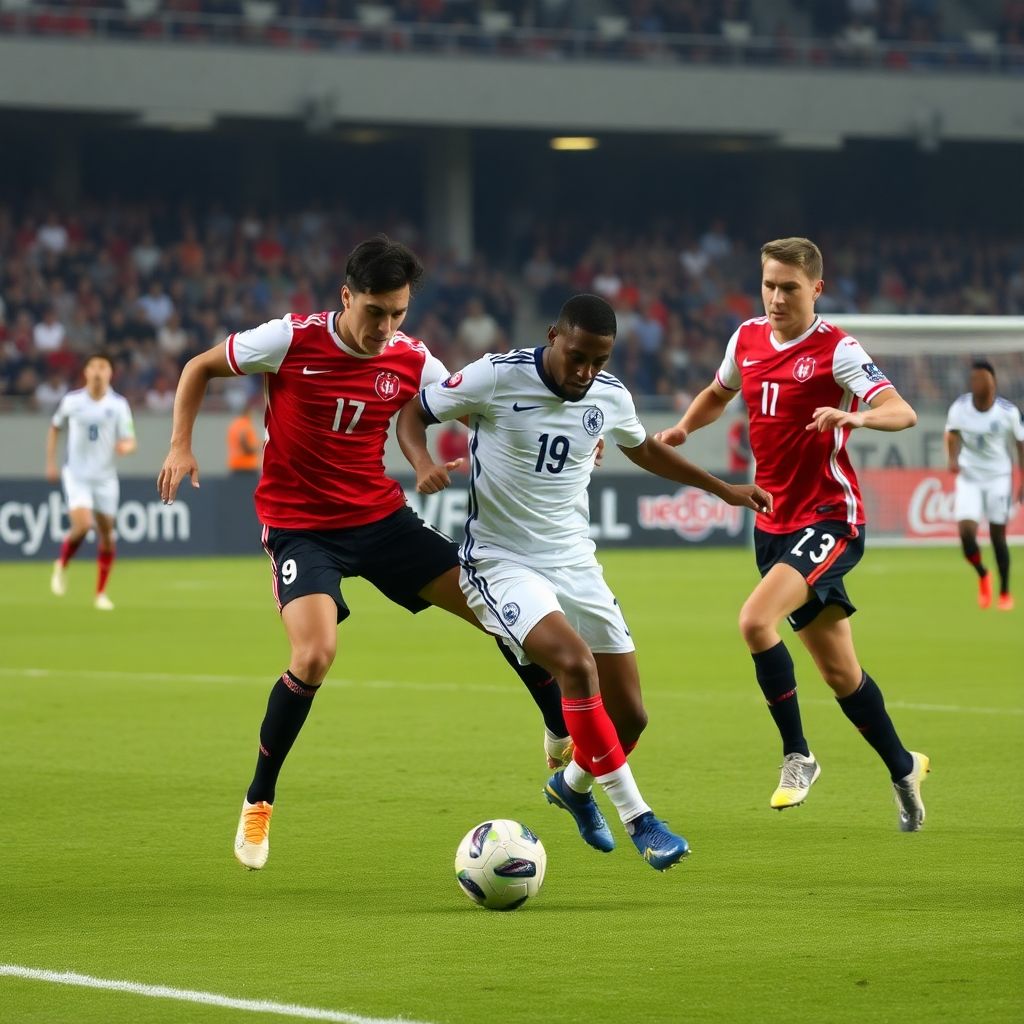
Turkey’s World Cup and EURO campaigns are defined by clear patterns: emotionally charged peaks, defensive discipline when compact, but recurring problems with game control, squad balance and in‑match adjustments. To improve, Turkey needs more stable lineups, clearer roles, better pressing coordination and calmer game management, especially against technically superior opponents.
At a Glance: Turkey’s Tournament Outcomes
- High-ceiling tournament team: when compact and aggressive, Turkey can beat stronger opponents, especially in knockout-style games.
- Main structural issue: difficulty controlling midfield over 90 minutes, leading to long defensive phases and fatigue.
- Squad selection often tilts towards emotion and reputation rather than role fit and tactical balance.
- Coaching changes close to tournaments disrupt automatisms, pressing cohesion and buildup patterns.
- Context (injuries, scheduling, federation decisions) repeatedly amplifies existing weaknesses instead of being managed proactively.
- Fans, media pressure and hype around Turkey World Cup and EURO match predictions betting odds can push staff towards short‑term choices.
Common Myths About Turkey’s Tournament Performances
Turkey’s World Cup and EURO history is surrounded by myths that simplify complex tactical and structural issues. Understanding what actually happens on the pitch helps separate emotional narratives from repeatable patterns you can expect in future campaigns.
The first myth is that Turkey always performs better at EURO than at the World Cup. In reality, Turkey has experienced both deep runs and early exits in both competitions. The difference usually comes from squad cohesion and tactical clarity in specific cycles, not from the tournament brand.
The second myth claims that Turkey is purely a “counter‑attacking side” at major tournaments. While some of the best runs used a compact block and fast transitions, recent campaigns show phases of higher possession and more patient buildup, especially when facing weaker or similar-level teams.
A third myth is that passion and atmosphere alone explain Turkey’s results. Home and away support, shirt sales in every Turkey national football team merchandise online store, and full stands do matter, but they only amplify what is already there tactically. Poor spacing, slow defensive shifts or unbalanced midfields cannot be fixed by noise or motivation.
What Worked: Tactical and Strategic Successes
The positive patterns in Turkey’s World Cup and EURO campaigns come from a few repeatable ideas. These are the elements to copy and reinforce in the next cycles and even when you buy Turkey World Cup 2026 qualifying tickets and try to anticipate how the team will play.
- Compact defensive block with clear roles
When Turkey keeps lines close, full-backs disciplined and midfielders vertically compact, the side becomes hard to break down, forcing opponents wide and into low‑probability shots. - Vertical transitions through mobile forwards
Using quick forwards and dynamic number 10s, Turkey punishes disorganized defenses directly after regains, especially when the first pass forward is pre‑planned, not improvised. - Set‑piece focus
Well-drilled routines in corners and wide free‑kicks provide goals in tight games, compensating for limited open‑play creativity against deep blocks. - Role-based selection in key cycles
In the better tournaments, selection focused less on star names and more on complementary player profiles: runners around a playmaker, a holding midfielder protecting ball‑playing center‑backs, and full-backs matched to the pressing plan. - Flexible game plans vs stronger opposition
Turkey’s best results against top teams usually came from accepting less possession, focusing on compactness, targeted pressing traps and pre‑planned counters into the channels.
| Aspect | Recent World Cup Pattern | Recent EURO Pattern |
|---|---|---|
| Results level | High variance: from strong qualifying phases to difficulty sustaining form in finals | Similarly uneven: one or two standout runs mixed with group-stage disappointments |
| Playing style balance | Often more conservative, prioritising defensive stability and transitions | More attempts at proactive play, especially versus mid‑tier opponents |
| Chance creation (xG trend) | Relies heavily on counters, set‑pieces and isolated moments by key attackers | Slightly more consistent chance creation when midfield structure holds, but still streaky |
| Possession approach | Lower average possession, focused on protecting central zones | Mixed: some games with higher possession, but control not always stable |
| Lineup consistency | Frequent changes in defense and midfield combinations between matches | Some cycles with stable cores, others disrupted by late selection shifts |
What Failed: Tactical Flaws and Selection Mistakes
Failures usually come from predictable tactical problems and avoidable squad choices. Recognising these patterns helps you read future Turkey World Cup and EURO match predictions betting odds with more context instead of relying only on emotions.
- Stretched team shape
Wingers stay too high, the back four drops deep, and midfielders fail to shift together. This opens central gaps where opponents combine between the lines and progress easily. - Unclear pressing triggers
Pressing is sometimes started by individual players without team backing. The first presser jumps, the rest stay deep, creating exploitable holes in the half‑spaces. - Overloaded “creative” profiles in midfield
Selecting too many technically gifted but defensively passive midfielders leaves the holding player isolated, causing late tracking of runners and uncontrolled second balls. - Ignoring form and fitness in selection
Reputation or past tournaments sometimes outweigh current club form and physical readiness, which becomes obvious against intense opponents late in games. - Slow in‑game tactical corrections
Opponents’ adjustments (for example, switching to overload one flank) are not always matched with timely substitutions or structural tweaks, letting a bad period become decisive.
Squad Construction and Player Development – Strengths and Gaps
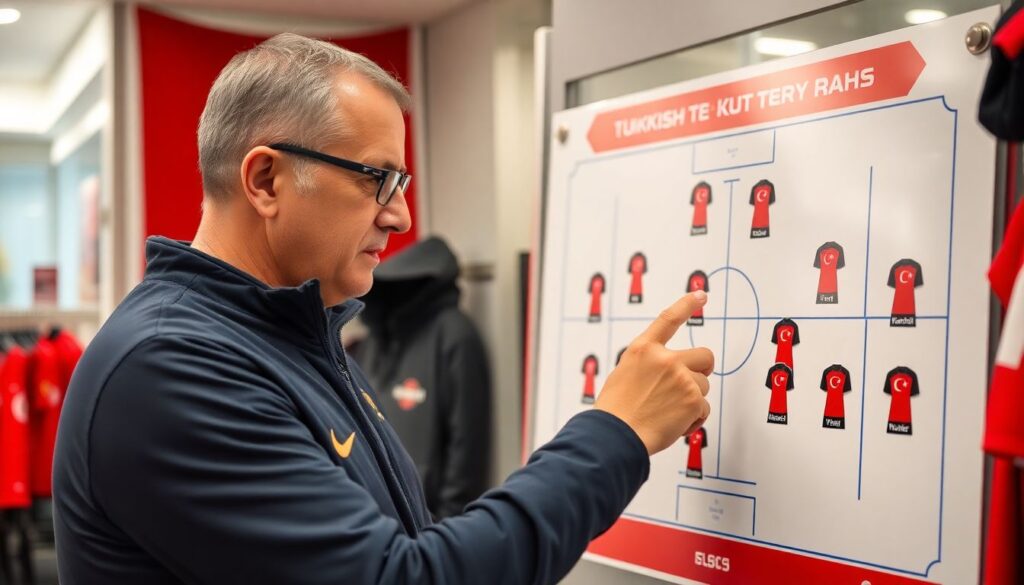
Turkey’s player pool shapes what is realistic at World Cup and EURO level. Building around strengths while honestly covering weaknesses is more important than chasing popular names, no matter how many Turkey national team jerseys World Cup EURO shop promotions you see before a tournament.
Where the Squad Profile Helps the Team
- Diverse attacking profiles – target forwards, mobile runners, and creative attacking midfielders allow multiple ways to hurt opponents.
- Strong emotional resilience – players often respond well to big atmospheres and can raise intensity in key moments.
- Full-backs comfortable advancing – many can overlap or underlap, creating width and crossing angles that suit a transition-based style.
- Goalkeepers with shot-stopping strength – valuable when the team faces long defensive phases against stronger sides.
Structural Gaps that Reappear Across Campaigns
- Limited depth of high-level holding midfielders – makes it hard to control tempo and protect transitions when the first-choice player is unavailable.
- Inconsistent ball‑playing center-backs – buildup can become predictable, forcing long balls under pressure instead of clean progression.
- Few natural press‑resistant midfielders – against intense pressing, Turkey can struggle to exit its own half with control.
- Uneven age profile – some cycles feature a big gap between veterans and young talents, with fewer players in their physical and tactical peak years.
Coaching, Preparation and In‑match Management – Practical Lessons
Coaches define whether Turkey’s natural strengths are organised or chaotic. Focusing on clear, practical habits matters more than complex tactical theory.
- Stabilise a core XI early
Avoid constant experimentation right up to the tournament. Decide a stable spine (goalkeeper, two center-backs, holding midfielder, main striker) in qualifying and keep them together whenever possible. - Train specific game states
Practice clear patterns for “leading late”, “chasing a goal” and “playing with ten men” so players know automatic behaviours instead of improvising under pressure. - Define pressing zones, not just slogans
Show players where to start the press (for example, only after the first backward pass) and who jumps first. Without this, pressing becomes emotion-driven and easy to bypass. - Use substitutions to fix structure, not just add attackers
When behind, replace tired runners and adjust midfield balance instead of simply adding more forwards and hoping for chaos. - Scenario-based video preparation
Focus pre‑match analysis on 4-5 clear clips: how the opponent builds, where they are weak on turnovers, which zones are safe to press, and how to defend their best set‑piece routine.
Contextual Factors: Injuries, Scheduling, Officiating and Federation Role
Beyond tactics and players, context often decides whether a campaign becomes a success story or a frustration, regardless of how many fans follow EURO 2024 Turkey matches live streaming or travel with Turkey World Cup 2026 qualifying tickets in their pocket.
Injury timing, disciplinary decisions, fixture congestion and the federation’s planning choices shape the environment in which the team operates. Even commercial aspects, like a late kit launch flooding every Turkey national team jerseys World Cup EURO shop and Turkey national football team merchandise online store, can become minor distractions if not handled calmly.
Mini-case: imagine a EURO group where Turkey loses two full‑backs to late injuries and begins the tournament with an improvised defensive line. The coach reacts by dropping the block deeper and asking wingers to track more. Ball progression suffers, possession drops, and second balls are lost. With better federation planning (deeper positional cover, earlier medical assessments, clearer communication), the same tactical model could survive one or two injuries without collapsing. This is the kind of practical, off‑pitch preparation that often separates solid tournaments from disappointing ones.
Concise Practical Answers on Turkey’s Tournament Approach
Why does Turkey look so different between some matches in the same tournament?
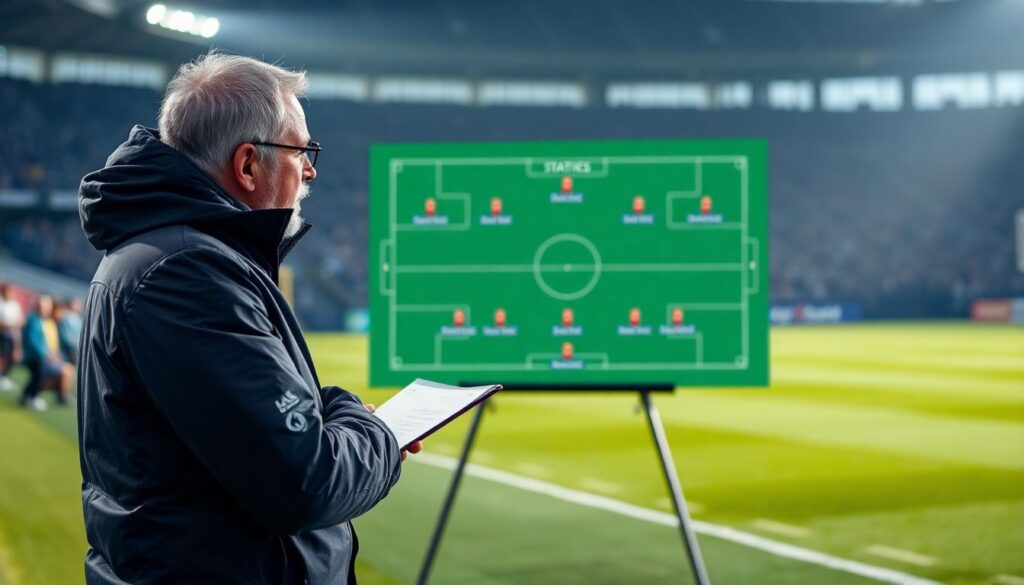
Because game plans and lineups are often changed too much based on the opponent or short-term emotion. When the same core XI and structure are trusted, Turkey usually looks more stable and consistent from game to game.
Is Turkey better suited to the World Cup or the EURO?
Turkey’s profile does not strongly favour one competition. Results mainly depend on squad cohesion, tactical clarity and injury luck in that specific cycle, not on the tournament label itself.
What tactical style gives Turkey the best chance at major tournaments?
A compact, organised defensive block combined with fast, well‑rehearsed transitions and targeted pressing triggers suits Turkey’s strengths. Trying to dominate possession for long periods often exposes structural weaknesses in midfield.
How should fans interpret betting odds before tournaments?
Use Turkey World Cup and EURO match predictions betting odds as a rough market view, not as a guarantee. Check whether the odds align with squad balance, recent tactical stability, and key injuries rather than just big names or emotional hype.
What can realistically improve before the next World Cup cycle?
Earlier definition of a core XI, more training time spent on specific game states, and smarter squad balance between creators and workers are realistic, high-impact changes before the next qualifiers.
Do commercial factors like kits, tickets and streaming affect on‑pitch results?
They only become a problem if they distract staff or players. Managed correctly, things like ticket sales, live streaming interest and merchandise demand simply reflect fan passion and do not directly change tactics or performance.
How can supporters positively influence Turkey’s tournament campaigns?
By keeping expectations grounded, avoiding extreme swings between praise and criticism, and backing long‑term tactical projects instead of demanding constant changes after each result.