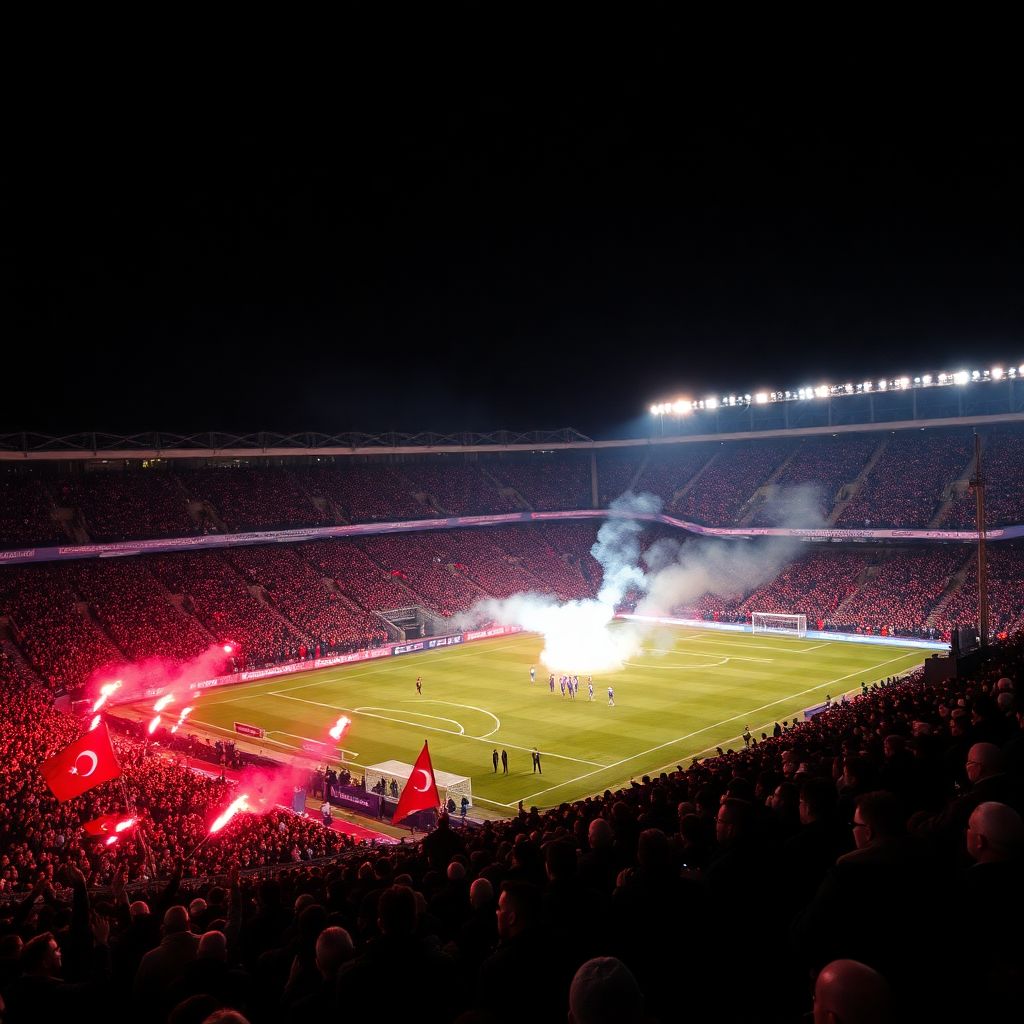
Classic rivalries in Turkish football shape the Süper Lig’s global image by combining intense local identity with carefully managed security, media rights, and branding. For visitors and new fans, the safest approach is to understand derby history, choose reputable ticket and streaming options, follow club and police guidance, and avoid high‑risk fan zones.
Myths and Realities of Turkish Football Rivalries
- Myth: All Turkish derbies are unsafe. Reality: Risk is concentrated in specific zones and moments; with basic precautions, most visitors experience organised and secure matchdays.
- Myth: Only Galatasaray and Fenerbahçe matter. Reality: Beşiktaş, Trabzonspor and emerging Anatolian clubs also shape the league’s story and global perception.
- Myth: Violence is the main selling point. Reality: Broadcasters, sponsors and the Turkish Football Federation market passion, choreography and history, not disorder.
- Myth: Buying turkish football derbies tickets on the street is normal. Reality: Official digital platforms and club channels are the only safe, legal options.
- Myth: Derbies scare off foreign players. Reality: Many recruits are attracted by full stadiums, global TV exposure and the chance to play decisive, high‑profile games.
- Myth: The league cannot control its image. Reality: Coordinated security plans, media guidelines and community projects have a direct impact on international reputation.
Historical Origins of the Big Derbies: Galatasaray, Fenerbahçe, Beşiktaş and Beyond
The term “classic rivalries in Turkish football” usually refers to Istanbul derbies involving Galatasaray, Fenerbahçe and Beşiktaş, with fixtures like Galatasaray vs Fenerbahçe symbolising more than a simple league match. These games are rooted in the early 20th century development of organised football in Istanbul’s multi‑ethnic, rapidly modernising society.
A common misconception is that the galatasaray vs fenerbahce rivalry history is only about hostility. In reality, it also reflects school ties, neighbourhood pride, and different paths into modern Turkish identity. Galatasaray’s origins are linked to an elite high school, Fenerbahçe to a more local Kadıköy base, while Beşiktaş grew from a broader community sports tradition.
Over time, these rivalries expanded beyond Istanbul. Matches against clubs like Trabzonspor, Bursaspor or Ankara sides added regional layers, but the “Big Three” derbies remained the primary reference point for international media. When people abroad search for the best turkish super lig matches to watch, they usually end up looking at these classic clashes first.
Beyond sporting success, the big derbies became rituals that mark the football calendar, anchor broadcast schedules, and drive tourism. Fans travel specifically for these fixtures, planning trips around stadium tours, museum visits and shopping for turkish super lig merchandise galatasaray fenerbahce besiktas in club stores and city malls.
Sociopolitical Underpinnings: Class, Geography and Identity in Rivalries
The myth says Turkish derbies are “only football” and have nothing to do with class or geography. In practice, rivalries mirror social lines while changing with time. Understanding these layers helps fans and organisers keep passion inside healthy boundaries.
- Class and education background – Historically, Galatasaray was associated with elites and graduates of Galatasaray High School, while Fenerbahçe and Beşiktaş were often seen as more grounded in local neighbourhoods. Today these borders are blurred, but the old labels still appear in chants and media stories.
- Asian vs European sides of Istanbul – The Fenerbahçe-Galatasaray divide is frequently simplified as “Asia vs Europe” within the same city. This geographic identity adds colour and pride, but can also encourage “us versus them” narratives if not balanced by messages of shared civic identity.
- Political symbolism without party ownership – Fans may display political messages, yet no big club officially belongs to a single party or ideology. League authorities and clubs try to keep stadiums focused on football to reduce tension and avoid sanctions from international bodies.
- Regional pride outside Istanbul – When Anatolian clubs face the big Istanbul teams, matches can symbolise centre vs periphery. This dynamic attracts regional audiences but also requires careful policing of language in local and national media.
- Ethnic and cultural diversity – Turkish football terraces include many ethnic and cultural backgrounds. Club narratives that emphasise inclusiveness, anti‑discrimination campaigns and family‑friendly stands are crucial for a positive global image.
- Digital fan identities – Social media enables fans abroad to choose Turkish clubs based on style, stars or city aesthetics rather than traditional social divides. This diluted some historical class markers but amplified online rivalry rhetoric, which clubs and the league monitor for hate speech.
Matchday Dynamics: Fan Culture, Security and Stadium Atmosphere
One myth is that derby day chaos is random and uncontrollable. In reality, matchday dynamics follow predictable patterns, with detailed planning by clubs, police and safety officers. Visitors who respect local rules and guidance usually enjoy intense but controlled atmospheres.
- Pre‑match build‑up and meeting points – Supporters gather hours before kick‑off in designated squares, fan parks or around stadiums. Authorities direct home and away fans along separate routes when needed, reducing flashpoints. As a neutral visitor, it is safer to avoid hardcore ultra gathering points and arrive a bit earlier.
- Ticketing and digital ID systems – turkish football derbies tickets are increasingly sold through centralised, digital platforms that link seats to personal IDs. This creates accountability, helps enforce bans and reduces resale abuse, but limits last‑minute, anonymous entry and can feel restrictive to casual tourists.
- Stadium access and searches – Security checks typically involve bag inspections, metal detectors and restrictions on objects like lighters, umbrellas or large flags. These measures protect fans and also reassure international broadcasters concerned about safety standards.
- In‑stadium fan culture – Choreographies, coordinated chants and drums create the famous derby noise. Safe behaviour means respecting blocked‑off sections, not moving into rival sectors and following stewards’ instructions, even if local fans appear more relaxed about rules.
- Post‑match exit strategies – To prevent clashes, police may hold visiting fans inside for a short time after the final whistle or close certain streets. For away or neutral supporters, planning your return transport accordingly is one of the most important safe steps.
- Broadcast‑driven scheduling – Kick‑off times are set in coordination with TV partners and security units, often avoiding very late night slots for high‑risk games. This compromise supports global audiences while giving local authorities better control of crowds.
Commercialization and Broadcast: How Derbies Drive Revenue and Rights Value
A frequent myth is that broadcasters and sponsors “love” any kind of controversy because it means attention. In practice, media companies want intense but predictable events. Uncontrolled disorder threatens contracts, advertising slots and international distribution.
From a business point of view, classic rivalries are key engines of the league economy. They boost demand for subscriptions, turkish super lig merchandise galatasaray fenerbahce besiktas, hospitality packages and international tours. At the same time, too much dependence on derbies can hide structural problems like uneven revenue distribution or weaker interest in non‑derby fixtures.
Commercial and image advantages of strong rivalries
- Derbies attract peak domestic and international audiences, which raises the value of broadcast packages and makes it easier to negotiate long‑term TV deals.
- Global curiosity about where to watch turkish super lig live streaming pushes legal platforms to improve language options, apps and reliability.
- Clubs sell premium matchday experiences, museum tickets and branded tours around derby weekends, linking tourism and football.
- Merchandise and licensing lines expand, with special‑edition scarves, shirts and documentary content built around rivalry narratives.
- Social media engagement spikes during derby weeks, giving sponsors higher visibility and measurable campaign results.
Structural limits and risk factors to manage
- Over‑focusing schedules and marketing on big derbies can make regular league games look unimportant, reducing total season engagement.
- Negative incidents in a single match can quickly circulate worldwide, harming the brand more than any short‑term attention helps.
- Ticket price inflation for derby games may exclude families and younger fans, pushing them towards illegal streams and grey‑market resale.
- Rivalry‑driven pressure on referees and players can feed conspiracy theories, challenging the league’s integrity narrative.
- Dependence on a few fixtures makes revenue more vulnerable if those clubs underperform or face stadium closures and sanctions.
Global Media Frame: International Narratives and Their Effects on Recruitment
Outside observers often believe foreign players avoid Turkey because of “crazy fans”. Yet many sign specifically to experience big nights under floodlights in front of loud crowds, as long as they trust the league’s professionalism and safety culture.
- “Danger league” stereotype – Some outlets highlight isolated incidents, ignoring long stretches of well‑managed games. Persistent alarmist framing can worry families of players and staff, so the league invests in transparent communication, multilingual safety briefings and emphasising positive fan stories.
- Underestimating tactical and technical level – When derbies are sold only as emotional battles, scouts and players abroad may underrate the Süper Lig’s quality. Balanced coverage that shows coaching ideas, youth development and European performances attracts a wider recruitment pool.
- Over‑romanticised “ultra culture” – Documentaries sometimes glorify extreme behaviour as pure authenticity. This can inspire copycat actions and obscure ongoing work on inclusion, women’s attendance and family sections.
- Transfer decisions shaped by broadcast reach – Players and agents look at guaranteed TV exposure and social media buzz. Clear information about international carriers and where to watch turkish super lig live streaming supports recruitment by showing that performances will be visible at home.
- Language and cultural adaptation support – Clubs that help newcomers understand local rivalry codes, safe routes, and social media etiquette reduce off‑pitch stress, making the league more attractive in a competitive global market.
Managing Reputation: League Strategies to Leverage Rivalries Without Damaging Image
The most persistent myth is that intense rivalries and a clean global image cannot coexist. In practice, Turkish football authorities try to keep emotion high while using rules, communication and infrastructure to limit risk. Safe steps and clearly defined limits are central to this balance.
A simplified “playbook” for the Turkish Football Federation and Süper Lig clubs can be imagined as a sequence of protective layers:
- Pre‑season planning – Map the calendar to spread high‑risk games, coordinate with local authorities, and align TV slots with security needs. Update safety protocols and fan codes of conduct, publishing them in Turkish and English.
- Controlled ticketing policy – Sell turkish football derbies tickets primarily through official digital channels, restricting away allocations when necessary, and enforcing name‑based entry while explaining the reasons clearly to fans and tourists.
- Integrated matchday command – Operate joint control rooms with police, stewards, medical teams and club representatives. Use CCTV and real‑time data to adjust entry points, fan routes and public transport advice.
- Proactive media strategy – Brief commentators and international partners on local context, derby history and current safety arrangements. Provide ready‑to‑use information packs on galatasaray vs fenerbahce rivalry history and other big games that emphasise culture over conflict.
- Post‑match review and sanctions – Analyse incidents quickly, publish disciplinary decisions with explanations, and reward positive initiatives like mixed‑fan events or community projects around derbies.
- Fan education and inclusion – Support school programmes, fan liaison officers and multilingual digital guides that explain safe behaviour, emergency contacts and respectful rivalry norms to locals and visitors.
For individual fans, the safest approach combines basic precautions (official tickets, reputable transport, avoiding risky gatherings) with an understanding of local sensitivities. This allows them to enjoy the best turkish super lig matches to watch live, contribute to a positive atmosphere, and help strengthen-rather than damage-the league’s global reputation.
Common Misconceptions about Turkish Derbies
Are Turkish football derbies always dangerous for foreign visitors?
No. Derby days are carefully planned with visible police, stewards and controlled access. Risk is higher around hardcore fan groups and unofficial gatherings, but visitors who buy official tickets, follow club guidance and avoid provocation usually experience intense yet safe matchdays.
Is it safe to buy turkish football derbies tickets from street sellers?
No. Street resale can involve counterfeit or cancelled tickets and may link you to banned supporters. Use only official club channels, federation‑approved platforms or trusted partners recommended on club or league websites.
Do Galatasaray, Fenerbahçe and Beşiktaş encourage hostility to protect their image?
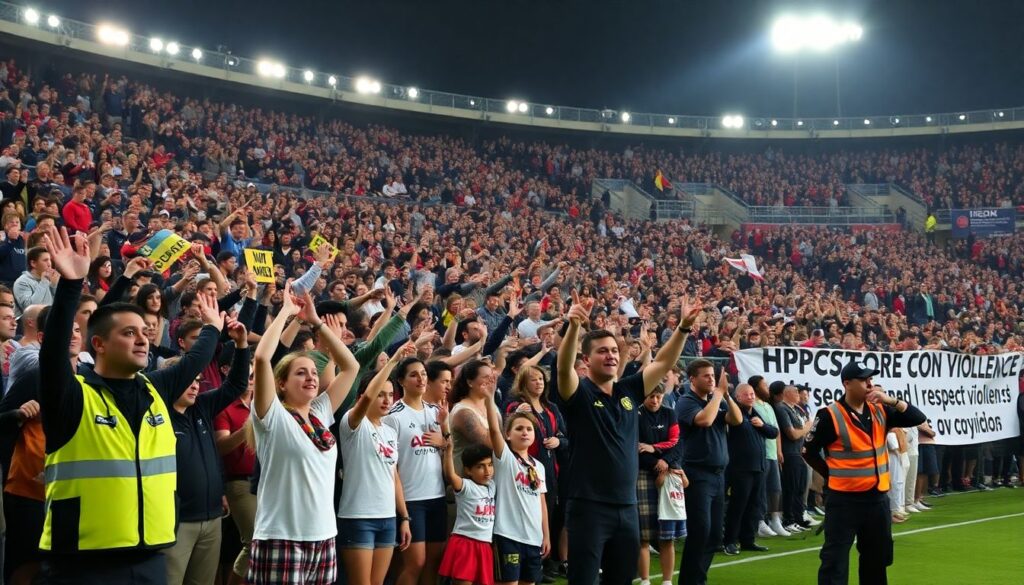
No. Clubs promote passion and loyalty but risk fines and stadium closures if violence occurs. They work with authorities on campaigns for respect, family attendance and controlled choreography, because long‑term reputation matters more than short‑term extreme behaviour.
Are non‑derby games in Turkey boring compared with big rivalries?
Not at all. Many smaller fixtures have strong local stories and can be more relaxed and accessible for newcomers. They often provide a safer first stadium experience before attending the biggest derbies.
Is the galatasaray vs fenerbahce rivalry history only about politics and conflict?
No. It also involves school networks, neighbourhood identity, legendary players and shared memories. Understanding this broader background helps neutral observers see the rivalry as cultural heritage rather than simple animosity.
Will I struggle to find where to watch turkish super lig live streaming abroad?
In many regions, official rights holders provide legal streaming or TV coverage. Check the Süper Lig or club websites for updated lists of international partners instead of relying on unlicensed sources.
Does buying turkish super lig merchandise galatasaray fenerbahce besiktas signal support for fan violence?
No. Official merchandise supports clubs’ professional operations and community projects. Violence is rejected by clubs, sponsors and most supporters; shirts and scarves are symbols of sporting identity, not approval of disorder.
Комментарии