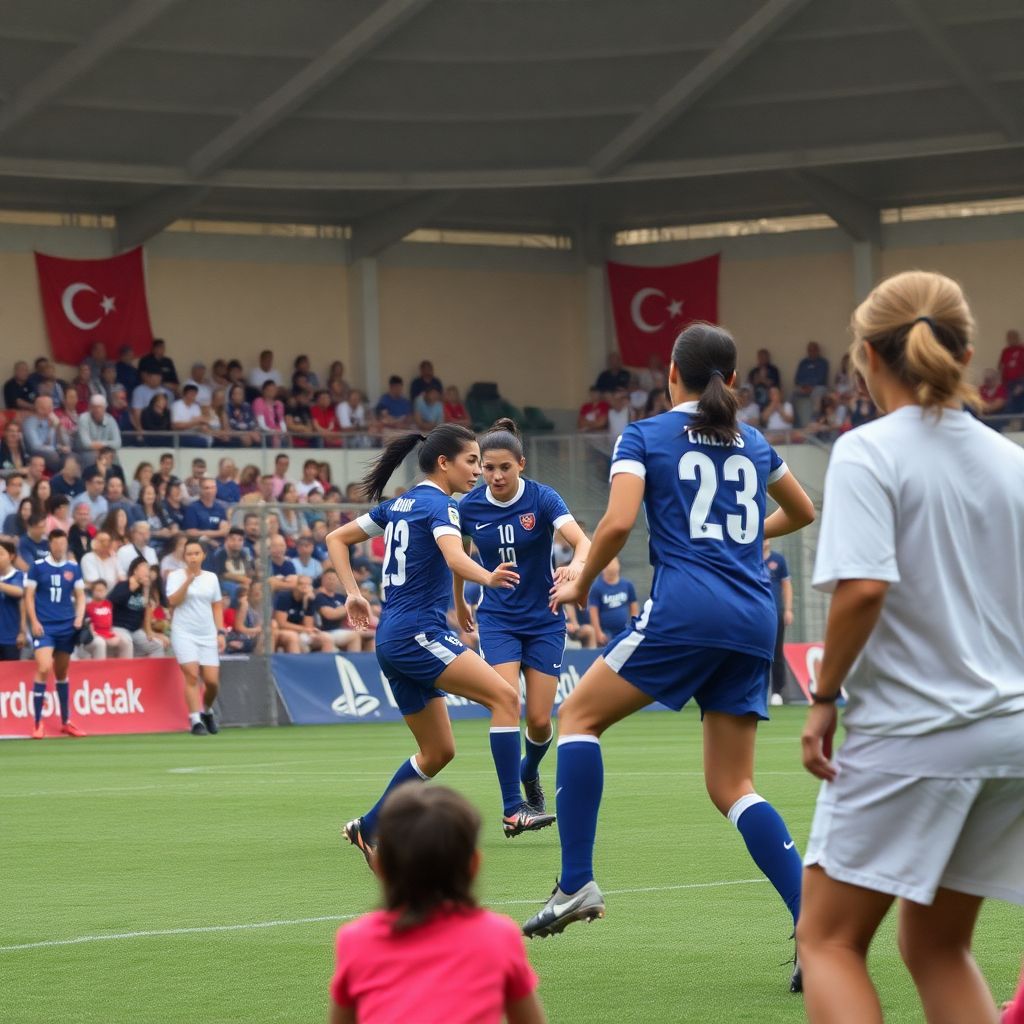
Women’s football in Turkey is a growing but under-resourced ecosystem: the top division, emerging academies and national team progress signal momentum, yet structural funding gaps, cultural barriers and limited visibility still hold the game back. If stakeholders align long-term investment, governance and grassroots support, growth can accelerate sustainably.
Snapshot: The State of Women’s Football in Turkey
- The women's football Turkey league structure is now clearer, with a top tier and lower divisions feeding talent upward.
- Clubs and local governments are slowly investing, but funding and facilities still lag far behind men's football.
- Interest in turkish women's super league tickets and matchday experiences is rising, especially in big cities.
- Women's football academies in Turkey are emerging, yet pathways from school to elite levels remain inconsistent.
- Media attention and national team results help more fans watch women's football live in Turkey, mostly via TV and streaming.
- Brands are exploring sponsorship opportunities women's football Turkey, but many deals are short-term and tactical.
Common Myths About Women’s Football in Turkey
Women’s football in Turkey refers to the organised ecosystem of girls’ and women’s competitions, from grassroots school and community teams through regional leagues, the top national division and the women’s national team. It includes coaching, refereeing, administration, academies, fan culture and commercial activity around the game.
Several persistent myths narrow how this ecosystem is perceived and funded. One myth claims there is “no real interest”, even though crowds, social engagement and demand for turkish women's super league tickets have clearly grown in major cities. Another myth suggests women’s football is automatically a financial burden, ignoring low operating costs, community impact and long-term brand value.
A third myth is that women’s football is “just an amateur hobby”, while in reality many players train in semi-professional environments that demand full commitment. Finally, the idea that women’s football is the same as men’s but “slower” misreads the sport: tactical patterns, technical demands and audience expectations can differ, which creates distinct sponsorship and fan engagement opportunities.
If decision-makers treat these myths as facts, then they underinvest and under-promote women’s football, which becomes a self-fulfilling prophecy. If they instead see women’s football as a differentiated, community-rooted product, then new models of attendance, content and sponsorship become viable.
Historical Development and Governance Landscape
- If you look at origins, then you see women’s teams initially formed informally around clubs, universities and communities before gaining recognition from the Turkish Football Federation (TFF).
- If you focus on federation governance, then women’s football sits under TFF structures that set competition formats, club licensing and basic regulations for the women’s football Turkey league.
- If you examine club involvement, then men’s professional clubs affiliating women’s sections have become crucial to providing facilities, visibility and organisational support.
- If you track regional associations, then they play a gatekeeping role in approving local leagues, referees and youth tournaments for girls.
- If you consider national team development, then coaching appointments, scouting and age-group squads reflect how seriously the federation treats long-term women’s football strategy.
- If governance remains largely reactive instead of strategic, then structural problems-short seasons, uneven competition, limited youth leagues-remain unresolved.
League Structure, Clubs, Talent Pathways and Academies
The current women’s football Turkey league system is built around a top division and supporting lower tiers. Promotion and relegation create movement between levels, while cup competitions add knockout matches and visibility. Club licensing rules aim to ensure minimum standards of facilities and organisation.
If you are a fan, then you usually encounter the ecosystem through three channels: buying turkish women's super league tickets, following big-club women’s teams online, or trying to watch women's football live in Turkey through TV, streaming or local matches. Each of these touchpoints shapes perceptions of quality and professionalism.
On the player side, typical pathways include: school or community football, regional youth leagues, women's football academies in Turkey linked to professional clubs, then first-team debuts in senior leagues. However, these steps are not yet consistent nationwide and often depend on big-city infrastructure.
If clubs invest in structured academies with clear criteria and women-specific coaching expertise, then more girls can progress from grassroots to elite. If academies remain informal or mixed in with boys without tailored support, then many promising players drop out during teenage years.
Clubs, private academies and municipalities also influence pathways by providing pitches, indoor spaces for winter training, and transport. If these stakeholders coordinate schedules and facility access, then they create local “football corridors” that support both studies and sport.
Financial, Social and Cultural Barriers to Participation
Barriers operate simultaneously at financial, social and cultural levels. Identifying each layer helps clubs, policy makers and sponsors design targeted interventions instead of generic, one-size-fits-all campaigns.
Structural strengths and emerging advantages
- If existing men’s clubs add women’s teams, then they can reuse stadiums, training centres, medical staff and marketing channels at relatively low marginal cost.
- If municipalities provide free or low-cost pitch access for girls’ teams, then community clubs can survive even with limited sponsorship.
- If brands use sponsorship opportunities women's football Turkey to reach families and young women, then they can position themselves as progressive and community-oriented.
- If national and local TV channels show women’s matches, then visibility normalises women playing football and inspires participation.
- If role models from the national team visit schools and academies, then parents are more likely to support daughters who want to play.
Limitations, risks and ongoing obstacles
- If player contracts, insurance and medical support remain weak, then injuries or life events push many women out of football early.
- If social norms discourage girls from playing sport in public, then talent pools shrink outside a few urban centres.
- If match scheduling conflicts with education or work, then semi-professional players struggle to balance income and football commitments.
- If media coverage only highlights a few big-club derbies, then smaller teams and regions are left invisible and underfunded.
- If sponsors treat women’s football as a short-term PR project, then financial planning for clubs and leagues stays unstable.
Recent Progress: Media Coverage, National Team and Grassroots Momentum
Discussions about women’s football in Turkey increasingly focus on success stories, yet some misunderstandings about recent progress remain. Clarifying them helps stakeholders avoid repeating old mistakes in new packaging.
- If people assume media now “covers everything”, then they overlook gaps in regional and youth coverage; highlight matches are not the same as sustained storytelling.
- If clubs believe the national team’s improvements will automatically fill stadiums, then they underestimate the work needed around community engagement and ticket pricing.
- If organisers think that a few televised games are enough to help more fans watch women's football live in Turkey, then they miss opportunities for fan experiences at smaller local venues.
- If grassroots initiatives are seen as “charity projects”, then they are not integrated into official scouting and academy structures, wasting potential talent.
- If academies assume that creating elite squads alone will solve everything, then they underinvest in coach education, parent communication and safe environments for girls.
- If stakeholders measure progress only through the top league, then they ignore school competitions, university leagues and informal community projects that feed the system.
Actionable Strategies for Sustainable Growth and Investment
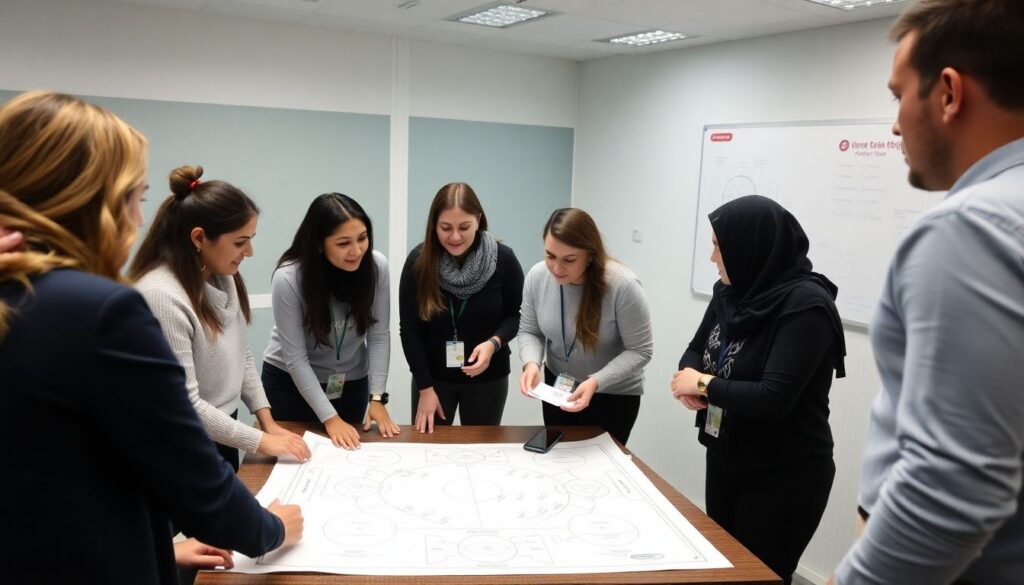
Effective strategy for women’s football in Turkey depends on conditional decision-making: understanding what to do in specific situations rather than following generic advice. The following if-then recommendations help clubs, policy makers, coaches and sponsors prioritise actions.
If you manage a professional or semi-professional club
- If your men’s club already has strong infrastructure, then add or strengthen a women’s section that trains at the same facilities with dedicated staff and marketing.
- If your budget is limited, then start by integrating women’s branding into existing social media, merchandising and matchday experiences to build visibility at low cost.
- If local interest in turkish women's super league tickets is uncertain, then pilot family-friendly matchdays with community outreach and reduced pricing to test demand.
- If you want sustainable squads, then formalise pathways from local schools and women's football academies in Turkey instead of relying only on short-term transfers.
If you are a policy maker or work in local government
- If your municipality operates sports facilities, then reserve regular pitch time specifically for girls’ and women’s teams, especially at peak hours, not only in leftover slots.
- If your region lacks organised girls’ leagues, then coordinate schools, clubs and regional associations to create age-based competitions with simple, low-cost formats.
- If you invest in social projects, then integrate women’s football into community programmes for health, education and inclusion rather than treating it as a separate niche.
- If national regulations are flexible, then advocate for stronger minimum standards in the women’s football Turkey league on medical care, travel and player welfare.
If you coach or run an academy
- If you coach mixed or boys’ teams as well, then adapt training loads and communication styles for girls instead of copy-pasting sessions designed for different groups.
- If parents are hesitant, then organise open days, meetings and sample training sessions that explain safety, education balance and long-term benefits.
- If your academy aims to feed professional clubs, then track each player’s progress with clear benchmarks and share structured reports with partner clubs.
- If you lack resources, then create partnerships with schools and municipalities to share pitches, gyms and transportation.
If you are a brand or potential sponsor
- If your brand wants authentic community engagement, then support local clubs and tournaments rather than only buying visibility at one or two headline games.
- If you evaluate sponsorship opportunities women's football Turkey mainly by short-term TV ratings, then you risk missing long-term loyalty among young fans and families.
- If your marketing strategy targets women and Gen Z, then co-create content with players, coaches and fans-behind-the-scenes, educational and inspirational stories.
- If you require clear impact metrics, then build agreements around participation numbers, grassroots events and social engagement, not just match attendance.
Mini case-style illustration
If a mid-table club in a provincial city wants to grow sustainably, then it can follow a simple sequence:
- If the club has one available training pitch three evenings per week, then reserve at least one evening fully for the women’s team and a girls’ academy group.
- If local schools show interest, then sign cooperation protocols: schools provide players and promotion; the club offers coaching, kits and pitch access.
- If sponsors are unsure, then invite them to a “community football day” where they see participation, families and local media together.
- If attendance is low at first-team women’s matches, then schedule double-headers: a women’s match before a men’s game, with combined or free entry for early arrivals.
- If these steps show growth in participation and visibility within a season, then the club can justify a modest budget increase for the women’s department and negotiate longer-term sponsorships.
Practical Answers for Clubs, Policy Makers and Coaches
How can a small club start a women’s team with minimal budget?
Start by reusing existing facilities, kits and staff. If you cannot pay salaries, then offer structured training, insurance and travel support. Partner with schools to recruit players and use shared pitches. Focus first on a stable training schedule and entry into local competitions.
What is the most effective first step for a municipality that wants to support women’s football?
Guarantee regular, high-quality pitch access for girls’ and women’s teams. If facilities are already crowded, then prioritise training slots that are safe and accessible for young players. Combine this with support for local tournaments and school leagues.
How should an academy design a pathway from beginners to elite level?
Create age-based groups with clear criteria for progression. If a player shows advanced potential, then provide extra technical sessions and connect her with partner clubs in higher leagues. Ensure that education support and communication with parents remain strong at every stage.
What can coaches do to keep teenage girls from dropping out?
Listen to their specific pressures around school, exams and social life. If scheduling is rigid, then adjust training times during exam periods. Provide female role models, safe environments and clear goals so football feels compatible with their wider lives.
How can sponsors measure the impact of supporting women’s football?

Agree on metrics in advance: participation numbers, local event attendance, social media reach and brand perception surveys. If the focus is long-term, then track how awareness and engagement grow over multiple seasons rather than only one campaign.
How can fans better support women’s football in Turkey?
Attend matches when possible, including lower-division games, and promote them among friends. If you cannot travel, then watch women's football live in Turkey via official broadcasts or streams and interact with club and player content on social media to boost visibility.
What role does the national team play in domestic league growth?
Strong national team performances act as a showcase. If the federation and clubs connect national team success to domestic storytelling-featuring league players, academies and local clubs-then interest in the women’s football Turkey league and youth participation can grow together.
Комментарии