
Moving from a Turkish academy to the top five European leagues demands early planning, the right support team, and patient timing. Focus on language, dual nationality or work-permit strategy, and a realistic path: smaller clubs first, then step up. Build video, data, and mentality profiles that scouts can quickly trust.
High-Level Lessons from Turkish Exports
- Most sustainable moves come after regular minutes in Turkey, not only youth hype about top Turkish wonderkids playing in Europe.
- Clarity on position and playing style helps clubs compare you with existing Turkish football talents in top European leagues.
- Agents, family, and mentors must push for development-focused clubs, not just the biggest transfer news Turkish players to top 5 European leagues.
- Players who adapt tactically and linguistically integrate faster and become the best Turkish players in Premier League La Liga Bundesliga Serie A Ligue 1.
- Long-term success depends on resilience and smart decisions, as shown in many Turkish football academy to European clubs success stories.
Pathways from Turkish Academies to Europe’s Elite
For ambitious young players, the realistic path from Turkish academies to Europe usually follows three stages: consistent games in Turkish youth or reserve football, minutes in professional leagues (Süper Lig or 1. Lig), then a move to a club that will actually play you, not only market you.
- Who this path suits
- Academy players aged roughly 15-20 who already dominate at their local level.
- Pros with some first-team minutes, aiming at a step to smaller clubs in the top five leagues.
- Late bloomers prepared to move to B teams or feeder clubs and fight up the ladder.
- When a move to Europe makes sense
- You are a clear starter in your age group and influence games regularly.
- Coaches and opposition staff notice you and you receive repeated scouting interest.
- Your physical, technical and mental level is ready for higher-intensity environments.
- When not to push for Europe yet
- If you are still a rotation player in your own academy or U19 side.
- If basic physical qualities (speed, strength, endurance) are clearly below your peers.
- If you have no consistent match video from competitive games to show to scouts.
- If you and your family are not yet ready for living abroad with limited playing guarantees.
- Safer alternative routes
- First secure a loan or transfer to strong Turkish clubs where you can start regularly.
- Use European youth tournaments and national teams as a showcase without changing clubs too early.
- Target leagues with easier work permits before aiming at England or other stricter destinations.
Scouting, Transfer Timing and Contract Moves that Paid Off
Successful Turkish exports usually combine visibility, good legal planning, and calm contract strategy. Instead of chasing headlines, they build a clear profile, protect their freedom to move, and choose clubs that need their exact skill set.
- Visibility and scouting basics
- Play regularly in competitions watched by international scouts (U19 elite leagues, Süper Lig, youth national teams).
- Compile match clips that show repeated actions in your position, not only highlights.
- Keep performance data (minutes, positions, roles) organised so agents can send quick dossiers.
- Smart contract decisions
- Avoid extremely long contracts at clubs where your path to the first team is blocked.
- Include realistic release clauses and clear bonus structures rather than verbal promises.
- Clarify loan options: possibility of going abroad, recall clauses, and minimum playing-time expectations.
- Transfer timing patterns
- Move after a complete season of regular minutes, not just a few good games.
- Consider mid-table or developing clubs in big leagues where you can play, not only top brands.
- Align transfer windows with U21 or senior national-team games to increase visibility.
- Choosing the right league for your profile
- Technical playmakers often thrive in Serie A or La Liga, where structure and ball circulation are key.
- Explosive wingers and box-to-box midfielders can suit the Premier League or Bundesliga intensity.
- Players needing time on the ball and tactical schooling may benefit from Ligue 1 first.
Technical and Tactical Adjustments across the Big Five Leagues
Before copying the path of Turkish football talents in top European leagues, prepare for very different styles. Use this preparation checklist to minimise risk.
- Clarify your main position and two secondary roles with your coach.
- Start language learning for likely destinations (English, German, Italian, Spanish, or French).
- Build a physical base with a trusted conditioning coach, focused on injury prevention.
- Analyse 3-5 full games from your target league in your position.
- Agree with your agent on realistic league and club profiles, not only dream clubs.
- Understand league-specific demands
Watch full games, not highlights, from each target league. Focus on your position: distances, speed of play, pressure intensity, and how often players sprint or change direction.- Premier League: transitions, duels, aerial battles.
- La Liga: positional play, first touch, combinations under pressure.
- Bundesliga: pressing triggers, counter-pressing, vertical runs.
- Serie A: compact blocks, tactical discipline, timing of movements.
- Ligue 1: physical duels, pace, 1v1 defending and attacking.
- Raise technical consistency under pressure
Train to execute basic actions faster and more reliably: first touch, passing on the move, finishing with both feet.- Add time or touch limits in drills to simulate European match tempo.
- Include position-specific patterns (e.g., overlapping runs, cut-backs, switches of play).
- Record sessions and evaluate your decision speed with a coach.
- Adapt your tactical understanding
Learn to play in at least two systems (for example, 4-3-3 and 3-4-3) and understand your role in and out of possession.- Map your key zones on the pitch and your responsibilities there.
- Study video of European players in your role and copy their positioning habits.
- Practice communication words in the local language for basic instructions.
- Upgrade physical robustness safely
Work with qualified staff to build strength, speed and endurance suitable for the top five leagues while avoiding overload.- Emphasise core strength, hip stability, and hamstring resilience.
- Track training load and sleep to prevent overtraining before big moves.
- Schedule rest weeks around trials or intense scouting periods.
- Prepare mentally for competition and setbacks
In Europe you may start as a rotation or bench player. Plan how you will react and grow.- Set process goals (training intensity, analysis routines) beyond match selection.
- Practice simple breathing and reset techniques for stressful moments.
- Agree on a feedback routine with coaches: when and how you will receive honest evaluations.
- Plan the first 90 days at a new club
Design a simple routine for the first three months abroad to speed up adaptation.- Daily habits: language practice, recovery, tactical review.
- Weekly habits: extra technical sessions, position-specific video, calls with mentor.
- Boundaries: sleep schedule, social media use, and visits back home.
Case Studies: Breakthroughs, Setbacks and Career Inflection Points
Case 1: Early move to a mid-table Bundesliga club
Background: A Turkish academy winger dominates U19 level and receives interest from several countries.
Key decision: Chooses a mid-table Bundesliga side known for developing young attackers instead of a giant club bench.
Outcome: After one adaptation season in the reserve team, he breaks into the first team.
- Checklist:
- Did he choose a league matching his physical and running strengths?
- Did the club have a recent record of playing young wingers?
- Was there a clear path from reserves to first team?
- Did he arrive fit and ready for high-intensity pressing?
- Did his agent secure honest communication about playing-time expectations?
Case 2: Patience in Turkey, then step to Serie A
Background: A central midfielder stays in Turkey until he becomes a regular in the Süper Lig.
Key decision: Rejects early offers from big-name clubs where he might not play, and waits for a Serie A team needing a deep-lying playmaker.
Outcome: Arrives as a starter-level signing and grows steadily.
- Checklist:
- Did he collect full seasons of consistent minutes before moving?
- Was his passing and tactical profile ideal for Serie A football?
- Did the new coach explain his role clearly before the transfer?
- Was support arranged for language and daily life routines?
- Was the contract length balanced: secure yet flexible for future steps?
Case 3: Setback after rushing to a Premier League giant
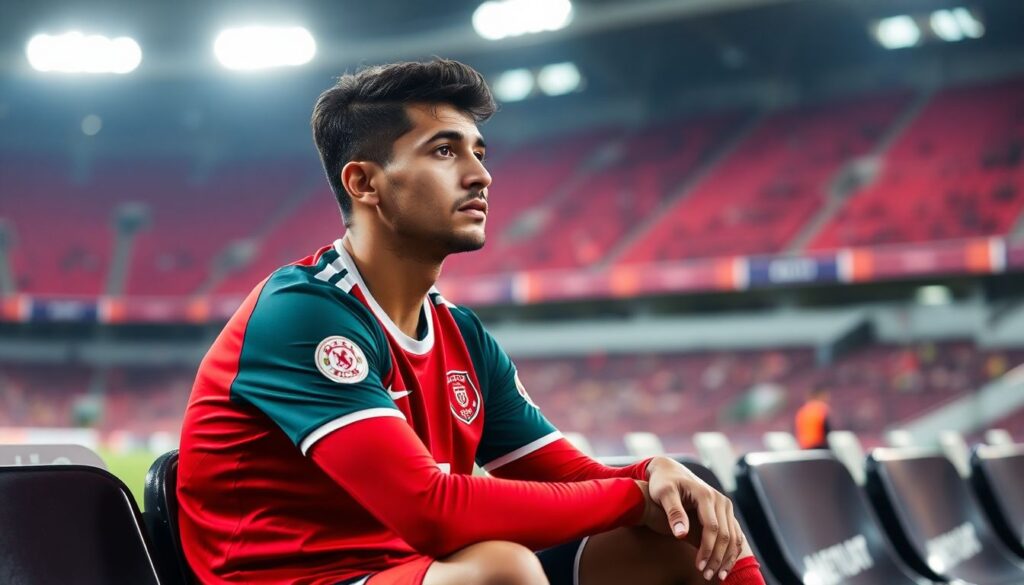
Background: A talented forward is labelled among the top Turkish wonderkids playing in Europe after youth tournaments.
Key decision: Signs for a Premier League giant’s academy without a clear pathway to the first team.
Outcome: Faces limited minutes, multiple loans, and a delayed senior breakthrough.
- Checklist:
- Was the decision driven more by brand and money than playing-time reality?
- Did he or his advisors seriously compare mid-table options with better chances to play?
- Did loan clubs match his style, or were they random short-term moves?
- Was there a back-up plan to re-start his career in another league?
- Did he maintain training standards and mental resilience during setbacks?
Support Structures: Agents, Mentors, Family and Club Integration
- Relying on unlicensed or inexperienced agents
Choosing representation based on personal connections alone can lead to poor contracts and unrealistic promises. - Ignoring family readiness and practical life abroad
Moving without planning housing, education, or emotional support often damages on-pitch performance. - Lack of clear communication roles
When multiple people speak for the player (parents, different agents, friends), clubs lose trust and deals collapse. - Underestimating cultural and language adaptation
Arriving without any language basics slows integration in the dressing room and with staff. - No independent mentor or performance advisor
Without a neutral mentor, players can overreact to short-term praise or criticism and make rushed career moves. - Poor social media and public-image management
Uncontrolled posts, comments, or leaks during negotiations can damage relationships with clubs and supporters.
Measuring Success: Performance Metrics, Market Value and Longevity
Not every successful path ends in the very biggest clubs. There are safer and more realistic alternatives that still count as strong European careers.
- Stable starter in a mid-level European club
Becoming a long-term key player in mid-table teams across the top five leagues can be more valuable than sitting on the bench at a superclub. - Step-by-step climb through smaller European leagues
Starting in less pressured environments and then moving towards bigger leagues may suit players needing time to adapt physically or tactically. - Hybrid career between Turkey and Europe
Alternating between strong Turkish clubs and European stints can work for players whose best form appears close to home. - Role-model status and national-team impact
Using your European experience to lead the national team or mentor younger players is another way to measure success beyond transfers and fees.
Practical Answers to Common Transition Challenges
How early should a Turkish academy player think about moving to Europe?
Start preparing from around mid-teen years with language, video, and physical basics, but avoid rushing. Serious transfer decisions usually make sense only once you dominate your age group and start training or playing with professional squads.
Is it better to join a big club’s academy or a smaller first team in Europe?
For most players, a smaller first team with real playing opportunities is safer than a big-name academy without pathways. Evaluate recent examples of youngsters in your position: who actually played, and where?
Which European league fits Turkish players best?
There is no single best league. Choose based on your profile: technical and tactical midfielders may suit Serie A or La Liga; powerful, direct players may fit the Premier League or Bundesliga; those needing space and time can grow in Ligue 1.
How can my family support a move without causing conflicts with the club or agent?
Agree on clear roles: the family focuses on education, housing and emotional support, while a licensed agent handles negotiations. Keep communication with clubs centralised through one main contact to avoid mixed messages.
What if I move to Europe and don’t get playing time?
First, analyse the reasons with coaches: tactical fit, physical level, or adaptation issues. Then create a clear plan: extra work, possible loans, or a future transfer to a club that needs your profile.
How risky is it to chase only transfer news and big-name moves?
Focusing on headlines instead of development can trap you on benches or in unsuitable leagues. Prioritise stable environments, good coaching, and minutes; the right transfer news Turkish players to top 5 European leagues should be a result, not the main goal.
Do I need a personal trainer or analyst before moving abroad?
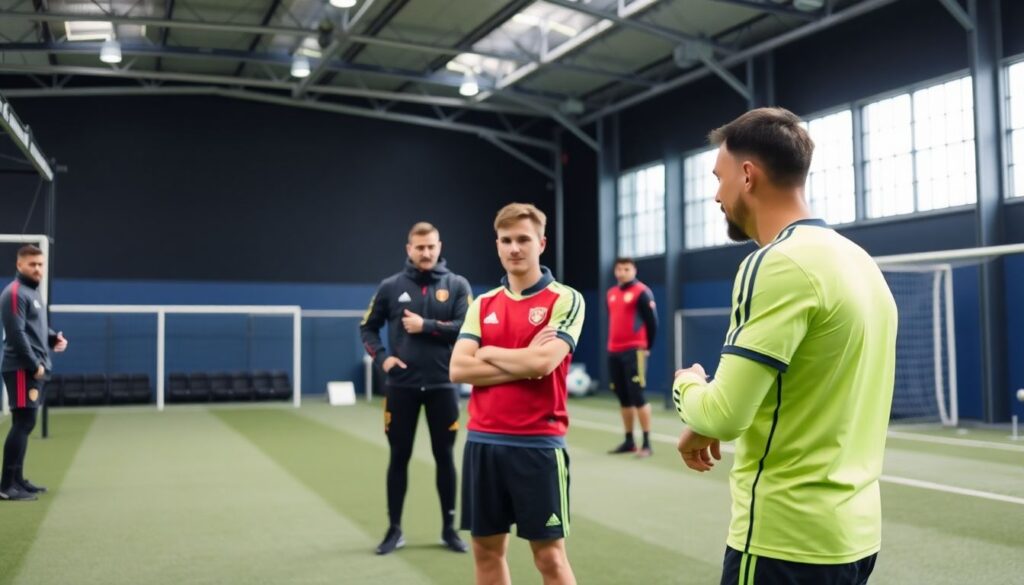
They are not mandatory but can help. A trusted physical coach and someone to review your matches can accelerate your adaptation. Ensure they coordinate with your club staff to avoid conflicting workloads.
Комментарии