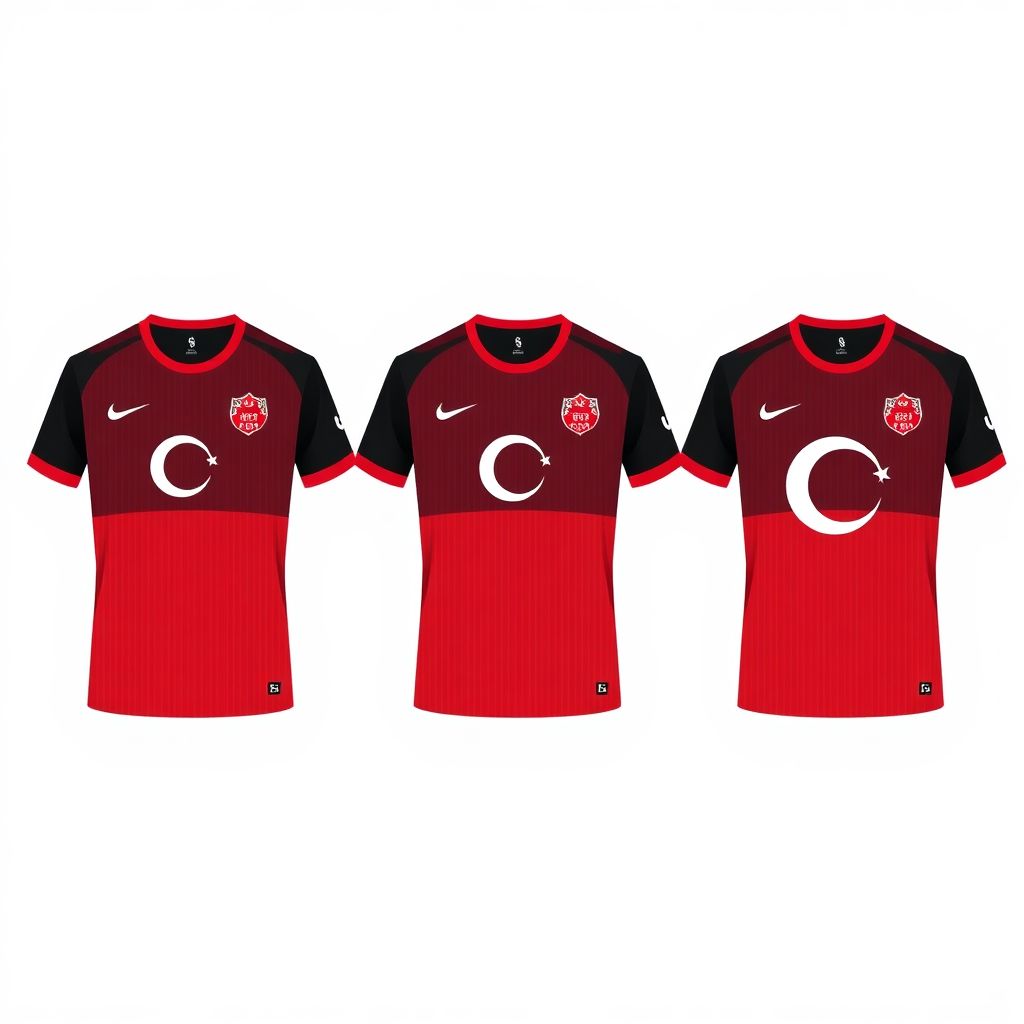
Branding Turkish football clubs for a global audience means turning local passion, history and symbols into a consistent, exportable identity across kits, digital channels, sponsorships and fan products. Focus on clear positioning, safe and inclusive language, controlled political exposure, measurable KPIs and risk‑aware partnerships with agencies, sponsors and international distributors.
Strategic snapshot: branding objectives for Turkish clubs
- Define a distinct positioning for each club beyond on‑pitch success: city story, mentality, values and style of play.
- Make visual identity, kits and rituals understandable for non‑Turkish fans without losing authenticity.
- Turn Turkish football jerseys Galatasaray Fenerbahce Besiktas into globally recognisable lifestyle products, not just matchwear.
- Build diversified revenues from media, licensing, Turkish football club merchandise online and experiences.
- Use data‑driven KPIs for brand strength, fan engagement and commercial returns in each priority market.
- Manage political and reputational risks with clear guidelines, monitoring and prepared crisis responses.
- Leverage professional support from a Turkish football club branding and marketing agency when in‑house capacity is limited.
Tracing the brand evolution from the Bosphorus to the global stage
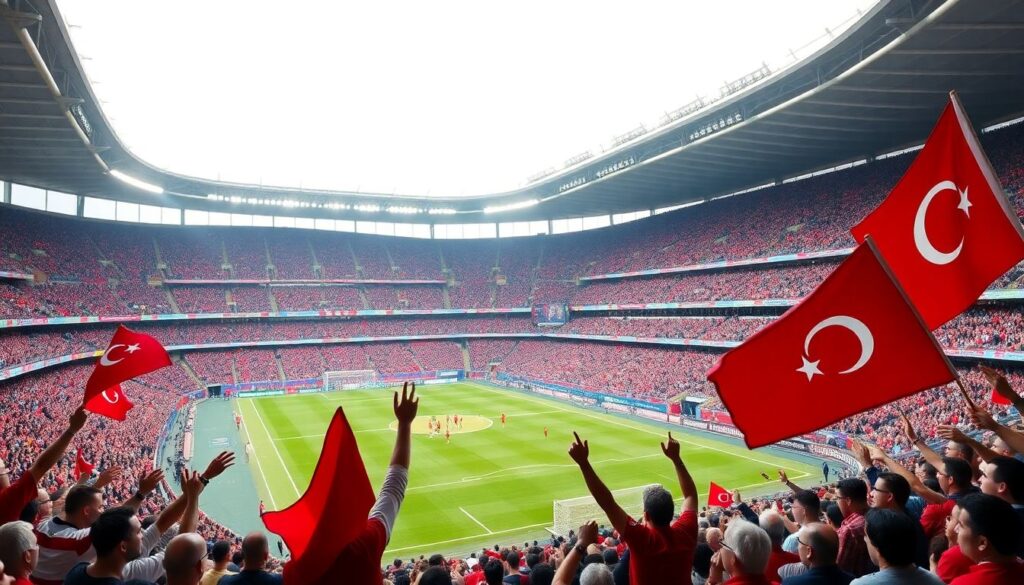
This approach suits Turkish clubs that already have a stable sporting structure and want to expand revenue and international reach without losing local identity. It is particularly relevant for Süper Lig teams with diaspora fanbases, strong rivalries and regular European competition appearances.
It is not appropriate to launch full international branding programmes when governance is unstable, finances are opaque, or fan trust is low. In those cases, first stabilise operations, improve transparency and resolve major conflicts with supporters before attempting global positioning or ambitious sponsorship drives.
Core identity: leveraging history, culture and fan rituals
Before any visual or commercial work, assemble the tools and access you need to define an authentic, exportable core identity.
- Strategic access and decision authority
- Board‑level sponsor for the branding project with clear decision rights.
- Alignment between club management, communications, ticketing, merchandising and football operations.
- Documented approval process for new slogans, campaigns and partnerships.
- Historical and cultural resources
- Archived photos, match programmes, trophies and museum materials.
- Access to historians, veteran players and long‑term fans to explain club myths and traditions.
- Mapping of unique rituals: songs, choreographies, derby habits, neighbourhood links.
- Fan and market insights
- Basic fan segmentation: local match‑goers, national TV fans, diaspora, tourists and neutral global followers.
- Listening channels: social media analytics, surveys and moderated focus groups.
- Search and commerce data from Turkish football club merchandise online and ticket platforms.
- Digital and design infrastructure
- Brand guideline documents in Turkish and English, even if initially simple.
- Shared asset library for logos, fonts, colour palettes, kit mockups and photo presets.
- Coordinated access to website CMS, app, email tools and major social platforms.
- Commercial and legal foundations
- Updated IP registrations for logos, names and mascots in key export markets.
- Standardised sponsorship and licensing contract templates with brand‑safety clauses.
- Compliance checks on data protection, ticketing rules and advertising standards in target countries.
- External expert partners
- Shortlist of agencies, including at least one Turkish football club branding and marketing agency with proven sports credentials.
- Local partners abroad for PR, fan events and retail pilots in diaspora hubs.
- Independent measurement partner or tools to evaluate brand KPIs over time.
Visual language and exportable assets: logos, kits and digital templates
Before implementing visual changes and kits, consider these key risks and limitations:
- Alienating core ultras and traditional fans if historic symbols are removed or simplified too abruptly.
- IP conflicts or counterfeits when exporting new logos and jerseys into markets with weak enforcement.
- Political or cultural misinterpretation of colours, slogans or gestures outside Turkey.
- Over‑commercialisation that makes the club appear disconnected from local community realities.
- Inconsistent implementation by international partners, weakening recognition and trust.
- Clarify global positioning and narrative
Define a concise narrative that explains what makes the club unique to someone who has never visited Istanbul or Turkey. This narrative should connect geography, history, playing style and fan culture in simple, repeatable language.
- Write one paragraph in Turkish and one in clear English.
- Test the English version with non‑Turkish speakers for clarity and unintended meanings.
- Align all departments so this narrative guides kit design, content tone and sponsor fit.
- Systematise logo and colour usage
Protect heritage while making the visual system flexible for digital use and international merchandising. Avoid unnecessary redesigns; prioritise consistency, legibility and protected usage rules.
- Create master files: primary logo, simplified digital mark, monochrome versions and clear space rules.
- Define safe minimum sizes for mobile apps, social avatars and broadcast graphics.
- Document main and secondary colour palettes with codes for print, web and broadcast.
- Design exportable kits and lifestyle lines
Use kits as the most visible global branding asset while keeping core elements sacred. Design at least one jersey per season aimed at international fans and tourists, with careful consideration of cultural sensitivities.
- Preserve iconic colours and stripes; innovate through trims, details and limited editions.
- Test pronunciation and meaning of all sponsor names in major target languages.
- Plan capsule lifestyle collections that can be sold as streetwear, not just matchwear.
- Build robust digital templates and content packs
Standardise social media, web and broadcast graphics so club communications look recognisable worldwide. Templates should be easy to localise into multiple languages with minimal design risk.
- Create modular templates for matchdays, transfers, academy, women's team and community projects.
- Prepare safe text areas for translations and right‑to‑left languages if needed.
- Bundle photography, video intros and music stems with clear usage rights for partners.
- Connect visual assets to secure commerce journeys
Ensure every major visual touchpoint can lead safely to a purchase or engagement action if the user wishes. Avoid aggressive dark patterns; focus on clarity and trust, especially for international buyers.
- Link social and website visuals to official Turkish football club merchandise online, not third‑party resellers of uncertain quality.
- Provide clear language options and currency display on the official store.
- Explain shipping, returns and customs policies transparently for international customers.
Commercial playbook: sponsorships, merchandising and diversified revenue

Use this checklist to verify that your commercial branding work is on track and safely implemented.
- Brand narrative and visual guidelines are documented, shared and followed by sponsorship, retail and digital teams.
- Sponsor categories are filtered for political, ethical and financial risk; questionable partners are declined despite short‑term income.
- At least one international‑ready kit and lifestyle collection is available through official channels each season.
- Official store, both physical and Turkish football club merchandise online, is easy to distinguish from counterfeit sellers and grey‑market shops.
- Ticketing journeys, including for tourists who want to buy Turkish football club tickets Istanbul, are clearly explained in English with secure payment and simple stadium rules.
- Commercial offers for Turkish football club sponsorship opportunities are packaged with clear tiers, rights, brand‑safety rules and measurement plans.
- Merchandising and ticket data are used to identify international hotspots and diaspora clusters for targeted campaigns.
- Revenue streams include a mix of matchday, media, sponsorship, licensing and experiences so the club is not over‑dependent on one source.
- Quarterly reviews link branding actions to KPIs: merchandise sell‑through, sponsor renewals, international fan growth and safe digital engagement.
- Scenario plans exist for sudden events such as player scandals, match‑fixing allegations or political tensions affecting sponsors.
| Club case | Brand focus | Key global KPIs tracked | Primary risk controls |
|---|---|---|---|
| Big Three style (Galatasaray or Fenerbahce type) | European competition heritage and iconic derbies as global entertainment product. | International shirt sales, social followership outside Turkey, overseas broadcast pick‑up. | Strict sponsor vetting, unified visual rules, dedicated crisis comms team. |
| City identity club (Besiktas type) | Neighbourhood culture, stadium atmosphere and inclusive community work. | Tourist ticket purchases, stadium tours, community impact mentions in media. | Safety and crowd‑management protocols, careful political neutrality, local stakeholder mapping. |
| Rising Anatolian club | Underdog story, youth development and modern digital presence. | Academy transfers, new sponsors from tech and education, digital engagement quality. | Financial transparency, digital moderation guidelines, gradual scale‑up of obligations. |
| Women's and academy‑driven brand | Equality, future talent and family‑friendly matchday experiences. | Female fan participation, academy registrations, family group sales. | Child protection standards, sponsor alignment with social values, inclusive language rules. |
Expanding reach: media rights, international tours and diaspora engagement
Avoid these common mistakes when taking a Turkish club brand from Bosphorus to the world.
- Agreeing to media rights deals in new territories without clear brand visibility requirements or language support.
- Over‑scheduling international tours that exhaust players and damage on‑field performance, which then undermines brand value.
- Running diaspora events without listening to local fan leaders, leading to logistical issues or cultural misunderstandings.
- Ignoring time zones and local holidays when planning digital campaigns, live streams or match viewing events abroad.
- Assuming European diaspora fans and fans in Asia or North America want identical content and products.
- Entering long‑term contracts with promoters or agencies who lack transparency or a clean reputation.
- Using political imagery or slogans in international communications that might be interpreted as partisan or exclusionary.
- Failing to coordinate messaging between club channels, broadcasters and sponsors during major tours or exhibition matches.
- Neglecting local language moderation and safety standards on regional social media platforms.
- Disregarding stadium and crowd‑management rules in foreign countries when organising friendlies or fan events.
Risk management: reputation, political exposure and crisis communications
When direct, large‑scale global expansion feels too risky or resource‑intensive, consider these safer alternatives and phased approaches.
- Digital‑first, low‑risk international presence – Focus on multilingual content, safe social media engagement and small e‑commerce pilots before committing to major tours or big sponsorships abroad.
- Diaspora‑centric strategy – Prioritise community‑based events with trusted local partners in key cities rather than broad global campaigns. This keeps costs and reputational exposure manageable.
- Partner‑led branding with strict guardrails – Work with broadcasters, gaming companies or a Turkish football club branding and marketing agency under tight brand and conduct guidelines, reducing the need for large internal teams.
- Domestic consolidation with export‑ready assets – Improve identity, governance and fan trust at home while preparing kits, logos, ticketing and sponsorship frameworks that can be safely scaled later.
Practical queries and concise answers
How can a Turkish club make its brand understandable to non‑Turkish fans?
Use simple bilingual narratives, clear visuals and universal values like passion, resilience and community. Test all slogans and campaigns with international audiences to avoid misunderstandings or culturally specific jokes that do not translate.
What is a safe way to grow merchandise sales abroad?
Start with official Turkish football club merchandise online through a secure, multilingual store and reputable global platforms. Focus on a small, high‑quality product range, protect IP and communicate clearly which channels are official to reduce counterfeits.
How should clubs approach new sponsorship opportunities?
Filter Turkish football club sponsorship opportunities through written ethical, political and financial criteria before negotiations. Prefer partners whose products, reputation and geographic focus match the club's values and long‑term brand direction.
What is the role of tickets and stadium experiences in global branding?
Safe, welcoming matchday experiences turn tourists and diaspora into long‑term advocates. Make it easy to buy Turkish football club tickets Istanbul in English, explain stadium rules and highlight rituals so visitors feel included rather than confused.
When should a club hire a specialised branding and marketing agency?
If internal teams lack experience with international campaigns, licensing or crisis communications, engaging a Turkish football club branding and marketing agency can reduce risks. Define clear objectives, budgets and decision rules before signing contracts.
Are international tours necessary for a strong global image?
Tours help but are not mandatory. Well‑produced digital content, strategic media rights and targeted diaspora events can build strong visibility with lower cost and physical risk, especially for clubs with limited squad depth.
How can clubs prepare for reputational crises?
Develop a written crisis plan, assign spokespeople, pre‑draft holding statements and monitor media for early warning signs. Train staff and players on safe social media behaviour and escalation procedures.