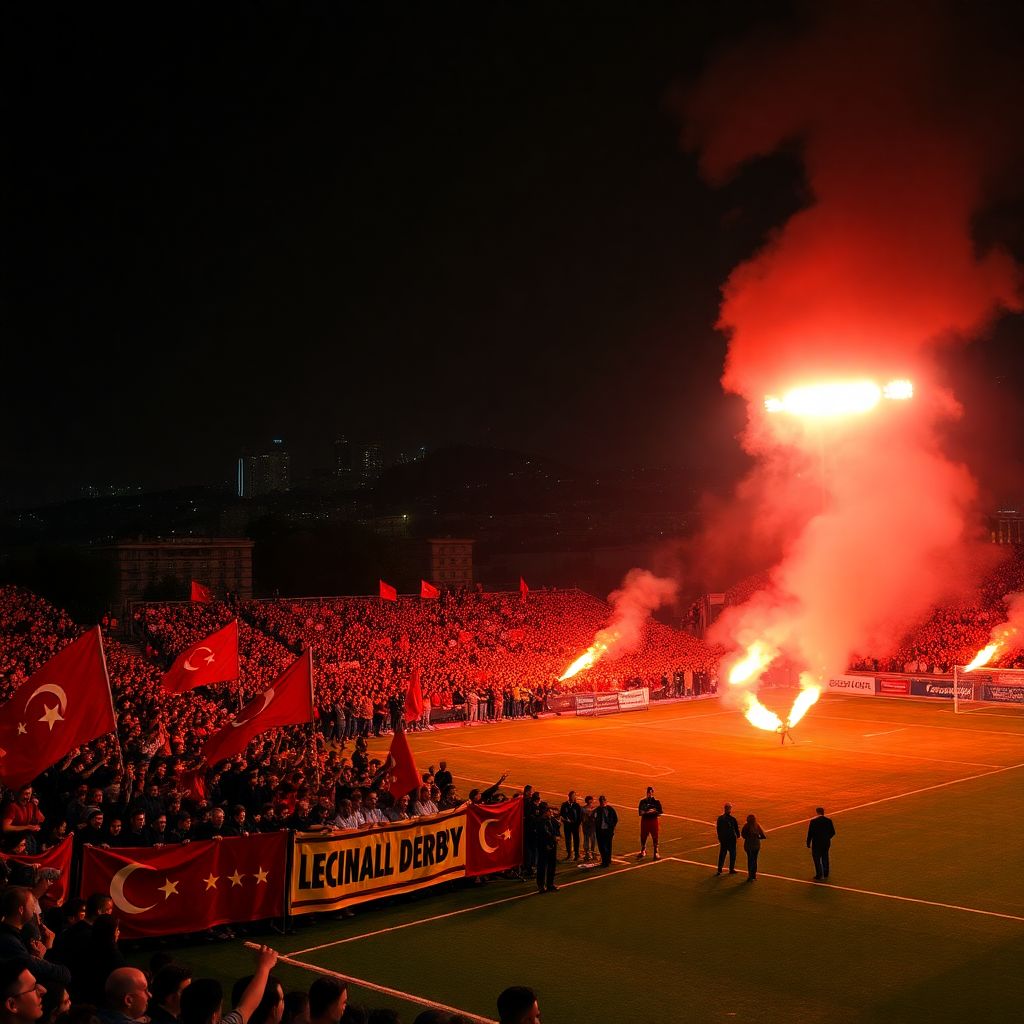
Regional derbies in Turkey are the fixtures that most clearly express club identity, city pride and fan culture; if you want to understand Turkish football, then start by understanding these rivalries. They link local history, social class, tactics and media narratives, turning ordinary league games into symbols that shape how Turkish football is seen at home and abroad.
Core arguments on how derbies define Turkish football
- If you look for the emotional core of Turkish football, then regional derbies are where belonging, pride and resentment are concentrated and performed.
- If you compare Istanbul with Anatolia, then you see how derbies translate local history and politics into distinct football identities.
- If you track tactics and recruitment, then you find that derby expectations influence coaching choices, foreign signings and youth development.
- If you follow media and business, then you notice that derbies drive interest in turkish football derby tickets and sponsorship more than most other league games.
- If you study fan culture, then choreographies, chants and rituals around derbies become the templates for nationwide supporter behaviour.
- If you examine club brands over time, then derby narratives become shorthand stories that clubs sell to fans, tourists and broadcasters.
Dispelling myths: common misconceptions about Turkish regional derbies
If you define a Turkish football derby only as an Istanbul clash, then you miss the wider map of rivalries across Izmir, Ankara, the Black Sea and Anatolia. In Turkish usage, a regional derby is any high-emotion match between geographically (or historically) linked clubs whose meetings carry special symbolic weight.
If you assume derbies are just about hatred, then you underestimate their role in structuring respect, shared rituals and even local solidarity. Hostility exists, but it is framed by long-term familiarity: the other side is a necessary rival that helps your own club feel meaningful.
If you think derbies are separate from everyday football, then you overlook how they influence week-to-week behaviour. Ticket pricing, security planning, away-fan policies, squad rotation and even transfer strategy are often built backwards from derby priorities, especially for clubs involved in the big Istanbul triangle.
If you reduce derbies to touristic products like istanbul derby match tours or besiktas fenerbahce galatasaray derby packages, then you see only commercial packaging, not the underlying social context. Those offers exist because derbies condense local identity into a single evening that is easy to market to visitors.
Historical roots: how local rivalries emerged across Anatolia and Istanbul
- If you trace the early 20th century, then Istanbul derbies grow out of neighbourhood, school and minority-community clubs that later professionalised; roots in specific districts still frame how fans talk about each other.
- If you follow urban expansion, then rivalries in cities like Ankara, Izmir and Bursa reflect industrialisation and migration patterns, with clubs often linked to workplaces, municipalities or social institutions.
- If you look at transport and geography, then Black Sea and central Anatolian derbies often cluster around road and rail corridors, turning nearby towns into natural sporting rivals.
- If you examine political history, then some derbies mirror older divides such as centre vs periphery, secular vs conservative, or military-linked vs civilian institutions, even when fans do not state these openly.
- If you consider league reforms and the formation of the Turkish Süper Lig, then recurrent fixtures between certain clubs gradually harden into named derbies, with media labels reinforcing traditions that originally were informal.
- If you analyse stadium development, then moves to new arenas in Istanbul and beyond create new spatial relationships, sometimes weakening old local derbies while enabling fresh regional narratives.
Social identity: derbies as markers of community, class and locality
If you want to see how class and neighbourhood identities play out, then watch who attends which derby and where they sit. Stadium sectors often map onto social differences inside a city, from old inner districts to new suburban areas.
If you study migration to big cities, then derbies involving Anatolian clubs in Istanbul become identity anchors for internal migrants: supporting the “home” club away from home keeps regional culture visible inside national football.
If you analyse gender and age, then specific derbies will show different patterns of attendance; for example, some night derbies skew younger and more male, while Sunday afternoon games attract more families, shaping how safe or hostile each rivalry feels.
If you look at how people talk about themselves, then derby allegiance often becomes a shortcut identity marker at school, at work or in the military; saying which side you are on quickly communicates background, values and even expected behaviour.
If you observe diasporic communities, then regional derbies streamed abroad let Turkish fans in Europe or the Gulf maintain emotional ties; gatherings in cafes and community centres mirror local stadium culture, reinforcing both Turkish and host-country identities.
Tactical and club-level impacts: shaping playing styles and recruitment
Derbies are not just social events; they feed directly into football decisions on and off the pitch. If you look at team-building, then coaches and boards often plan backwards from derby expectations.
Advantages clubs seek from derby-driven strategies
- If you prioritise aggressive, high-intensity play, then you can create a home-derby atmosphere where opponents feel pressured and technical weaknesses are hidden by tempo.
- If you recruit players with experience in big-match environments, then you reduce the psychological shock of loud Turkish stadiums for foreign signings.
- If you tailor training cycles around derby weeks, then you can peak physically and emotionally at the exact moments that define fan satisfaction.
- If you succeed consistently in derbies, then you strengthen your bargaining power for sponsorship, turkish super lig hospitality tickets and merchandising deals that rely on high-visibility fixtures.
Constraints and risks created by derby expectations
- If you treat derby results as more important than long-term planning, then you risk unstable coaching tenures and frequent tactical overhauls after a single bad loss.
- If you overvalue “fighters” and underweight technical players because of derby intensity, then your squad may struggle in European competitions or against defensive opponents.
- If you rotate excessively before derbies to “save” key players, then you may drop points in supposedly easier games, hurting league consistency.
- If you promise fans dominance in every major rivalry, then club leadership becomes hostage to short-term emotion, reducing room for youth development or financial discipline.
Media, commercialization and fan culture: transforming local derbies into national spectacles
Media and business interests amplify regional derbies beyond their local roots. If you follow broadcast schedules, then you see how derby dates are placed at peak viewing times, turning regional events into national rituals.
- If you consume only highlight reels, then you may believe derbies are defined entirely by flares, fights and banners; everyday supporter organisation and community work remains invisible.
- If you buy packaged experiences such as istanbul derby match tours, then you enter a pre-curated version of fan culture that may prioritise safety and photo opportunities over authentic local interaction.
- If you focus on premium products like turkish super lig hospitality tickets, then you experience derbies as corporate events, which can hide the economic realities of regular fans in cheaper sections.
- If you rely on marketing promises in football fan travel packages to turkey, then you might expect constant chaos or danger; in reality, atmosphere differs widely by city, fixture and policing strategy.
- If you assume that global social media trends reflect local fan opinion, then you risk mistaking a loud minority of online voices for the whole curve of supporter attitudes in Turkey.
Long-term legacy: how derbies influence club branding and youth development
Derbies leave marks that last far beyond a single season. Club slogans, colours and self-images are often crystallised through iconic derby wins or traumas.
If you manage a club academy in Turkey, then you quickly learn that young players grow up dreaming of specific derbies. Coaches use this by framing training goals around future rivalry moments: “If you learn to handle pressure now, then you will not freeze away in that stadium later.”
Mini-case: imagine a mid-table Anatolian club facing a historic rival from a neighbouring city.
- If the board publicly promises promotion and derby victory in the same season, then fan expectations become unrealistically high.
- If the coach responds by signing older, battle-hardened players mainly for derby experience, then academy graduates get fewer minutes.
- If results are mixed but the club wins both derby matches, then local pride increases even while league position stagnates.
- If marketing leans on those derby wins, then shirt sales and local sponsorship grow, funding better youth facilities.
- If the academy uses derby footage in mental training, then a new generation of players learns that emotional control, not just talent, defines success in high-pressure Turkish fixtures.
Across decades, this loop-expectations, derbies, branding, youth development-helps explain why some clubs punch above their financial weight: if they manage rivalry narratives intelligently, then they turn regional derbies into long-term assets rather than short-term crises.
Practical clarifications readers often seek about regional derbies
What exactly counts as a regional derby in Turkish football?
A regional derby is a high-stakes match between clubs with strong geographic, historical or social links, where the rivalry goes beyond the league table. If the game changes how fans talk about city or neighbourhood pride, then it functions as a regional derby.
Are Istanbul derbies more important than Anatolian derbies?
Istanbul derbies are more visible globally, but not automatically more important locally. If you live in a two-club Anatolian city, then that local derby often carries more emotional weight for you than any Istanbul match.
How do derbies affect decisions about players and coaches?

If a coach performs badly in regular games but wins big derbies, then they may keep their job longer. Conversely, if a coach loses heavily in key derbies, then even a solid league position might not save them.
Why do ticket prices and safety measures change for derby games?
If a match is classified as a high-risk derby, then authorities and clubs usually increase security, restrict away fans and adjust prices. This is meant to manage crowd behaviour and demand, even if regular fans sometimes feel punished by the extra controls.
Is it safe for visitors to attend Turkish regional derbies?
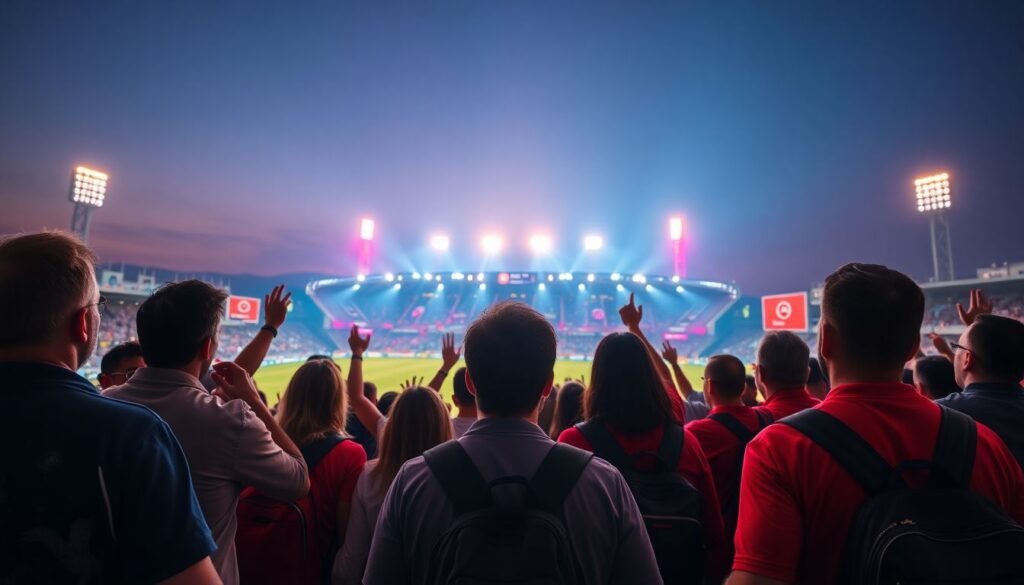
If you follow official guidance, avoid provocative clothing in mixed areas and arrive early, then most derbies are manageable for visitors. Choosing organised istanbul derby match tours or curated football fan travel packages to turkey can add an extra layer of structure and safety.
Do regional derbies help or harm youth development?
If clubs use derbies as a teaching tool for mental resilience, then young players benefit. If they instead panic and drop youth in favour of short-term veteran signings before every big rivalry game, then development slows down.
Why do international broadcasters highlight only certain Turkish derbies?
If a derby involves title-chasing clubs, famous players or big global fan bases, then broadcasters prioritise it. Many intense provincial rivalries remain under the radar simply because they attract less international demand for turkish football derby tickets and TV rights.
Комментарии