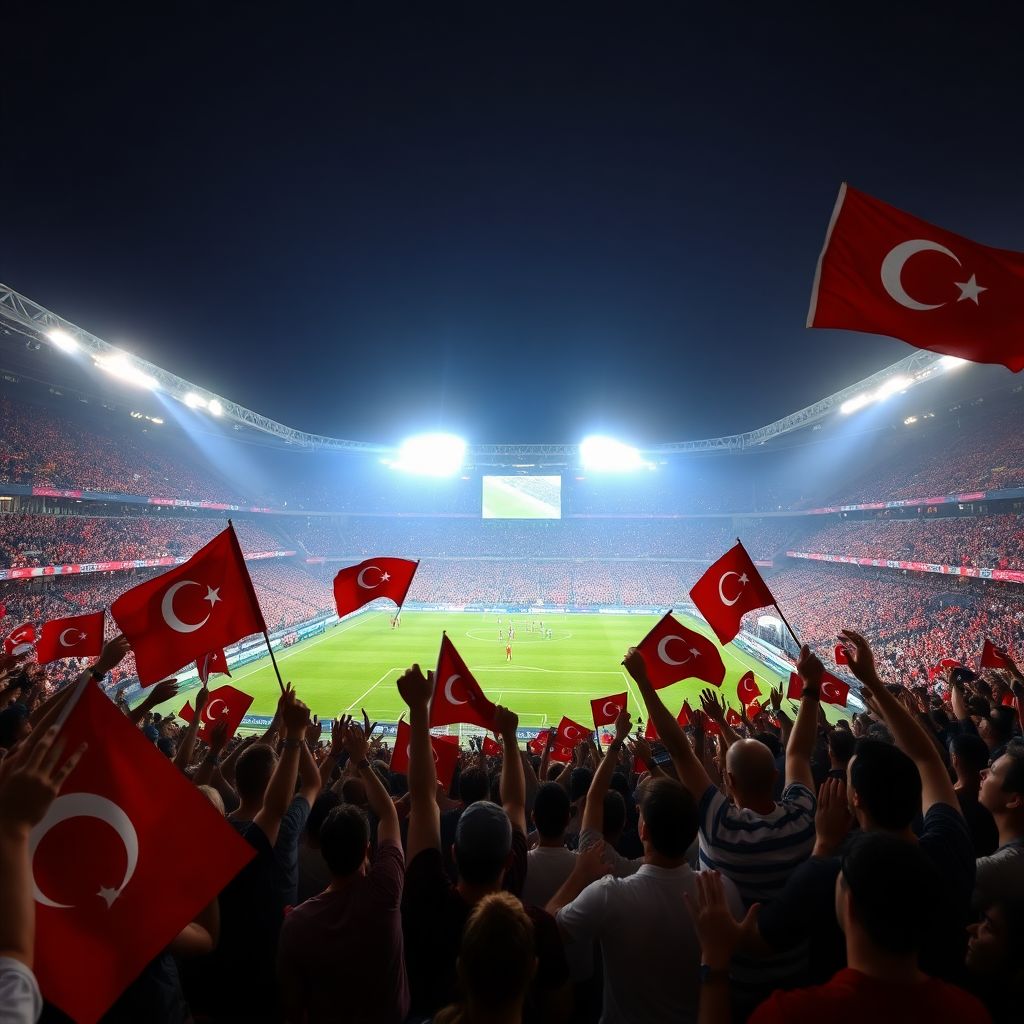
Unforgettable European nights of Turkish football clubs are high-intensity UEFA matches where Galatasaray, Fenerbahce, Besiktas and others outperformed expectations against strong continental rivals. To understand Turkish clubs best performances in UEFA history safely and realistically, you should separate myth from context: study tactics, opponent strength, venue effects, and the long-term impact on Turkish football.
Myths and realities about Turkish clubs in Europe
- Myth: Turkish teams only win at home. Reality: many landmark results came away or on neutral grounds, especially in UEFA finals and decisive ties.
- Myth: Only Galatasaray matters in Europe. Reality: Fenerbahce, Besiktas and others have crucial chapters in the history of Turkish clubs in European competitions UEFA records.
- Myth: Atmosphere alone wins games. Reality: pressing structure, transitions and set-piece design usually explain results better than noise levels.
- Myth: One famous win means long-term dominance. Reality: even the greatest UEFA runs often did not translate into consistent Champions League success.
- Myth: Big European nights are pure romance. Reality: they bring financial pressure, squad fatigue and domestic trade-offs that Turkish clubs must manage carefully.
- Myth: All opponents underestimated Turkish sides. Reality: many coaches prepared specifically for Istanbul, yet still fell to superior game-plans on the night.
Istanbul nights: Galatasaray’s 2000 UEFA Cup triumph and its aftermath
Galatasaray’s 2000 UEFA Cup win is the clearest single example when people discuss Turkish clubs best performances in UEFA history. It defines what fans call European nights: high-stakes, technically disciplined and emotionally intense evenings where a Turkish club competes on equal terms with Europe’s elite and lifts silverware or eliminates a giant.
Safely evaluating that triumph means placing it within UEFA’s structure at the time: there was no modern Europa League format yet, foreign-player rules were different, and financial gaps were smaller. The achievement remains huge, but comparing it directly to today’s Champions League and Europa League highlights requires context.
Key limitations often ignored are squad depth and domestic impact. The 1999-2000 Galatasaray side managed workload with a relatively small core, accepting short-term domestic strain to chase European glory. The safe lesson for modern Turkish teams in Champions League and Europa League highlights is that copying this model without matching fitness, rotation and data support is risky.
| Season | Club | Competition | Opponent | Score | Significance |
|---|---|---|---|---|---|
| 1999-2000 | Galatasaray | UEFA Cup Final | Arsenal | 0-0 (penalties) | First major UEFA trophy for a Turkish club; benchmark of discipline and resilience. |
| 2012-2013 | Galatasaray | Champions League | Real Madrid | 3-2 win (second leg) | Iconic comeback attempt, symbol of Istanbul’s capacity to unsettle European giants. |
| 2007-2008 | Fenerbahce | Champions League | Chelsea | 2-1 win (first leg) | Showcase of Fenerbahce in Galatasaray Fenerbahce Besiktas greatest UEFA matches narrative. |
| 2016-2017 | Besiktas | Europa League | Lyon | 2-1 win (second leg) | Proof of Besiktas’s European maturity, even if eliminated on penalties. |
Giant-killing acts: underdog wins that shocked Europe
- Exploit asymmetry in motivation: Turkish clubs often treat continental ties as historic events, while some favourites see an early Europa League round as routine. Safe planning means turning that emotional edge into intensity without reckless challenges or loss of tactical shape.
- Compress space in midfield: Classic giant-killings rely on compact lines and controlled pressing triggers. The limitation is physical: over-pressing for 20 minutes can leave Turkish teams vulnerable later, especially with limited rotation options.
- Target full-backs, not only centre-backs: Many upsets came from isolating attacking full-backs in transition. Safe execution needs clear responsibility sharing; if wingers do not track back, the same wing becomes a liability.
- Set-piece optimisation: Corners and free-kicks are controllable situations where preparation can beat talent. The limitation is predictability: once UEFA opponents study your routines, repeating the same patterns becomes dangerous.
- Game-state management: After taking a lead, underdog sides must slow tempo, draw fouls and vary build-up. The safe approach avoids pure time-wasting that invites cards and pressure; instead, it uses structured possession to rest with the ball.
- Two-leg risk distribution: In knockout ties, many unforgettable European nights of Turkish football clubs were built on safe home-leg strategies: avoid conceding early, then attack phases of the game where the crowd can push. The limitation is away-goal regulations changing over time, which affects risk levels.
Tactical masterclasses: how Turkish managers outwitted opponents
Turkish managers’ best UEFA performances are usually grounded in clear, repeatable plans rather than one-off inspiration. Understanding them safely means focusing on structure and limitations instead of only emotion.
- Asymmetric pressing schemes: Coaches often press on one side and trap towards the touchline. This works when forwards coordinate angles and midfielders close half-spaces. The limitation is that one missed trigger can expose the opposite flank.
- Double pivots against superior midfields: Against technically dominant sides, Turkish coaches frequently use two holding midfielders. Safe execution demands clear passing lanes so build-up does not collapse into constant long balls.
- Inside forwards with overlapping full-backs: Galatasaray Fenerbahce Besiktas greatest UEFA matches regularly show wingers moving inside while full-backs provide width. The risk is defensive transition: if the full-back is caught high, centre-backs face wide overloads.
- Situational back five: In some Champions League and Europa League highlights, a full-back drops into a back three during build-up. This adds security but limits numbers higher up, so coaches must accept reduced counter-attacking threat.
- Staggered block heights: Alternating between mid-block and short bursts of high press can break opponents’ rhythm. To stay safe, players need clear cues; random pressing leads to stretched lines and simple through-balls for the opponent.
Players who became legends on European nights
Legendary status from European matches brings clear benefits for both clubs and individuals, but it also has boundaries that fans and analysts should understand.
Upsides of European legend status
- Raises the club’s international profile, feeding into the broader history of Turkish clubs in European competitions UEFA records.
- Attracts better sponsorship and improves bargaining power in transfer negotiations.
- Gives players confidence to perform under pressure in domestic derbies and title races.
- Creates a heritage that helps with fan engagement, museum projects and brand storytelling.
Limitations and hidden downsides
- Over-fixation on past heroes can slow necessary squad renewal and tactical evolution.
- Salary expectations may rise beyond sustainable levels based on a few high-profile UEFA games.
- Young players can feel pressured to reproduce legendary moments instead of focusing on safe, consistent development.
- Clubs may schedule commercial tours and media activities around legends, adding travel fatigue before crucial qualifiers.
Home advantage: stadium atmospheres and match-day variables
Home advantage in Istanbul is real but often overstated. Safe preparation means using it as a factor, not a guarantee.
- Noise as double-edged sword: Intense atmospheres can unsettle opponents but also rush home players into unsafe decisions: forced long shots, risky tackles and early yellow cards.
- Pitch and climate familiarity: Local conditions help Turkish teams, yet overreliance on them can hide structural issues that become clear in away games.
- Travel dynamics for opponents: Long trips and unfamiliar routines affect visiting teams, but professional UEFA sides increasingly mitigate this with preparation, reducing the advantage compared to older eras.
- Referee perception: Crowds can influence marginal decisions, but assuming every call will go the home way is unsafe; indiscipline can quickly flip the narrative through cards and penalties.
- Security and comfort zones: For fans and clubs in tr_TR context, safe match-day organisation matters as much as atmosphere. Shortcomings here can lead to sanctions that directly reduce future home advantage.
Aftershocks: transfers, finances and domestic implications of big runs
Memorable European runs do not end with the final whistle. They trigger a chain of transfers, financial adjustments and domestic consequences. Understanding these aftershocks safely helps avoid unrealistic expectations when a Turkish team reaches the latter stages of UEFA tournaments.
A simplified mini-case, inspired by multiple Turkish teams in Champions League and Europa League highlights, looks like this:
// Pseudo-flow of a big European run
1. Club reaches quarter-final or beyond.
2. UEFA prize money + match-day income increase short-term cash.
3. Star players attract offers from richer leagues.
4. Club faces fork:
   a) Sell at high price → reinvest, but risk losing sporting level.
   b) Refuse offers → raise wages, risk long-term financial strain.
5. Domestic league impact:
   - Congested calendar causes rotation and dropped points.
   - Media and fans expect repeat runs every season.
6. Safe path:
   - Use one big run to reduce debt rather than explode wages.
   - Plan succession so departures do not collapse competitiveness.
This pattern reminds supporters that even the most unforgettable European nights of Turkish football clubs come with structural limits. Sustainable growth depends on cautious budgeting, clear squad planning and realistic targets after the spotlight fades.
Quick clarifications on recurring misconceptions
Are Turkish clubs only competitive in the Europa League, not the Champions League?
No. While some of the most stable success came in UEFA Cup and Europa League formats, Turkish teams have also delivered strong Champions League performances, including group qualification and knockout appearances against elite opponents.
Does a single historic win mean a Turkish club has joined Europe’s elite?
One famous night improves reputation but does not guarantee long-term parity with top-five league giants. Sustained results over many seasons, supported by finances and infrastructure, are needed before calling a club truly elite.
Is home atmosphere the main reason behind all big European results in Turkey?
Atmosphere helps, yet tactics, player quality and opponent rotation choices usually explain more. Many key wins also happened away or on neutral venues, showing that noise alone is not enough.
Do Turkish clubs always sacrifice the domestic league when they go far in Europe?
Not always, but fixture congestion makes this a real risk. Squads with limited depth often pay a price in league points during or right after deep European runs.
Have modern financial gaps made future Turkish trophies in UEFA competitions impossible?
Not impossible, but more difficult. The path now usually requires exceptional scouting, squad planning and tactical clarity, plus favourable draws and staying healthy through the season.
Are legendary European performers always the best players in domestic matches too?
Some are, but others are more suited to the tempo and space of European games. Evaluating a player safely means looking at consistency across all competitions, not only highlight nights.
Can fans fairly compare today’s performances with those from the 1990s and early 2000s?
Comparisons are possible if you adjust for rule changes, financial realities and tactical evolution. Raw results alone do not tell the full story across different football eras.