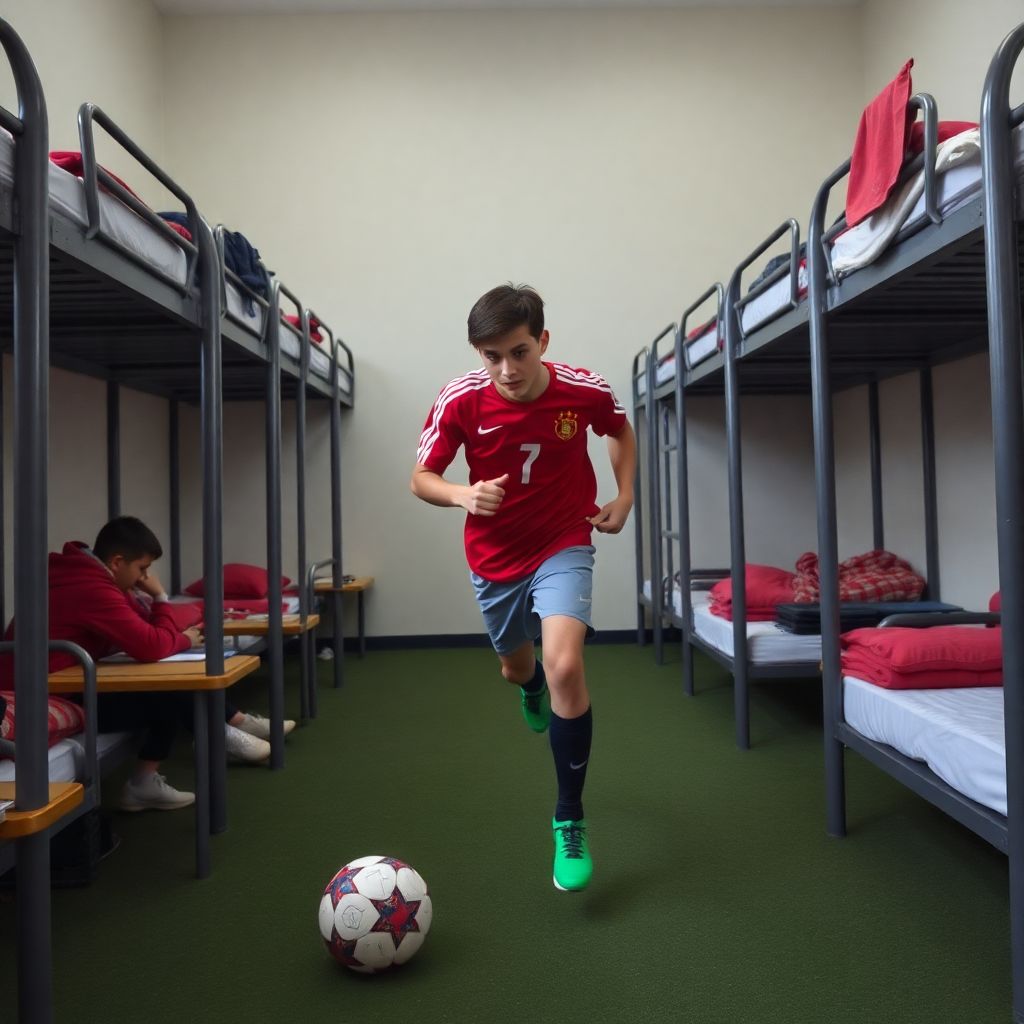
A 16-year-old in a Turkish football academy lives a tightly scheduled day mixing school, pitch sessions, gym work and recovery. Mornings usually start early with monitoring and breakfast, then classes and training blocks. Evenings are for study, analysis and rest, following strict rules on sleep, nutrition, discipline and social media.
Snapshot: daily rhythm and key realities
- Wake-up typically around 06:30-07:00 with health checks, mobility and breakfast monitored by staff.
- School lessons are compulsory; football does not replace formal education, even in the best football academies in Turkey for teenagers.
- Two main football sessions most days: one focused on technique/tactics, one on strength or conditioning.
- Nutrition, sleep and screen time are controlled; late gaming or social media can lead to sanctions.
- Performance and behaviour are evaluated constantly; progress meetings with coaches and education staff are standard.
- Weekends often include matches or professional football training camps in Turkey for youth, plus recovery work.
Actionable tips for succeeding in a Turkish academy environment

- Arrive with match-ready fitness: be able to sprint repeatedly, not just jog for long distances.
- Keep school grades strong; they influence selection and trust from coaches.
- Build simple routines: fixed sleep time, daily stretching, and packing your kit the night before.
- Limit social media; focus on video analysis and learning English for better communication and opportunities.
- Ask for feedback weekly and write down 2-3 concrete things to improve in training and in matches.
- Stay respectful in dorms; reputation off the pitch matters for your future trials and contracts.
Debunking common myths about Turkish academies
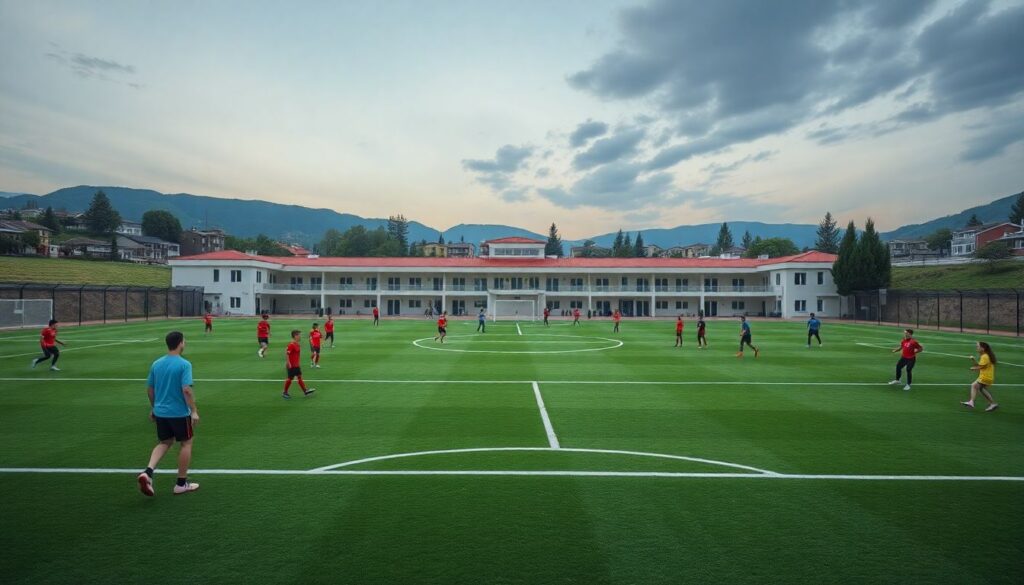
A Turkish football academy for youth is not a football-only playground or a guaranteed contract machine. It is a structured development environment combining education, intense training and character building for teenagers who may or may not reach professional level.
One frequent misunderstanding is that joining any academy is enough. In reality, the best football academies in Turkey for teenagers use scouting, data and continuous assessment; players are promoted or released based on progression, attitude and fit with the club’s playing model. Even talented 16-year-olds must compete daily to stay in the system.
Another myth is that school becomes irrelevant. Most clubs cooperate with local schools or run in-house classes because federation rules and parents require continued education. Poor attendance, disruptive behaviour or failing grades can affect playing time and selection for key tournaments.
Families also assume every trial includes full support and funding. In practice, Turkish soccer academy scholarships for international students and locals are limited. Many prospects are on partial support, with families still covering travel, equipment or school costs. Understanding these boundaries early prevents disappointment and helps with realistic planning.
Morning routine: arrival, warm-ups and meal protocols
- Wake-up and room check: Staff verify wake-up, general hygiene and room order in dorm-based academies before breakfast.
- Health and wellness monitoring: Simple checks such as body weight, resting heart rate or subjective wellness surveys are often recorded at the start of the day.
- Breakfast window: Players eat within a set time, with portions guided by nutrition staff; sugary snacks and fizzy drinks are discouraged or banned.
- Pre-activation and mobility: Short dynamic warm-ups or activation routines prepare joints and muscles, reducing injury risk before the first intense session.
- Transition to school or first training block: Depending on the academy’s structure, players either go to morning classes or move directly to a pitch-based technical session.
- Hydration and snack rules: Water intake is monitored; specific snacks such as fruit or yogurt may be allowed at defined times, not randomly throughout the morning.
Classroom hours and how education meshes with training
Most 16-year-old prospects still attend standard secondary school, either in partner schools or on-site classrooms. Timetables are adapted so main football sessions fit around core subjects like mathematics, languages and sciences rather than replacing them.
One common model schedules school in the morning and training in the afternoon. Players attend several consecutive lessons, then eat lunch at the academy or school canteen before moving to the training complex. This helps keep cognitive work early in the day while bodies are fresh.
Another approach, especially in more intensive programmes or during professional football training camps in Turkey for youth, places a short tactical or gym session early, followed by late-morning or early-afternoon classes. Classroom blocks might be shorter but more frequent to maintain academic progress.
International students may join adapted language classes or online schooling arrangements. For them, balancing studies with travel and adaptation is crucial, especially when they are chasing Turkish soccer academy scholarships for international students and need to maintain eligibility back home.
Training breakdown: technique, tactics and conditioning
Daily and weekly training plans for a 16-year-old prospect are structured to build long-term capacity, not just short-term match fitness. Sessions usually combine individual ball work, position-specific tasks, team tactical drills and progressive physical conditioning.
Strengths of the academy training model
- Integrated development: technical, tactical, physical and psychological work are planned together rather than separately.
- Position-specific coaching: wide players, central midfielders, defenders and goalkeepers often train customised patterns and scenarios.
- Regular match exposure: internal games and official fixtures help connect training themes to real competition.
- Video and data feedback: sessions and matches are filmed; coaches review compact clips with players to highlight key actions.
- Structured periodisation: workloads are adjusted across the week to peak for match days and avoid chronic overload.
Limitations and constraints prospects should know

- Limited individual attention: even committed staff cannot deeply individualise every session for every player all the time.
- Competition for minutes: not every prospect gets equal game time; some weeks may mean more training than playing.
- Injury risk under load: growth spurts combined with intense schedules require careful monitoring and honest communication.
- Less freedom for street football:
- Emotional pressure: constant evaluation, selection and deselection can affect confidence if players lack support systems.
Living together: dorm life, rules and peer dynamics
Dormitories or shared housing are common for players who live far from the training ground. Life there can be exciting but challenging; shared routines teach responsibility, discipline and social skills under coach and tutor supervision.
- Myth: dorms are like holidays. In reality, curfews, study times and quiet hours are defined. Late nights, noise or breaking lights-out rules can lead to losing match selection or privileges.
- Myth: older players always help younger ones. While mentorship happens, some older players also compete for the same positions. Juniors must learn to respect hierarchy yet keep competitive focus.
- Mistake: ignoring nutrition outside main meals. Ordering fast food to dorms or skipping evening snacks can harm recovery. Nutrition rules often extend beyond the canteen to bedrooms and common areas.
- Mistake: hiding injuries from roommates and staff. Some 16-year-olds fear losing their place and therefore do not report pain. This can lead to longer layoffs and lost trust from coaches and medical staff.
- Myth: social media is private and harmless. Posts from dorms, especially negative comments about coaches or teammates, can reach club management quickly and damage a prospect’s reputation.
Career pathway: selection, trials and transition to pro ranks
The pathway from a 16-year-old prospect to a professional contract is a step-by-step sequence, not a single moment. Scouts identify talent, academies invite players to trials, and only some are offered places. Later, a much smaller group signs youth and then senior professional contracts.
For many, the process starts by asking how to join a Turkish football academy at 16. This often involves sending game footage, attending open trial days or being recommended by local coaches. Some also attend short professional football training camps in Turkey for youth to be seen by scouts from multiple clubs.
A simplified journey might look like this for a teenager from abroad:
- Plays at home club and collects recent match videos and references from coaches.
- Researches one specific Turkish football academy for youth and several of the best football academies in Turkey for teenagers, comparing facilities, education links and success stories.
- Applies to a camp or trial, travels to Turkey and participates in several days of tests, small-sided games and physical assessments.
- Receives feedback: perhaps a place in the academy, a recommendation to return later, or guidance on what to improve.
- If accepted, negotiates fees or Turkish soccer academy scholarships for international students, organises schooling and housing, and then starts the full daily routine described above.
At each step, performance, resilience and support from family and coaches matter more than any single match. Understanding this process helps players see the academy not as a final destination but as one stage in a longer football and education journey.
Practical clarifications recruits and families often need
How many hours per day does a 16-year-old usually train in a Turkish academy?
Expect roughly one to two football sessions plus gym or recovery work most days, with lighter days before and after matches. The exact number of hours varies by club, competition calendar and the player’s position and physical status.
Can a player focus only on football and skip regular school at 16?
No. Academies generally require continued formal education through partner schools or in-house classes. Poor attendance or weak academic performance can affect playing time and overall evaluation.
What is the difference between an academy and professional football training camps in Turkey for youth?
An academy is a long-term development programme combining school and football. Camps are short-term, intensive periods of training and trials, often in holiday seasons, sometimes with scouts from different clubs watching.
How realistic is it to join a Turkish academy as an international player at 16?
It is possible but competitive. International players must meet football standards, handle cultural and language adaptation, and solve schooling and visa issues. Many clubs prefer to see players first in camps, friendly matches or extended trial periods.
Do all players receive full scholarships when they join an academy?
No. Some are fully funded, others receive partial support, and some pay more of their costs. Turkish soccer academy scholarships for international students are limited, so families should clarify fees, housing and school costs before committing.
Is dorm life mandatory for local players living near the training ground?
Not always. Many local players commute daily from home. Dorms are mainly for those living far away or from abroad, though some clubs may still prefer boarding for tighter control of routines.
What happens if a player is released from the academy at 17 or 18?
Released players often move to smaller clubs, semi-professional teams or focus more on education. A solid school record and good behaviour reports make this transition easier and keep other options open.
Комментарии