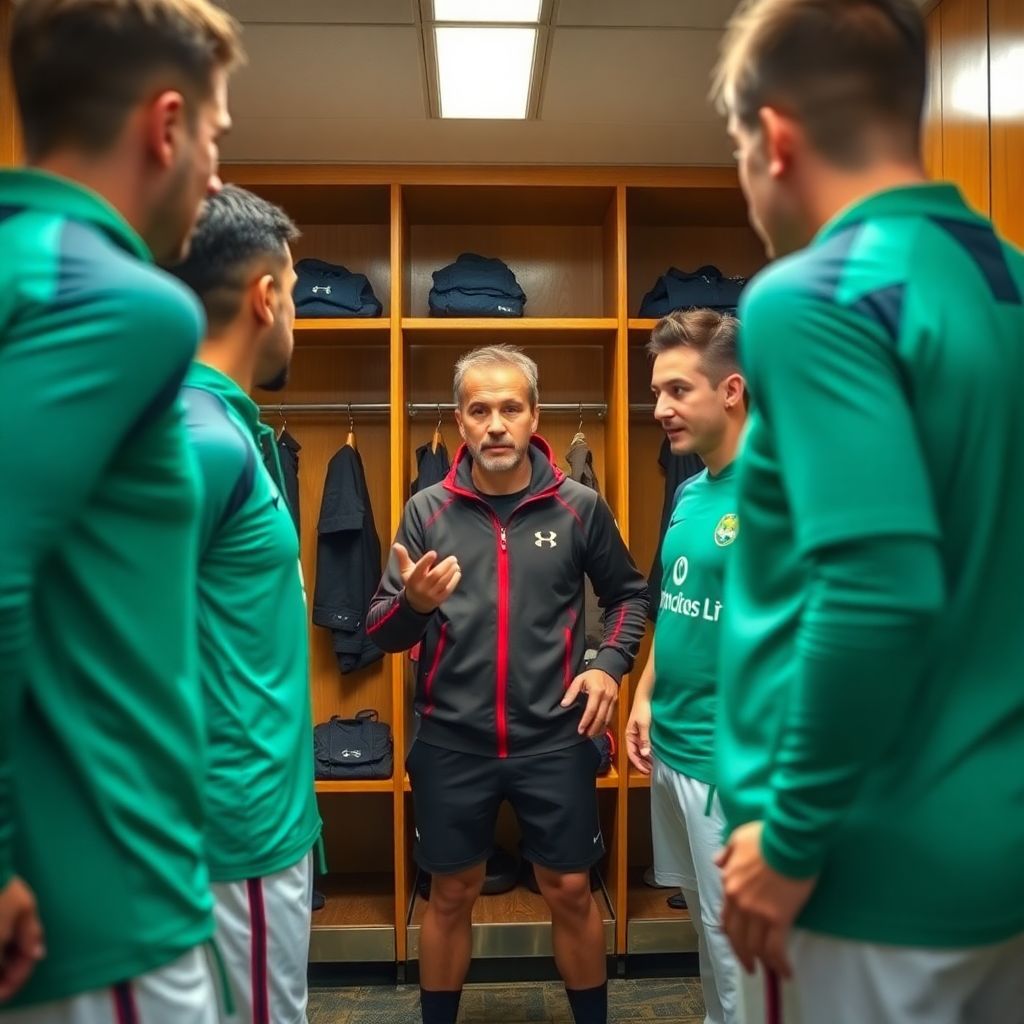
Foreign coaches have changed the Süper Lig by introducing new tactical structures, more intense training and a different dressing-room mentality, but their impact is only positive when clubs adapt these ideas to Turkish realities. Safe progress requires gradual tactical change, clear communication, support staff continuity and realistic expectations about results and player development.
How foreign coaches reshaped the Süper Lig
- They shifted the league from reactive, counter-focused play to more structured pressing and positional attacks.
- They professionalised daily routines with video, data and individual training plans.
- They challenged traditional hierarchies, pushing for shared leadership and accountability.
- They upgraded standards in analysis, youth work and sports science across many clubs.
- They influenced transfer strategy, emphasising profiles and roles instead of only raw talent.
- The Super Lig foreign coaches impact is strongest when boards provide time, stability and cultural support.
Evolution of tactical frameworks introduced by outsiders
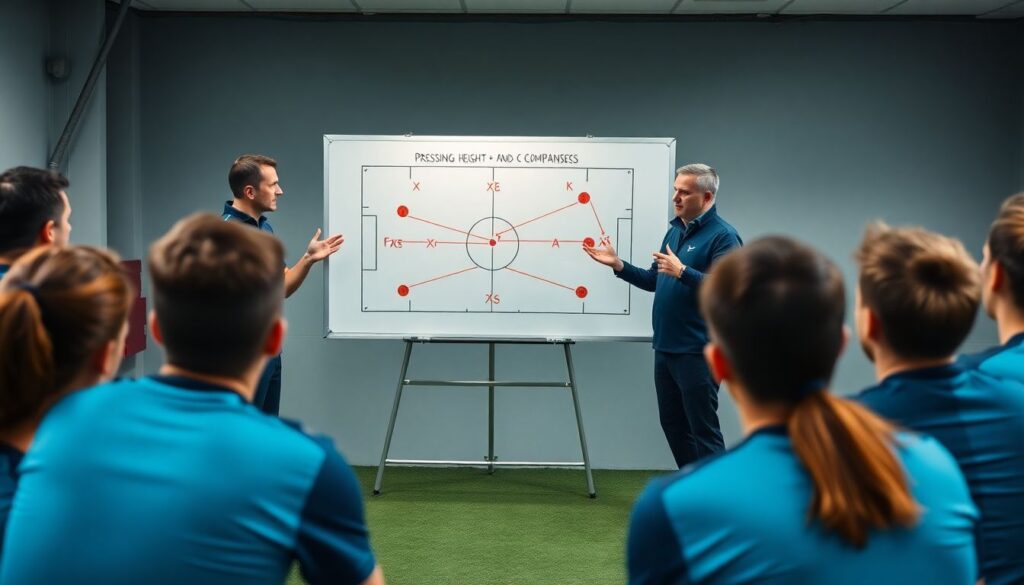
In the Süper Lig, foreign coaches mainly changed how teams defend and build attacks, not only which formation they use. Their biggest influence has been on pressing height, team compactness and clear role definitions between the lines, rather than chasing a fashionable system like 4‑3‑3 or 3‑4‑3.
Earlier, many teams relied on deep blocks, individual quality and emotional momentum at home. With the arrival of some of the best foreign football coaches in Turkey, more clubs adopted organised high or mid pressing, zonal defending and structured build-up from the goalkeeper. This produced more repeatable patterns and less dependence on one star player.
Another part of Super Lig tactical analysis foreign managers brought is flexibility across phases: one shape in possession, another when pressing, and another when defending deep. Outsiders often train these “rest defence” structures carefully, so full-backs and midfielders are positioned to stop counters before they start, not react after losing the ball.
The safe way for Turkish clubs to absorb these tactical frameworks is gradual adaptation. Sudden, radical changes-like jumping from low block to ultra-high press in one pre-season-usually fail. Stepwise changes in line height, distances between lines and build-up patterns help players learn without losing confidence or basic defensive solidity.
Modern training methodologies and coaching routines
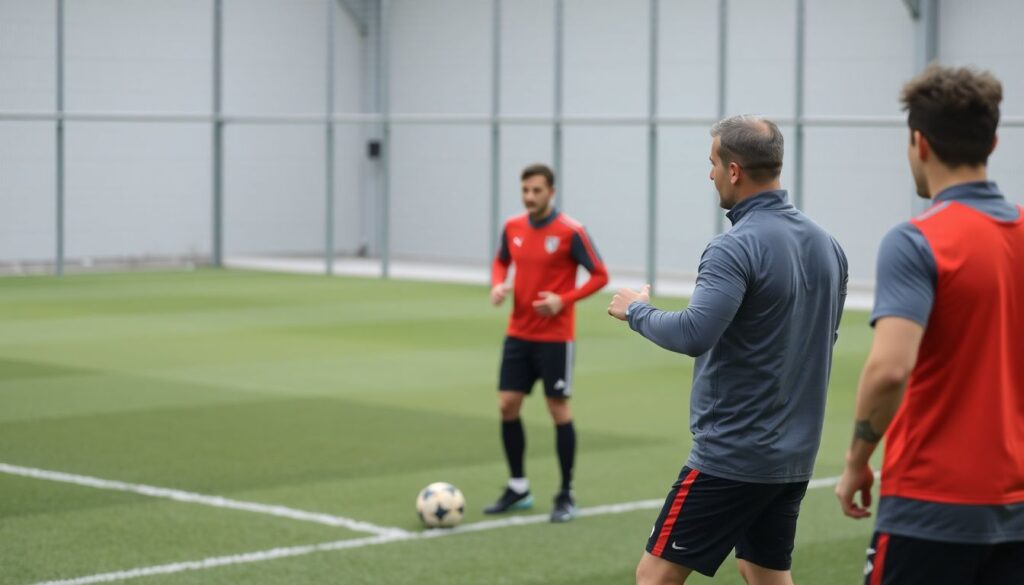
Foreign coaches rarely revolutionise everything on day one. Instead, they layer several modern methods on top of existing habits. Typical building blocks include:
- Game model-driven sessions: Every drill reflects the coach’s game model: pressing triggers, exit routes from pressure, or how the number 6 receives the ball. This replaces random drills with sessions that repeat match situations until they become automatic.
- Integrated physical and tactical work: Conditioning is done with the ball, in realistic spaces and time constraints. This respects the high emotional load of the Süper Lig while raising intensity safely, instead of just adding extra running.
- Regular video analysis: Short, focused clips-both team and individual-are used to correct positioning and decision-making. Foreign football coaches success in Super Lig clubs often correlates with how consistently they use video without overloading players.
- Individual development plans: Key players receive micro-goals (e.g., body orientation, pressing angles, weaker-foot usage). This aligns the player’s ambition with the team’s tactical identity and reduces conflict between “freedom” and “discipline”.
- Periodisation and recovery structure: Weekly planning balances match load, travel and emotional stress. This includes clear recovery protocols, gym sessions and rotation policies, adapted to dense fixture calendars and heavy pitches.
- Interdisciplinary staff meetings: Fitness coaches, analysts and medical staff meet regularly with the head coach. This makes training safer by detecting fatigue early and avoiding overuse injuries, which are a frequent risk when intensity rises too fast.
Shifts in player mentality, leadership and locker-room culture
Foreign coaches do not only import tactics; they also export certain mental habits. Their presence pushes players to see football as a long-term profession rather than a short-term career built on peaks of form and local reputation.
Scenario 1: From emotional spikes to consistent standards
Many Süper Lig teams historically played with fluctuating intensity-huge effort in big derbies, less structure in “smaller” games. Foreign managers try to create daily standards: punctuality, body-fat control, gym attendance, and focus in meetings. Over time, this improves consistency but often meets early resistance.
Scenario 2: Shared leadership groups
Instead of one dominant captain, some outsiders introduce leadership groups: 4-6 players from different age brackets and nationalities. This spreads responsibility for discipline, communication with the coach and the dressing-room mood, reducing dependence on one strong personality who might leave or lose form.
Scenario 3: Honest feedback culture
In place of indirect criticism, foreign coaches may give direct, video-based feedback to players. When handled with respect and supported by assistants who understand Turkish language and codes, this builds trust. Without that cultural bridge, the same honesty can be misread as disrespect.
Scenario 4: Professional handling of star players
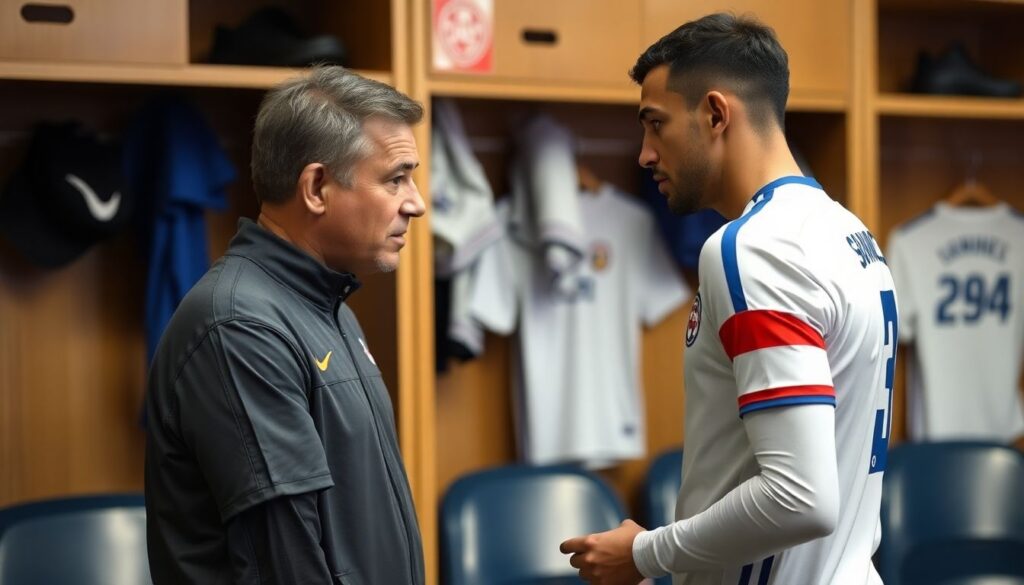
Outsiders often insist that even star players follow the same tactical rules as others. The safe approach is to negotiate non-negotiables (pressing, defensive work rate, body language) while allowing offensive freedom. Overly rigid control of stars, especially local icons, is one of the fastest ways to lose the dressing room.
Scenario 5: Integration of young and foreign players
Foreign coaches tend to rely more on objective training behaviour than on status. This can open doors for academy players and new signings, but only if communication is strong and senior players feel respected. Otherwise, “meritocracy” is seen as an excuse for sidelining local leaders.
Impact on club infrastructure, analytics and youth pathways
Beyond the first team, foreign coaches often leave a structural footprint. Their requests for video tools, GPS, and clearer links between academy and seniors have changed expectations in Turkish Super Lig coaching jobs for foreign managers and local staff alike.
Structural advantages introduced by foreign coaches
- Clear written game model documents shared across age groups, so academy teams prepare players for specific first-team roles.
- Basic performance analysis departments with at least one full-time analyst and shared video libraries.
- Use of GPS or tracking data to monitor training loads and match intensity, making planning safer.
- More structured pathways for promising U19/U21 players to train regularly with the first team.
- Better cooperation between medical, fitness and coaching staff, reducing contradictory instructions to players.
Structural limitations and risks to manage
- Short-term contracts and rapid dismissals mean some infrastructure projects remain unfinished or are abandoned when the coach leaves.
- If only the foreign coach understands the analysis tools, know-how disappears with him instead of staying at the club.
- Overreliance on imported staff can weaken local coaching development and reduce long-term sustainability.
- Investment in technology without training staff leads to “data decoration” with little practical impact on tactics or injury prevention.
- Youth pathways can be blocked again when a new coach focuses solely on experienced signings and immediate results.
Influence on recruitment, player roles and market value
Foreign coaches shape not only how players perform but also which profiles clubs sign and how the market values them. When aligned with club strategy, this is a strength; when mismanaged, it becomes an expensive weakness.
Common mistakes and myths around recruitment
- Myth: A foreign coach guarantees better foreign players. Reality: Quality comes from scouting and budget, not passport. Hiring a coach mainly to attract “his” countrymen often produces unbalanced squads and dressing-room cliques.
- Mistake: Ignoring local player strengths. Some outsiders impose a copy-paste system from another league without considering local tendencies (e.g., creative number 10s, emotionally driven forwards). Safe adaptation modifies roles instead of forcing players into unfamiliar patterns overnight.
- Myth: More pressing automatically increases player value. Pressing systems can hide technical weaknesses. Scouts from stronger leagues look for adaptable players who can also play in more controlled possession environments, not only runners.
- Mistake: Overfilling the same positions. Coaches who focus on their favourite roles (e.g., multiple number 8s) can create salary-heavy squads with gaps in other positions. Club management must balance the coach’s wish-list with a medium-term squad plan.
- Myth: Successful imports in one club will repeat elsewhere. foreign football coaches success in Super Lig contexts is highly club-specific. Players who flourished under one foreign coach in a stable environment may struggle badly under another style or in a more chaotic dressing room.
Assessing competitive outcomes and long-term league trends
The Super Lig foreign coaches impact is best judged by comparing how teams perform before, during and after a foreign coach’s tenure, not just by looking at trophies. Useful indicators include league position, goal difference, chance creation, and how many young players become regulars.
Consider a mini-case: a mid-table club appoints a foreign manager known for organised pressing. In season one, the team’s final position changes little, but they concede fewer shots and blood two academy players in clear tactical roles. In season two, with minimal squad upgrades, they climb the table because the structure already existed; the coach simply fine-tunes the details.
A simple way for club boards to “debug” decisions is to separate coach impact from noise:
// very high-level reasoning, not real code
If (playing style clarity ↑ AND young players minutes ↑)
    AND (results stable or slightly better)
Then
    Continue project; tactical base is forming.
Else if (style unclear AND constant formation changes)
    Review recruitment, staff structure and communication, not only the head coach.
Over time, accumulation of foreign ideas has made the league tactically richer. However, without stable ownership, realistic aims and patience, even the best foreign football coaches in Turkey cannot deliver sustainable change or withstand constant short-term pressure.
Quick self-audit checklist for Turkish clubs
- Have we defined what we expect tactically and culturally from a foreign coach, beyond “better results”?
- Can at least two local staff members explain and run the coach’s main training principles if he leaves tomorrow?
- Are we changing tactics gradually enough that core players understand their roles under pressure?
- Do our recruitment and academy plans align with the coach’s game model, not fight against it?
- Do we evaluate success with both results and structural indicators (youth integration, style clarity, injury profile)?
Common practical concerns and clarifications about foreign coaches
Do foreign coaches always bring better tactics to the Süper Lig?
No. Some bring advanced tactical ideas, others are average. The difference is usually preparation and communication, not nationality. Clubs should evaluate the clarity of the game model, adaptability to local players and past work in similar environments.
How long does it normally take for players to adapt to a new foreign coach?
Adaptation depends on how radical the change is and how well it is explained. When tactical shifts are introduced step by step and staff speak the players’ language, improvements in structure and understanding usually appear before big jumps in results.
Is it risky to give full control of transfers to a foreign manager?
Yes, if there is no strong sporting director or long-term squad plan. A safer model is shared responsibility: the coach defines profiles and roles, while club management controls budget, contract length and balance across positions.
Can a foreign coach succeed without speaking Turkish?
It is possible but harder. Success without the local language requires excellent translators, culturally aware assistants and simple, repeated messages. Over time, even basic Turkish helps build trust with players, staff and media.
How should clubs evaluate foreign coaches beyond league position?
Clubs should also track style clarity, defensive and offensive organisation, development of young players, training standards and injury trends. These indicators show whether a project is moving in the right direction even when short-term results fluctuate.
Do foreign coaches block opportunities for Turkish coaches?
They can, but they can also accelerate local development if knowledge is shared. Clubs that pair foreign head coaches with ambitious Turkish assistants often create a pipeline of better-prepared local managers for the future.
What is the safest first step before hiring a foreign coach?
Define a clear club identity document: preferred playing style, patience level, youth policy and budget boundaries. Then search for coaches whose track record and communication style fit that identity, instead of hiring only by name or popularity.