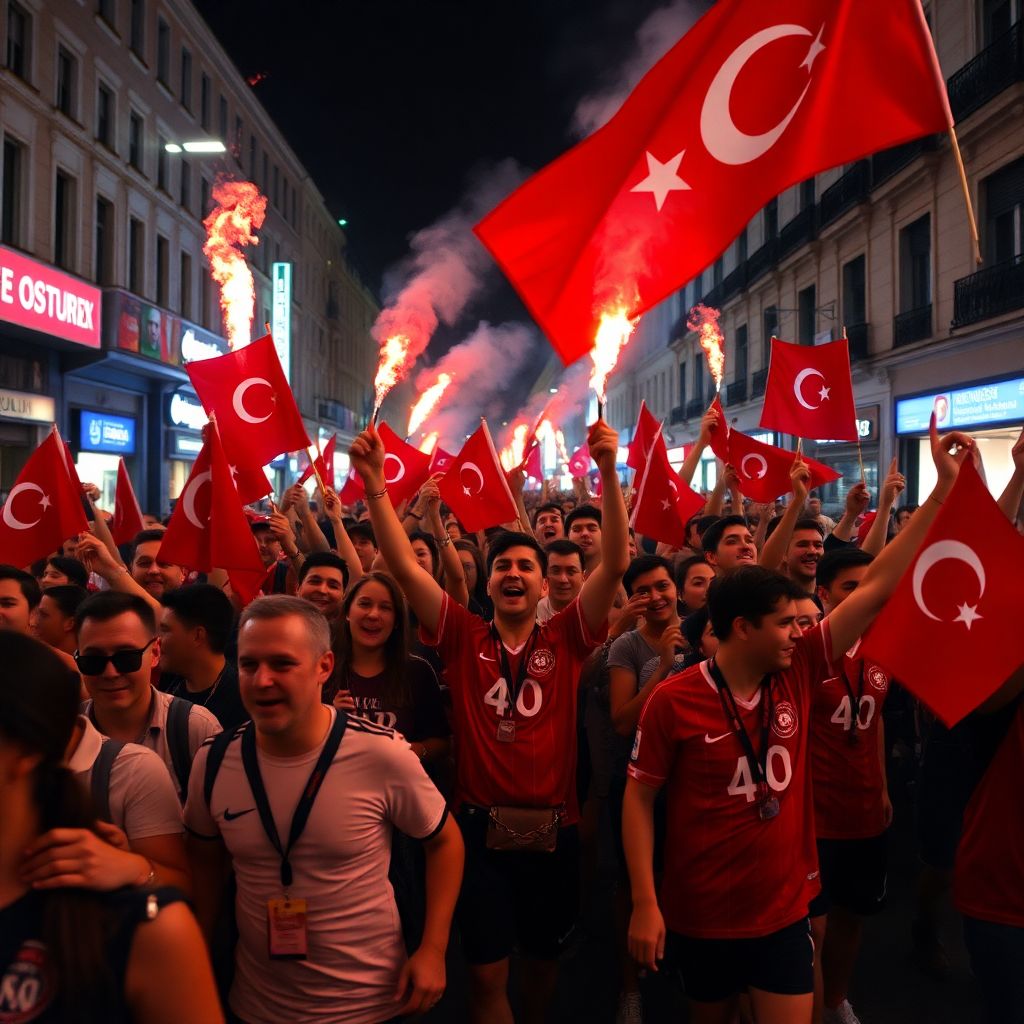
World Cup and EURO tournaments influenced football culture in Turkey by amplifying national pride, reshaping fan rituals, accelerating youth development, and professionalising media and sponsorship. Their impact is strongest around specific peaks (like deep tournament runs or hosting rights) and then diffuses into clubs, academies, coaching methods, matchday habits and even everyday social life across Turkish cities and diaspora communities.
Myths versus evidence on tournament influence
- Myth: One World Cup or EURO appearance permanently transforms Turkish football; in reality, effects are uneven and need follow‑up investment to last.
- Myth: International hype alone fills stadiums; sustained attendance in Turkey depends on league quality, affordability and local rivalries.
- Myth: Every good tournament immediately produces world‑class Turkish stars; it more often boosts scouting interest than guarantees careers.
- Myth: Tactical revolutions arrive overnight from big tournaments; coaches usually adopt selected ideas and blend them with local realities.
- Myth: Media and sponsorship benefits are automatic; Turkish clubs and the federation must actively package stories, content and partnerships.
- Myth: Fan culture is simply imported from abroad; Turkish supporters adapt global trends into existing ultra, family and café cultures.
Myths: Where perceptions overstate the World Cup and EURO effects
When people talk about how World Cup and EURO tournaments influenced football culture in Turkey, discussion often starts with exaggerated expectations. Supporters, media and even officials sometimes imagine a single tournament will solve structural issues: stadiums will be full forever, academies will flourish and European giants will constantly buy Turkish players.
In practice, the influence of World Cup and EURO participation is real but conditional. Tournaments act as short, intense shocks: they raise visibility, emotional engagement and commercial interest. Whether these gains persist depends on how clubs, schools, municipalities and the federation respond in the following years with coaching education, infrastructure, ticketing and fan engagement.
Another common misunderstanding is that influence flows in one direction: from elite international football down to Turkey. In reality, Turkish fan culture, music, choreography and social media content also feed back into the global image of tournaments, especially when large travelling groups or diaspora communities activate during events.
Finally, many assume all mega‑tournaments work the same way. World Cups, usually involving global travel and longer cycles of preparation, shape long‑distance fandom, tourism services and merchandise such as Turkey football jerseys World Cup editions. EURO tournaments, including the build‑up around EURO 2024 Turkey tickets, tend to affect regional rivalries, perceptions of European identity and relationships with neighbouring football cultures.
Shaping identity: how tournaments altered Turkish fan culture
International tournaments have gradually redefined what it means to be a football supporter in Turkey. The process has not erased traditional club loyalties, but layered national‑team experiences on top of them.
- National identity on global display: World Cup and EURO matches placed the Turkish flag, language and songs on the world stage, reinforcing a sense of shared identity beyond club colours. Fans integrated national symbols into everyday life, from car flags to profile photos.
- Hybrid club-country loyalties: In tournament summers, even intense domestic rivals gather to watch matches together. This created a dual identity: fierce club partisan most weekends, national‑team supporter during World Cup and EURO windows.
- Public viewing culture and street celebrations: Major cities and coastal resorts normalised watching games in squares, parks and Turkish sports bars to watch World Cup and EURO matches. Choreographed celebrations, car convoys and late‑night horn parades became familiar rituals after dramatic wins.
- Merchandising and self‑expression: Replica kits, scarves and casual wear shifted from being matchday‑only items to daily fashion. Turkey football jerseys World Cup designs, special EURO editions and retro shirts became tools for fans to express both style and belonging.
- Digital fan communities: Social platforms allowed Turkish fans to comment live with global audiences. Memes, tactical threads and fan‑made highlight compilations extended matchday emotions into continuous online engagement.
- Tourism‑driven fandom: The growth of football tours to Turkey World Cup and EURO themed trips, plus outbound travel to host nations, created a new figure: the football tourist who plans holidays around fixtures while exploring Turkish or European cities.
Talent pipelines: youth academies, scouting and player development after international events
The most durable football changes in Turkey after big tournaments appear in how young players are identified, trained and transitioned into professional environments. International exposure raises aspirations and standards across several layers.
- Inspiration spikes in grassroots participation: Strong World Cup or EURO performances from Turkish players motivate children to join local clubs, school teams and municipal academies. Grassroots coaches report increased interest in training sessions, especially in the months immediately after successful campaigns.
- Academy professionalisation: When international tournaments highlight technical and physical benchmarks, leading Turkish clubs adjust academy curricula, incorporating more structured periodisation, nutrition and video analysis. Training environments aim to replicate the tactical intensity observed at World Cups and EUROs.
- Scouting networks and data use: Tournament visibility encourages both foreign and domestic scouts to track Turkish youth more systematically. Clubs respond by improving data collection, match recording and scouting reports to position their prospects in continental markets.
- Position‑specific development: Observing which profiles succeed in tournaments (ball‑playing centre‑backs, pressing forwards, modern full‑backs) pushes academies to refine position‑specific training. Turkish youth setups increasingly drill players in roles compatible with contemporary international tactics.
- Pathways to European leagues: After eye‑catching tournament performances by Turkish internationals, European clubs often become more willing to invest in players directly from the Süper Lig or even from top academies. This raises the perceived value of producing export‑ready talent.
- Collaboration with schools and universities: High‑profile tournaments make it easier to argue for dual‑career models that combine education with football. Partnerships between clubs and educational institutions expand, aiming to protect players who do not reach elite level.
Tactical and technical spillovers: coaching, club strategies and transfers
World Cups and EUROs also affect how Turkish teams play and train, though the translation from international showcase to weekly league football is selective and sometimes slow.
- Adoption of pressing and compactness: Coaches study successful tournament teams to refine pressing triggers, defensive blocks and transition play, then tailor these concepts to the Süper Lig tempo and squad profiles.
- Set‑piece innovation: Creative corner routines, free‑kick screens and throw‑in schemes seen at tournaments inspire specialised work at Turkish clubs, often supported by analysts and dedicated set‑piece coaches.
- Emphasis on versatility: Players who perform multiple roles in tournaments increase demand for flexible profiles in Turkey. Coaches value midfielders and full‑backs capable of switching positions within a match.
- Transfer market recalibration: Post‑tournament windows can push Turkish clubs to target nations or player types that performed well, while also providing opportunities to sell local stars who raised their profile on the global stage.
- Coaching education content: Federation courses and seminars often use specific World Cup or EURO matches as case studies, helping local coaches internalise tactical principles through concrete examples.
At the same time, several constraints limit how far tournament tactics can reshape Turkish football.
- Different calendar and climate: Summer tournaments played on top surfaces and in highly controlled conditions do not fully mirror winter fixtures in Turkey, so direct tactical copying can be risky.
- Squad turnover and budget limits: National teams select best‑in‑generation talent; many Turkish clubs cannot recruit comparable profiles, forcing compromises on style.
- Pressure for immediate results: Coaches who experiment with complex tournament‑inspired systems may face short‑term results dips, which some boards or supporters are unwilling to tolerate.
- Infrastructure gaps: Detailed tactical models require consistent training pitches, sports science support and video infrastructure, which are unevenly available across the Turkish pyramid.
- Cultural expectations: Fans often associate “Turkish football” with high emotion and attacking risk. Ultra‑pragmatic approaches admired in tournaments can be criticised domestically as too cautious.
Media, sponsorship and the evolving matchday experience
Broadcasting and commercial partners in Turkey learned to use tournaments as both content engines and testing grounds for new formats, but myths about automatic commercial success can mislead clubs and venues.
- Assuming attention equals loyalty: Temporary spikes in TV ratings or social media engagement during World Cups and EUROs do not automatically convert into long‑term club followership or season ticket sales. Structured campaigns and community outreach are needed.
- Overpricing the experience: Some venues and event organisers respond to tournament hype by sharply raising prices for food, drinks and viewing access. This can alienate local supporters, especially families, and push fans back to home viewing.
- Ignoring digital matchday layers: Treating matchday as only the ninety minutes on screen misses streaming, multi‑screen and social interaction habits that tournaments have normalised. Successful Turkish sports bars to watch World Cup and EURO games integrate Wi‑Fi, live polls and social sharing incentives.
- One‑size‑fits‑all sponsorship: Sponsors sometimes activate with generic global campaigns that fail to reflect Turkish humour, music or fan rituals. Locally rooted storytelling performs better, especially when highlighting regional foods, chants or supporter groups.
- Neglecting women and family fans: Tournament viewing often attracts more mixed‑gender and family groups. Clubs and venues that design safer, more inclusive spaces during these periods can permanently expand their core audience.
- Underusing travel synergies: Travel agencies selling World Cup Turkey football travel packages and EURO 2024 Turkey tickets sometimes promote only the games themselves. Bundling stadium visits, museum tours and local club experiences would deepen connections with Turkish football culture.
Institutional responses: federation, state and grassroots policy shifts
Large tournaments regularly trigger policy debates within the Turkish Football Federation, ministries and municipalities about infrastructure, regulation and social outcomes. One can think of a step‑by‑step pattern that repeats after each notable World Cup or EURO cycle.
Typical sequence:
- Public mood and narrative: After a memorable tournament campaign, public discourse frames football as a national priority, emphasising unity, soft power and economic potential.
- Strategic reviews: The federation and government commission assessments on stadium conditions, league structures, youth development and referee standards, comparing Turkey with successful nations showcased at the tournament.
- Policy trials: New rules or pilot programmes appear: updated foreign‑player limits, incentives for home‑grown minutes, funding for pitch renovations, or grassroots projects in under‑served regions.
- Implementation gaps: Some initiatives progress, especially visible ones like stadium upgrades, while more complex reforms (coach education, long‑term academy standards) may slow without sustained political and financial support.
- Learning and recalibration: By the next World Cup or EURO, policymakers revisit what worked, often keeping successful infrastructure investments while revising or abandoning ineffective regulations.
This cycle shows that tournaments are catalysts rather than complete solutions: they concentrate attention and unlock possibilities, but the depth of change depends on continuous follow‑through from institutions at every level of Turkish football.
Practical tips for fans and visitors in tournament seasons
For supporters planning to experience Turkish football culture around major tournaments, a few focused steps can make the journey smoother and more meaningful.
- Combine matches with local derbies: When booking football tours to Turkey World Cup and EURO themed trips, try to include at least one intense domestic fixture. This reveals how club culture complements national‑team passion.
- Buy tickets and packages early: For high‑demand games, secure EURO 2024 Turkey tickets or World Cup‑related allocations as soon as official sales open, avoiding unverified resellers and inflated secondary markets.
- Explore neighbourhood fan hubs: Instead of only central tourist areas, visit traditional fan districts where local supporters gather, including smaller Turkish sports bars to watch World Cup and EURO evenings with authentic chants and décor.
- Choose merchandise with context: When purchasing Turkey football jerseys World Cup or EURO editions, learn the story behind the design year, squad and key matches to turn a souvenir into a conversation piece.
- Respect local norms: Familiarise yourself with stadium security rules, choreography etiquette and club rivalries. Simple gestures, like using local chants correctly, help visitors integrate respectfully into Turkish matchday culture.
Concise answers to recurring questions about tournament impact
Did World Cup and EURO tournaments permanently change football in Turkey?
They changed it significantly but not permanently by themselves. Tournaments created emotional peaks, infrastructure investments and tactical learning, yet the lasting effects depend on how clubs, schools and the federation continue to build on those moments.
Which had a bigger cultural impact in Turkey, the World Cup or EURO tournaments?
World Cups tend to shape global visibility, tourism and diaspora pride, while EUROs more strongly influence regional rivalries, European identity and practical travel patterns. Both matter; their cultural footprints are different rather than directly comparable in size.
How did tournaments affect everyday fan habits in Turkey?
They normalised public viewing, late‑night celebrations and year‑round shirt wearing, and they strengthened digital communities. Many fans who first engaged during tournaments later adopted regular league‑watching routines, both at home and in public venues.
Are youth players in Turkey better developed because of World Cups and EUROs?
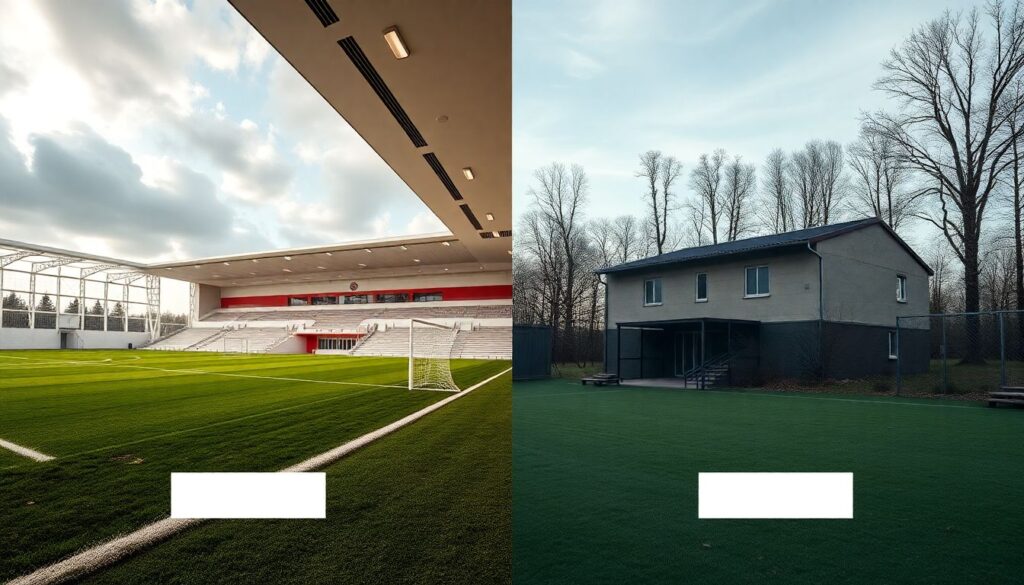
Overall standards have improved where clubs and academies used tournaments as benchmarks to modernise training, scouting and support structures. However, gains are uneven across regions and depend strongly on club resources and coaching quality.
Do Turkish clubs copy tactics directly from international tournaments?
Coaches often study tournament trends, but they rarely copy systems wholesale. Instead, they adapt pressing patterns, set pieces and player roles to the realities of their squads, league calendars and financial constraints.
Have mega‑tournaments made Turkish football more commercialised?
Yes, they encouraged more sponsorship, broadcast innovation and tourism offers, yet commercialisation is moderated by fan price sensitivity and cultural expectations. Sustainable growth requires balancing revenue goals with accessible, inclusive matchday experiences.
Is travelling to Turkey for football during tournaments worth it for neutral fans?
It can be highly rewarding, especially when combining national‑team fixtures with local league or cup games. Visitors gain a layered view of Turkish football culture, from intense club atmospheres to shared national celebrations in streets and cafés.