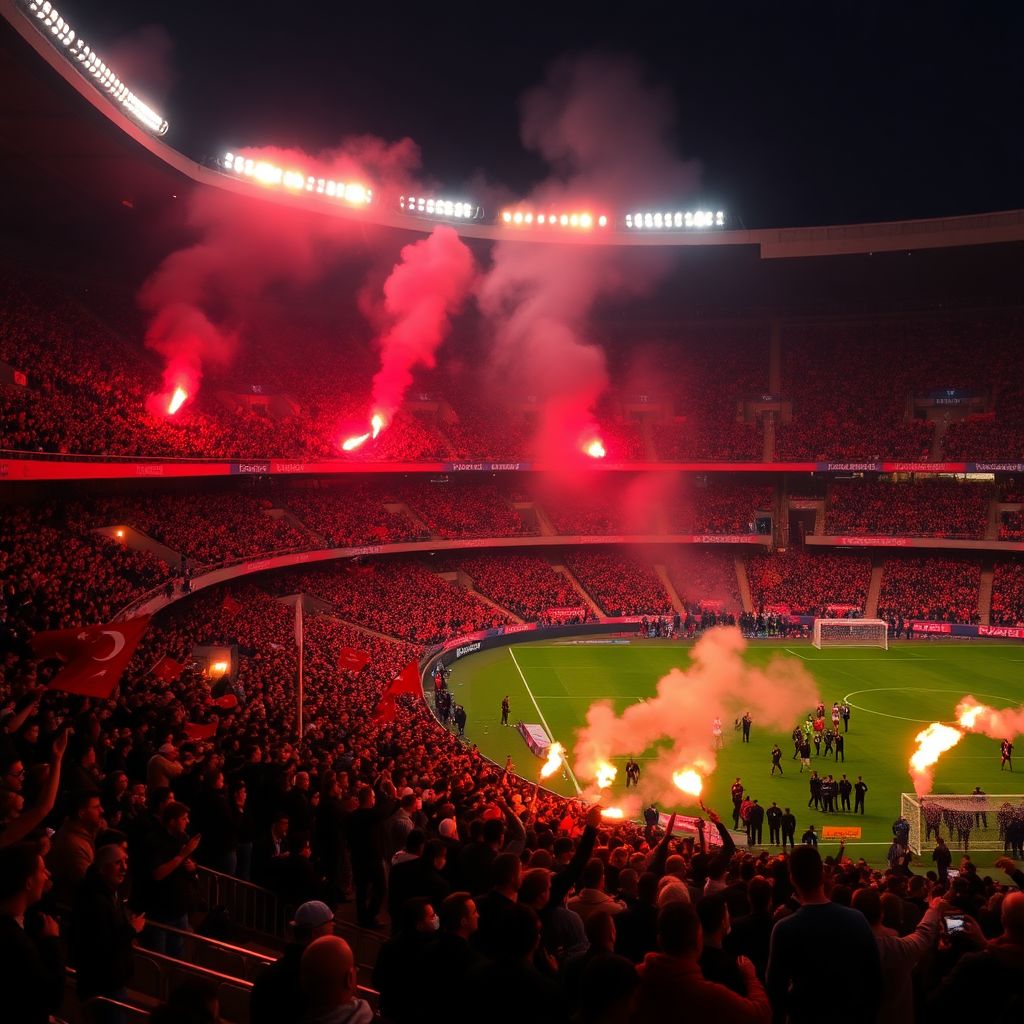
Turkey’s biggest football derbies are intense, historically layered clashes that shape identity in Istanbul and across Anatolia. They involve more than sport: class, geography, politics, fan culture, and tourism all intersect. To understand them correctly, avoid sensational myths, recognise regional diversity, and see how security, governance, and media narratives influence what happens on and off the pitch.
Myths and misconceptions about Turkey’s derbies
- Thinking only Istanbul matters: Ankara, Izmir and Anatolian clashes like Trabzonspor vs Bursaspor also carry deep social meaning.
- Equating all matches with violence: most derbies are tense but routine, with heavy organisation and incident‑prevention protocols.
- Assuming politics fully explains everything: class, neighbourhood history, and club culture are often more decisive than party politics.
- Believing every derby is the same: Galatasaray-Fenerbahçe, Beşiktaş-Galatasaray and Fenerbahçe-Beşiktaş each has a distinct origin story and symbolism.
- Reducing fans to hooligans: ultra groups combine choreography, charity work, and local activism alongside a small minority of risk‑takers.
- Romanticising risk for visitors: ignoring police guidance and club rules when chasing istanbul football derby travel packages quickly turns a dream trip into a logistical or legal problem.
Origins and evolution of the Istanbul rivalry
In Istanbul, derbies began as contests between schools, districts, and communities long before Turkey’s professional era. Galatasaray and Fenerbahçe grew from different social circles and city geographies, then turned into symbols that many people adopt for life. Beşiktaş, rooted in an older neighbourhood, later formed its own distinct axis of rivalry.
These rivalries evolved with the city itself. Industrialisation, internal migration, and the growth of the Turkish Republic changed who lived where, how people worked, and how they supported clubs. The Super Lig era gave these old tensions a regular calendar, television visibility, and stronger economic stakes for every derby date.
Over time, Istanbul derbies became reference points for national conversations. Controversial red cards, pitch invasions, and title‑deciding clashes were replayed for years in the media. Understanding this evolution helps correct the idea that derbies are only about ninety minutes; they are moving stories of how Istanbul’s districts, classes and generations negotiate status and belonging.
Anatolian clashes: Trabzonspor, Bursaspor and regional pride
Outside Istanbul, Anatolian derbies correct another myth: that football intensity lives only on the Bosphorus. Trabzonspor’s Black Sea base and Bursaspor’s Marmara roots show how regional economic and cultural identities are expressed through football, often with less media attention but equally strong emotions and narratives.
- Local identity vs Istanbul dominance – Anatolian clubs frequently frame derbies as a stand against metropolitan power, whether their opponent is from Istanbul or another strong regional city.
- Economic competition between cities – Industrial, agricultural or port rivalries spill into stadiums, especially when city leaders and local businesses align themselves with the club.
- Migrant communities in big cities – Supporters from Trabzon, Bursa or other regions who moved to Istanbul keep regional derbies alive in away ends and fan associations.
- Different media spotlight – With fewer global cameras, local radio, newspapers and social media accounts shape derby narratives more than international broadcasters.
- Stadium as civic arena – Local grievances about infrastructure, unemployment or perceived disrespect from the centre often surface through choreographies, banners and chants.
- Interaction with Istanbul trips – Fans travelling from Anatolia for big away matches must navigate stricter policing and logistics, especially when organising turkey super lig derby match tickets booking for groups.
Iconic fixture profiles: Galatasaray-Fenerbahçe, Beşiktaş-Galatasaray, Fenerbahçe-Beşiktaş
Each major Istanbul fixture expresses rivalry in its own way, which is why treating them as identical is a mistake. The Galatasaray-Fenerbahçe derby is often framed as the central axis of Turkish football, combining historic school roots, cross‑Bosphorus geography, and a long series of league‑deciding battles.
Beşiktaş-Galatasaray derbies highlight contrasts between an older residential district with a strong local identity and a club historically linked with an elite school and central neighbourhood. Narratives often centre on style of support: more grounded and street‑based versus more corporate or globalised, depending on who is telling the story.
Fenerbahçe-Beşiktaş fixtures are usually described through their intense atmospheres and east‑vs‑west city narratives within Istanbul’s own map. Each pairing also has its own travel and ticketing culture: for visitors planning a turkish football derbies tour istanbul tickets schedule, recognising these differences helps avoid mismatched expectations about atmosphere, risks, and accessibility.
These fixtures also feed a growing event‑tourism market. People look for galatasaray fenerbahce derby tickets online or besiktas galatasaray derby vip hospitality packages, often forgetting that local members and season‑ticket holders have priority. Misunderstanding this structure leads to overpriced resales, scams, or disappointment when travel plans do not match actual ticket availability.
Supporter culture: chants, ultras, and matchday rituals
Supporter culture around Turkish derbies mixes creativity, organisation, and risk. Ultras choreograph tifos, co‑ordinate chants, and manage away‑day logistics. At the same time, small groups and individuals may push boundaries with pyrotechnics, confrontations or illegal resale, which can bring sanctions on entire fan bases if not controlled.
Positive aspects of derby supporter culture
- Elaborate visual displays (tifos, flags, coordinated colours) that turn derbies into city‑wide cultural events.
- Complex chant traditions that preserve local slang, humour, and shared memories across generations.
- Organised travel to away matches, including pooled transport and accommodation that reduce individual costs.
- Charity campaigns, commemorations, and social projects built around derby days, strengthening community bonds.
- Economic benefits for local businesses on matchday: cafes, bars, street food, and unofficial merchandise sellers.
Constraints, risks, and practical limits
- Strict security regulations on banners, megaphones, and pyrotechnics that can limit traditional choreography.
- Risk of collective punishment (closed stands, away bans) when a minority misbehaves during heated derbies.
- Ticket scarcity and member priority that leave little room for casual buyers, especially during title‑impact matches.
- Language and procedural barriers for foreign visitors when navigating turkey super lig derby match tickets booking through official platforms.
- Commercialisation of fan areas and rising prices, particularly around hospitality sections and corporate boxes.
Political, social, and economic dimensions of derby clashes
Derbies are frequently misread as direct reflections of national politics. While political tensions sometimes colour banners or chants, daily realities such as rent, employment, and neighbourhood change often explain fan anger more precisely. Viewing everything through a political lens can hide how class and urban planning shape who feels at home in the stadium.
- Over‑politicising every banner – Not all messages are partisan; many aim at club boards, federations, or commercial partners rather than governments.
- Ignoring economic pressure on fans – Ticket price rises, transport costs, and match scheduling strongly influence protests, yet are often under‑reported.
- Assuming homogeneous fan groups – Each stand mixes various political views; ultras are rarely a single, unified bloc with one agenda.
- Overlooking tourism and hospitality – The growth of istanbul football derby travel packages and corporate boxes changes who attends and who is priced out, creating quieter but deeper tensions.
- Underestimating informal economies – Street vendors, unofficial tour guides, and scalpers shape the derby experience, especially for visitors seeking last‑minute galatasaray fenerbahce derby tickets online.
- Confusing visibility with importance – Highly televised incidents or choreographies can seem central, while more routine, long‑term issues such as youth development or stadium access stay in the background.
Security, governance, and media framing of derby incidents
Security arrangements around big derbies involve layered planning between clubs, local authorities, police, and transport agencies. This framework aims to channel intense emotions into safe celebration while reducing confrontation points. Media coverage often focuses on isolated clashes, which can distort the broader picture if not balanced with context about preparation and risk management.
A useful way to understand how incidents escalate or are prevented is to trace a simplified timeline from planning to post‑match reporting. This helps identify common errors by organisers, fans, and visitors, and shows where small decisions – such as ticket collection timing or away‑fan escort routes – can have large effects on safety and perception.
Mini‑case (simplified logic of a high‑risk derby day):
// Pre‑match
define risk_level = "high";
if (risk_level == "high") {
    restrict away allocation;
    stagger arrival windows;
    increase public transport capacity;
}

// Ticketing
if (selling istanbul football derby travel packages) {
    prioritise official channels;
    publish clear rules in multiple languages;
    warn against street resales;
}

// Matchday
if (crowd density rises && exit routes narrow) {
    open additional gates;
    communicate via loudspeakers and social media;
}

// Media
if (incident occurs) {
    verify facts before broadcast;
    contextualise with overall safety record;
}
This simple structure shows where misunderstandings and shortcuts create problems. Visitors who chase last‑minute turkish football derbies tour istanbul tickets outside official systems, or rely on unlicensed sellers instead of verified turkey super lig derby match tickets booking platforms, increase their own risk while complicating crowd management for everyone else.
Concise answers to recurring derby controversies
Are Turkish derbies always dangerous to attend?
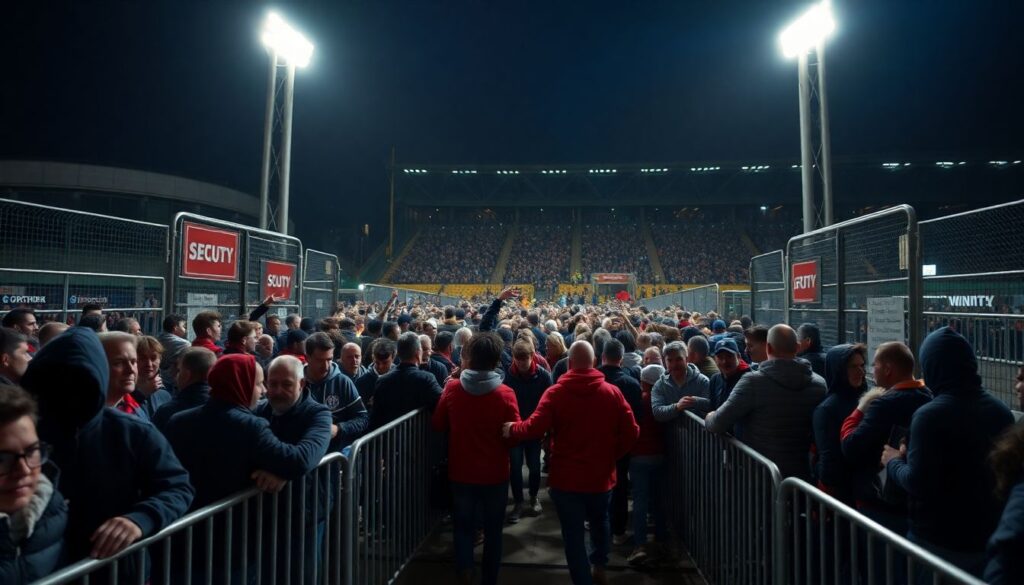
No. They are intense and tightly controlled events with detailed security planning. Risks can increase when fans ignore guidance, use unofficial tickets, or arrive late and intoxicated. Following official instructions and staying within designated routes greatly reduces personal danger.
Why are Istanbul derby tickets so hard to find for visitors?
Member systems, season tickets, and high demand mean very few seats reach public sale. Tourists often underestimate this and rely on scalpers. Using club partners, reputable agencies, or hospitality options like besiktas galatasaray derby vip hospitality packages is safer than last‑minute street offers.
Do Turkish derbies reflect national political divisions?
Sometimes, but not always. Political messages appear, yet many conflicts relate more to club management, ticket prices, and local identity. Treating every chant or banner as purely political oversimplifies a more complex social landscape inside the stands.
Is violence between ultra groups inevitable in big derbies?
No. When travel, ticketing, and segregation are well managed, derby days pass with minimal incidents. Problems usually arise from miscommunication, illegal alcohol or pyrotechnics, or unmanaged contact points before and after the match.
Can I safely buy Galatasaray-Fenerbahçe tickets online from resellers?
Only if the reseller is officially authorised by the club or league. Many sites are unofficial, selling overpriced or invalid seats. Verify links on club websites, and be wary of packages that do not clearly state the source of galatasaray fenerbahce derby tickets online.
Why do the media focus so much on negative derby stories?
Fights, flares, and scandals attract clicks and international attention. Routine, well‑managed derbies are less newsworthy, so coverage can overemphasise extremes. Reading local analyses and club communications provides a more balanced picture.
Are organised derby travel packages worth the price?
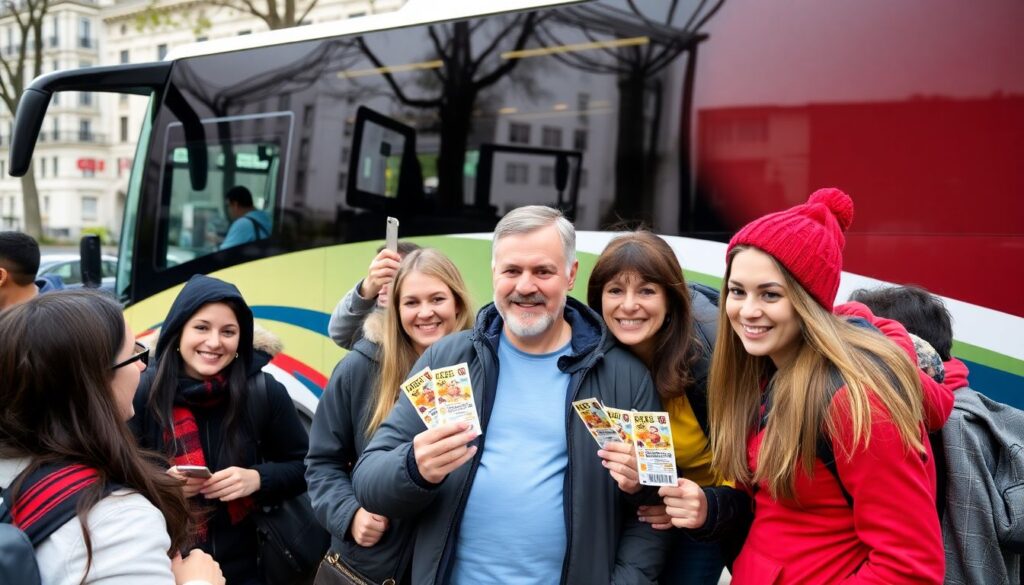
For many visitors, yes, because they bundle secure tickets, local guidance, and transport. Istanbul football derby travel packages reduce language and logistics barriers, though you still need to check that the organiser uses official ticket channels and clearly explains all conditions.