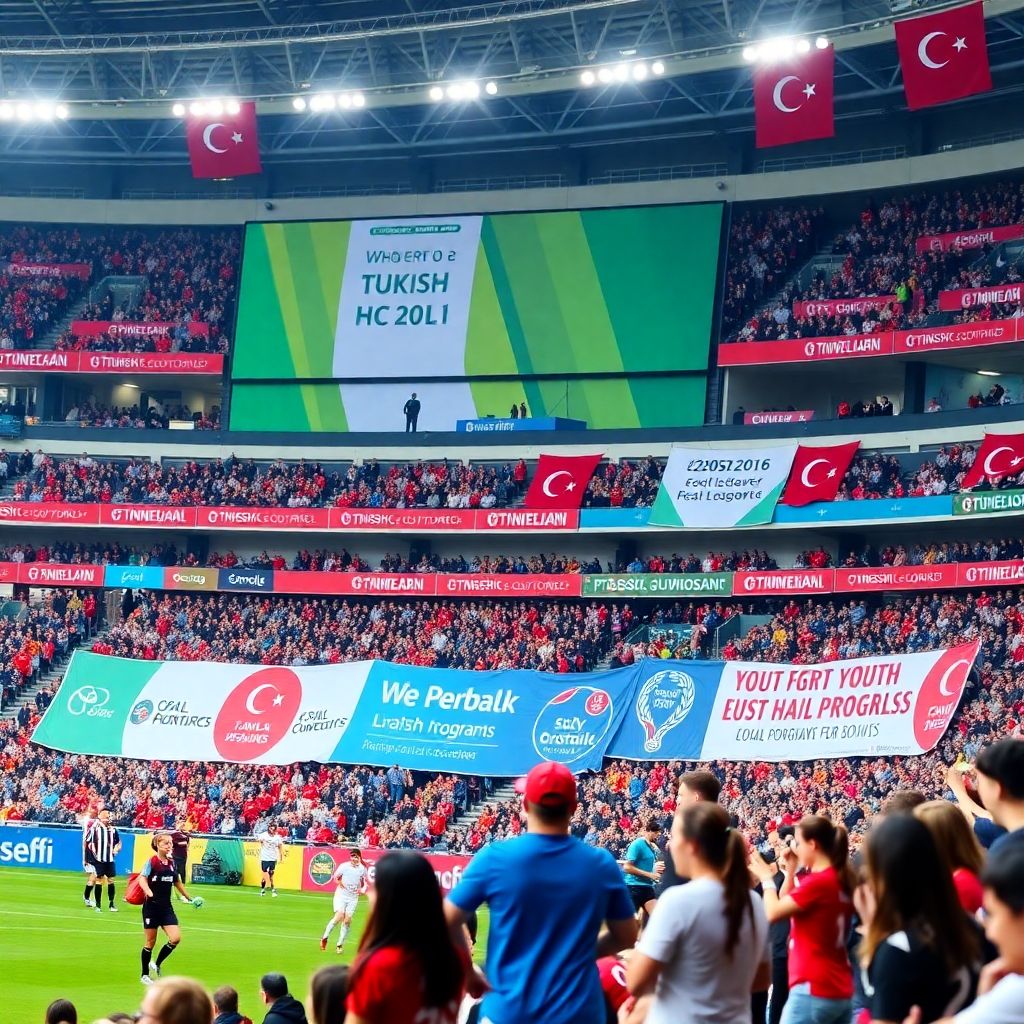
Women’s football in Turkey is growing but still constrained by funding, facilities, and visibility gaps. To move from promise to sustainable success, stakeholders should strengthen club structures, protect budgets, build youth pathways, market the women’s game actively, and align federation and local-government policies around clear 1-5 year development targets.
Rapid-Action Executive Summary for Stakeholders
- Consolidate and stabilise the women’s football Turkey league structure, with predictable calendars and transparent promotion/relegation rules.
- Ring-fence minimum budgets, training slots, and medical support for women’s teams inside multi-sport and men’s clubs.
- Build regional youth hubs (U13-U19) feeding directly into the best women’s football clubs in Turkey.
- Turn national team peaks (e.g., turkey women’s national football team fixtures) into campaigns that drive attendance and TV coverage.
- Standardise commercial frameworks for media, sponsorship, and turkish women’s super league tickets to grow shared revenue.
- Use local-government support (facilities, transport, promotion) to make it easy and safe to watch women’s football live in turkey.
Current Landscape: Clubs, Leagues and Participation Trends
Developing women’s football in Turkey is suitable for federations, clubs, municipalities, universities, and sponsors ready to commit consistently over several seasons, not just one-off campaigns.
The women’s football Turkey league ecosystem revolves around the top tier and lower divisions, plus school and university competitions. Many clubs are attached to traditional men’s clubs; others are community-driven, especially in Anatolia and the Southeast.
This approach is appropriate if you can:
- Guarantee stable match calendars and basic operational budgets for at least three years.
- Secure safe training and match facilities for girls and women, including in conservative areas.
- Coordinate stakeholders (club, municipality, sponsors, schools) around shared development goals.
It is not advisable to launch ambitious women’s programmes if:
- Your club or organisation is in severe financial instability and cannot pay staff or existing teams on time.
- You plan only a short-term project for PR without long-term commitment to girls’ and women’s pathways.
- Local context makes it impossible to guarantee safety, basic medical cover, or regular access to pitches.
Structural Barriers: Financing, Facilities and Governance Gaps
Before expanding women’s football structures, confirm that you have the essential tools, agreements, and access in place.
Financial and organisational requirements
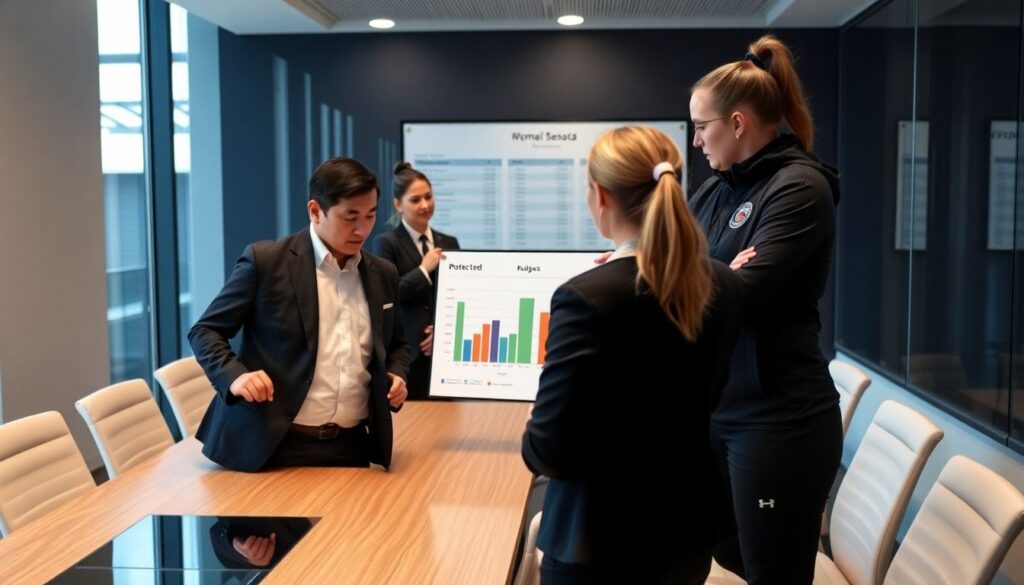
- A dedicated budget line for the women’s section, approved annually and protected from ad hoc cuts.
- Basic staff structure: head coach, assistant/fitness coach, goalkeeper coach (shared if needed), team manager.
- Clear reporting line inside the club (board member or director responsible for the women’s project).
- Simple accounting to track income (tickets, sponsorship), expenses (travel, equipment), and overdue payments.
Facilities and logistics prerequisites
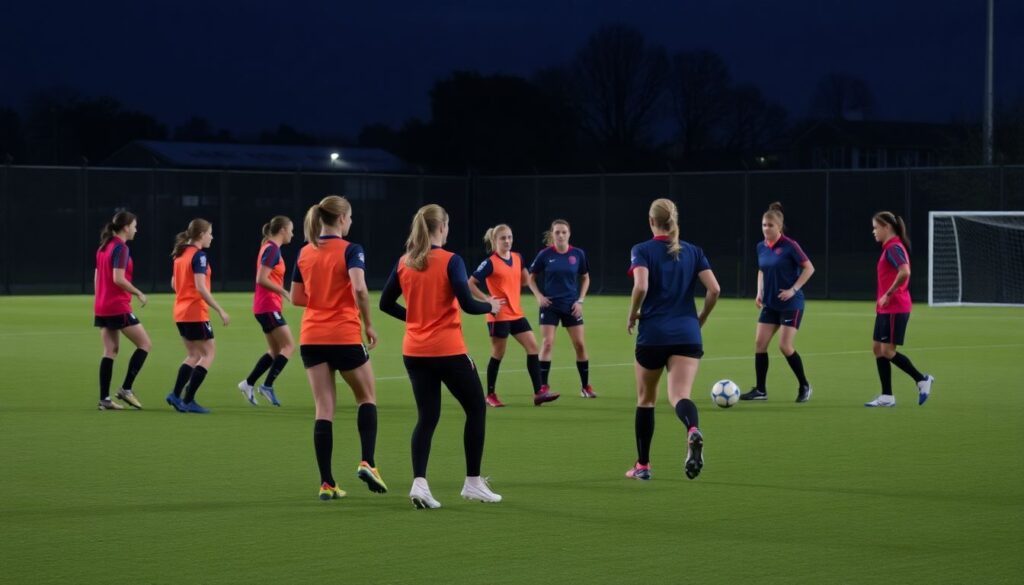
- Guaranteed pitch access:
- At least 3-4 training slots per week on a safe, well-lit pitch.
- Priority slots for matchdays in line with league rules.
- Separate or well-managed changing rooms for women and girls, with basic privacy and security.
- Medical coverage: access to a doctor/physio on matchdays and clear injury referral processes.
- Transport solutions, especially in Anatolia and Southeast regions where distances are long and public transport is limited.
Governance and compliance basics
- Up-to-date registration and licensing with the Turkish Football Federation for all women’s teams.
- Written safeguarding and anti-harassment policies, explained to staff, players, and parents.
- Transparent selection and disciplinary procedures, reducing informal pressure or favouritism.
- Formal collaboration agreements with schools or universities where relevant.
Talent Pipeline: Youth Systems, Coaching and Retention Strategies
-
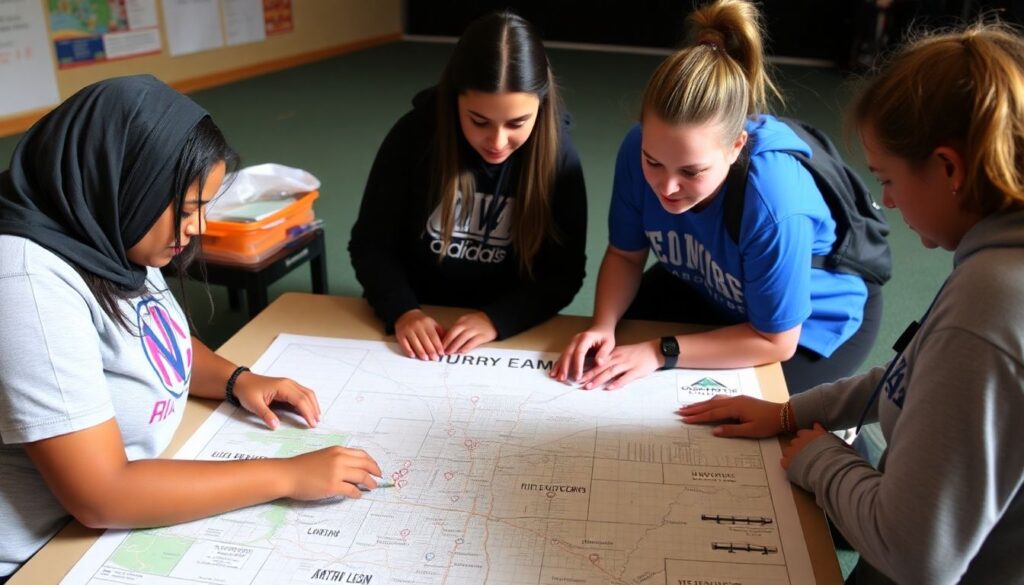
Map and prioritise your local talent base
Start with a simple mapping exercise of girls’ participation around your club or city.
- List all schools, universities, and grassroots clubs with girls’ teams within realistic travel distance.
- Identify underserved districts (e.g., periphery of Istanbul, rural Anatolia, Southeast towns) with interest but no organised teams.
-
Design age-banded teams and clear progression paths
Set up or formalise U11, U13, U15, U17, and senior pathways where possible; combine ages if your numbers are low.
- Define simple progression criteria (technical, tactical, attendance, attitude) for moving from youth to senior teams.
- Use regular combined training sessions and occasional call-ups to make the path visible to younger players.
-
Invest in coach development and support
Quality coaching is the safest, most cost-effective way to raise standards across the club.
- Encourage at least one woman coach per age group where possible, including former players.
- Support coaches to attend federation licensing courses and share learnings through internal workshops.
- Provide ready-made training plans and session templates to reduce planning pressure on volunteers.
-
Create retention-friendly environments for girls and families
Retention drops sharply in teenage years; tackle this deliberately.
- Align schedules with school and exam calendars, especially for high-school and university players.
- Communicate regularly with parents about safety, transport, academic support, and role models.
- Offer leadership roles (captaincy, peer mentors) to keep older girls engaged beyond just playing.
-
Link club development with national and international opportunities
Use the visibility of the turkey women’s national football team fixtures and international tournaments as motivation.
- Organise watch-parties and analysis sessions for national team or Champions League women’s matches.
- Set clear goals for having your players called into regional and national youth camps.
- Build relationships with the best women’s football clubs in turkey for friendly matches and joint camps.
Быстрый режим: condensed pipeline checklist
- Identify 2-3 nearby schools and one university to anchor your girls’ recruitment.
- Launch a combined U13-U15 training group with one qualified coach and one assistant.
- Schedule two weekly training sessions plus one monthly mixed session with the senior women’s team.
- Plan one annual joint event around key turkey women’s national football team fixtures to inspire players and families.
Visibility and Revenue: Media Rights, Sponsorship and Matchday Growth
Use this checklist to confirm that your visibility and revenue foundations are functioning and safe to scale.
- Basic online presence is active and updated (website section, social media profiles dedicated to the women’s team).
- Home-match information (date, time, venue, ticket details) is easy to find for fans wanting to watch women’s football live in turkey.
- Clear process exists for buying turkish women’s super league tickets (online link or physical sale points) with simple pricing.
- Local media list is maintained (sports journalists, community radios, online portals) and receives pre- and post-match updates.
- At least one main sponsor and several local partners are visibly integrated into women’s team assets (kits, backdrops, content).
- Matchday operations include basic security, first aid, and family-friendly areas where possible.
- Regular promotional content is produced: short videos, player stories, behind-the-scenes pieces, and school visits.
- Data is tracked on attendance, online engagement, and sponsor activations to inform future negotiations.
- Women’s matches avoid direct clashes with major men’s fixtures whenever possible to protect crowds and coverage.
Regulatory Levers: Federation Policies and Local Government Interventions
Be aware of these frequent mistakes when using rules and public support to grow women’s football.
- Relying only on national federation decisions and ignoring the potential of municipal and provincial sports directorates.
- Announcing mandatory women’s sections for men’s clubs without providing realistic timelines, guidance, or support.
- Creating complicated licensing criteria that small Anatolian and Southeast clubs cannot meet, driving them out of the system.
- Failing to integrate school and university competitions with club structures, causing calendar clashes and overuse injuries.
- Designing funding programmes that reward short-term results instead of long-term participation and retention.
- Underusing public facilities (stadiums, artificial pitches) for women’s and girls’ matches even when slots are available.
- Not consulting players, coaches, and local organisers when drafting new regulations and competition formats.
- Ignoring safe transport and timing issues (late kick-offs, long away trips) that disproportionately affect women and girls.
Implementation Roadmap: Prioritized Steps for a 1-5 Year Scale-Up
Depending on your resources and context, choose one of these implementation approaches or combine elements.
Pathway 1: Club-led growth anchored in existing brands
Best when strong men’s clubs or multi-sport institutions already exist with fan bases and facilities.
- Integrate women’s teams under the main brand with shared colours, marketing, and membership schemes.
- Use established sponsor relationships to attach dedicated budgets to the women’s section.
- Host double-header matchdays to cross-promote and introduce new fans to women’s games.
Pathway 2: Community and municipal hubs in underserved regions
Suitable for Anatolia and Southeast areas where professional clubs are weak but community energy is strong.
- Build municipal women’s football centres using public pitches and local coaches.
- Connect several villages or districts into one regional women’s team to reduce travel costs.
- Align with social programmes (education, inclusion, health) to access broader public funding.
Pathway 3: Education-first model via schools and universities
Useful where universities and private schools already have sports infrastructure and relatively safe environments.
- Formalise school and university leagues as part of the official pyramid with promotion routes.
- Encourage top institutions to become talent hubs feeding the elite women’s football Turkey league.
- Offer dual-career pathways for players combining degrees, scholarships, and high-level competition.
Pathway 4: Media- and sponsor-driven showcase approach
Effective in big cities like Istanbul, Ankara, and Izmir, where media and sponsors are concentrated.
- Build a small number of flagship events each season, highlighting the best women’s football clubs in turkey.
- Negotiate packages where broadcasters commit to women’s games as part of wider football rights.
- Use these showcase matches to push family attendance, brand activations, and awareness of turkish women’s super league tickets.
Practical Questions from Practitioners with Concise Answers
How can a small club safely start a women’s team with limited resources?
Begin with one age group (for example, U15) training twice a week using existing pitches and shared staff. Prioritise safe transport, clear parental communication, and a simple budget. Only add older age groups once this foundation is stable.
What is the safest way to attract sponsors for a new women’s project?
Prepare a short, realistic proposal showing community impact, media plans, and how the sponsor’s brand will appear. Approach local businesses and municipalities first; offer modest, clearly defined packages rather than vague promises.
How often should youth teams train to balance development and schoolwork?
For most school-age players, two to three structured sessions per week are enough. Coordinate with school timetables and exam periods, and communicate openly with parents and teachers when training loads or travel will increase.
How can we increase attendance at women’s matches in Turkey?
Make match information and ticketing very clear, schedule games at family-friendly times, and partner with schools and universities. Use social media, local influencers, and the visibility around turkey women’s national football team fixtures to invite new audiences.
What is a realistic timeline to see impact from youth investment?
Plan for at least three to five years before expecting consistent first-team contributions from your own academy. Shorter-term wins include improved training culture, better retention, and more interest from families and local partners.
How can we ensure women and girls feel safe in and around the club?
Adopt written safeguarding rules, provide separate or well-managed changing areas, and train staff on respectful behaviour. Make reporting channels simple and confidential, and adjust training and match times to minimise unsafe travel.
Is it necessary to copy models from other countries to succeed?
No. It is helpful to study other countries, but your model should match Turkish realities: school structures, municipal roles, and regional differences. Adapt ideas to your club’s size, city, and culture rather than importing them unchanged.