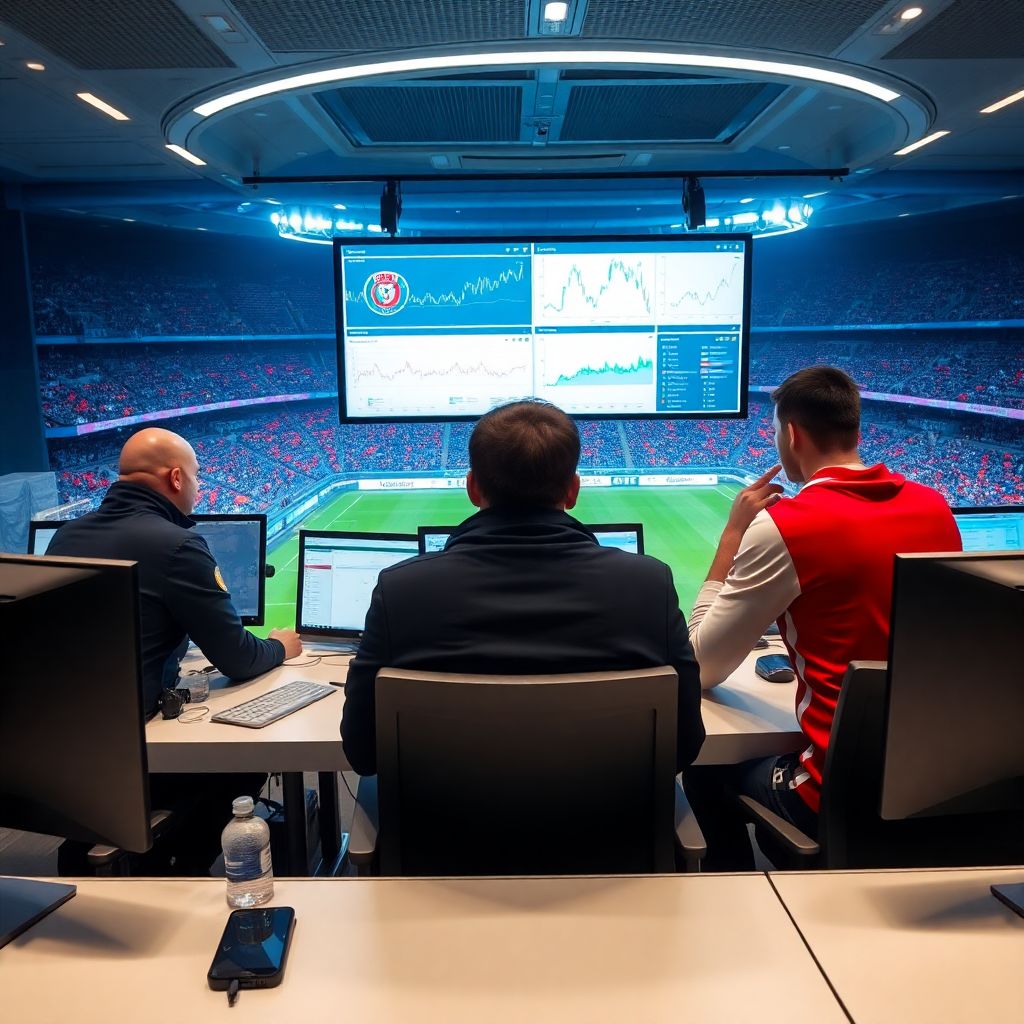
The rising stars of TFF 1. Lig are young, tactically flexible players whose physical, technical, and mental profiles are already close to Süper Lig level. By analysing data, video, and game context together, Süper Lig clubs can identify future starters early, pay reasonable fees, and reduce adaptation risk after promotion or transfer.
Scouting summary: immediate takeaways for Süper Lig clubs
- Treat TFF 1. Lig young talents 2025 as a primary recruitment market, not just a backup option.
- Prioritise repeatable traits (scanning, decision speed, pressing IQ) over highlight-reel moments.
- Always evaluate players in the role and structure you would actually use in the Süper Lig.
- Plan two-step pathways: minutes in cup/loan + clear target role in your first team.
- Use data as a filter, then verify everything with detailed Turkish league rising stars scouting reports.
Attacking talents breaking out in TFF 1. Lig
Attacking talents breaking out in TFF 1. Lig are forwards and wingers who consistently create danger against well-organised second-tier defences while still being under development age-wise. They might not be complete players yet, but their core attacking behaviours already project towards future Süper Lig stars from TFF 1. Lig.
Practically, these players show repeatable production in three areas: chance creation, box occupation, and high-intensity running. When scanning best Turkish football wonderkids TFF 1. Lig lists, do not focus solely on goals and assists. Instead, study where and how they receive, how they attack space, and how they combine with teammates under pressure.
Define clear boundaries between “system finishers” and true difference-makers. A system finisher scores when the team dominates; a difference-maker can create something from limited service, beat a defender 1v1, or make smart blind-side runs that destabilise defensive lines. This distinction is crucial when choosing top TFF 1. Lig players to watch for transfers into mid-table or European-chasing Süper Lig clubs.
Transfer-wise, breakout attackers from TFF 1. Lig are attractive because wages and fees remain manageable. The risk flag is context inflation: some look dominant only in transition-heavy teams. Before investing, simulate their role in your own tactical model: do you also play open games, or will they face low blocks every week?
- Checklist – attacking traits to scout:
- Consistent creation of shots from similar zones (not random positions every match).
- 1v1 threat: acceleration, change of direction, and ability to separate from markers.
- Off-ball movement: timing of runs behind the line and into half-spaces.
- Pressing work-rate: intensity and intelligence when closing centre-backs and full-backs.
- Composure in the box: body shape and decision quality in the final touch/pass.
Midfield architects: creators ready for the top tier
Midfield architects are central or attacking midfielders who control tempo, connect phases, and progress the ball in a way that can scale to Süper Lig speed and pressure. They may not be physically dominant yet, but their orientation, passing choices, and positioning already resemble top-tier standards.
- First-touch orientation: Receive on the half-turn, open body to multiple options, and avoid being pressed with back to goal in dangerous zones.
- Line-breaking passes: Ability to find pockets between opposition midfield and defence, with both ground and chipped passes from different angles.
- Press-resistance under pressure: Use of feints, protective touches, and quick lay-offs rather than risky dribbles in own third.
- Tempo control: Knowing when to speed up play in transition and when to slow possession to protect a lead.
- Defensive positioning: Occupying passing lanes, covering full-backs, and reacting quickly to turnovers rather than only chasing the ball.
- Set-piece value: Accurate deliveries from corners and free-kicks to add measurable impact even on quieter days.
For Süper Lig recruitment, these midfield creators are often safer bets than pure dribblers, because their game relies more on vision and decision-making than on physical dominance. However, the risk flag is defensive liability: many TFF 1. Lig playmakers are protected by double pivots and struggle when asked to defend larger spaces at higher tempo.
- Checklist – midfield traits to scout:
- Head movement before receiving: frequent scanning of surroundings.
- Variety of pass types: switches, through balls, wall passes in tight spaces.
- Recovery runs after losing the ball: intensity and sprint willingness.
- Communication: pointing, organising, and demanding the ball in build-up.
- Impact on team structure: does the team rely on them to exit pressure?
Defensive prospects: centre-backs and full-backs with Süper Lig traits
Defensive prospects from TFF 1. Lig who can step into the Süper Lig combine basic duelling ability with anticipation, recovery speed, and comfort on the ball. The key is how their skills translate to different tactical scenarios rather than isolated tackles or clearances.
Typical application scenarios for scouting:
- High defensive line in possession-heavy teams: Centre-backs must defend large spaces behind them, read long balls early, and win footraces without fouling.
- Deep block versus dominant opponents: Full-backs need concentration, compactness, and awareness of back-post threats when the box is flooded.
- Aggressive pressing systems: Both centre-backs and full-backs must step into midfield zones, intercept vertical passes, and still recover when bypassed.
- Build-up under press: Ability to receive under pressure, play into midfield, or break lines with driven diagonals, without panicking into long clearances.
- Wide overloads and 1v2 situations: Full-backs must decide when to jump to the winger, when to delay, and when to protect central zones.
- Set-piece phases: Reliability in marking, attacking the ball, and managing second balls around the box.
When drawing up Turkish league rising stars scouting reports, separate defenders who look good because they defend their own box all game from those who can thrive in proactive Süper Lig systems. Risk flags include constant last-ditch sliding tackles (often a sign of poor positioning) and an overreliance on long balls under mild pressure.
- Checklist – defensive traits to scout:
- Body orientation when defending: side-on stance, steering attackers away from danger.
- Timing of tackles: more interceptions and blocks than reckless challenges.
- Speed over 10-20 metres for recovery after a high line is beaten.
- Comfort playing short into midfield and breaking lines with passes.
- Organisation: constant communication with partner centre-back and holding midfielder.
Goalkeepers showing composure and distribution for higher level
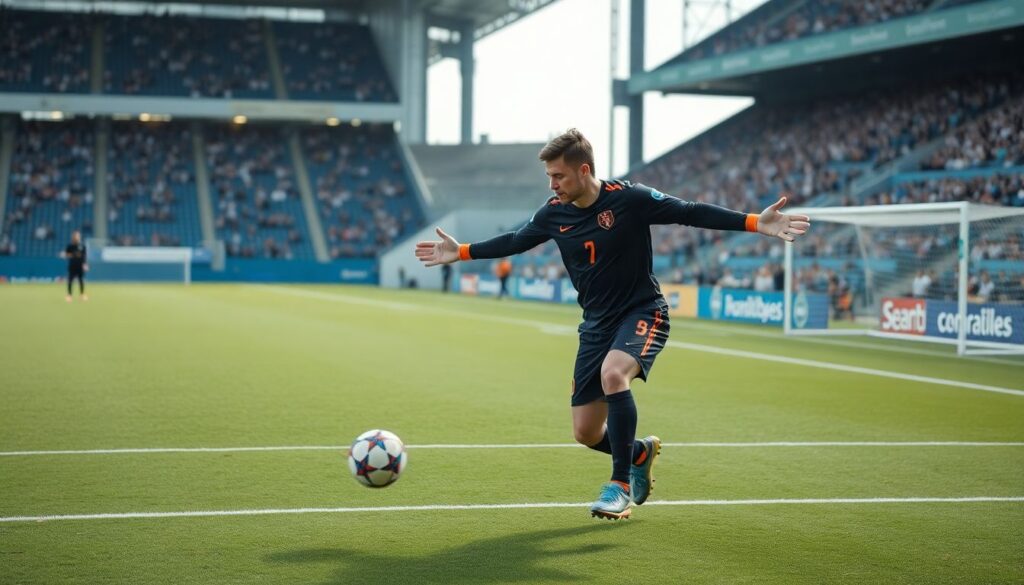
Modern keepers capable of stepping up from TFF 1. Lig to the Süper Lig must go beyond shot-stopping. They are effectively the first playmaker under pressure and the last defender in space, so composure, decision-making, and distribution matter as much as reflexes.
For future Süper Lig stars from TFF 1. Lig in goal, clubs should balance the advantages and constraints of this profile before committing transfer resources.
Advantages of modern TFF 1. Lig goalkeepers
- Comfort receiving back-passes and playing one-touch into full-backs or pivots under pressure.
- Willingness to hold a higher starting position to sweep balls in behind a high line.
- Ability to vary distribution: short build-up, clipped balls to full-backs, and longer passes to wingers.
- Calm body language that stabilises young back-lines in difficult away matches.
Constraints and risk factors when stepping to Süper Lig
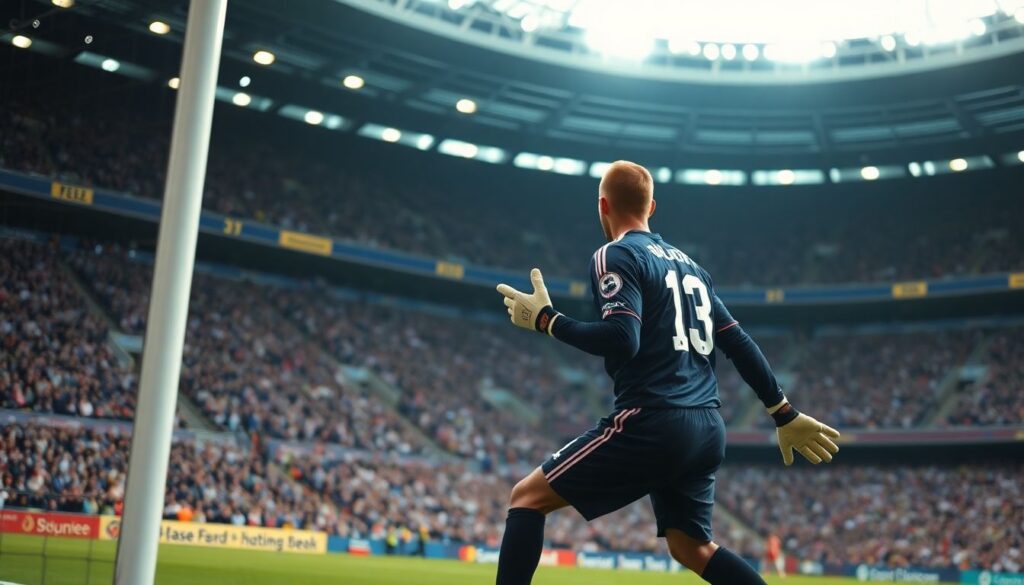
- Limited experience against elite finishers who punish minor positioning mistakes.
- Struggles on crosses when tempo and physicality increase in the top division.
- Overconfidence with the ball: unnecessary dribbles or risky passes in own box.
- Psychological response to errors under heavier media and fan pressure.
From a transfer perspective, goalkeepers are often undervalued in TFF 1. Lig young talents 2025 shortlists. This creates an opportunity for analytically minded clubs, but only if they thoroughly test the keeper’s decision tree in different match states through video analysis.
- Checklist – goalkeeper traits to scout:
- Starting position relative to back line in different phases of play.
- Consistency of handling on crosses and shots, not just spectacular saves.
- Speed and choices in distribution after recovering the ball.
- Communication with defenders on set pieces and during defensive transitions.
- Emotional control after conceding: body language and risk-taking next minutes.
Predictive metrics: data signals that foresee successful promotion
Data cannot guarantee which top TFF 1. Lig players to watch for transfers will succeed in the Süper Lig, but it can highlight which profiles are more likely to translate. The focus should be on underlying repeatable actions instead of raw totals that are heavily impacted by team strength and minutes.
Several myths and common mistakes need to be avoided when using metrics to project players upward.
- Myth: raw goals and assists are enough – They are heavily influenced by penalties, set-piece roles, and teammates. Instead, look at shots and chances created per 90 and where they occur.
- Myth: duels won % defines defenders – Context matters: easy aerials in own box vs. aggressive front-foot defending in midfield are not equal.
- Mistake: ignoring age and development stage – A slight statistical edge for an older player may be less valuable than a slightly weaker but much younger profile.
- Mistake: treating TFF 1. Lig as homogeneous – Playing style, pitch quality, and tactical sophistication differ by club; numbers must be read within that context.
- Myth: high sprint distance equals work-rate – Poor positioning can inflate running metrics; combine with video to check tactical discipline.
- Mistake: copying external “best Turkish football wonderkids TFF 1. Lig” lists – Use them as starting points, not final verdicts; always test fit to your own tactical and cultural environment.
Used well, metrics help narrow scouting focus, allocate live-scouting resources, and build stronger Turkish league rising stars scouting reports. Used poorly, they create overconfidence in numbers that do not actually predict top-tier success.
- Checklist – data signals to prioritise:
- Per-90 rates rather than raw totals, adjusted for minutes and role.
- Field zones where key actions happen (heat maps, pass maps, shot maps).
- Stability of performance over multiple months and different opponents.
- Impact in high-leverage situations (late in games, top-of-the-table clashes).
- Combination of data flags with at least two independent video evaluations.
Market and contract realities: valuation, buyout clauses, and timing
Even if your staff identify clear future Süper Lig stars from TFF 1. Lig, the move only happens when market and contract conditions align. Understanding timing, clauses, and negotiation leverage is as important as the scouting judgment itself.
Mini-case: imagine a 20-year-old winger on a mid-table TFF 1. Lig side with two years left on his deal. He has no formal release clause, but his club needs cash and has already turned down one foreign bid. Your club wants to move quickly without overpaying.
A practical, step-based approach might look like this conceptual pseudo-process:
- Benchmark his role and impact against similar TFF 1. Lig young talents 2025 targets to set an internal value range.
- Check contract length, bonuses, and informal expectations of player and agent (e.g. pathway promises, playing-time fears).
- Use structured add-ons (appearance bonuses, future sell-on percentage) to bridge valuation gaps with the selling club.
- Plan a clear development path: initial role, loan options, and individual training program tailored to Süper Lig demands.
- Define stop-loss: the maximum fee and wage level after which you will walk away, no matter how attractive the highlight videos are.
Risk flags in the market include aggressive buyout clauses, complex third-party interests, and pressure from agents to skip logical development steps. Discipline at this stage protects the club from turning good scouting into bad business.
- Checklist – market and timing factors to verify:
- Exact contract terms: length, clauses, and any informal exit promises.
- Motivation of selling club: financial need, sporting project, fan expectations.
- Player’s openness to gradual integration versus immediate starter demands.
- Competition from other clubs and how it affects price inflation.
- Alignment between your budget, risk tolerance, and player’s development curve.
Final self-audit checklist for Süper Lig scouting departments
- Have we defined clear positional and tactical profiles before shortlisting TFF 1. Lig targets?
- Do we combine data filters, multi-angle video, and live reports for every priority player?
- Have we stress-tested each prospect in Süper Lig-like scenarios (tempo, space, pressure)?
- Is there a realistic two-season development plan for every incoming young talent?
- Are transfer valuations and contract terms consistent with our long-term squad strategy?
Common scouting dilemmas and decisive answers
Should we prioritise TFF 1. Lig experience over younger academy signings from abroad?
TFF 1. Lig players already know the culture, language, and tempo of Turkish football, which reduces adaptation risk. The ideal strategy is a mix, but for immediate Süper Lig impact, second-tier experience is usually a strong positive signal.
How many live games are enough before deciding on a transfer?
There is no fixed number, but decisions based only on video are risky. Aim to see the player live in different match contexts: home, away, under pressure, and in poor conditions. Use each viewing to test specific questions from earlier reports.
What is the best way to compare two similar TFF 1. Lig prospects?
Start by standardising their data per 90 minutes, then review video side by side focusing on tactical fit for your system. Finally, weigh non-technical factors such as mentality, injury history, and contract cost before making a final choice.
How do we judge mentality and resilience from a distance?
Look at responses to setbacks in matches, such as errors or conceded goals, and track consistency across the season. Complement this with background checks from former coaches and staff who can speak about training habits and professionalism.
Is it worth paying a premium for a “finished” TFF 1. Lig star?
Paying a premium is justified only if the player can start immediately at Süper Lig level and fits your tactical model. Otherwise, you often get better value from slightly rawer profiles with clear upside and lower contractual demands.
How soon should we loan out a TFF 1. Lig signing who is not playing?
If the player is not getting meaningful minutes or adaptation is stalling, a loan after one half-season can be beneficial. The loan club’s playing style and guaranteed role, however, must support the development plan you designed.
Can one standout season in TFF 1. Lig be trusted as proof of quality?
One season is a strong signal but not definitive proof. Check whether performance trends were building in previous years, and verify that the player’s strengths are not solely dependent on a specific coach or tactical system.