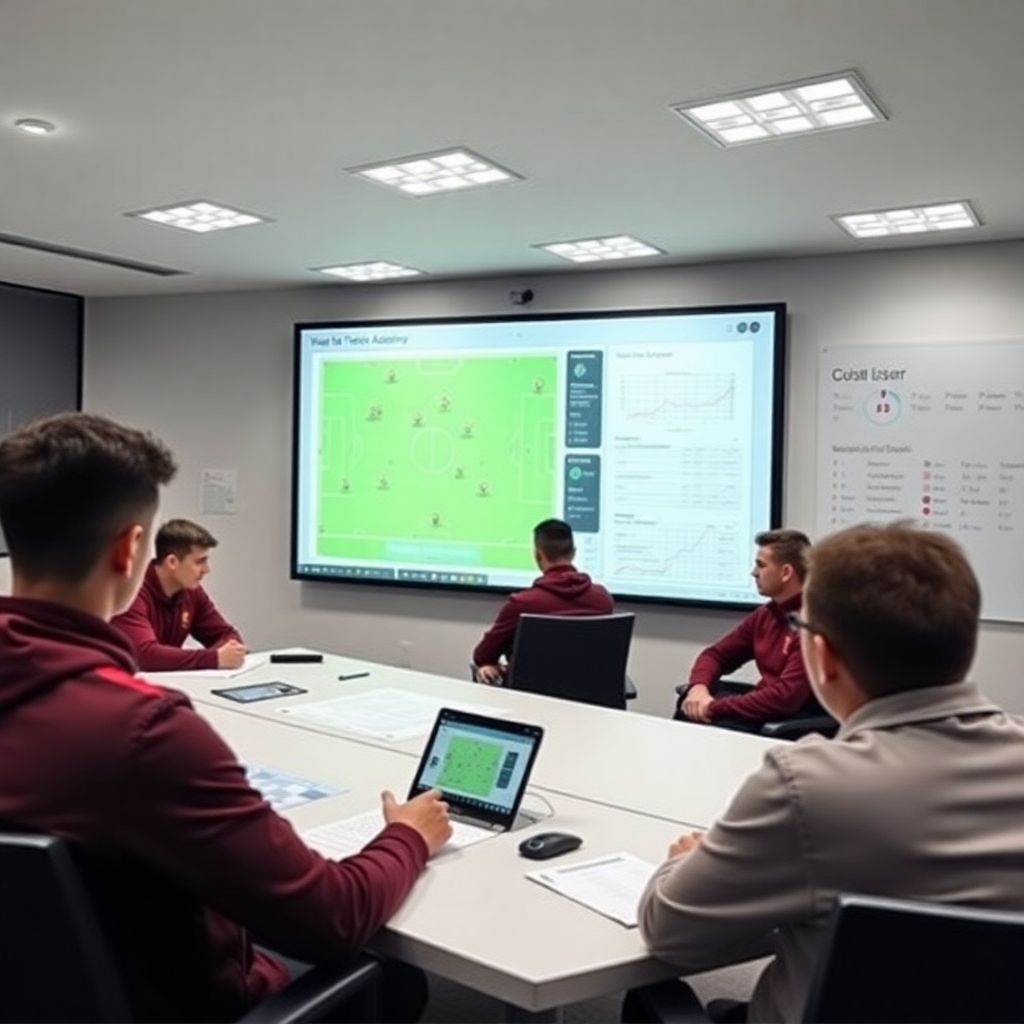
The most successful Turkish Super Lig youth academies combine a clear game model, integrated scouting, age-specific curricula, and guaranteed pathways into senior football. To copy them, define your club identity, map U12-U21 microcycles to that identity, build regional scouting, and track hard metrics: training minutes, academy debuts, loan outcomes, and sales revenue.
Fast-track Action Summary for Coaches and Directors
- Write a one-page academy game model (principles in possession, out of possession, transition) aligned with your first team.
- Standardise an age-by-age syllabus from U12 to U21 with clear technical and tactical outcomes per season.
- Build a simple regional scouting grid around your city and key talent hubs, including regular turkey football trials for youth players.
- Introduce weekly individual development plans (IDPs) and quarterly objective reviews for all players.
- Formalise first-team integration: training slots for U19-U21, a loan ladder, and clear debut criteria.
- Track and publish academy KPIs: homegrown minutes, sales revenue, and cost per first-team graduate.
Blueprints of Anatolian Academies: Training Philosophy and Structure
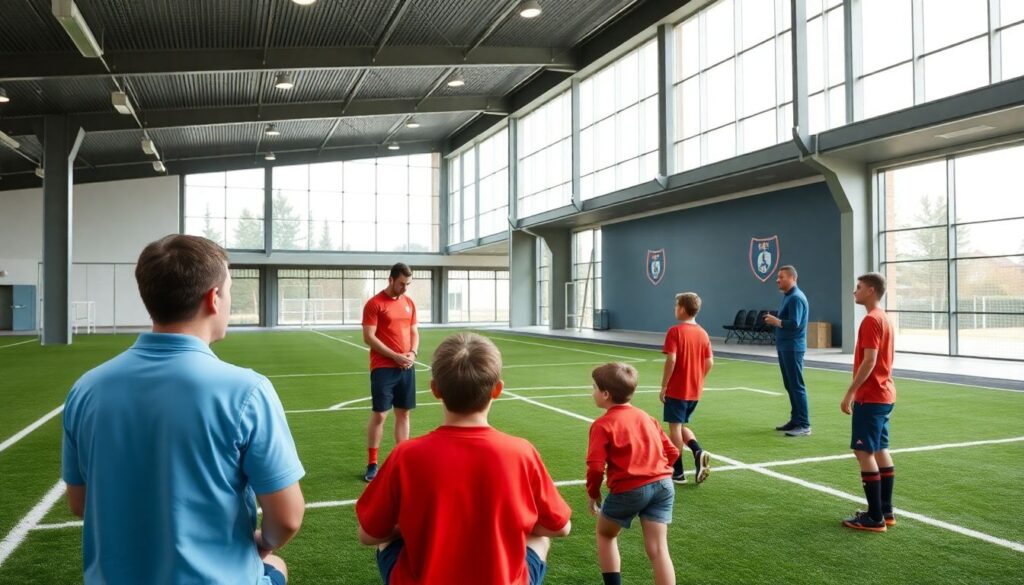
Super Lig clubs youth development programs work best when the academy is built around a simple, shared philosophy rather than famous drills. This approach suits clubs with stable leadership, access to local talent, and at least basic training infrastructure (two pitches, gym, medical support).
Do not copy-paste a model from the best football academies in Turkey if:
- Your first-team coach changes style every season, making long-term alignment impossible.
- You lack minimum safety and welfare standards (pitch quality, medical checks, safeguarding policies).
- You cannot staff the academy with at least part-time specialised coaches (GK, athletic, analyst).
- There is no realistic pathway to senior football in your club (blocked by constant foreign signings).
Instead, start with a lean structure:
- Define the identity – three to five non-negotiable principles (e.g., high pressing, ball circulation, fast wingers).
- Map teams to phases – U12-U13: discovery; U14-U15: fundamentals; U16-U17: team tactics; U18-U21: professionalisation.
- Clarify staff roles – head of academy, age-group leads, specialist coaches, head of education, head of recruitment.
- Align weekly rhythm – training and match scheduling coordinated with school and first team calendars.
Talent Identification: Scouting Networks and Data Practices
To reach the level of the best football academies in Turkey, you need structure, not luck. Organise your scouting using simple tools and clear zones.
Core requirements before scaling scouting
- Defined recruitment profile – position-specific and age-specific criteria (physical, technical, tactical, psychological).
- Regional mapping – draw a map of districts, schools, and amateur clubs; assign scouts to each area.
- Centralised data capture – at minimum, a shared spreadsheet or basic database with match notes and ratings.
- Video and event access – agreements with school leagues, local FAs, and amateur clubs for match footage or live access.
- Trial process – a safe and transparent system for turkey football trials for youth players, including medical checks and consent.
Practical tools and simple workflows
- Use a shared online sheet for scout reports with standard fields: game info, player ID, strengths, concerns, projection.
- Record short clips (within league rules) for technical actions and store with player profiles.
- Tag trial players with coloured status labels: “monitor”, “invite back”, “sign now”, “not suitable”.
- Review top ten targets per age group monthly with academy staff and first-team representation.
Curriculum and Daily Microcycles: From U12 to U21
This section turns the Süper Lig’s most successful youth development programs into a step-by-step template you can safely adapt, even if your resources are limited.
-
Step 1: Build an age-specific curriculum map – Start from your game model and work backwards.
- For each age, define 5-8 key technical themes (e.g., receiving under pressure, 1v1, finishing).
- Add tactical themes (e.g., pressing triggers, build-up zones) for U14 and older.
- Link physical and mental objectives (speed, coordination, resilience, game intelligence).
-
Step 2: Design a standard weekly microcycle per age phase – Keep it repeatable and realistic.
- U12-U13 (two to three sessions) – 1 coordination & ball mastery, 1 small-sided games, 1 match prep.
- U14-U15 (three to four sessions) – 1 technical, 1 team-tactical, 1 physical & speed, 1 match prep/review.
- U16-U17 (four to five sessions) – add specific set-piece and pressing sessions.
- U18-U21 (five to six sessions) – mirror first-team rhythm, including regeneration and opposition prep.
-
Step 3: Structure each training session safely – Use a fixed skeleton to keep players and staff oriented.
- Arrival & screening (5-10 minutes): wellness questions, any pain or school stress.
- Warm-up (10-15 minutes): dynamic mobility and ball-based activation.
- Main part (45-60 minutes): from isolated drills into game-realistic scenarios.
- Game & finisher (15-20 minutes): conditioned games, finishing, or competitive challenges.
- Cool-down & reflection (5-10 minutes): stretching and quick feedback.
-
Step 4: Integrate school and life load – Especially important in tr_TR context where exam periods are intense.
- Before exams, reduce volume slightly and focus on quality and decision-making.
- Coordinate with parents and schools to avoid burnout and absences.
- Track sleep and travel time for players with long commutes.
-
Step 5: Implement individual development plans (IDPs) – The big differentiator in turkish super lig youth academies.
- Every player has 2-3 target behaviours per month (e.g., body shape when receiving, scanning before pass).
- Allocate 10-15 minutes twice a week to individual or small-group work.
- Review IDPs monthly with player and, where appropriate, parents.
-
Step 6: Align U19-U21 with first team – Reduce shock at professional level.
- Copy first-team tactical principles and core exercises where possible.
- Use the same terminology, roles, and basic set-piece structures.
- Invite first-team staff to run a session with U19-U21 at least once a month.
Быстрый режим: compressed curriculum planning in 4 moves
- Write one A4 page: club game model and age roles (U12-U21).
- Create one standard weekly schedule per age band and keep it for three months.
- Give each player an IDP with two simple focus points and review monthly.
- Ensure U19-U21 share at least two training sessions per week with first-team ideas or staff.
Physical and Cognitive Development: Periodization and Performance Testing
Use this checklist to verify that your physical and mental development program matches modern Super Lig expectations while staying safe for youth players.
- There is a long-term athletic development plan covering coordination, speed, strength, and injury prevention for all ages.
- Training loads are recorded weekly (sessions, minutes, perceived exertion) for U14 and older.
- Growth spurts are monitored; high-risk phases trigger temporary load adjustments and education.
- Basic field tests (speed, change of direction, endurance) are done a few times per year and compared over time, not between players.
- Position-specific physical profiles exist (e.g., demands for full-backs vs central midfielders).
- Cognitive training is embedded in football tasks (scanning cues, decision rules, communication), not only in standalone drills.
- Players receive guidance on sleep, nutrition, and recovery appropriate to their age and school demands.
- Return-to-play protocols after injury are clearly defined and include progressive football-specific work.
- Sports psychology or mental skills sessions are available at least periodically for older age groups.
- Coaches are trained to recognise signs of overload, stress, and burnout and know how to respond.
Pathways to First Team: Loan Strategies, Mentoring and Integration Metrics
Even strong turkish super lig youth academies fail when the step from U19 to professional football is unmanaged. Avoid these common mistakes.
- Relying on “talent will find a way” without a written pathway or criteria for promotion.
- Sending players on random loans without style fit, playing-time guarantees, or clear roles.
- Ignoring education and life skills when players leave home for loans or new contracts.
- Failing to assign mentors (senior players or staff) to each academy graduate entering the first-team environment.
- Measuring success only by trophies at youth level rather than minutes played in senior football.
- Keeping players too long in U19 instead of challenging them with men’s football at the right moment.
- Changing first-team coaches without explaining to academy staff how expectations and roles change.
- Communicating debuts as accidents or emergencies rather than a planned reward for development.
- Not reviewing failed transitions (drops from first team back to academy) to understand structural issues.
- Overprotecting top talents from competition and pressure, leaving them unprepared for real match demands.
Sustainable Financing: Commercial Models, Grassroots Links and ROI
If you cannot yet match the budgets of the best football academies in Turkey, you can still build a robust structure using alternative models that fit your reality.
-
Community-partner model – Work closely with local schools and amateur clubs.
- Share coaching education, co-brand local tournaments, and use their facilities for satellite training centres.
- Suitable for small-city clubs and those rebuilding their academy from scratch.
-
Hybrid private-club academy model – Partner with a private football school while keeping sporting control.
- Private partner manages facilities and some costs; club manages methodology and pathways.
- Useful when you lack infrastructure but have strong technical staff.
-
Regional hub model – Create a central performance hub with satellite centres in nearby towns.
- Satellites focus on early talent detection and basic training; the hub offers advanced development.
- Works well in regions with large catchment areas and limited direct competition.
-
Education-first academy model – Integrate or partner with schools and universities.
- Secure parental trust and long-term stability by guaranteeing solid education pathways.
- Effective for clubs that want to attract families from across the country, not only locally.
Comparative view of leading Süper Lig academies
This table gives a qualitative comparison of several well-known turkish super lig youth academies. Use it as a reference point rather than a ranking.
| Academy | Typical enrollment scale | Internal promotion tendency | Budget level (relative) | Notable recent graduates |
|---|---|---|---|---|
| Galatasaray SK Academy | Large pool across many age groups and regional centres | Regular promotion to first team and domestic loans | High compared with most Turkish clubs | Multiple senior internationals and key Super Lig starters |
| Fenerbahçe SK Academy | Large, with strong presence in Istanbul and surrounding regions | Steady flow to first team and other top-tier clubs | High within the league context | Several players sold abroad and regular national-team call-ups |
| Beşiktaş JK Academy | Medium to large, focused on quality over volume | Consistent integration of a few players each cycle | Upper-tier among Süper Lig academies | Homegrown players in European leagues and national teams |
| Trabzonspor Academy | Medium, strong regional focus in the Black Sea area | High reliance on local talent and internal promotion | Moderate to high relative to club size | Noted for technically gifted attackers and midfielders |
| Altınordu FK Academy | Medium-sized but very specialised and selective | Designed as a pure development and selling model | Medium, with strong emphasis on efficiency | Several players transferred to major Süper Lig and European clubs |
Practical Concerns Coaches and Sporting Directors Want Answered
How can a smaller club copy elements of Super Lig clubs youth development programs without big budgets?
Focus on three low-cost pillars: a clear game model, structured weekly microcycles, and strong relationships with local schools and amateur clubs. Invest time in coach education and simple data tracking instead of expensive technology.
What is the safest way to run turkey football trials for youth players?
Plan fewer, better-organised trial days with medical screening, age-appropriate loads, and clear communication to families. Use small-sided games, short evaluations, and written feedback. Always obtain written consent and follow your federation’s safeguarding rules.
How to join Turkish football academy systems from another city or region?
Players should first compete at the highest local level, then attend officially advertised trials or partner-club events. Families should contact academies via official channels, share match footage, and confirm that education and accommodation arrangements are safe and realistic.
What metrics should I track to know if my academy model is working?
Monitor homegrown minutes in senior teams, number of debuts per season, player progression between age groups, and transfer income from academy graduates. Also check retention rates and school outcomes to ensure holistic development.
How quickly can a club redesign its curriculum from U12 to U21?
With committed staff, a basic curriculum can be drafted in a few weeks and tested over one season. Avoid changing everything every few months; instead, review and adjust annually based on clear evidence and feedback.
Do I need advanced data systems to match the best football academies in Turkey?
No. Start with consistent, shared spreadsheets for scouting reports, training loads, and match minutes. As your processes mature, you can upgrade to specialised software, but discipline and clarity matter more than technology.
How should we balance winning youth matches with long-term development?
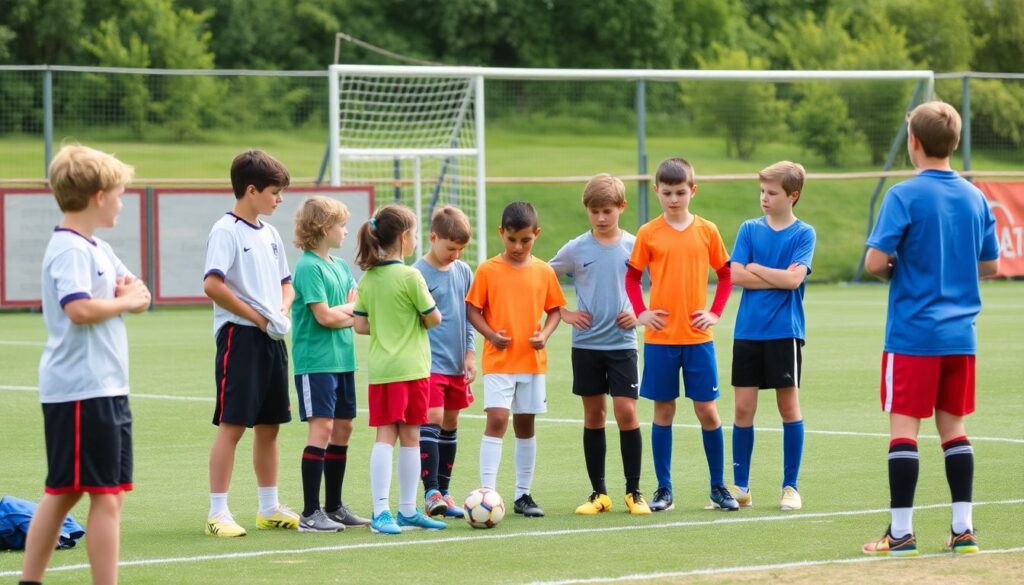
Define selection and playing-time rules that prioritise learning objectives, especially at younger ages. Use competitions to test principles and behaviours, not just results, and evaluate coaches on development outcomes as well as scores.