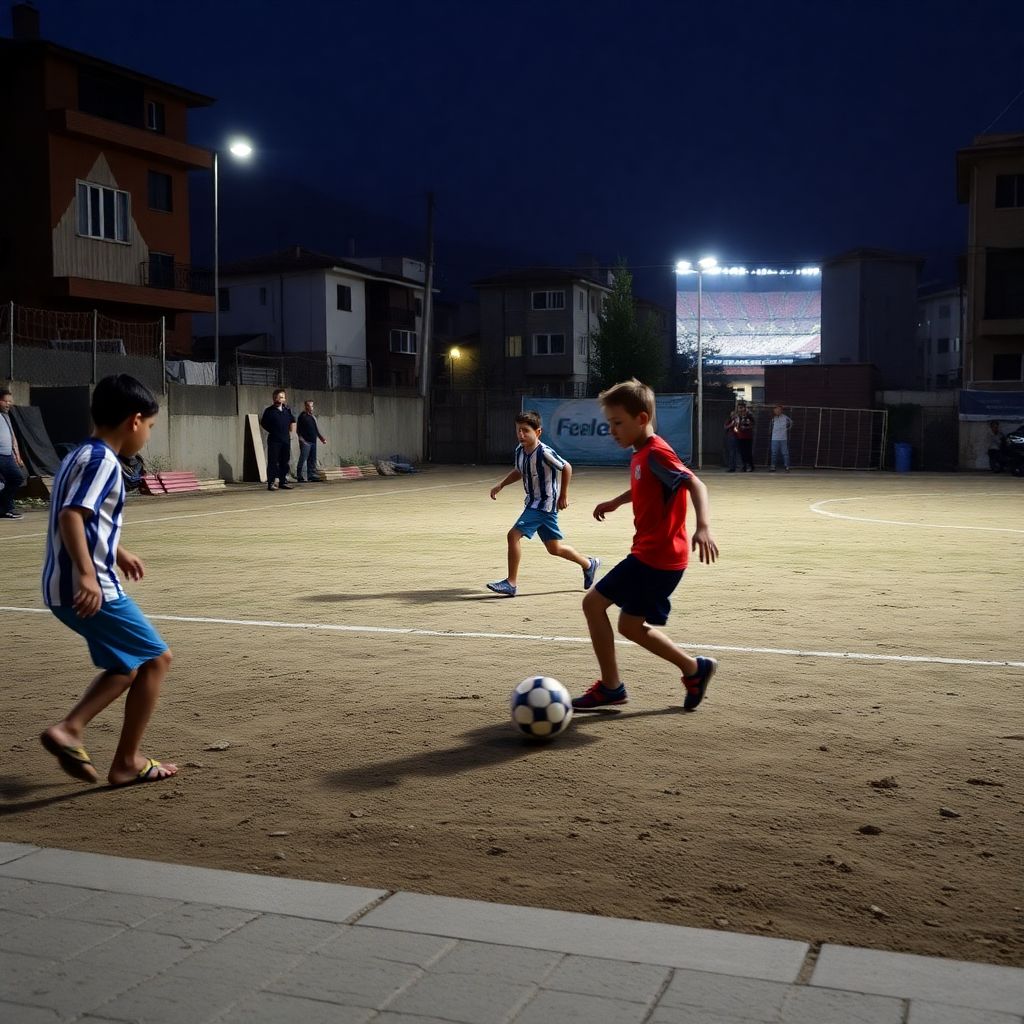
Street football in Turkey is not just casual play; it is a grassroots training ground that has produced many professionals in the Süper Lig. Unstructured matches sharpen creativity, resilience and decision making. When linked with local clubs, school teams and academies, these skills become a realistic pathway from neighbourhood pitch to professional contract.
Ground realities: what truly fuels Turkish grassroots success
- Street and cage football create high-pressure, high-touch environments that build technique and courage on the ball.
- Community coaches, PE teachers and amateur scouts quietly track gifted kids long before any academy invitation.
- Local tournaments and school leagues are the real filters that reveal consistency, discipline and mentality.
- Flexible training around school and family duties keeps many low-income players in the game instead of dropping out.
- Partnerships between neighbourhood clubs and professional academies connect informal talent to formal pathways.
- Simple self-check routines help players measure progress and stay realistic about their chances.
Debunking the myth: street football is only recreation
The common myth is that street football is just killing time until a real coach appears. In Turkey, the reality is different. For many current and former Süper Lig players, their first competitive lessons came from tight cages in Istanbul, dusty pitches in Anatolia and schoolyards in İzmir.
Street football in this context means unstructured games in small spaces, often on concrete or sand, played daily with mixed ages. It sits between play and training. There is no formal curriculum, yet decision making, pressing, first touch and shielding are trained in every intense match.
The limit of street football is clear: without guidance, players repeat the same habits and rarely develop tactical understanding for eleven-a-side football. The success stories of turkish super lig young talents 2024 usually include a turning point where a local coach or scout connects the raw street game to structured sessions.
So the accurate definition is: street football is a powerful but incomplete development phase. On its own, it creates creativity and bravery; when linked to clubs, school teams and the best football academies in turkey for youth players, it becomes a valid first step toward professional football.
How talent is spotted early: scouts, grassroots tournaments, and community networks
Early identification in Turkey is less about one big trial day and more about constant observation through local networks. The pathway from street to Süper Lig usually passes several informal checkpoints.
- Neighbourhood and school visibility: PE teachers, school coaches and local club trainers notice kids who dominate cage games, class tournaments and futsal sessions.
- Amateur and youth club coaches: Many community clubs have direct links to turkish super lig youth development programs. Coaches recommend standout players from local leagues and city tournaments.
- Regional and municipal tournaments: City and district competitions collect talent from many schools and clubs. Consistent performance here attracts semi professional and professional scouts.
- Informal scout networks: Former players, agents and part time scouts watch weekend matches and weekend cage competitions. Word of mouth is strong, especially in football dense cities like Istanbul, Ankara and Bursa.
- Invitations to training samples: Instead of full contracts, promising players often receive short training invitations at professional academies, which double as quiet turkey football trials for young players.
- School club partnerships: Some private and public schools cooperate with clubs, making it easier for students to attend both lessons and training without dropping out of education.
Informal coaching techniques: street-born drills that build elite skills
Even without official badges, many Turkish grassroots coaches use street-born methods that translate well to high-level football. These techniques keep sessions cheap, intense and close to the game.
- Small-sided overloads: 3v3, 4v4 and 5v5 in tight cages teach pressing, fast transitions and combination play. Coaches simply adjust the rules to emphasise first touch, weak foot or quick finishing.
- Winner-stays-on culture: Short games to one or two goals, where the winning team stays on the pitch, replicate the urgency of professional matches and create mental toughness.
- Wall and fence passing drills: Using walls or fences for one touch and two touch passing helps players improve control under pressure without needing expensive equipment.
- Scenario games from real matches: Coaches recreate key moments seen in local or Süper Lig games, asking players to solve a 3v2 counter, low block defence or high press situation.
- Position rotation within games: Instead of fixed roles, young players try multiple positions in the same session. This builds game intelligence and reduces the risk of one dimensional development.
- Street inspired technical challenges: Tricks, juggling, nutmeg games and first touch competitions keep sessions fun while anchoring ball mastery that later shines in professional environments.
Overcoming infrastructure shortfalls: pragmatic solutions for pitches and resources
Many Turkish communities lack perfect grass pitches or full time facilities. Still, resourceful approaches allow constant football with limited budgets. The key is to understand where these solutions help and where they cannot fully replace professional environments.
Practical advantages of low-budget grassroots setups
- Multi use cages and schoolyards provide daily access to play, even in dense urban districts.
- Simple equipment (cones, old goals, taped lines) is enough for most technical and tactical drills.
- Shared time slots between age groups create natural mentoring from older players.
- Local ownership of facilities builds strong community support and safety for children.
- Short travel distances reduce costs for families and increase training attendance.
Limitations that must be acknowledged and managed
- Irregular or hard surfaces increase injury risk and limit high speed running and sliding practice.
- Lack of sports science support makes load monitoring and recovery difficult for growing bodies.
- Limited video and data tools slow down tactical analysis compared to professional academies.
- Weather dependent facilities can lead to long breaks in training during heavy rain or extreme heat.
- Without clear links to clubs, talented players may remain invisible to professional scouts.
Bridging to the Süper Lig: academy models, trials, and transfer mechanisms
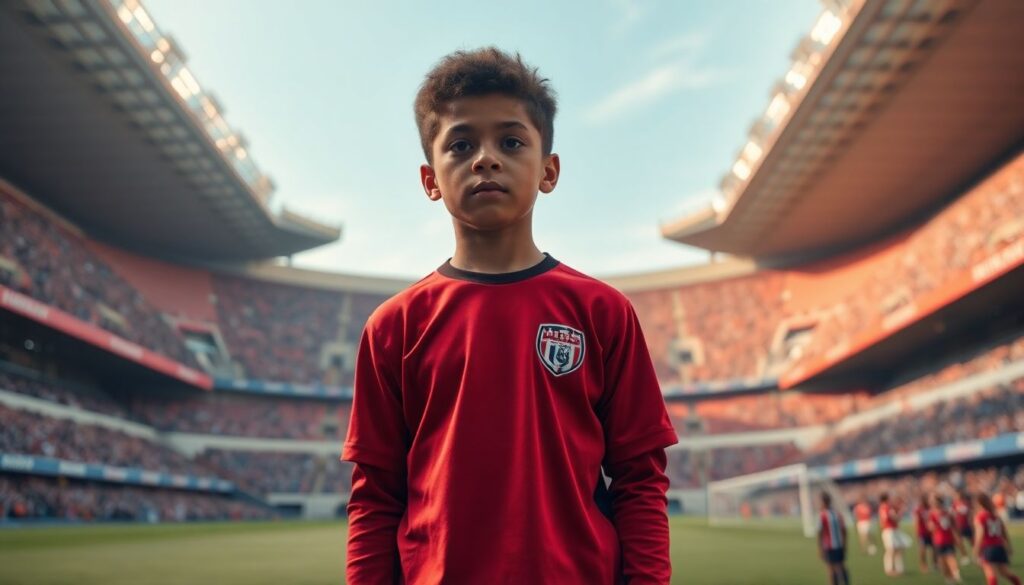
Many families believe the jump from street football to Süper Lig is a single event, usually imagined as a big trial where one shining performance changes everything. Reality is slower and more step by step, and misunderstanding this leads to repeated mistakes.
- Myth: one trial decides everything. In fact, coaches focus on pattern of behaviour. Attitude, decision making and consistency across several sessions matter more than one spectacular goal at turkey football trials for young players.
- Myth: only top academies matter. Yes, the best football academies in turkey for youth players offer major advantages, but many professionals start in smaller regional clubs and move up through smart transfers and loans.
- Myth: scouts find you automatically. Learning how to get scouted by turkish super lig clubs means playing in visible competitions, keeping highlight clips ready and maintaining good relationships with coaches who can recommend you.
- Myth: education can be ignored once a contract appears. Injuries, form loss and coaching changes are constant. Young players who abandon school too early often struggle with life decisions after football.
- Myth: contracts equal instant financial security. Lower league and youth contracts are usually modest. Smart budgeting, continuous development and patience are crucial, even for promising turkish super lig young talents 2024 or later generations.
- Myth: the club controls everything. Families and players must still monitor training load, nutrition, sleep and mental health instead of assuming the club system automatically solves all problems.
Socioeconomic influences: family support, education, and player resilience
Family income, school options and neighbourhood safety all shape whether a talented player can stay in football long enough to benefit from turkish super lig youth development programs. Support does not always mean money; it often means time, emotional backing and wise decisions about travel and education.
Consider a simplified mini algorithm for checking if a young player is on a healthy path from street to professional level:
1. Weekly rhythm
   - Playing at least 3 times per week?
   - At least 1 of those in a structured team session?

2. Visibility
   - Competing in school or local league with coaches linked to clubs?
   - Attended any training samples or trials in the last 12 months?

3. Development signals
   - Clear progress in one key area every 3 months
     (for example, weaker foot, fitness, or tactical role)?
   - Coach feedback improving, not repeating same issues?

4. Balance
   - School attendance stable and grades acceptable?
   - Sleep, nutrition and rest not constantly sacrificed for football?

5. Next step
   - If 3 or more answers are negative: reset goals, adjust training,
     maybe seek a different local club or coach.
   - If most answers are positive: continue current plan and
     schedule next trial or showcase within 6 to 12 months.
Stories of players rising from street pitches to the Süper Lig almost always include this kind of quiet, repeated checking and adjusting, led by engaged families, realistic coaches and resilient young athletes.
Common misconceptions: concise answers for coaches and players
Does street football really help if my goal is professional level?
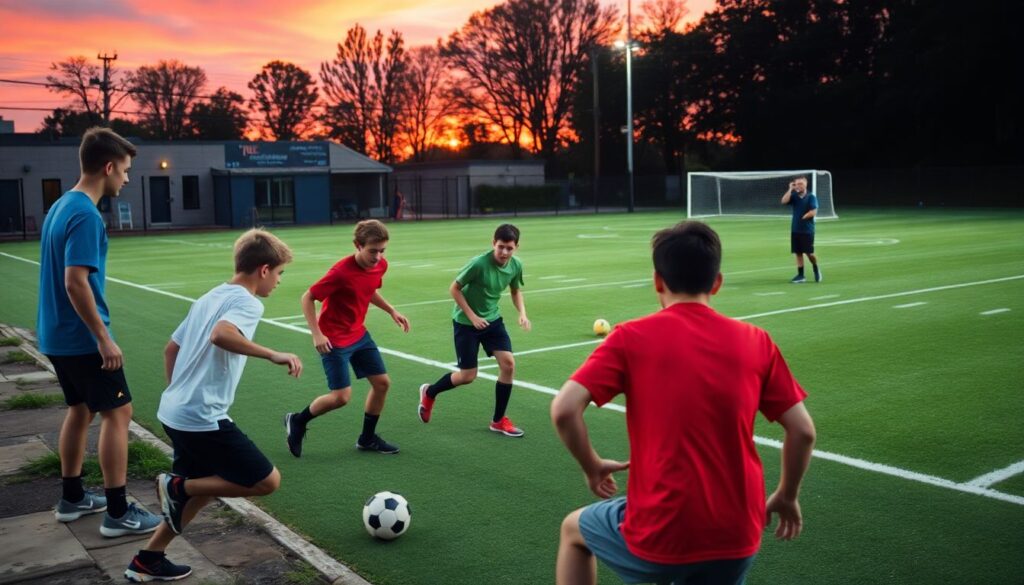
Yes, as long as it is combined with organised training by your early teens. Street football builds creativity, close control and courage, but you still need tactical education and physical planning from a club environment.
At what age should a Turkish player join an academy or formal club?
Early involvement with a local club around primary school age is helpful, but there is no strict cut off. What matters is joining organised football before late adolescence and gradually moving into more competitive environments.
Are big trial days the only way to enter a Süper Lig academy?
No. Many players are invited after being watched in local leagues, school tournaments or friendly matches. Trials are important, but regular competition and consistent performance are usually what open doors.
How can a player from a small Anatolian town get noticed?
Play for the strongest local team available, perform well in regional tournaments and maintain contact with coaches who have links to bigger clubs. Simple video highlights shared responsibly can also help attract attention.
Is it realistic to combine serious football with school in Turkey?
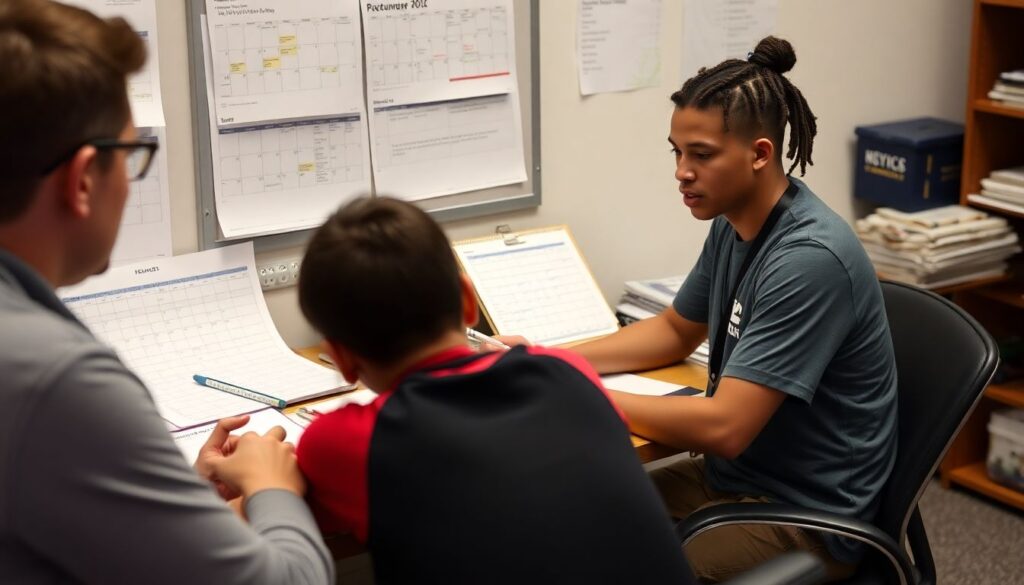
Yes, but it requires planning. Choosing schools with flexible schedules or sports friendly policies and coordinating with coaches about training times makes it much easier to manage both paths.
Do only expensive private academies produce professional players?
No. Many professionals come from municipal facilities, community clubs and public school teams. Paid academies can offer more comfort and exposure, but they are not the only route to success.
Should parents push a talented child to focus only on football?
Specialising too early is risky. Supporting the child while keeping education and general well being strong usually leads to better long term outcomes, regardless of whether a professional contract arrives.
Комментарии