
Current landscape of women’s football in Turkey
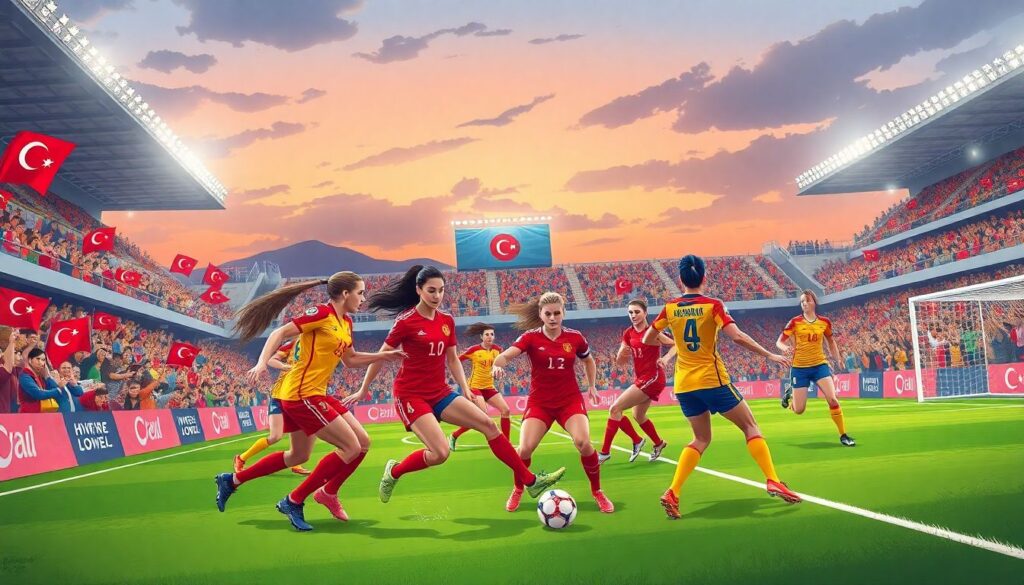
Women’s football in Turkey has moved from near‑invisibility to cautious momentum. The fully professional top tier, the Turkcell Women’s Football Super League, currently hosts over a dozen clubs, many of them backed by famous men’s sides like Galatasaray and Fenerbahçe. Average crowds still hover in the hundreds, but derbies and decisive matches can draw a few thousand, especially when promoted well. According to Turkish FA figures, registered female players have grown several‑fold over the last decade, and youth participation is climbing fastest in big cities. In everyday terms, more girls now see football not just as a hobby, but as something you can actually build a career around in Turkey.
Popularity, media visibility and matchday experience
Ask fans why they don’t go to games, and you’ll often hear: “I didn’t even know they were playing.” That’s changing. More matches are streamed on federation platforms or club channels, and sports media finally gives space to women’s leagues on highlight shows. For fans who want to watch women’s football live in Turkey, access is improving: better scheduling, clearer information on club websites and more family‑friendly stadium policies. Yet visibility is still fragile. Big men’s games or political events easily push women’s coverage off the agenda, and many regional teams lack even basic PR staff to keep their communities informed about fixtures and results.
Ticketing, pricing and new fan segments
From an economic angle, turkish women’s football league tickets are usually very cheap or even free, which helps attract first‑time visitors but also signals that the product is “worth less.” Some experts argue for a symbolic price with added value: small bundles including a scarf, meet‑and‑greet, or youth clinic. That way, clubs can test how much fans are willing to pay without scaring them away. There’s also a clear opportunity to target specific groups:
– Families looking for a safe, relaxed weekend activity.
– Students and young professionals interested in women’s sport and social causes.
– Existing ultras of men’s clubs, if given joint events and cross‑promotions.
Development pathways and youth academies
The real engine of future growth lies in structured youth systems. A decade ago, most girls’ teams were improvised: borrowed pitches, volunteer coaches, little medical support. Now, several big sides run integrated youth programs, and the turkey women’s football clubs academy scene is maturing. Girls can enter at under‑10 or under‑12 level and move through age groups with licensed coaches. Still, the depth outside major cities is thin. In many provinces, a talented 13‑year‑old has to travel hours for serious training. Without more regional hubs and school–club partnerships, plenty of gifted players will simply drift out of the game during their teenage years.
Coaching quality and expert recommendations
Coaches are the hidden backbone of the ecosystem. UEFA‑licensed female coaches remain rare, and many youth teams are led by part‑time staff juggling several jobs. Turkish and European experts consistently push three recommendations. First, create targeted scholarships for women to obtain coaching badges, reducing financial barriers. Second, link national‑team staff more closely with grassroots clinics, so modern methods reach small clubs quickly. Third, reward clubs whose academies graduate players to the Super League or national squads. As one technical director put it, “If you want better football, pay not just for transfers, but for the people who teach 10‑year‑olds how to pass and press.”
Economic aspects and sponsorship dynamics
Money is still the toughest nut to crack. Most women’s teams depend heavily on their parent men’s clubs or municipal budgets. Independent revenue from ticketing, merchandise and broadcasting is modest but trending upward. Brands are starting to see sponsorship opportunities women’s football turkey can offer: a positive, inclusive image with relatively low entry costs compared to men’s football. Short‑term deals dominate, however, making long‑range planning difficult. Economists following the league argue that stable three‑to‑five‑year partnerships, even at modest sums, would do more good than flashy one‑season campaigns, because clubs could hire full‑time staff and invest in marketing with some confidence.
Commercial growth and fan engagement tools
Women’s football doesn’t just sell goals; it sells stories. Fans like seeing players who are teachers, students or young mothers as well as athletes. Clubs that highlight these narratives on social media are growing their audiences faster than those relying only on match scores. Experts in sports marketing often propose a simple checklist:
– Build bilingual content (Turkish + English) to catch tourists and diaspora.
– Offer combined men’s–women’s season passes where possible.
– Use QR codes at stadiums linking to online shops and player profiles.
– Experiment with themed matchdays: student nights, women in STEM, local charity drives.
Challenges on and off the pitch
Behind the positive headlines, everyday obstacles remain stubborn. Many squads still train on poor pitches at awkward hours, squeezed between men’s youth teams. Some players earn symbolic wages that barely cover transport, making second jobs a necessity and proper recovery a luxury. Culturally, attitudes are shifting, but slowly; in some communities, girls still face family pressure not to “waste time” on football. On the competitive side, the gap between top and bottom teams is wide, leading to one‑sided scorelines that can put off new viewers. Without better resource distribution and minimum professional standards, the league risks becoming two‑tiered.
Governance, visibility gaps and expert warnings
Analysts who track women’s football turkey point to governance as a make‑or‑break factor. Federation and league decisions on scheduling, TV rights and licensing criteria can either accelerate growth or trap it in a niche. Late fixture announcements, overlapping kick‑off times with big men’s games, and inconsistent live streams frustrate fans and broadcasters. Experts recommend three immediate fixes: align calendars early, guarantee a minimum number of televised or professionally streamed matches per round, and publish transparent club licensing rules. Without that predictability, serious investors and big sponsors may stay on the sidelines, fearing that the product they back won’t actually be visible.
Growth potential and future scenarios

Looking ahead 5–10 years, most projections are cautiously optimistic. If current participation trends and modest investment continue, the league can stabilize as a solid mid‑tier competition in Europe, regularly exporting players to stronger markets but also attracting a few international names. Optimistic scenarios involve a dedicated media deal plus stronger links with schools and universities, creating a wide base of players and fans. In a pessimistic scenario, support from men’s clubs could shrink in economic downturns, exposing how little independent revenue the women’s game still generates. The choices made in the next few seasons will heavily tilt the scale either way.
Integration with tourism and wider sports industry
Turkey positions itself as a sports tourism hub, and women’s football can plug into that. Pre‑season camps, youth tournaments and international friendlies can attract teams from Europe, the Middle East and Central Asia. For foreign fans who want to combine city breaks with sport, it’s getting easier to watch women’s football live in turkey, especially in Istanbul and Ankara. Travel agencies already bundle big men’s derbies into packages; adding women’s fixtures, stadium tours and meet‑the‑players sessions would barely raise costs but could deepen visitor engagement. This cross‑pollination also nudges local authorities to improve facilities and transport links, benefiting all sports users.
Expert recommendations: what should happen next?
Specialists who work with clubs, federations and players in Turkey tend to converge on a practical to‑do list. First, lock in a long‑term broadcast strategy, even if the money isn’t huge at first; consistency matters more than headline figures. Second, protect youth development by co‑funding regional academies and school partnerships, so that every talented girl has a nearby pathway. Third, build a clear commercial narrative: women’s football as a modern, inclusive, family‑friendly part of Turkish sport, not a charity project. Finally, include players in decision‑making bodies; they know better than anyone what holds back performance and what would actually help day to day.
What clubs and brands can do right now
Change doesn’t have to wait for big reforms. Clubs can start with low‑cost steps: better social media, simple fan surveys, regular open trainings and closer ties to local schools. Brands testing the waters should avoid one‑off “pinkwashing” campaigns and instead co‑create projects with players, such as mentorship for girls or internship programs. As one marketing expert summed it up: “Treat women’s teams like a serious business partner, not a side project.” If that attitude takes root across management, sponsors and media, the growth curve of women’s football in Turkey could steepen faster than most people currently expect.