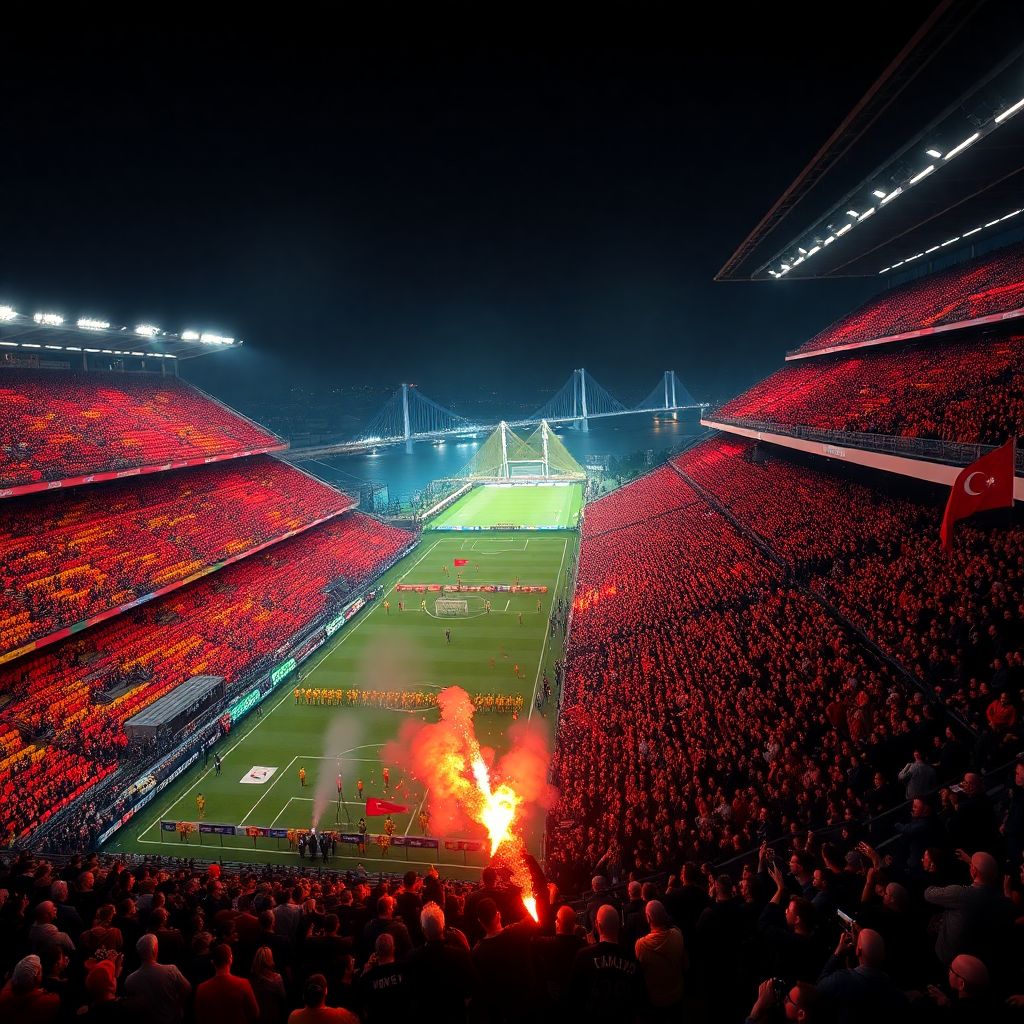
Turkish football rivalries look chaotic from the outside, but there’s actually a clear logic to how they work and how they shape fan culture. Below is a step‑by‑step guide so you can understand the emotions, avoid rookie mistakes and plan your own safe, memorable trip into this world.
—
Step 1. Get the basics: why these rivalries feel different
The big thing to grasp is that Turkish football isn’t just about sport; it’s a mix of local identity, politics, class and even geography. Galatasaray, Fenerbahçe and Beşiktaş are more than clubs; for many people they’re a primary identity marker. That’s why “losing” a derby can feel like a collective humiliation and “winning” can turn into an improvised street festival. Before you even think about matches, accept that emotions will be louder, gestures more expressive and everything more intense than in most European leagues. Treat it as entering another cultural ecosystem, not just attending a game.
—
Step 2. Learn the “Big Three” and their fault lines
Galatasaray vs Fenerbahçe: the bridge rivalry
This is the most famous front line. Historically, Fenerbahçe is rooted in the Asian side of Istanbul, while Galatasaray is tied more to the old European core and elite schools. Over time those social borders blurred, but the symbolism stayed. That’s why this game is framed as a clash of worlds, not just squads. When you see offers for *turkish football derbies galatasaray fenerbahce tickets*, remember you’re not buying just a seat; you’re buying access to a conflict that has been emotionally compounding for more than a century. That’s also why demand, tension and police presence are all off the charts.
Beşiktaş vs everyone: the street-energy club
Beşiktaş sits closer to a neighborhood‑driven identity, with a strong tradition of politically vocal fans. The famous Çarşı group turned terraces into a platform for chants that mix football, social criticism and dark humor. In derbies against Galatasaray and Fenerbahçe, they lean into this outsider role, treating every game as resistance against bigger, richer structures. If you’re new, this is the rivalry lens that explains many banners and slogans. It’s not “random chaos”; it’s a self‑conscious style built around irony, self‑mockery and sometimes open dissent.
—
Step 3. See how rivalries shape everyday fan culture
Chants, symbols, and weekly rituals
Rivalries dictate the entire weekly rhythm. Chants are engineered specifically against other clubs; even positive songs about your own side are often framed through beating a rival. Colors invade daily life: shop decorations, taxi scarves, coffee cups, office jokes. This is why *football fan culture in turkey stadium tour packages* don’t just show you empty stands; good tours explain how the neighborhood around each ground morphs on matchday. For locals, “Who do you support?” can appear in job interviews, first dates or random small talk, and it’s asked with an expectation of a serious answer.
How fan groups are structured
Ultra groups function like semi‑formal organizations. They control choreography, drum lines, away trips and sometimes funding for banners and pyrotechnics. Internal hierarchy is strict: newcomers start at the edges of the terrace, not the core. Rivalries determine alliances too: certain provincial clubs lean towards one Istanbul giant, which shapes how their fans behave when those teams visit. Understanding this structure helps you read the body language around you—who leads chants, who negotiates with police, who coordinates away sections—so you don’t accidentally block someone important or film where people prefer anonymity.
—
Step 4. Planning your own matchday, step by step
Picking the right game and stand
If it’s your first time, don’t start with the most explosive fixture. A mid‑table league game or a European group match in Istanbul is intense enough but more manageable. Once you’ve done that, you can think about a full *istanbul football derby tours matchday experience* with a guide who knows where to walk, when to arrive and how to deal with ticketing systems. Within the stadium, avoid the ultra block on your first visit; choose a side stand where you can see the choreography without being pressured to participate in every chant or jump sequence.
Practical safety and comfort tips
– Arrive early; security checks and ID verification can take a long time.
– Wear neutral colors if you’re not fully aware of local codes; some brands or flags are read as political.
– Keep your phone use discreet; constant filming of ultras can be seen as intrusive or risky.
The goal isn’t to be paranoid, just situationally aware. Treated with respect, locals are usually happy to explain things and help you find your seat.
—
Step 5. Avoid common mistakes newcomers make
Misreading passion as danger
One of the biggest errors is to assume every loud chant equates to imminent violence. Most of the time, the noise is ritualized. People who’ve only seen a *galatasaray fenerbahce besiktas rivalry documentary streaming* often come expecting a war zone. In reality, police, club security and fan leaders usually coordinate to keep lines from being crossed. Problems happen, but they’re exceptions, not the default. If you watch locals, you’ll notice that 98% of movement is focused on singing, bouncing and filming content for social media, not looking for fights.
Rookie behavior that annoys locals
– Entering ultra sectors just to take selfies and blocking sightlines.
– Wearing a rival’s scarf “as a joke” in their home end.
– Treating local rituals (like certain chants or moments of silence) as funny background noise.
If you want pictures, take them between attacks, not while a decisive set piece is happening. Show basic respect for the game itself, not just the atmosphere, and people will usually welcome your curiosity.
—
Step 6. Using media and merch to understand the culture
What to watch and buy (smartly)
Past matches and media can be a crash course before you travel. Look for *galatasaray fenerbahce besiktas rivalry documentary streaming* options that include fan perspectives, not just highlight reels; they help you decode choreography and slogans. Old finals or derbies—often available as *turkish super lig classic matches dvds merchandise*—show how stadiums, banners and choreography evolved over decades. When buying scarves or shirts, do it from official or clearly fan‑run outlets near the stadiums. Street vendors are fine for cheap souvenirs, but quality and club support are variable, so don’t expect long‑lasting gear at rock‑bottom prices.
How to use content for practical prep
Instead of binge‑watching random clips, be systematic: watch one old game from each big club at home, note the songs, then compare with current YouTube vlogs from live terraces. This gives you a time‑lapse of how rivalry language changed. Pay attention to how fans react to refereeing calls and goals; that teaches you when to stand, when to join in, and when to simply observe. Treat all this content as a situational training manual, not just entertainment.
—
Step 7. Going deeper without crossing lines
Joining the culture respectfully
If you’re staying longer, choose a “home” club and learn basic chants; even partial participation changes how locals relate to you. Ask before waving banners or flags that aren’t club‑specific; some symbols carry heavy political weight. When you book *turkish football derbies galatasaray fenerbahce tickets* via agencies, request guidance on which sector is safest for non‑locals. Some agencies bundle in *football fan culture in turkey stadium tour packages* that include pre‑match walks, museum visits and short history briefings—those are worth it if you want more than Instagram shots.
Building your own sustainable matchday routine
Over time, aim to create a consistent pattern: arrive in the same area, use the same café, talk to the same stewards. That familiarity lowers friction and makes you part of the environment rather than a constant outsider. Use derby days sparingly; they’re intense and can be exhausting even for veterans. Mix them with regular league fixtures so you can actually process what you’re seeing. In the long run, this balanced approach lets you enjoy the raw emotion of Turkish derbies while staying safe, respectful and genuinely connected to the people who live this culture every week.